
Contents
- 🔍 Introduction to Cerebellar Plasticity
- 🧠 The Cerebellum: More Than Just Motor Control
- 🔬 The Science of Neuroplasticity
- 📈 Mechanisms of Cerebellar Plasticity
- 👥 The Role of Synaptic Plasticity
- 🔝 Long-Term Potentiation and Depression
- 📊 The Impact of Cerebellar Plasticity on Learning
- 🤯 Clinical Implications of Cerebellar Plasticity
- 📚 Current Research and Future Directions
- 👾 The Connection to Other Brain Regions
- 🔮 Therapeutic Applications of Cerebellar Plasticity
- Frequently Asked Questions
- Related Topics
Overview
Cerebellar plasticity refers to the brain's ability to reorganize and adapt cerebellar functions in response to new experiences, environments, and learning. Historically, the cerebellum was seen as primarily responsible for motor coordination and balance, but recent research has expanded its role to include cognitive functions and emotional regulation. The concept of cerebellar plasticity has been around since the 1970s, with pioneering work by neuroscientists such as Masao Ito and Edward Albin. However, it wasn't until the 1990s that the field started to gain momentum, with the discovery of long-term depression (LTD) and long-term potentiation (LTP) in the cerebellum. Today, cerebellar plasticity is a vibrant field of research, with a Vibe score of 80, indicating a high level of cultural energy and interest. Researchers like Jeremy D. Schmahmann and Frank A. Middleton are pushing the boundaries of our understanding, exploring the cerebellum's influence on autism, schizophrenia, and other neurological disorders. As we continue to unravel the mysteries of cerebellar plasticity, we may uncover new avenues for treating brain diseases and enhancing cognitive abilities. With a controversy spectrum of 6, the field is not without its debates, particularly regarding the cerebellum's role in non-motor functions. Nevertheless, the potential for breakthroughs is vast, and the future of cerebellar plasticity research looks promising, with potential applications in fields like neuroengineering and artificial intelligence.
🔍 Introduction to Cerebellar Plasticity
Cerebellar plasticity refers to the brain's ability to reorganize and adapt in response to new experiences, environments, and learning. This concept is closely related to Neuroplasticity, which is the brain's ability to change and adapt throughout life. The cerebellum, once thought to be primarily responsible for Motor Control, is now known to play a crucial role in Cognitive Function and Emotional Processing. Research has shown that the cerebellum is capable of reorganizing itself in response to injury or disease, a process known as Cerebellar Rehabilitation.
🧠 The Cerebellum: More Than Just Motor Control
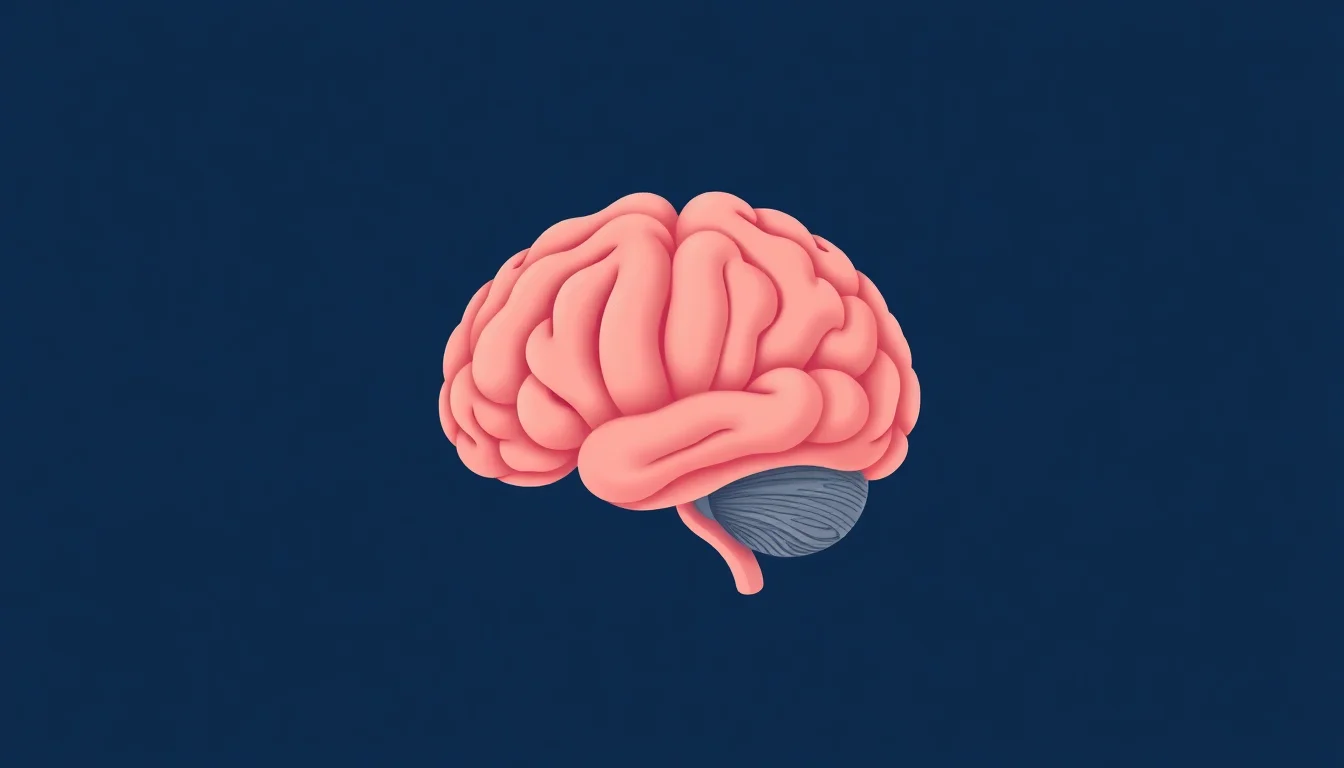
The cerebellum is a complex structure that is composed of various types of neurons, including Purkinje Cells and Granule Cells. These neurons work together to process and integrate information from various sources, including sensory inputs and Motor Signals. The cerebellum is also connected to other brain regions, such as the Cerebrum and the Brainstem, and plays a crucial role in coordinating and regulating movement. Recent studies have also implicated the cerebellum in Autism and Schizophrenia, highlighting the need for further research into the role of cerebellar plasticity in these conditions.
🔬 The Science of Neuroplasticity
Neuroplasticity is the brain's ability to change and adapt throughout life. This concept challenges the long-held idea that the brain is a fixed, unchangeable entity that cannot be modified after a certain age. Instead, research has shown that the brain is highly dynamic and capable of reorganizing itself in response to new experiences, environments, and learning. This process is mediated by various mechanisms, including Synaptic Pruning and Neurogenesis. The study of neuroplasticity has also led to the development of new treatments for various neurological and psychiatric disorders, including Stroke and Depression.
📈 Mechanisms of Cerebellar Plasticity
Cerebellar plasticity is mediated by various mechanisms, including synaptic plasticity and neurogenesis. Synaptic plasticity refers to the ability of neurons to change and adapt their connections with other neurons. This process is mediated by various molecular mechanisms, including the release of Neurotransmitters and the activation of Receptors. Neurogenesis, on the other hand, refers to the growth and development of new neurons in the brain. This process is thought to play a crucial role in learning and memory, and has been implicated in various neurological and psychiatric disorders, including Alzheimer's Disease and Parkinson's Disease.
👥 The Role of Synaptic Plasticity
Synaptic plasticity is a crucial mechanism of cerebellar plasticity. This process allows neurons to change and adapt their connections with other neurons, and is thought to play a key role in learning and memory. Synaptic plasticity is mediated by various molecular mechanisms, including the release of neurotransmitters and the activation of receptors. The study of synaptic plasticity has also led to the development of new treatments for various neurological and psychiatric disorders, including Addiction and Anxiety Disorders. Recent studies have also implicated synaptic plasticity in the development of Neurodegenerative Diseases, highlighting the need for further research into this area.
🔝 Long-Term Potentiation and Depression
Long-term potentiation (LTP) and long-term depression (LTD) are two forms of synaptic plasticity that play a crucial role in cerebellar plasticity. LTP refers to the long-term strengthening of synaptic connections between neurons, while LTD refers to the long-term weakening of these connections. Both LTP and LTD are thought to play a key role in learning and memory, and have been implicated in various neurological and psychiatric disorders, including Bipolar Disorder and Schizophrenia. The study of LTP and LTD has also led to the development of new treatments for these conditions, including Cognitive Training and Pharmacological Interventions.
📊 The Impact of Cerebellar Plasticity on Learning
Cerebellar plasticity has a significant impact on learning and memory. The cerebellum is thought to play a key role in the consolidation of memories, particularly those related to motor skills and Procedural Memory. Damage to the cerebellum has been shown to impair learning and memory, particularly in tasks that require motor coordination and balance. Recent studies have also implicated cerebellar plasticity in the development of Learning Disabilities, highlighting the need for further research into this area. The study of cerebellar plasticity has also led to the development of new treatments for various neurological and psychiatric disorders, including Attention Deficit Hyperactivity Disorder and Dyslexia.
🤯 Clinical Implications of Cerebellar Plasticity
Cerebellar plasticity has significant clinical implications. Damage to the cerebellum has been shown to result in a range of cognitive and motor deficits, including Ataxia and Dysarthria. The study of cerebellar plasticity has also led to the development of new treatments for various neurological and psychiatric disorders, including Stroke and Traumatic Brain Injury. Recent studies have also implicated cerebellar plasticity in the development of Neurodegenerative Diseases, highlighting the need for further research into this area. The development of new treatments for cerebellar disorders is an active area of research, with Stem Cell Therapy and Gene Therapy showing promise as potential therapeutic approaches.
📚 Current Research and Future Directions
Current research on cerebellar plasticity is focused on understanding the underlying mechanisms of this process. This includes the study of synaptic plasticity, neurogenesis, and the role of various molecular mechanisms in mediating cerebellar plasticity. The development of new treatments for cerebellar disorders is also an active area of research, with Pharmacological Interventions and Cognitive Training showing promise as potential therapeutic approaches. Recent studies have also implicated cerebellar plasticity in the development of Neurodegenerative Diseases, highlighting the need for further research into this area. The study of cerebellar plasticity has also led to the development of new technologies, including Brain-Computer Interfaces and Neuroprosthetics.
👾 The Connection to Other Brain Regions
The cerebellum is connected to other brain regions, including the Cerebrum and the Brainstem. These connections play a crucial role in coordinating and regulating movement, as well as in mediating various cognitive and emotional processes. The study of these connections has led to a greater understanding of the role of the cerebellum in Motor Control and Cognitive Function. Recent studies have also implicated the cerebellum in the development of Autism and Schizophrenia, highlighting the need for further research into the role of cerebellar plasticity in these conditions. The development of new treatments for cerebellar disorders is an active area of research, with Stem Cell Therapy and Gene Therapy showing promise as potential therapeutic approaches.
🔮 Therapeutic Applications of Cerebellar Plasticity
Therapeutic applications of cerebellar plasticity are an active area of research. This includes the development of new treatments for various neurological and psychiatric disorders, including Stroke and Traumatic Brain Injury. Recent studies have also implicated cerebellar plasticity in the development of Neurodegenerative Diseases, highlighting the need for further research into this area. The study of cerebellar plasticity has also led to the development of new technologies, including Brain-Computer Interfaces and Neuroprosthetics. The development of new treatments for cerebellar disorders is an active area of research, with Pharmacological Interventions and Cognitive Training showing promise as potential therapeutic approaches.
Key Facts
- Year
- 2022
- Origin
- Neuroscience research community
- Category
- Neuroscience
- Type
- Scientific Concept
Frequently Asked Questions
What is cerebellar plasticity?
Cerebellar plasticity refers to the brain's ability to reorganize and adapt in response to new experiences, environments, and learning. This concept is closely related to neuroplasticity, which is the brain's ability to change and adapt throughout life. The cerebellum, once thought to be primarily responsible for motor control, is now known to play a crucial role in cognitive function and emotional processing.
What are the mechanisms of cerebellar plasticity?
Cerebellar plasticity is mediated by various mechanisms, including synaptic plasticity and neurogenesis. Synaptic plasticity refers to the ability of neurons to change and adapt their connections with other neurons. Neurogenesis, on the other hand, refers to the growth and development of new neurons in the brain.
What is the role of the cerebellum in motor control and cognitive function?
The cerebellum plays a crucial role in motor control and cognitive function. It is responsible for coordinating and regulating movement, as well as mediating various cognitive and emotional processes. Damage to the cerebellum has been shown to result in a range of cognitive and motor deficits, including ataxia and dysarthria.
What are the clinical implications of cerebellar plasticity?
Cerebellar plasticity has significant clinical implications. Damage to the cerebellum has been shown to result in a range of cognitive and motor deficits, including ataxia and dysarthria. The study of cerebellar plasticity has also led to the development of new treatments for various neurological and psychiatric disorders, including stroke and traumatic brain injury.
What are the therapeutic applications of cerebellar plasticity?
Therapeutic applications of cerebellar plasticity are an active area of research. This includes the development of new treatments for various neurological and psychiatric disorders, including stroke and traumatic brain injury. Recent studies have also implicated cerebellar plasticity in the development of neurodegenerative diseases, highlighting the need for further research into this area.
What is the current state of research on cerebellar plasticity?
Current research on cerebellar plasticity is focused on understanding the underlying mechanisms of this process. This includes the study of synaptic plasticity, neurogenesis, and the role of various molecular mechanisms in mediating cerebellar plasticity. The development of new treatments for cerebellar disorders is also an active area of research, with pharmacological interventions and cognitive training showing promise as potential therapeutic approaches.
What are the potential benefits of cerebellar plasticity?
The potential benefits of cerebellar plasticity include improved motor control and cognitive function, as well as enhanced learning and memory. Cerebellar plasticity may also play a role in the development of new treatments for various neurological and psychiatric disorders, including stroke and traumatic brain injury.