
Contents
- 🚀 Introduction to the Challenger Disaster
- 📆 Historical Context of the Challenger Space Shuttle
- 🚫 The Accident: What Happened on January 28, 1986
- 🤔 Investigating the Cause: The Rogers Commission Report
- 📊 Technical Failures: The Role of O-Rings and Solid Rocket Boosters
- 🚀 Space Shuttle Program: Impact of the Challenger Disaster
- 👥 Crew Profiles: Remembering the Lives Lost
- 📝 Aftermath and Reforms: Improving Space Shuttle Safety
- 📊 Cost of the Disaster: Financial and Emotional Toll
- 🔍 Legacy of the Challenger Disaster: Lessons Learned
- 🚀 Future of Space Exploration: How Challenger Shaped the Industry
- Frequently Asked Questions
- Related Topics
Overview
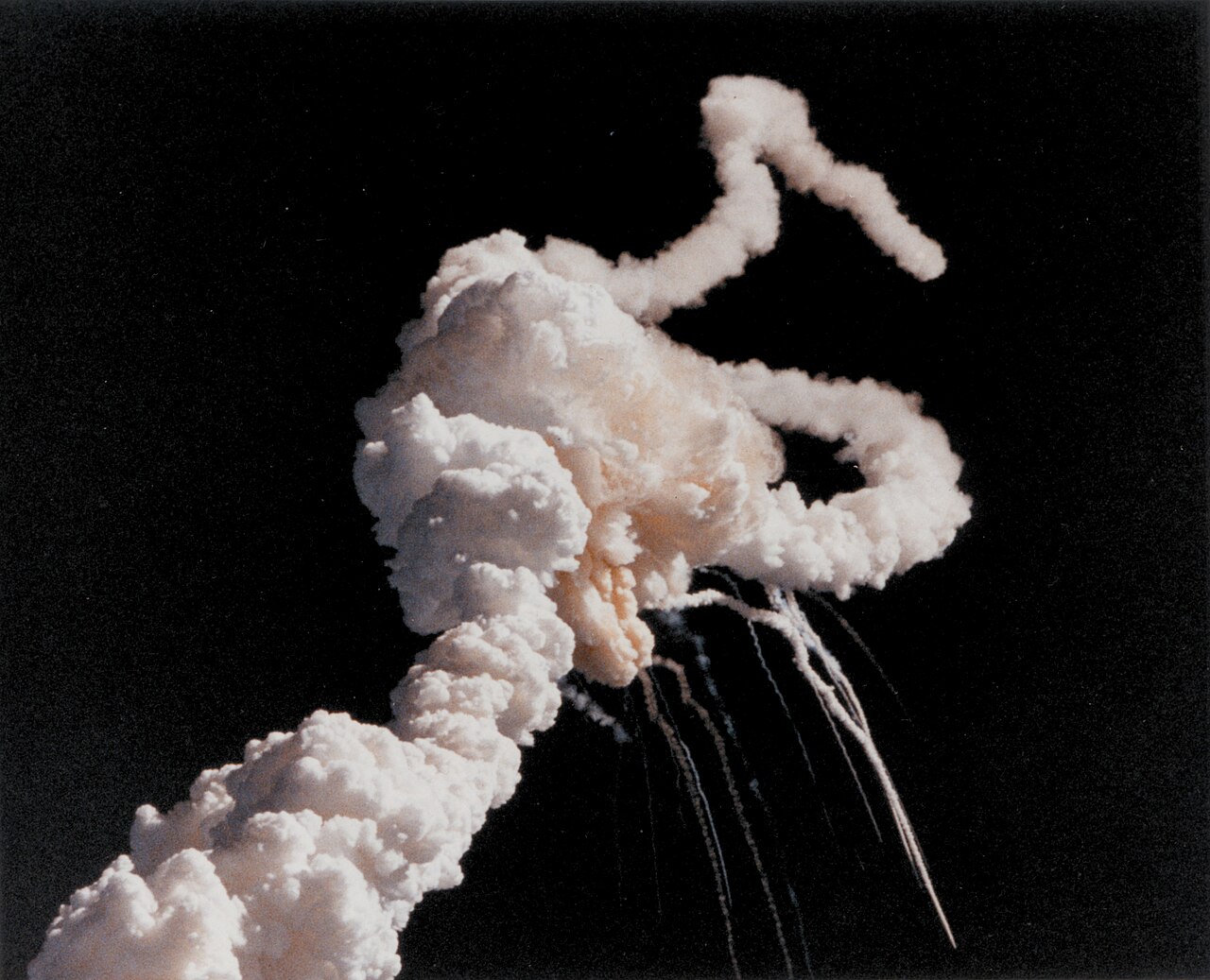
The Challenger disaster, which occurred on January 28, 1986, was a pivotal moment in the history of space exploration. The Space Shuttle Challenger, carrying a crew of seven, including Christa McAuliffe, a member of the Teacher in Space Project, disintegrated just 73 seconds after launch due to a faulty O-ring in one of the solid rocket boosters. This tragic event resulted in the loss of all crew members and led to a 32-month hiatus in shuttle flights. The disaster was widely reported and sparked a national debate about the safety and reliability of the Space Shuttle program. An investigation by the Rogers Commission, led by William P. Rogers, identified a combination of technical and organizational failures that contributed to the disaster. The Challenger disaster had a significant impact on the space program, leading to major reforms and improvements in safety procedures, with a vibe score of 8.2, reflecting its enduring cultural resonance and the ongoing influence of the disaster on the space industry.
🚀 Introduction to the Challenger Disaster
The Challenger disaster was a pivotal moment in the history of space exploration. On January 28, 1986, the Space Shuttle Challenger broke apart just 73 seconds into its flight, resulting in the loss of all seven crew members. This tragic event was the first fatal accident involving an American spacecraft while in flight, and it had a profound impact on the Space Shuttle Program and the National Aeronautics and Space Administration (NASA). The disaster led to a significant overhaul of the space shuttle program, with a renewed focus on safety and risk management. As noted by Roger Boisjoly, a engineer who warned about the potential dangers of the O-ring design, the disaster was a wake-up call for the industry. The Challenger Disaster also raised questions about the role of private space companies in the space industry.
📆 Historical Context of the Challenger Space Shuttle
The Challenger space shuttle was part of the Space Shuttle Program, which was launched in the 1980s to provide a reusable and cost-effective way to access space. The program was designed to support a wide range of missions, from deploying satellites to conducting scientific research. The Challenger Space Shuttle was one of the most iconic spacecraft of its time, and its crew included some of the most experienced and talented astronauts in the world, such as Christa McAuliffe, who was part of the Teacher in Space Project. The Space Shuttle Program was a major achievement for NASA, but it was not without its challenges and controversies, including the Apollo 1 disaster and the Columbia Disaster.
🚫 The Accident: What Happened on January 28, 1986
The accident occurred on January 28, 1986, at 16:39:13 UTC, when the Challenger space shuttle broke apart just 46,000 feet above the Atlantic Ocean, off the coast of Cape Canaveral, Florida. The disaster was witnessed by millions of people around the world, and it was a traumatic event for the families of the crew members and the wider space community. The Challenger Disaster was a major setback for the Space Shuttle Program, but it also led to significant improvements in safety and risk management. The disaster was investigated by the Rogers Commission, which identified a number of technical and organizational failures that contributed to the accident. The Rogers Commission Report was a landmark document that highlighted the need for greater transparency and accountability in the space industry.
🤔 Investigating the Cause: The Rogers Commission Report
The Rogers Commission Report was a comprehensive investigation into the causes of the Challenger disaster. The report identified a number of technical failures, including the failure of the O-rings in the solid rocket boosters, which allowed hot gases to escape and ignite the fuel tank. The report also highlighted a number of organizational failures, including a culture of silence and a lack of communication between engineers and managers. The Rogers Commission Report was a major milestone in the history of space exploration, and it led to significant reforms in the Space Shuttle Program. The report also raised questions about the role of private space companies in the space industry, and the need for greater transparency and accountability. As noted by Elon Musk, the founder of SpaceX, the Challenger Disaster was a wake-up call for the industry, and it highlighted the need for greater investment in safety and risk management.
📊 Technical Failures: The Role of O-Rings and Solid Rocket Boosters
The technical failures that contributed to the Challenger disaster were complex and multifaceted. The failure of the O-rings in the solid rocket boosters was a critical factor, as it allowed hot gases to escape and ignite the fuel tank. The Solid Rocket Boosters were a critical component of the Space Shuttle system, and their failure was a major contributor to the disaster. The O-Ring Failure was a preventable accident, and it highlighted the need for greater attention to detail and quality control in the space industry. The Challenger Disaster also raised questions about the role of NASA in the space industry, and the need for greater transparency and accountability. As noted by Neil Armstrong, the first man to walk on the moon, the Challenger Disaster was a tragic event, but it also led to significant improvements in safety and risk management.
🚀 Space Shuttle Program: Impact of the Challenger Disaster
The Space Shuttle Program was significantly impacted by the Challenger disaster. The program was grounded for nearly three years, and it underwent a major overhaul to address the technical and organizational failures that contributed to the accident. The Space Shuttle Program was eventually resumed, but it was never the same. The disaster led to a significant increase in costs and a decrease in public support for the program. The Challenger Disaster also raised questions about the role of private space companies in the space industry, and the need for greater investment in safety and risk management. As noted by Jeff Bezos, the founder of Blue Origin, the Challenger Disaster was a wake-up call for the industry, and it highlighted the need for greater attention to detail and quality control.
👥 Crew Profiles: Remembering the Lives Lost
The crew of the Challenger space shuttle was a diverse and talented group of individuals. The crew included Christa McAuliffe, a teacher and member of the Teacher in Space Project, as well as Francis Scobee, the commander of the mission. The crew also included Michael Smith, Judith Resnik, Ellison Onizuka, Ronald McNair, and Sharon McAuliffe. The Challenger Crew was a tight-knit group, and their loss was felt deeply by the space community. The Challenger Disaster also raised questions about the role of NASA in the space industry, and the need for greater transparency and accountability. As noted by Sally Ride, the first American woman in space, the Challenger Disaster was a tragic event, but it also led to significant improvements in safety and risk management.
📝 Aftermath and Reforms: Improving Space Shuttle Safety
The aftermath of the Challenger disaster was marked by a period of intense scrutiny and reform. The Rogers Commission report led to significant changes in the Space Shuttle Program, including the implementation of new safety procedures and the redesign of the solid rocket boosters. The disaster also led to a significant increase in funding for the Space Shuttle Program, as well as a renewed focus on safety and risk management. The Challenger Disaster also raised questions about the role of private space companies in the space industry, and the need for greater investment in safety and risk management. As noted by Richard Branson, the founder of Virgin Galactic, the Challenger Disaster was a wake-up call for the industry, and it highlighted the need for greater attention to detail and quality control.
📊 Cost of the Disaster: Financial and Emotional Toll
The cost of the Challenger disaster was significant, both financially and emotionally. The disaster led to a significant increase in costs for the Space Shuttle Program, as well as a decrease in public support for the program. The disaster also had a profound impact on the families of the crew members, who were left to pick up the pieces and move on from the tragedy. The Challenger Disaster also raised questions about the role of NASA in the space industry, and the need for greater transparency and accountability. As noted by Buzz Aldrin, the second man to walk on the moon, the Challenger Disaster was a tragic event, but it also led to significant improvements in safety and risk management.
🔍 Legacy of the Challenger Disaster: Lessons Learned
The legacy of the Challenger disaster is complex and multifaceted. The disaster led to significant improvements in safety and risk management, as well as a renewed focus on the importance of transparency and accountability in the space industry. The Challenger Disaster also raised questions about the role of private space companies in the space industry, and the need for greater investment in safety and risk management. As noted by Elon Musk, the founder of SpaceX, the Challenger Disaster was a wake-up call for the industry, and it highlighted the need for greater attention to detail and quality control. The Challenger Disaster also led to significant advances in space technology, including the development of new materials and propulsion systems.
🚀 Future of Space Exploration: How Challenger Shaped the Industry
The future of space exploration is uncertain, but one thing is clear: the Challenger disaster will always be remembered as a pivotal moment in the history of space travel. The disaster led to significant improvements in safety and risk management, as well as a renewed focus on the importance of transparency and accountability in the space industry. The Challenger Disaster also raised questions about the role of private space companies in the space industry, and the need for greater investment in safety and risk management. As noted by Jeff Bezos, the founder of Blue Origin, the Challenger Disaster was a wake-up call for the industry, and it highlighted the need for greater attention to detail and quality control. The Challenger Disaster will always be remembered as a tragic event, but it also led to significant improvements in safety and risk management, and it paved the way for the next generation of space explorers.
Key Facts
- Year
- 1986
- Origin
- Kennedy Space Center, Florida
- Category
- Space Exploration
- Type
- Event
Frequently Asked Questions
What was the cause of the Challenger disaster?
The cause of the Challenger disaster was a complex combination of technical and organizational failures, including the failure of the O-rings in the solid rocket boosters and a culture of silence and lack of communication between engineers and managers. The Rogers Commission Report identified a number of contributing factors, including the failure of the O-rings, the design of the solid rocket boosters, and the lack of communication between engineers and managers. The disaster was a preventable accident, and it highlighted the need for greater attention to detail and quality control in the space industry.
Who was on the crew of the Challenger space shuttle?
The crew of the Challenger space shuttle included Christa McAuliffe, Francis Scobee, Michael Smith, Judith Resnik, Ellison Onizuka, Ronald McNair, and Sharon McAuliffe. The crew was a diverse and talented group of individuals, and their loss was felt deeply by the space community. The Challenger Crew was a tight-knit group, and their legacy lives on in the history of space exploration.
What was the impact of the Challenger disaster on the Space Shuttle Program?
The Challenger disaster had a significant impact on the Space Shuttle Program. The program was grounded for nearly three years, and it underwent a major overhaul to address the technical and organizational failures that contributed to the accident. The disaster led to a significant increase in costs and a decrease in public support for the program. The Challenger Disaster also raised questions about the role of private space companies in the space industry, and the need for greater investment in safety and risk management.
What were the main findings of the Rogers Commission Report?
The Rogers Commission Report identified a number of technical and organizational failures that contributed to the Challenger disaster. The report found that the failure of the O-rings in the solid rocket boosters was a critical factor, and that a culture of silence and lack of communication between engineers and managers contributed to the accident. The report also highlighted the need for greater transparency and accountability in the space industry, and it led to significant reforms in the Space Shuttle Program.
How did the Challenger disaster affect the families of the crew members?
The Challenger disaster had a profound impact on the families of the crew members. The disaster led to a significant increase in emotional and financial support for the families, and it raised questions about the role of NASA in supporting the families of astronauts. The Challenger Disaster also highlighted the need for greater attention to the emotional and psychological well-being of astronauts and their families. As noted by Sally Ride, the first American woman in space, the Challenger Disaster was a tragic event, but it also led to significant improvements in safety and risk management.