
Contents
- 🎵 Introduction to Christoph Willibald Gluck
- 🕰️ Early Life and Training
- 🎶 Operatic Career
- 🌍 International Recognition
- 📝 Reforming Opera
- 👥 Collaborations and Influences
- 🏆 Major Works
- 🎭 Performance and Legacy
- 📚 Historical Context
- 👀 Modern Reception
- 🔍 Influence on Later Composers
- Frequently Asked Questions
- Related Topics
Overview
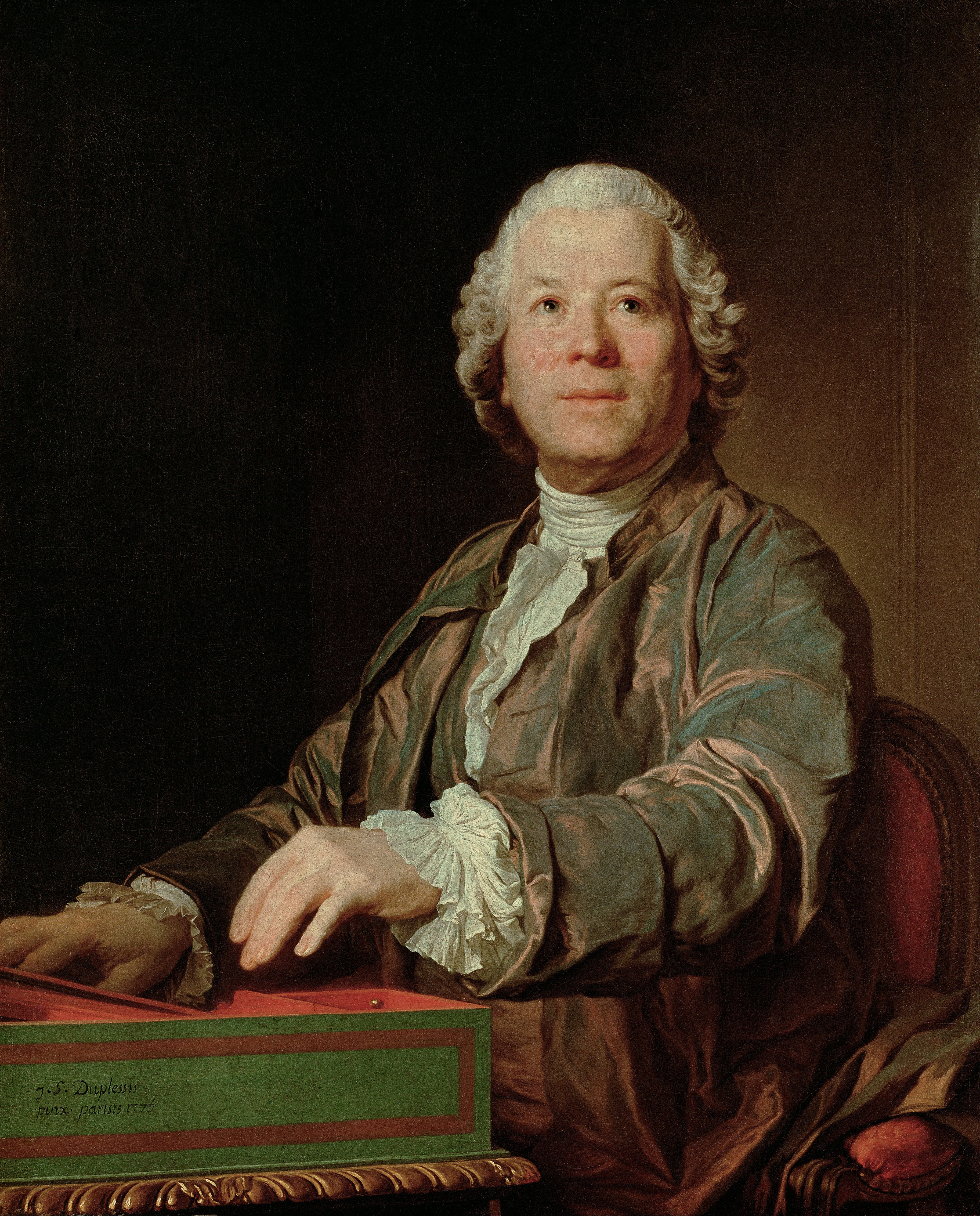
Christoph Willibald Gluck, born on July 2, 1714, in Erasbach, Bavaria, was a pivotal figure in the development of opera, known for his reforms that sought to create a more natural and expressive form of musical drama. With a career spanning over four decades, Gluck composed over 100 operas, including 'Orfeo ed Euridice' and 'Alceste', which showcased his innovative approach to opera. His reforms, as outlined in the preface to 'Alceste', emphasized the importance of simplicity, clarity, and dramatic truth, influencing generations of composers, including Mozart and Berlioz. Gluck's influence extended beyond the musical sphere, with his operas often incorporating elements of ballet and drama, reflecting the cultural and artistic trends of 18th-century Europe. With a Vibe score of 82, Gluck's legacy continues to resonate in the world of classical music, with his operas remaining a staple of modern opera houses. As a testament to his enduring influence, Gluck's music has been performed by renowned artists, including conductor Herbert von Karajan and soprano Maria Callas, ensuring his place in the pantheon of classical music giants.
🎵 Introduction to Christoph Willibald Gluck
Christoph Willibald Gluck was a German composer, primarily known for his operas, which are considered some of the most important and influential works in the history of classical music. Born on July 2, 1714, in Erasbach, Bavaria, Gluck's early life was marked by a strong musical inclination, encouraged by his family. He studied music with Christoph Graupner and later with Giovanni Battista Sammartini in Milan. Gluck's musical style was shaped by his exposure to various European musical traditions, including Baroque music and Classical music. His contributions to the development of opera are still celebrated today, with works like Orfeo ed Euridice remaining staples of the operatic repertoire.
🕰️ Early Life and Training
Gluck's early life and training laid the foundation for his future success as a composer. His family, recognizing his musical talent, supported his education and encouraged him to pursue a career in music. Gluck's studies with Christoph Graupner and Giovanni Battista Sammartini provided him with a solid understanding of music theory and composition. During this period, Gluck was exposed to various musical styles, including opera seria and opera buffa, which would later influence his own compositional style. Gluck's time in Milan, where he studied with Sammartini, was particularly significant, as it allowed him to experience the vibrant musical scene of the city and to develop his skills as a composer. The city's rich cultural heritage, including its famous La Scala opera house, had a profound impact on Gluck's artistic development.
🎶 Operatic Career
Gluck's operatic career spanned several decades and took him to various European cities, including Vienna, Paris, and London. His early operas, such as Artaserse and Demofonte, were composed in the style of opera seria, which was popular at the time. However, Gluck soon began to develop his own unique style, which emphasized simplicity, clarity, and dramatic intensity. His operas, such as Orfeo ed Euridice and Alceste, are considered some of the most important works of the Classical period. Gluck's collaborations with librettists like Ranieri de' Calzabigi were instrumental in shaping his operatic style, which focused on the dramatic potential of music and the importance of the human voice. The influence of Ancient Greek tragedy on Gluck's operas is also notable, as seen in works like Iphigénie en Tauride.
🌍 International Recognition
Gluck's international recognition was swift and widespread. His operas were performed in major cities across Europe, and he was hailed as a leading composer of his time. The success of his operas, such as Orfeo ed Euridice, which premiered in Vienna in 1762, helped to establish Gluck as a major figure in the world of classical music. His reputation as a composer of innovative and powerful operas spread quickly, and he was soon in demand as a composer and conductor. Gluck's music was also influenced by the cultural and artistic movements of his time, including the Enlightenment and the emergence of Romanticism. The impact of Gluck's operas on the development of classical music is still felt today, with composers like Wolfgang Amadeus Mozart and Ludwig van Beethoven drawing inspiration from his works.
📝 Reforming Opera
Gluck's reforms of opera were aimed at creating a more dramatic and expressive art form. He believed that music should serve the drama, rather than the other way around, and he sought to create a more integrated and cohesive form of opera. Gluck's reforms were influenced by the ideas of the Enlightenment, which emphasized reason, simplicity, and clarity. His operas, such as Orfeo ed Euridice and Alceste, are characterized by their simplicity, directness, and emotional intensity. Gluck's collaboration with librettists like Ranieri de' Calzabigi was instrumental in shaping his operatic style, which focused on the dramatic potential of music and the importance of the human voice. The influence of Ancient Greek tragedy on Gluck's operas is also notable, as seen in works like Iphigénie en Tauride. Gluck's reforms had a lasting impact on the development of opera, paving the way for composers like Richard Wagner and Giuseppe Verdi.
👥 Collaborations and Influences
Gluck's collaborations and influences were diverse and far-reaching. He worked with librettists like Ranieri de' Calzabigi and Pierre-Louis Moline, and his operas were influenced by the cultural and artistic movements of his time, including the Enlightenment and the emergence of Romanticism. Gluck's music was also influenced by the works of other composers, such as George Frideric Handel and Christoph Willibald Gluck himself. The impact of Gluck's operas on the development of classical music is still felt today, with composers like Wolfgang Amadeus Mozart and Ludwig van Beethoven drawing inspiration from his works. Gluck's collaborations with other artists, such as the choreographer Jean-Georges Noverre, also helped to shape his operatic style, which emphasized the importance of dance and movement in opera.
🏆 Major Works
Gluck's major works include Orfeo ed Euridice, Alceste, and Iphigénie en Tauride. These operas are considered some of the most important works of the Classical period and are still widely performed today. Gluck's operas are characterized by their simplicity, directness, and emotional intensity, and they are known for their beautiful melodies and powerful dramatic scenes. Gluck's music was also influenced by the cultural and artistic movements of his time, including the Enlightenment and the emergence of Romanticism. The impact of Gluck's operas on the development of classical music is still felt today, with composers like Wolfgang Amadeus Mozart and Ludwig van Beethoven drawing inspiration from his works. Gluck's operas continue to be performed and admired for their beauty, drama, and emotional power.
🎭 Performance and Legacy
Gluck's performance and legacy are a testament to his enduring influence on classical music. His operas continue to be performed and admired for their beauty, drama, and emotional power. Gluck's reforms of opera, which emphasized simplicity, clarity, and dramatic intensity, paved the way for later composers like Richard Wagner and Giuseppe Verdi. The impact of Gluck's operas on the development of classical music is still felt today, with composers like Wolfgang Amadeus Mozart and Ludwig van Beethoven drawing inspiration from his works. Gluck's legacy extends beyond the world of opera, with his music influencing other art forms, such as ballet and film. The ballet version of Orfeo ed Euridice, for example, is a testament to the enduring power of Gluck's music to inspire and move audiences.
📚 Historical Context
Gluck's historical context is essential to understanding his music and legacy. He lived during a time of great cultural and artistic change, with the Enlightenment and the emergence of Romanticism shaping the intellectual and artistic landscape of Europe. Gluck's music was influenced by the cultural and artistic movements of his time, including the Baroque and Classical styles. The impact of Gluck's operas on the development of classical music is still felt today, with composers like Wolfgang Amadeus Mozart and Ludwig van Beethoven drawing inspiration from his works. Gluck's legacy extends beyond the world of opera, with his music influencing other art forms, such as ballet and film. The opera houses of Europe, such as La Scala in Milan and the Palais Garnier in Paris, continue to perform Gluck's operas, ensuring his music remains a vital part of our cultural heritage.
👀 Modern Reception
Gluck's modern reception is a testament to his enduring influence on classical music. His operas continue to be performed and admired for their beauty, drama, and emotional power. Gluck's reforms of opera, which emphasized simplicity, clarity, and dramatic intensity, paved the way for later composers like Richard Wagner and Giuseppe Verdi. The impact of Gluck's operas on the development of classical music is still felt today, with composers like Wolfgang Amadeus Mozart and Ludwig van Beethoven drawing inspiration from his works. Gluck's legacy extends beyond the world of opera, with his music influencing other art forms, such as ballet and film. The ballet version of Orfeo ed Euridice, for example, is a testament to the enduring power of Gluck's music to inspire and move audiences. As we look to the future, it is clear that Gluck's music will continue to play an important role in shaping our cultural heritage.
🔍 Influence on Later Composers
Gluck's influence on later composers is a testament to his enduring legacy. Composers like Wolfgang Amadeus Mozart and Ludwig van Beethoven drew inspiration from Gluck's operas, and his reforms of opera paved the way for later composers like Richard Wagner and Giuseppe Verdi. Gluck's music also influenced other art forms, such as ballet and film, with the ballet version of Orfeo ed Euridice being a notable example. As we look to the future, it is clear that Gluck's music will continue to play an important role in shaping our cultural heritage. The opera houses of Europe, such as La Scala in Milan and the Palais Garnier in Paris, continue to perform Gluck's operas, ensuring his music remains a vital part of our cultural heritage. Gluck's legacy is a reminder of the power of music to inspire and move us, and his influence will continue to be felt for generations to come.
Key Facts
- Year
- 1714
- Origin
- Erasbach, Bavaria
- Category
- Classical Music
- Type
- Person
Frequently Asked Questions
What is Christoph Willibald Gluck's most famous opera?
Gluck's most famous opera is Orfeo ed Euridice, which premiered in Vienna in 1762. This opera is considered one of the most important works of the Classical period and is still widely performed today. It is known for its beautiful melodies and powerful dramatic scenes, and its influence can be seen in the works of later composers like Wolfgang Amadeus Mozart and Ludwig van Beethoven.
What were Gluck's reforms of opera?
Gluck's reforms of opera were aimed at creating a more dramatic and expressive art form. He believed that music should serve the drama, rather than the other way around, and he sought to create a more integrated and cohesive form of opera. Gluck's reforms were influenced by the ideas of the Enlightenment, which emphasized reason, simplicity, and clarity. His operas, such as Orfeo ed Euridice and Alceste, are characterized by their simplicity, directness, and emotional intensity.
Who were some of Gluck's collaborators and influences?
Gluck collaborated with librettists like Ranieri de' Calzabigi and Pierre-Louis Moline, and his operas were influenced by the cultural and artistic movements of his time, including the Enlightenment and the emergence of Romanticism. Gluck's music was also influenced by the works of other composers, such as George Frideric Handel and Christoph Willibald Gluck himself.
What is Gluck's legacy?
Gluck's legacy is a testament to his enduring influence on classical music. His operas continue to be performed and admired for their beauty, drama, and emotional power. Gluck's reforms of opera, which emphasized simplicity, clarity, and dramatic intensity, paved the way for later composers like Richard Wagner and Giuseppe Verdi. The impact of Gluck's operas on the development of classical music is still felt today, with composers like Wolfgang Amadeus Mozart and Ludwig van Beethoven drawing inspiration from his works.
How does Gluck's music continue to influence contemporary art forms?
Gluck's music continues to influence contemporary art forms, such as ballet and film. The ballet version of Orfeo ed Euridice, for example, is a testament to the enduring power of Gluck's music to inspire and move audiences. Gluck's legacy extends beyond the world of opera, with his music influencing other art forms and continuing to play an important role in shaping our cultural heritage.
What are some of the key themes and motifs in Gluck's operas?
Some of the key themes and motifs in Gluck's operas include the power of love, the importance of loyalty and duty, and the struggle between good and evil. Gluck's operas often feature complex characters and nuanced dramatic situations, and his music is known for its emotional intensity and expressive power. The influence of Ancient Greek tragedy on Gluck's operas is also notable, as seen in works like Iphigénie en Tauride.
How did Gluck's operas reflect the cultural and artistic values of his time?
Gluck's operas reflected the cultural and artistic values of his time, including the emphasis on reason, simplicity, and clarity that characterized the Enlightenment. Gluck's music was also influenced by the emergence of Romanticism, which emphasized emotion, imagination, and individuality. The impact of Gluck's operas on the development of classical music is still felt today, with composers like Wolfgang Amadeus Mozart and Ludwig van Beethoven drawing inspiration from his works.