
Contents
- 🔥 Introduction to Gunpowder
- 🌎 The Ancient Roots of Gunpowder
- 🏯 The Chinese Alchemists
- 📚 The Writings of Wei Boyang
- 🔪 The Military Applications of Gunpowder
- 🚀 The Spread of Gunpowder Across the Globe
- 💣 The Impact of Gunpowder on Warfare
- 🔍 The Chemistry of Gunpowder
- 📊 The Economics of Gunpowder Production
- 🕊️ The Social Consequences of Gunpowder
- 🔮 The Future of Gunpowder
- Frequently Asked Questions
- Related Topics
Overview
The development of gunpowder, a mixture of saltpeter, sulfur, and charcoal, is attributed to Chinese alchemists during the 9th century, with the first recorded use in firearms around 1132. This invention, with a vibe score of 8, would go on to revolutionize warfare, influencing major historical events such as the Mongol conquests and the Hundred Years' War. The spread of gunpowder technology across the globe, facilitated by the Silk Road and other trade routes, exemplifies the concept of influence flows, where ideas and innovations propagate from one entity to another. The controversy surrounding gunpowder's use in warfare, particularly its role in the decline of feudalism and the rise of modern nation-states, underscores the complex and multifaceted nature of this topic. As we look to the future, it is essential to consider the ongoing impact of gunpowder and its derivatives on modern society, from the development of new firearms to the environmental concerns surrounding their use. With a controversy spectrum rating of 6, the development of gunpowder remains a highly debated and contested topic, with optimists viewing it as a crucial innovation in the history of warfare, while pessimists lament its devastating consequences.
🔥 Introduction to Gunpowder
The development of gunpowder is a story that spans centuries and continents. It begins with the ancient Chinese alchemists who sought to create an elixir of life, but instead discovered a powerful explosive mixture. The earliest known reference to gunpowder is found in the writings of Chinese Alchemy texts from the 9th century. These early experiments with gunpowder were often shrouded in secrecy, but they paved the way for the development of modern firearms. The study of gunpowder is closely tied to the history of Firearms, which has had a profound impact on human conflict. As we explore the history of gunpowder, we must also consider the cultural and social context in which it was developed, including the influence of Taoism and Confucianism.
🌎 The Ancient Roots of Gunpowder
The ancient roots of gunpowder can be traced back to the Tang Dynasty in China, where alchemists were experimenting with various combinations of saltpeter, sulfur, and charcoal. These early experiments were often driven by a desire to create an elixir of life or to achieve spiritual enlightenment. The writings of Wei Boyang, a Chinese alchemist from the 2nd century, provide valuable insights into the early development of gunpowder. Wei Boyang's work, Zhouyi Cantong Qi, describes a mixture of saltpeter, sulfur, and charcoal that is remarkably similar to modern gunpowder. The development of gunpowder was also influenced by the work of other Chinese alchemists, such as Ge Hong, who wrote about the use of saltpeter in Chinese Medicine.
🏯 The Chinese Alchemists
The Chinese alchemists who developed gunpowder were a secretive and often mysterious group. They were driven by a desire to unlock the secrets of nature and to achieve spiritual enlightenment. The work of these alchemists was often shrouded in mystery, but their discoveries had a profound impact on the course of human history. The development of gunpowder is closely tied to the history of Chinese Science, which has a long tradition of innovation and discovery. The study of gunpowder also raises important questions about the ethics of scientific discovery, particularly in the context of Military Technology.
📚 The Writings of Wei Boyang
The writings of Wei Boyang provide a unique window into the early development of gunpowder. His work, Zhouyi Cantong Qi, describes a mixture of saltpeter, sulfur, and charcoal that is remarkably similar to modern gunpowder. Wei Boyang's writings also provide insights into the spiritual and philosophical context in which gunpowder was developed. The development of gunpowder was not just a practical exercise, but also a spiritual one. The Chinese alchemists who developed gunpowder believed that they were unlocking the secrets of nature and achieving a deeper understanding of the universe. This spiritual context is closely tied to the principles of Taoist Alchemy and the concept of Wu Wei.
🔪 The Military Applications of Gunpowder
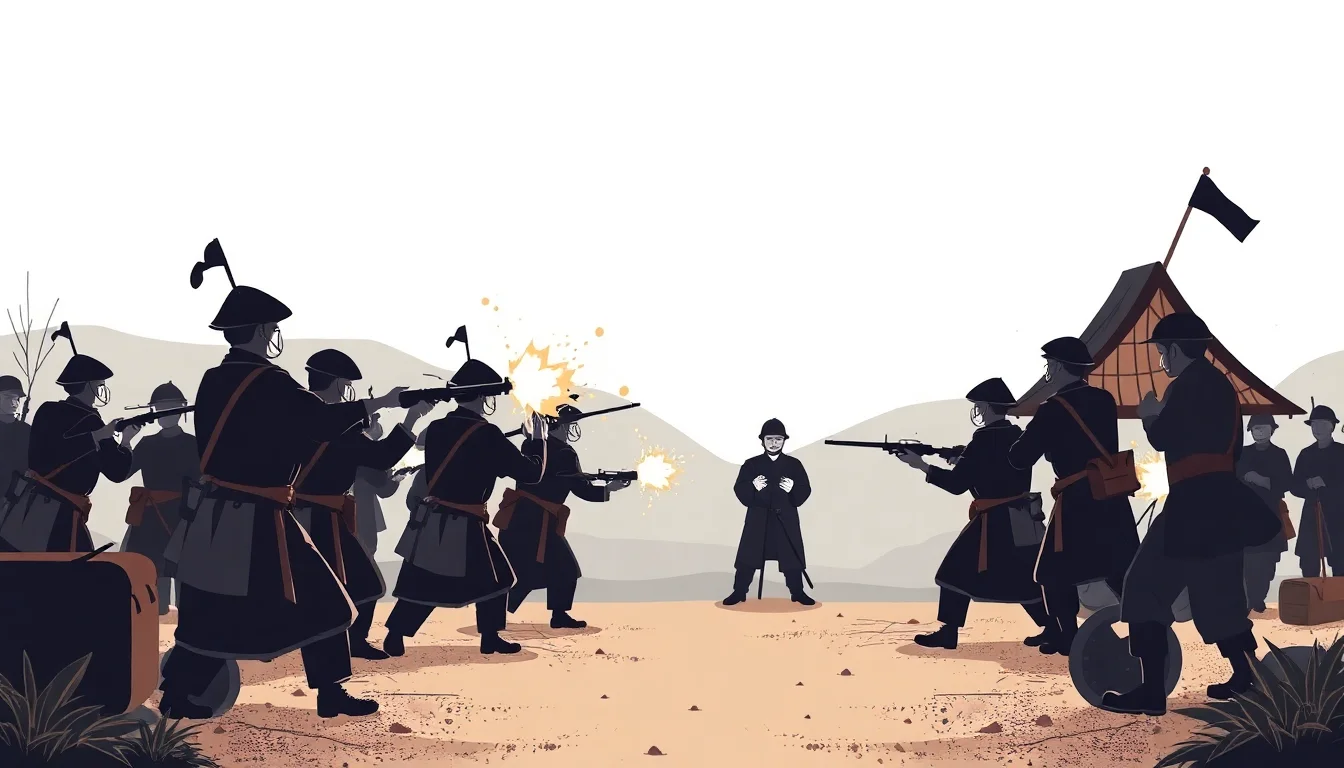
The military applications of gunpowder were quickly recognized by the Chinese. The first firearms, such as the Fire Lance, were developed in the 10th century. These early firearms were often cumbersome and unreliable, but they marked the beginning of a new era in warfare. The development of gunpowder had a profound impact on the course of human conflict, particularly in the context of Medieval Warfare. The study of gunpowder also raises important questions about the role of Technology in War and the ethics of military innovation. As we consider the military applications of gunpowder, we must also examine the impact of Gunpowder Empires on global politics and society.
🚀 The Spread of Gunpowder Across the Globe
The spread of gunpowder across the globe was a gradual process that spanned centuries. The first firearms were introduced to Europe in the 13th century, where they were met with a mixture of fascination and fear. The development of gunpowder had a profound impact on the course of European history, particularly in the context of Renaissance Warfare. The study of gunpowder also raises important questions about the role of Globalization in the spread of technology and the impact of Colonialism on indigenous societies. As we consider the global spread of gunpowder, we must also examine the influence of Islamic Golden Age on the development of firearms and the role of Trade Routes in the exchange of ideas and technologies.
💣 The Impact of Gunpowder on Warfare
The impact of gunpowder on warfare was profound. The development of firearms revolutionized the nature of combat, making it possible for armies to inflict massive casualties on each other. The study of gunpowder also raises important questions about the role of Technology in War and the ethics of military innovation. As we consider the impact of gunpowder on warfare, we must also examine the impact of Total War on civilian populations and the role of War Crimes in modern conflict. The development of gunpowder has also had a profound impact on the development of Modern Nation-States and the concept of National Security.
🔍 The Chemistry of Gunpowder
The chemistry of gunpowder is complex and fascinating. The mixture of saltpeter, sulfur, and charcoal that makes up gunpowder is a highly reactive combination that can be ignited with a spark. The study of gunpowder chemistry has led to a deeper understanding of the principles of Chemical Reactions and the properties of Explosives. As we consider the chemistry of gunpowder, we must also examine the role of Alchemical Theory in the development of modern chemistry and the influence of Aristotelian Physics on the understanding of matter and energy.
📊 The Economics of Gunpowder Production
The economics of gunpowder production were complex and often influenced by political and social factors. The production of gunpowder required large quantities of saltpeter, which was often in short supply. The study of gunpowder production also raises important questions about the role of Global Economy in the development of technology and the impact of Colonialism on indigenous societies. As we consider the economics of gunpowder production, we must also examine the influence of Mercantilism on the development of modern capitalism and the role of State Sponsored Industry in the production of military technologies.
🔮 The Future of Gunpowder
The future of gunpowder is uncertain. While the development of modern firearms has led to a significant decrease in the use of gunpowder, it remains an important component of many military technologies. The study of gunpowder also raises important questions about the role of Emerging Technologies in the development of modern warfare and the impact of Artificial Intelligence on the future of conflict. As we consider the future of gunpowder, we must also examine the influence of International Relations on the development of global security policies and the role of Diplomacy in preventing conflict.
Key Facts
- Year
- 1132
- Origin
- China
- Category
- History of Science and Technology
- Type
- Historical Event
Frequently Asked Questions
What is the earliest known reference to gunpowder?
The earliest known reference to gunpowder is found in the writings of Chinese Alchemy texts from the 9th century. These early experiments with gunpowder were often shrouded in secrecy, but they paved the way for the development of modern firearms. The study of gunpowder is closely tied to the history of Firearms, which has had a profound impact on human conflict. As we explore the history of gunpowder, we must also consider the cultural and social context in which it was developed, including the influence of Taoism and Confucianism.
Who is credited with the development of gunpowder?
The development of gunpowder is credited to the Chinese alchemists, particularly Wei Boyang, who wrote about a mixture of saltpeter, sulfur, and charcoal that is remarkably similar to modern gunpowder. The development of gunpowder was not just a practical exercise, but also a spiritual one. The Chinese alchemists who developed gunpowder believed that they were unlocking the secrets of nature and achieving a deeper understanding of the universe. This spiritual context is closely tied to the principles of Taoist Alchemy and the concept of Wu Wei.
What were the military applications of gunpowder?
The military applications of gunpowder were quickly recognized by the Chinese. The first firearms, such as the Fire Lance, were developed in the 10th century. These early firearms were often cumbersome and unreliable, but they marked the beginning of a new era in warfare. The development of gunpowder had a profound impact on the course of human conflict, particularly in the context of Medieval Warfare. The study of gunpowder also raises important questions about the role of Technology in War and the ethics of military innovation.
How did gunpowder spread across the globe?
The spread of gunpowder across the globe was a gradual process that spanned centuries. The first firearms were introduced to Europe in the 13th century, where they were met with a mixture of fascination and fear. The development of gunpowder had a profound impact on the course of European history, particularly in the context of Renaissance Warfare. The study of gunpowder also raises important questions about the role of Globalization in the spread of technology and the impact of Colonialism on indigenous societies.
What is the future of gunpowder?
The future of gunpowder is uncertain. While the development of modern firearms has led to a significant decrease in the use of gunpowder, it remains an important component of many military technologies. The study of gunpowder also raises important questions about the role of Emerging Technologies in the development of modern warfare and the impact of Artificial Intelligence on the future of conflict. As we consider the future of gunpowder, we must also examine the influence of International Relations on the development of global security policies and the role of Diplomacy in preventing conflict.
What are the social consequences of gunpowder?
The social consequences of gunpowder were far-reaching and profound. The development of firearms led to a significant increase in the number of casualties in warfare, and the impact of gunpowder on civilian populations was often devastating. The study of gunpowder also raises important questions about the role of War and Society and the impact of Militarism on human culture. As we consider the social consequences of gunpowder, we must also examine the influence of Pacifism on the development of modern society and the role of Anti-War Movements in shaping public opinion.
What is the chemistry of gunpowder?
The chemistry of gunpowder is complex and fascinating. The mixture of saltpeter, sulfur, and charcoal that makes up gunpowder is a highly reactive combination that can be ignited with a spark. The study of gunpowder chemistry has led to a deeper understanding of the principles of Chemical Reactions and the properties of Explosives. As we consider the chemistry of gunpowder, we must also examine the role of Alchemical Theory in the development of modern chemistry and the influence of Aristotelian Physics on the understanding of matter and energy.