
Contents
- 🔍 Introduction to Differential Diagnosis
- 💡 The Nomothetic Approach
- 👨⚕️ The Role of Clinicians in Differential Diagnosis
- 📝 Differential Diagnostic Procedures
- 🤔 Considering Imminently Life-Threatening Conditions
- 📊 The Process of Differential Diagnosis
- 📈 Common Challenges in Differential Diagnosis
- 📊 The Importance of Medical History in Differential Diagnosis
- 👥 Collaboration in Differential Diagnosis
- 🔬 The Future of Differential Diagnosis
- 📚 Conclusion
- Frequently Asked Questions
- Related Topics
Overview
Differential diagnosis is a critical process in medicine where healthcare professionals systematically evaluate a patient's symptoms to identify the underlying cause of their condition. This intricate process involves considering multiple potential diagnoses, weighing the likelihood of each, and ruling out alternatives through a combination of physical examinations, laboratory tests, and patient history. The challenge lies in symptom overlap, where different conditions present with similar symptoms, making it essential to approach each case with a meticulous and open-minded perspective. According to a study published in the Journal of General Internal Medicine, the average number of potential diagnoses considered during a differential diagnosis is around 5-7. The process is not only about reaching a diagnosis but also about understanding the patient's unique presentation and how it fits into the broader context of medical knowledge. As Dr. Jerome Groopman, a renowned expert in the field, notes, 'The art of differential diagnosis is not just about making a list of possible causes, but about understanding the narrative of the patient's illness.' With the advancement of technology and the increasing availability of medical data, differential diagnosis is becoming more refined, yet the core principle remains the same - to provide accurate and timely diagnoses that lead to effective treatment plans. The Vibe score for differential diagnosis is 8, reflecting its significant cultural energy in the medical community, with a perspective breakdown that is generally optimistic about its potential to improve patient outcomes, but also acknowledges the challenges and controversies surrounding diagnostic uncertainty.
🔍 Introduction to Differential Diagnosis
Differential diagnosis is a crucial aspect of medical practice, allowing clinicians to distinguish between different diseases or conditions that present with similar clinical features. This process is essential in ensuring that patients receive accurate diagnoses and effective treatments. Diseases can be complex and multifaceted, and a thorough differential diagnosis is necessary to identify the underlying cause of a patient's symptoms. By considering multiple possible diagnoses, clinicians can develop a more comprehensive understanding of the patient's condition and provide targeted care. Medical Conditions such as diabetes, hypertension, and heart disease often require differential diagnosis to determine the underlying cause of symptoms. The process of differential diagnosis involves a combination of clinical evaluation, laboratory testing, and medical imaging, and is a critical component of Healthcare services.
💡 The Nomothetic Approach
The nomothetic approach is a method of analysis that is used in differential diagnosis to distinguish a particular disease or condition from others that present with similar clinical features. This approach involves the use of Medical Algorithms and decision trees to identify the most likely diagnosis. By considering the patient's symptoms, medical history, and test results, clinicians can narrow down the list of possible diagnoses and develop a treatment plan. Clinical Decision Support Systems can also be used to support the nomothetic approach, providing clinicians with access to evidence-based guidelines and diagnostic criteria. The nomothetic approach is an essential tool in differential diagnosis, allowing clinicians to provide accurate and effective care. Evidence Based Medicine is a key component of the nomothetic approach, ensuring that diagnoses and treatments are based on the best available evidence.
👨⚕️ The Role of Clinicians in Differential Diagnosis
Clinicians play a critical role in differential diagnosis, using their knowledge and expertise to evaluate patients and develop a list of possible diagnoses. The process of differential diagnosis requires a combination of clinical evaluation, laboratory testing, and medical imaging, and clinicians must be able to interpret the results of these tests and develop a treatment plan. Medical Education is essential in preparing clinicians for the challenges of differential diagnosis, providing them with the knowledge and skills necessary to evaluate patients and develop effective treatment plans. By considering multiple possible diagnoses, clinicians can provide patients with the best possible care and improve health outcomes. Patient Centered Care is an essential aspect of differential diagnosis, ensuring that patients are involved in the decision-making process and receive care that is tailored to their individual needs.
📝 Differential Diagnostic Procedures
Differential diagnostic procedures are used by clinicians to diagnose the specific disease in a patient, or, at least, to consider any imminently life-threatening conditions. These procedures may include Physical Examination, laboratory testing, and medical imaging, and are used to gather information about the patient's condition. By evaluating the results of these tests, clinicians can develop a list of possible diagnoses and narrow down the list to the most likely cause of the patient's symptoms. Diagnostic Testing is a critical component of differential diagnosis, providing clinicians with the information they need to develop a treatment plan. The results of these tests must be carefully interpreted, taking into account the patient's medical history and symptoms. Medical Imaging such as X-rays, CT scans, and MRI scans can also be used to support differential diagnosis, providing clinicians with detailed images of the patient's internal structures.
🤔 Considering Imminently Life-Threatening Conditions
Considering imminently life-threatening conditions is a critical aspect of differential diagnosis, as these conditions require prompt and effective treatment. Clinicians must be able to quickly evaluate patients and develop a list of possible diagnoses, taking into account the patient's symptoms, medical history, and test results. Emergency Medicine is a high-pressure field that requires clinicians to think quickly and make accurate diagnoses in a short amount of time. By considering multiple possible diagnoses, clinicians can provide patients with the best possible care and improve health outcomes. Critical Care Medicine is another area where differential diagnosis is critical, as patients in critical care units often have complex and life-threatening conditions that require prompt and effective treatment. Trauma Care also relies heavily on differential diagnosis, as clinicians must be able to quickly evaluate patients and develop a treatment plan.
📊 The Process of Differential Diagnosis
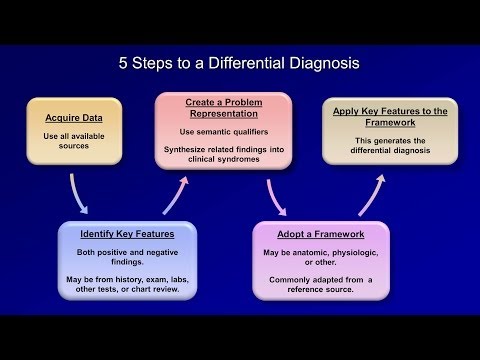
The process of differential diagnosis involves a combination of clinical evaluation, laboratory testing, and medical imaging, and is a critical component of healthcare services. By evaluating the results of these tests, clinicians can develop a list of possible diagnoses and narrow down the list to the most likely cause of the patient's symptoms. Clinical Judgment is an essential aspect of differential diagnosis, as clinicians must be able to interpret the results of tests and develop a treatment plan. The process of differential diagnosis is complex and multifaceted, and requires clinicians to have a strong foundation in Medical Knowledge and Clinical Skills. By considering multiple possible diagnoses, clinicians can provide patients with the best possible care and improve health outcomes. Healthcare Quality is an essential aspect of differential diagnosis, as clinicians must be able to provide high-quality care that is tailored to the individual needs of each patient.
📈 Common Challenges in Differential Diagnosis
Common challenges in differential diagnosis include the complexity of diseases and conditions, the limited availability of diagnostic tests, and the need for clinicians to stay up-to-date with the latest medical knowledge and research. Medical Research is essential in advancing our understanding of diseases and conditions, and providing clinicians with the knowledge and tools they need to provide effective care. By considering multiple possible diagnoses, clinicians can provide patients with the best possible care and improve health outcomes. Clinical Decision Support systems can also be used to support differential diagnosis, providing clinicians with access to evidence-based guidelines and diagnostic criteria. The process of differential diagnosis is complex and multifaceted, and requires clinicians to have a strong foundation in Medical Ethics and Patient Safety.
📊 The Importance of Medical History in Differential Diagnosis
The importance of medical history in differential diagnosis cannot be overstated, as it provides clinicians with essential information about the patient's condition and helps to guide the diagnostic process. By evaluating the patient's medical history, clinicians can develop a list of possible diagnoses and narrow down the list to the most likely cause of the patient's symptoms. Medical History Taking is an essential skill for clinicians, as it allows them to gather information about the patient's condition and develop a treatment plan. The process of differential diagnosis is complex and multifaceted, and requires clinicians to have a strong foundation in Medical Knowledge and Clinical Skills. By considering multiple possible diagnoses, clinicians can provide patients with the best possible care and improve health outcomes. Electronic Health Records can also be used to support differential diagnosis, providing clinicians with access to the patient's medical history and test results.
👥 Collaboration in Differential Diagnosis
Collaboration is an essential aspect of differential diagnosis, as clinicians must work together to evaluate patients and develop a treatment plan. Interprofessional Collaboration is critical in differential diagnosis, as clinicians from different disciplines must work together to provide comprehensive care. By considering multiple possible diagnoses, clinicians can provide patients with the best possible care and improve health outcomes. Team-Based Care is an essential aspect of differential diagnosis, as clinicians must be able to work together to evaluate patients and develop a treatment plan. The process of differential diagnosis is complex and multifaceted, and requires clinicians to have a strong foundation in Medical Knowledge and Clinical Skills. Communication is also critical in differential diagnosis, as clinicians must be able to effectively communicate with patients and other healthcare professionals.
🔬 The Future of Differential Diagnosis
The future of differential diagnosis is likely to be shaped by advances in medical technology and research, including the development of new diagnostic tests and treatments. Artificial Intelligence is likely to play a major role in differential diagnosis, as it can be used to support clinical decision-making and provide clinicians with access to evidence-based guidelines and diagnostic criteria. By considering multiple possible diagnoses, clinicians can provide patients with the best possible care and improve health outcomes. Personalized Medicine is another area that is likely to shape the future of differential diagnosis, as it allows clinicians to tailor treatment to the individual needs of each patient. The process of differential diagnosis is complex and multifaceted, and requires clinicians to have a strong foundation in Medical Knowledge and Clinical Skills.
📚 Conclusion
In conclusion, differential diagnosis is a critical aspect of medical practice, allowing clinicians to distinguish between different diseases or conditions that present with similar clinical features. By considering multiple possible diagnoses, clinicians can provide patients with the best possible care and improve health outcomes. The process of differential diagnosis is complex and multifaceted, and requires clinicians to have a strong foundation in Medical Knowledge and Clinical Skills. Medical Education is essential in preparing clinicians for the challenges of differential diagnosis, providing them with the knowledge and skills necessary to evaluate patients and develop effective treatment plans.
Key Facts
- Year
- 2022
- Origin
- Ancient Greece, with contributions from Hippocrates and Galen
- Category
- Medicine
- Type
- Medical Concept
Frequently Asked Questions
What is differential diagnosis?
Differential diagnosis is a process used by clinicians to distinguish between different diseases or conditions that present with similar clinical features. It involves a combination of clinical evaluation, laboratory testing, and medical imaging, and is a critical component of healthcare services. By considering multiple possible diagnoses, clinicians can provide patients with the best possible care and improve health outcomes. Diseases can be complex and multifaceted, and a thorough differential diagnosis is necessary to identify the underlying cause of a patient's symptoms. The process of differential diagnosis requires a strong foundation in Medical Knowledge and Clinical Skills.
What is the nomothetic approach?
The nomothetic approach is a method of analysis that is used in differential diagnosis to distinguish a particular disease or condition from others that present with similar clinical features. This approach involves the use of Medical Algorithms and decision trees to identify the most likely diagnosis. By considering the patient's symptoms, medical history, and test results, clinicians can narrow down the list of possible diagnoses and develop a treatment plan. Clinical Decision Support Systems can also be used to support the nomothetic approach, providing clinicians with access to evidence-based guidelines and diagnostic criteria.
What is the role of clinicians in differential diagnosis?
Clinicians play a critical role in differential diagnosis, using their knowledge and expertise to evaluate patients and develop a list of possible diagnoses. The process of differential diagnosis requires a combination of clinical evaluation, laboratory testing, and medical imaging, and clinicians must be able to interpret the results of these tests and develop a treatment plan. Medical Education is essential in preparing clinicians for the challenges of differential diagnosis, providing them with the knowledge and skills necessary to evaluate patients and develop effective treatment plans.
What are some common challenges in differential diagnosis?
Common challenges in differential diagnosis include the complexity of diseases and conditions, the limited availability of diagnostic tests, and the need for clinicians to stay up-to-date with the latest medical knowledge and research. Medical Research is essential in advancing our understanding of diseases and conditions, and providing clinicians with the knowledge and tools they need to provide effective care. By considering multiple possible diagnoses, clinicians can provide patients with the best possible care and improve health outcomes.
How does medical history impact differential diagnosis?
The importance of medical history in differential diagnosis cannot be overstated, as it provides clinicians with essential information about the patient's condition and helps to guide the diagnostic process. By evaluating the patient's medical history, clinicians can develop a list of possible diagnoses and narrow down the list to the most likely cause of the patient's symptoms. Medical History Taking is an essential skill for clinicians, as it allows them to gather information about the patient's condition and develop a treatment plan.
What is the future of differential diagnosis?
The future of differential diagnosis is likely to be shaped by advances in medical technology and research, including the development of new diagnostic tests and treatments. Artificial Intelligence is likely to play a major role in differential diagnosis, as it can be used to support clinical decision-making and provide clinicians with access to evidence-based guidelines and diagnostic criteria. By considering multiple possible diagnoses, clinicians can provide patients with the best possible care and improve health outcomes.
How does collaboration impact differential diagnosis?
Collaboration is an essential aspect of differential diagnosis, as clinicians must work together to evaluate patients and develop a treatment plan. Interprofessional Collaboration is critical in differential diagnosis, as clinicians from different disciplines must work together to provide comprehensive care. By considering multiple possible diagnoses, clinicians can provide patients with the best possible care and improve health outcomes.