
Contents
- 📹 Introduction to Digital Video
- 🎥 History of Digital Video
- 📊 Technical Aspects of Digital Video
- 📈 Advantages of Digital Video
- 📁 Storage and Sharing of Digital Video
- 📺 Digital Video Broadcasting
- 📊 Digital Video Compression
- 📈 Future of Digital Video
- 🤔 Challenges in Digital Video
- 📊 Digital Video Analytics
- 📈 Digital Video Marketing
- 📁 Digital Video Security
- Frequently Asked Questions
- Related Topics
Overview
Digital video has undergone a transformative journey since its inception in the 1970s, with the first digital video disc (DVD) launched in 1996 by companies like Sony, Philips, and Toshiba. The rise of digital video has been marked by significant advancements in compression algorithms, such as H.264 and H.265, and the proliferation of online platforms like YouTube (founded in 2005) and Netflix (founded in 1997), which have democratized content creation and distribution. Today, digital video is a ubiquitous part of our lives, with over 5 billion videos viewed on YouTube every day and an estimated 80% of all internet traffic accounted for by video content by 2025, according to a report by Cisco. However, the digital video landscape is also fraught with controversy, including debates over copyright infringement, piracy, and the impact of video streaming on traditional television and film industries. As digital video continues to evolve, with the advent of new technologies like 8K resolution and virtual reality (VR), it is likely to have a profound impact on various aspects of society, including entertainment, education, and communication. With a vibe score of 8, digital video is a cultural phenomenon that shows no signs of slowing down, with influencers like Marques Brownlee and PewDiePie having amassed millions of followers on YouTube, and companies like Amazon and Facebook investing heavily in digital video technology.
📹 Introduction to Digital Video
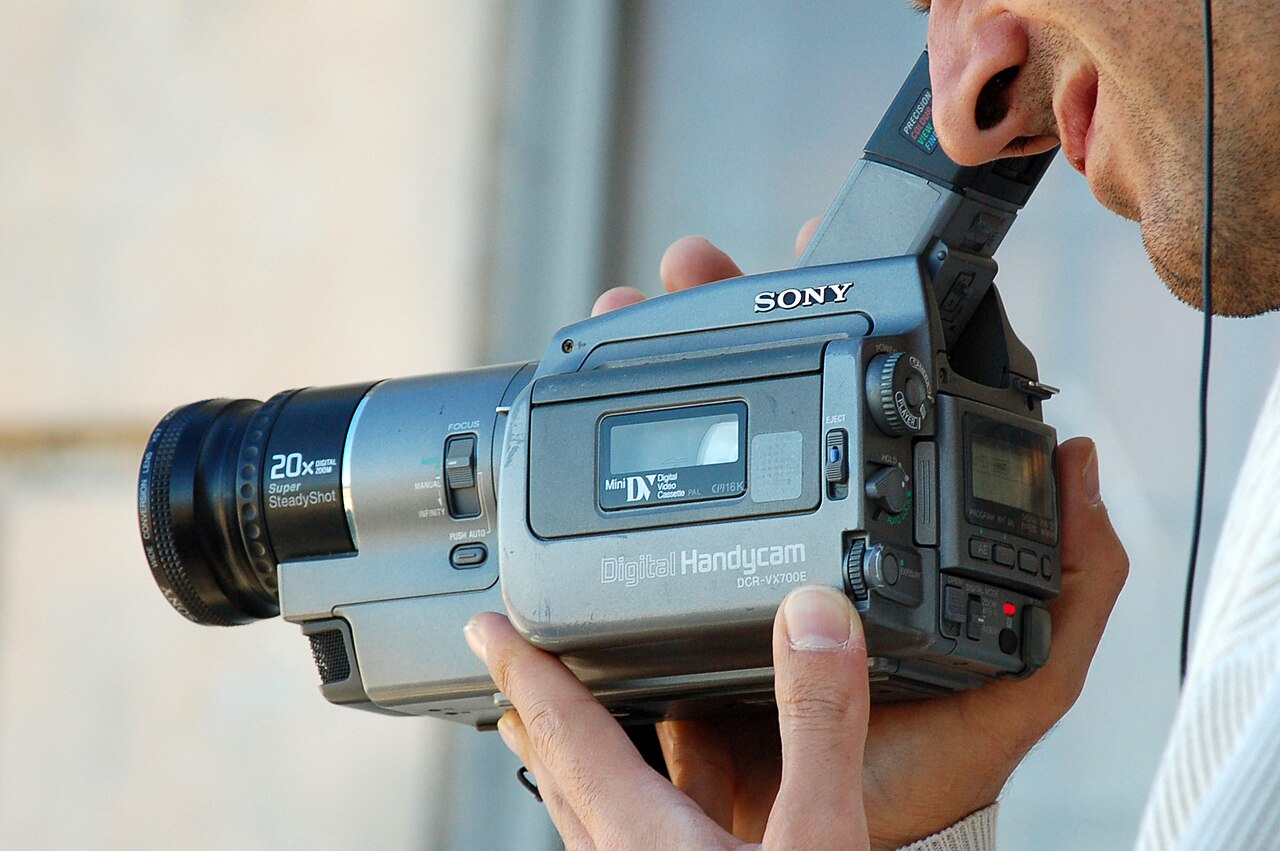
Digital video is an electronic representation of moving visual images (video) in the form of encoded digital data, as explained in Digital Data. This is in contrast to Analog Video, which represents moving visual images in the form of analog signals. Digital video comprises a series of digital images displayed in rapid succession, usually at 24, 25, 30, or 60 frames per second, as seen in Frame Rate techniques. The use of digital video has become widespread in various industries, including Film Industry and Television Broadcasting. With the rise of digital video, the need for Video Editing and Video Production has increased, leading to the development of new tools and software, such as Adobe Premiere and Final Cut Pro.
🎥 History of Digital Video
The history of digital video dates back to the 1970s, when the first digital video systems were developed, as discussed in History of Digital Video. The first digital video cameras were released in the 1980s, and they used CCD Sensor technology to capture images. The development of digital video was further accelerated by the introduction of MPEG compression standards, which enabled the efficient storage and transmission of digital video data. The use of digital video has become increasingly popular over the years, with the rise of Social Media platforms, such as YouTube and Vimeo, which rely heavily on digital video content.
📊 Technical Aspects of Digital Video
Digital video has many technical aspects, including Frame Rate, Resolution, and Aspect Ratio. The frame rate of a digital video determines how many frames are displayed per second, while the resolution determines the number of pixels in each frame. The aspect ratio of a digital video determines the ratio of the width to the height of the frame, as explained in Aspect Ratio. Digital video can be stored in various formats, including MP4 and AVI, and can be compressed using various algorithms, such as H.264 and H.265. The technical aspects of digital video are crucial in determining the quality of the video, as seen in Video Quality.
📈 Advantages of Digital Video
One of the main advantages of digital video is its ease of use, as discussed in Digital Video Advantages. Digital video can be easily copied, shared, and stored, making it a convenient medium for communication and entertainment. Digital video can also be easily edited and manipulated using Video Editing software, such as Adobe Premiere and Final Cut Pro. The use of digital video has become widespread in various industries, including Film Industry and Television Broadcasting. Digital video has also enabled the creation of new forms of content, such as Virtual Reality and Augmented Reality.
📁 Storage and Sharing of Digital Video
Digital video can be stored in various formats, including MP4 and AVI, and can be compressed using various algorithms, such as H.264 and H.265. The storage and sharing of digital video have become increasingly important, with the rise of Cloud Storage and Social Media platforms, such as YouTube and Vimeo. Digital video can be shared using various protocols, including HTTP and FTP, and can be streamed using various technologies, such as HLS and DASH. The storage and sharing of digital video are crucial in determining the accessibility of the video, as seen in Video Accessibility.
📺 Digital Video Broadcasting
Digital video broadcasting has become increasingly popular, with the rise of IPTV and OTT platforms, as discussed in Digital Video Broadcasting. Digital video can be broadcast using various technologies, including Satellite and Cable, and can be received using various devices, such as Set-Top Box and Smart TV. The use of digital video broadcasting has enabled the creation of new forms of content, such as Live Streaming and Video on Demand. Digital video broadcasting has also enabled the targeting of specific audiences, using various technologies, such as Addressable Advertising.
📊 Digital Video Compression
Digital video compression is a crucial aspect of digital video, as it enables the efficient storage and transmission of digital video data, as explained in Digital Video Compression. Various algorithms, such as H.264 and H.265, can be used to compress digital video, and the choice of algorithm depends on the specific application and requirements. The compression of digital video can be lossy or lossless, depending on the algorithm used, and the quality of the compressed video can be affected by various factors, such as Bit Rate and Frame Rate. The use of digital video compression has enabled the widespread adoption of digital video, as seen in Video Streaming.
📈 Future of Digital Video
The future of digital video is exciting, with the rise of new technologies, such as Artificial Intelligence and Machine Learning, as discussed in Future of Digital Video. Digital video will continue to play a crucial role in various industries, including Film Industry and Television Broadcasting. The use of digital video will also enable the creation of new forms of content, such as Virtual Reality and Augmented Reality. The future of digital video will be shaped by various factors, including Technological Advancements and Consumer Demand.
🤔 Challenges in Digital Video
Despite the many advantages of digital video, there are also several challenges, including Video Piracy and Video Quality, as explained in Challenges in Digital Video. The use of digital video has also raised concerns about Copyright Infringement and Intellectual Property. The challenges in digital video are complex and multifaceted, and require the development of new technologies and strategies to address them. The use of digital video will continue to evolve, and the challenges will continue to shape the industry, as seen in Video Industry.
📊 Digital Video Analytics
Digital video analytics is a crucial aspect of digital video, as it enables the measurement and analysis of digital video data, as discussed in Digital Video Analytics. Various metrics, such as Viewership and Engagement, can be used to analyze digital video data, and the insights gained can be used to inform business decisions and optimize digital video content. The use of digital video analytics has become increasingly important, with the rise of Video Marketing and Video Advertising. The analytics of digital video can be used to target specific audiences, using various technologies, such as Addressable Advertising.
📈 Digital Video Marketing
Digital video marketing is a crucial aspect of digital marketing, as it enables the creation and distribution of digital video content to target specific audiences, as explained in Digital Video Marketing. Various strategies, such as Video Advertising and Influencer Marketing, can be used to promote digital video content, and the use of digital video marketing has become increasingly popular, with the rise of Social Media platforms, such as YouTube and Vimeo. The use of digital video marketing has enabled the creation of new forms of content, such as Live Streaming and Video on Demand.
📁 Digital Video Security
Digital video security is a crucial aspect of digital video, as it enables the protection of digital video data from unauthorized access and theft, as discussed in Digital Video Security. Various technologies, such as Encryption and Access Control, can be used to secure digital video data, and the use of digital video security has become increasingly important, with the rise of Video Piracy and Copyright Infringement. The security of digital video is complex and multifaceted, and requires the development of new technologies and strategies to address the challenges, as seen in Video Industry.
Key Facts
- Year
- 1996
- Origin
- United States
- Category
- Technology
- Type
- Technology Concept
Frequently Asked Questions
What is digital video?
Digital video is an electronic representation of moving visual images (video) in the form of encoded digital data. It is in contrast to analog video, which represents moving visual images in the form of analog signals. Digital video comprises a series of digital images displayed in rapid succession, usually at 24, 25, 30, or 60 frames per second, as seen in Frame Rate techniques. The use of digital video has become widespread in various industries, including Film Industry and Television Broadcasting.
What are the advantages of digital video?
One of the main advantages of digital video is its ease of use, as discussed in Digital Video Advantages. Digital video can be easily copied, shared, and stored, making it a convenient medium for communication and entertainment. Digital video can also be easily edited and manipulated using Video Editing software, such as Adobe Premiere and Final Cut Pro. The use of digital video has become widespread in various industries, including Film Industry and Television Broadcasting.
What is digital video compression?
Digital video compression is a crucial aspect of digital video, as it enables the efficient storage and transmission of digital video data, as explained in Digital Video Compression. Various algorithms, such as H.264 and H.265, can be used to compress digital video, and the choice of algorithm depends on the specific application and requirements. The compression of digital video can be lossy or lossless, depending on the algorithm used, and the quality of the compressed video can be affected by various factors, such as Bit Rate and Frame Rate.
What is digital video broadcasting?
Digital video broadcasting has become increasingly popular, with the rise of IPTV and OTT platforms, as discussed in Digital Video Broadcasting. Digital video can be broadcast using various technologies, including Satellite and Cable, and can be received using various devices, such as Set-Top Box and Smart TV. The use of digital video broadcasting has enabled the creation of new forms of content, such as Live Streaming and Video on Demand.
What is digital video analytics?
Digital video analytics is a crucial aspect of digital video, as it enables the measurement and analysis of digital video data, as discussed in Digital Video Analytics. Various metrics, such as Viewership and Engagement, can be used to analyze digital video data, and the insights gained can be used to inform business decisions and optimize digital video content. The use of digital video analytics has become increasingly important, with the rise of Video Marketing and Video Advertising.
What is digital video marketing?
Digital video marketing is a crucial aspect of digital marketing, as it enables the creation and distribution of digital video content to target specific audiences, as explained in Digital Video Marketing. Various strategies, such as Video Advertising and Influencer Marketing, can be used to promote digital video content, and the use of digital video marketing has become increasingly popular, with the rise of Social Media platforms, such as YouTube and Vimeo.
What is digital video security?
Digital video security is a crucial aspect of digital video, as it enables the protection of digital video data from unauthorized access and theft, as discussed in Digital Video Security. Various technologies, such as Encryption and Access Control, can be used to secure digital video data, and the use of digital video security has become increasingly important, with the rise of Video Piracy and Copyright Infringement.