
Contents
- 🏛️ Introduction to the Department of Justice
- 📚 History of the Department of Justice
- 👮♀️ Structure and Organization
- 🏢 Role in Law Enforcement
- 🚔 Investigations and Prosecutions
- 🤝 International Cooperation
- 📊 Budget and Funding
- 📰 Notable Cases and Controversies
- 🚫 Criticisms and Challenges
- 🔜 Future Directions and Reforms
- 👥 Key Figures and Leadership
- Frequently Asked Questions
- Related Topics
Overview
The Department of Justice (DOJ) is a federal executive department responsible for enforcing federal laws, ensuring public safety, and upholding the rule of law. Established on July 1, 1870, the DOJ is headed by the Attorney General, who is appointed by the President and confirmed by the Senate. The department has a wide range of responsibilities, including investigating and prosecuting crimes, enforcing civil rights laws, and providing legal advice to the President and other government agencies. With a budget of over $31 billion and a workforce of over 115,000 employees, the DOJ is one of the largest and most complex law enforcement agencies in the world. The DOJ has been at the center of numerous high-profile controversies, including debates over immigration policy, national security, and civil rights. As the primary law enforcement agency of the US government, the DOJ plays a critical role in shaping the country's justice system and upholding the principles of democracy.
🏛️ Introduction to the Department of Justice
The Department of Justice (DOJ) is a federal executive department responsible for enforcing the law and ensuring public safety in the United States. The United States Department of Justice is headed by the Attorney General, who is appointed by the President and confirmed by the Senate. The DOJ has a long history, dating back to 1870, when it was established by Congress to handle the legal business of the federal government. Today, the DOJ is a complex organization with a wide range of responsibilities, including law enforcement, criminal prosecution, and civil rights enforcement. The DOJ also works closely with other federal agencies, such as the Federal Bureau of Investigation (FBI) and the Drug Enforcement Administration (DEA).
📚 History of the Department of Justice
The history of the Department of Justice is closely tied to the development of the federal government and the expansion of its powers. In the late 19th century, the DOJ played a key role in enforcing federal laws, including the Sherman Antitrust Act and the Interstate Commerce Act. During the 20th century, the DOJ continued to grow and evolve, with the creation of new agencies and divisions, such as the Federal Bureau of Prisons and the Civil Rights Division. The DOJ has also been involved in many significant cases and controversies, including the Brown v. Board of Education decision and the Watergate scandal. The Department of Justice (Canada) and the Department of Justice (Philippines) also have similar roles in their respective countries.
👮♀️ Structure and Organization
The Department of Justice is organized into several divisions and agencies, each with its own specific responsibilities and functions. The Criminal Division handles criminal prosecutions, while the Civil Division handles civil cases. The National Security Division focuses on national security and counterterrorism issues, and the Environmental and Natural Resources Division handles environmental and natural resources cases. The DOJ also has a number of other agencies and offices, including the Federal Bureau of Investigation (FBI) and the Drug Enforcement Administration (DEA). The Double Open-Jaw ticket is not related to the Department of Justice, but is rather a type of airfare ticket.
🏢 Role in Law Enforcement
The Department of Justice plays a critical role in law enforcement, working closely with other federal agencies, such as the FBI and DEA, to investigate and prosecute crimes. The DOJ also works with state and local law enforcement agencies to address issues such as gun violence and cybercrime. The Department of Homeland Security (DHS) also works closely with the DOJ on issues related to national security and counterterrorism. The DOJ has a number of tools and resources at its disposal, including the USA PATRIOT Act and the Foreign Intelligence Surveillance Act (FISA).
🚔 Investigations and Prosecutions
The Department of Justice is responsible for investigating and prosecuting a wide range of crimes, from white collar crime to violent crime. The DOJ also has a number of specialized units and task forces, such as the Organized Crime and Gang Section and the Computer Crime and Intellectual Property Section. The DOJ works closely with other federal agencies, such as the Internal Revenue Service (IRS) and the Securities and Exchange Commission (SEC), to investigate and prosecute complex financial crimes. The Financial Crimes Enforcement Network (FinCEN) also works closely with the DOJ on issues related to financial crimes.
🤝 International Cooperation
The Department of Justice works closely with international partners to address global issues such as terrorism, cybercrime, and human trafficking. The DOJ has a number of international agreements and partnerships, including the Extradition Treaty and the Mutual Legal Assistance Treaty. The DOJ also works with international organizations, such as the United Nations and the International Police Organization (INTERPOL), to address global law enforcement issues. The International Criminal Police Organization (ICPO) also works closely with the DOJ on issues related to international crime.
📊 Budget and Funding
The Department of Justice has a significant budget, with appropriations from Congress to support its various activities and programs. The DOJ budget includes funding for law enforcement, criminal prosecution, and civil rights enforcement, as well as for administrative and support functions. The DOJ also receives funding from other sources, such as asset forfeiture and fines and penalties. The Office of Management and Budget (OMB) also works closely with the DOJ on budget and funding issues.
📰 Notable Cases and Controversies
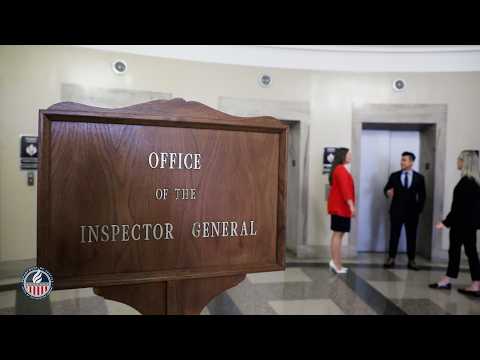
The Department of Justice has been involved in many notable cases and controversies over the years, including the Watergate scandal and the Iran-Contra affair. The DOJ has also been criticized for its handling of certain cases, such as the Ferguson police shooting and the Eric Garner case. The DOJ has a number of mechanisms in place to address criticisms and challenges, including the Office of Professional Responsibility and the Office of Inspector General. The Civil Rights Division also works closely with the DOJ on issues related to civil rights and social justice.
🚫 Criticisms and Challenges
The Department of Justice faces a number of challenges and criticisms, including concerns about police brutality and racial disparities in the justice system. The DOJ has also been criticized for its handling of certain cases, such as the Ferguson police shooting and the Eric Garner case. The DOJ has a number of initiatives and programs in place to address these issues, including the National Initiative for Building Community Trust and Justice and the Task Force on 21st Century Policing. The Office of Community Oriented Policing Services (COPS) also works closely with the DOJ on issues related to community policing.
🔜 Future Directions and Reforms
The Department of Justice is likely to continue to play a critical role in addressing the nation's most pressing law enforcement and justice issues. The DOJ will need to adapt to emerging challenges, such as cybercrime and terrorism, while also addressing ongoing issues, such as police brutality and racial disparities in the justice system. The DOJ will need to work closely with other federal agencies, as well as state and local law enforcement agencies, to address these issues and ensure that justice is served. The Department of Homeland Security (DHS) will also continue to work closely with the DOJ on issues related to national security and counterterrorism.
👥 Key Figures and Leadership
The Department of Justice has a number of key figures and leaders, including the Attorney General and the Deputy Attorney General. The DOJ also has a number of other senior officials, including the Associate Attorney General and the Solicitor General. The Federal Bureau of Investigation (FBI) is also led by a Director, who is appointed by the President and confirmed by the Senate. The Drug Enforcement Administration (DEA) is led by an Administrator, who is appointed by the President and confirmed by the Senate.
Key Facts
- Year
- 1870
- Origin
- United States
- Category
- Government and Law
- Type
- Government Agency
Frequently Asked Questions
What is the role of the Department of Justice?
The Department of Justice is a federal executive department responsible for enforcing the law and ensuring public safety in the United States. The DOJ has a wide range of responsibilities, including law enforcement, criminal prosecution, and civil rights enforcement. The DOJ works closely with other federal agencies, such as the FBI and DEA, to investigate and prosecute crimes. The DOJ also has a number of specialized units and task forces, such as the Organized Crime and Gang Section and the Computer Crime and Intellectual Property Section.
Who is the head of the Department of Justice?
The head of the Department of Justice is the Attorney General, who is appointed by the President and confirmed by the Senate. The Attorney General is responsible for overseeing the DOJ and ensuring that it carries out its responsibilities in a fair and effective manner. The Attorney General is also a member of the President's cabinet and plays a key role in advising the President on legal and law enforcement issues.
What is the budget of the Department of Justice?
The budget of the Department of Justice is significant, with appropriations from Congress to support its various activities and programs. The DOJ budget includes funding for law enforcement, criminal prosecution, and civil rights enforcement, as well as for administrative and support functions. The DOJ also receives funding from other sources, such as asset forfeiture and fines and penalties. The Office of Management and Budget (OMB) works closely with the DOJ on budget and funding issues.
What are some of the notable cases and controversies involving the Department of Justice?
The Department of Justice has been involved in many notable cases and controversies over the years, including the Watergate scandal and the Iran-Contra affair. The DOJ has also been criticized for its handling of certain cases, such as the Ferguson police shooting and the Eric Garner case. The DOJ has a number of mechanisms in place to address criticisms and challenges, including the Office of Professional Responsibility and the Office of Inspector General.
How does the Department of Justice work with international partners?
The Department of Justice works closely with international partners to address global issues such as terrorism, cybercrime, and human trafficking. The DOJ has a number of international agreements and partnerships, including the Extradition Treaty and the Mutual Legal Assistance Treaty. The DOJ also works with international organizations, such as the United Nations and the International Police Organization (INTERPOL), to address global law enforcement issues.
What are some of the challenges facing the Department of Justice?
The Department of Justice faces a number of challenges, including concerns about police brutality and racial disparities in the justice system. The DOJ has also been criticized for its handling of certain cases, such as the Ferguson police shooting and the Eric Garner case. The DOJ has a number of initiatives and programs in place to address these issues, including the National Initiative for Building Community Trust and Justice and the Task Force on 21st Century Policing.
How does the Department of Justice work with state and local law enforcement agencies?
The Department of Justice works closely with state and local law enforcement agencies to address issues such as gun violence and cybercrime. The DOJ provides funding and resources to state and local law enforcement agencies, as well as training and technical assistance. The DOJ also works with state and local law enforcement agencies to investigate and prosecute crimes, and to address issues such as police brutality and racial disparities in the justice system.