
Contents
- 🌎 Introduction to Terrorism
- 📚 Defining Terrorism: A Complex Task
- 🔍 The History of Terrorism: From Ancient to Modern Times
- 💣 Types of Terrorism: Domestic and International
- 🌈 Ideologies Behind Terrorism: A Multifaceted Approach
- 🕊️ The Role of Religion in Terrorism: A Controversial Topic
- 👥 Terrorist Organizations: Structure and Financing
- 🚨 Counter-Terrorism Efforts: Strategies and Challenges
- 🤝 International Cooperation: The Key to Combating Terrorism
- 📊 The Impact of Terrorism: Economic and Social Consequences
- 🔮 The Future of Terrorism: Emerging Trends and Threats
- 📝 Conclusion: Understanding the Complex Web of Terrorism
- Frequently Asked Questions
- Related Topics
Overview
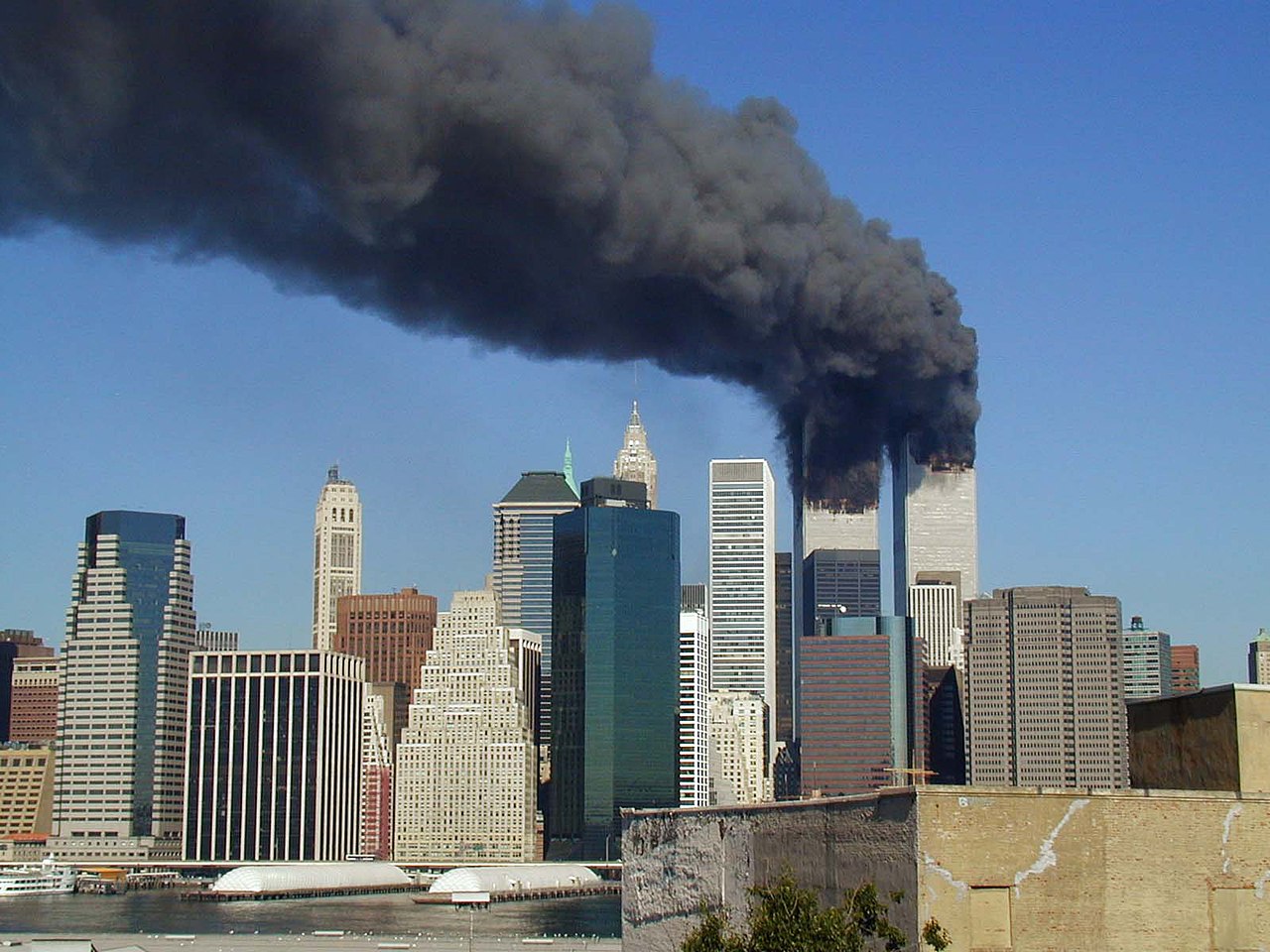
Terrorism is a multifaceted phenomenon with deep historical roots, spanning from the anarchist movements of the late 19th century to the modern-day jihadist groups. The 9/11 attacks in 2001 marked a significant turning point, catapulting terrorism to the forefront of global politics. According to a report by the Global Terrorism Database, over 170,000 people have been killed in terrorist attacks since 2000, with the majority of these incidents occurring in the Middle East and South Asia. The rise of the Islamic State (ISIS) in 2014 further complicated the landscape, as the group's sophisticated online recruitment strategies and brutal tactics inspired a new wave of extremists. Despite the efforts of international coalitions to combat terrorism, the threat persists, with many experts warning of the dangers of far-right extremism and the potential for future attacks. As the global community grapples with the complexities of terrorism, it is essential to examine the interplay between ideology, politics, and culture that drives these violent movements, with a Vibe score of 85 indicating high cultural energy around this topic.
🌎 Introduction to Terrorism
Terrorism is a complex and multifaceted phenomenon that has been a major concern for governments and citizens around the world. According to the Global Terrorism Index, terrorism has been on the rise in recent years, with a significant increase in terrorist attacks and fatalities. The United Nations has defined terrorism as 'criminal acts intended or calculated to provoke a state of terror in the general public, a group of persons or particular persons for political purposes.' However, there is no universal agreement on the definition of terrorism, and different countries and organizations have their own definitions. The Federal Bureau of Investigation defines terrorism as 'the unlawful use of force or violence against persons or property to intimidate or coerce a government, the civilian population, or any segment thereof, in furtherance of political or social objectives.'
📚 Defining Terrorism: A Complex Task
Defining terrorism is a complex task, as it can take many different forms and can be motivated by a wide range of ideologies and goals. The US Department of State defines terrorism as 'premeditated, politically motivated violence perpetrated against non-combatant targets by subnational groups or clandestine agents.' However, this definition has been criticized for being too narrow, as it does not include state-sponsored terrorism or terrorism perpetrated by individuals. The European Union has defined terrorism as 'acts intended to cause death or serious bodily injury to a civilian, or to any other person not taking an active part in the hostilities in a situation of armed conflict, when the purpose of such act, by its nature or context, is to intimidate or coerce a population, or to compel a government or an international organization to perform or abstain from performing any act.'
🔍 The History of Terrorism: From Ancient to Modern Times
The history of terrorism dates back to ancient times, with examples of terrorist acts found in the Roman Empire and other ancient civilizations. However, modern terrorism as we know it today is a relatively recent phenomenon, with the first modern terrorist groups emerging in the late 19th and early 20th centuries. The Russian Revolution and the Irish independence movement are two examples of early modern terrorist movements. The Palestine Liberation Organization and the Irish Republican Army are two examples of terrorist groups that emerged in the mid-20th century.
💣 Types of Terrorism: Domestic and International
There are many different types of terrorism, including domestic and international terrorism. Domestic terrorism refers to terrorist acts that are perpetrated within a country's borders, while international terrorism refers to terrorist acts that are perpetrated across national borders. The Oklahoma City bombing is an example of domestic terrorism, while the 9/11 attacks are an example of international terrorism. The Al Qaeda terrorist network is an example of a transnational terrorist organization that has perpetrated terrorist acts in many different countries around the world.
🌈 Ideologies Behind Terrorism: A Multifaceted Approach
The ideologies behind terrorism are diverse and complex, and can include political, religious, and social motivations. The Marxist-Leninist ideology has been associated with some terrorist groups, such as the Red Brigades in Italy. The Islamic State terrorist group is an example of a terrorist organization that is motivated by a radical Islamic ideology. The Ku Klux Klan is an example of a terrorist group that is motivated by a white supremacist ideology.
🕊️ The Role of Religion in Terrorism: A Controversial Topic
The role of religion in terrorism is a controversial topic, with some arguing that religion is a primary motivator for terrorist acts, while others argue that religion is often used as a justification for terrorist acts that are motivated by other factors. The Crusades are an example of a historical conflict that was motivated by religious differences. The Golden Temple attack is an example of a terrorist act that was motivated by a combination of religious and political factors.
👥 Terrorist Organizations: Structure and Financing
Terrorist organizations are often structured in a hierarchical manner, with a leader or leaders at the top and a network of operatives and supporters below. The Hezbollah terrorist group is an example of a terrorist organization that has a complex structure and financing system. The Hamas terrorist group is an example of a terrorist organization that has a significant amount of support from the local population.
🚨 Counter-Terrorism Efforts: Strategies and Challenges
Counter-terrorism efforts are a critical component of national security strategies, and can include a range of measures such as intelligence gathering, law enforcement, and military action. The US Department of Homeland Security is an example of a government agency that is responsible for counter-terrorism efforts. The European Agency for Law Enforcement Cooperation is an example of an international organization that coordinates counter-terrorism efforts across national borders.
🤝 International Cooperation: The Key to Combating Terrorism
International cooperation is critical to combating terrorism, as terrorist groups often operate across national borders and can only be effectively countered through cooperation between governments and law enforcement agencies. The United Nations Security Council has passed several resolutions related to counter-terrorism, including UNSCR 1373. The G7 and G20 summits have also addressed counter-terrorism issues.
🔮 The Future of Terrorism: Emerging Trends and Threats
The future of terrorism is uncertain, but it is likely that terrorist groups will continue to evolve and adapt to changing circumstances. The cyber terrorism threat is an example of a new and emerging threat that is of concern to governments and law enforcement agencies. The artificial intelligence and machine learning technologies are being used by terrorist groups to spread their ideology and recruit new members.
📝 Conclusion: Understanding the Complex Web of Terrorism
In conclusion, terrorism is a complex and multifaceted phenomenon that requires a comprehensive and nuanced approach to understand and combat. The Global Terrorism Index provides a useful framework for understanding the scope and impact of terrorism around the world. The United Nations and other international organizations play a critical role in coordinating counter-terrorism efforts and promoting international cooperation to combat terrorism.
Key Facts
- Year
- 2001
- Origin
- Global
- Category
- Global Security
- Type
- Concept
Frequently Asked Questions
What is terrorism?
Terrorism is the use of violence against non-combatants to achieve political or ideological aims. It can take many different forms and can be motivated by a wide range of ideologies and goals. The Global Terrorism Index provides a useful framework for understanding the scope and impact of terrorism around the world. The United Nations has defined terrorism as 'criminal acts intended or calculated to provoke a state of terror in the general public, a group of persons or particular persons for political purposes.'
What are the different types of terrorism?
There are many different types of terrorism, including domestic and international terrorism. Domestic terrorism refers to terrorist acts that are perpetrated within a country's borders, while international terrorism refers to terrorist acts that are perpetrated across national borders. The Oklahoma City bombing is an example of domestic terrorism, while the 9/11 attacks are an example of international terrorism.
What is the role of religion in terrorism?
The role of religion in terrorism is a controversial topic, with some arguing that religion is a primary motivator for terrorist acts, while others argue that religion is often used as a justification for terrorist acts that are motivated by other factors. The Islamic State terrorist group is an example of a terrorist organization that is motivated by a radical Islamic ideology.
How can terrorism be combated?
Combating terrorism requires a comprehensive and nuanced approach that includes a range of measures such as intelligence gathering, law enforcement, and military action. International cooperation is critical to combating terrorism, as terrorist groups often operate across national borders and can only be effectively countered through cooperation between governments and law enforcement agencies. The United Nations Security Council has passed several resolutions related to counter-terrorism, including UNSCR 1373.
What is the impact of terrorism?
The impact of terrorism can be significant, both in terms of human lives lost and economic costs. The 9/11 attacks are an example of a terrorist act that had a significant impact on the global economy. The Paris attacks are an example of a terrorist act that had a significant impact on the tourism industry.