
Contents
- 🚗 Introduction to Dubai Traffic Congestion
- 📈 Causes of Traffic Congestion in Dubai
- 🚧 Infrastructure and Road Network
- 🚗 Vehicle Ownership and Public Transportation
- 📊 Traffic Statistics and Trends
- 🕒 Peak Hours and Traffic Hotspots
- 🚫 Challenges and Concerns
- 💡 Solutions and Initiatives
- 👥 Stakeholders and Collaborations
- 📈 Economic Impact of Traffic Congestion
- 🔮 Future Developments and Innovations
- Frequently Asked Questions
- Related Topics
Overview
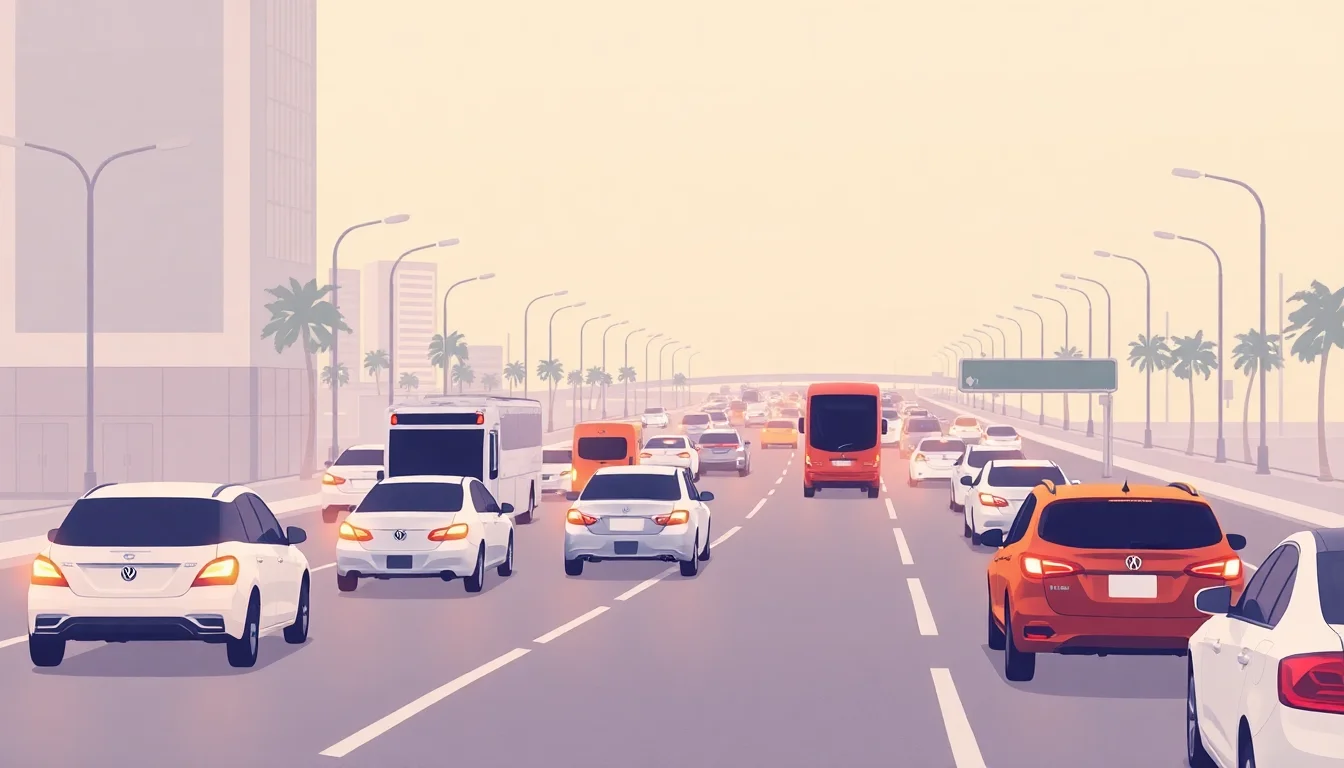
The city of Dubai has experienced rapid growth and development over the past few decades, transforming it into a major business and tourist hub. However, this growth has also led to an increase in Dubai's population and subsequently, traffic congestion. The city's roads are often overcrowded, and transportation systems are under strain. To address this issue, the government has implemented various urban planning strategies, including the development of new roads and public transportation systems. Despite these efforts, traffic management remains a significant challenge. The RTA (Roads and Transport Authority) is responsible for managing the city's transportation systems and has introduced several initiatives to reduce congestion. For example, the Dubai Metro has been expanded to cover more areas of the city, and bus networks have been improved.
📈 Causes of Traffic Congestion in Dubai
The causes of traffic congestion in Dubai are complex and multifaceted. One major factor is the city's rapid population growth, which has led to an increase in the number of vehicles on the road. Additionally, urbanization and the lack of pedestrian infrastructure have contributed to the problem. The city's traffic laws and driving culture also play a role, as many drivers fail to follow basic traffic rules. Furthermore, the road network is not always well-designed, leading to bottlenecks and congestion. To address these issues, the government has launched initiatives such as the Smart Traffic System, which uses advanced technology to manage traffic flow. The Traffic Safety Campaign also aims to raise awareness about the importance of safe driving practices.
🚧 Infrastructure and Road Network
The infrastructure and road network in Dubai are constantly evolving to meet the city's growing needs. The government has invested heavily in the development of new roads, highways, and interchanges. For example, the Al Khail Road and Sheikh Zayed Road are major highways that connect the city's main districts. Additionally, the Jebel Ali Port and Dubai International Airport are major transportation hubs that require efficient road connections. The RTA is responsible for managing the city's road network and has introduced initiatives such as the Traffic Signal Control System to optimize traffic flow. The Intelligent Transport System also uses advanced technology to monitor and manage traffic in real-time.
🚗 Vehicle Ownership and Public Transportation
Vehicle ownership is high in Dubai, and many residents rely on their cars for daily transportation. However, the government is encouraging the use of public transportation through the development of an integrated transportation network. The Dubai Metro and Dubai Tram are popular modes of public transportation, and the bus network covers most areas of the city. The Water Bus and Abra services also provide an alternative mode of transportation for residents and tourists. To promote the use of public transportation, the government has introduced initiatives such as the Public Transportation Card, which allows users to pay for their fares easily and conveniently. The RTA has also launched the Transport App, which provides users with real-time information about public transportation services.
📊 Traffic Statistics and Trends
Traffic statistics and trends in Dubai are closely monitored by the RTA. According to recent data, the city's roads are becoming increasingly congested, with traffic congestion index scores rising steadily over the past few years. The traffic volume has also increased significantly, with more vehicles on the road during peak hours. The traffic speed is often reduced during these times, leading to frustration among commuters. To address these issues, the government has launched initiatives such as the Traffic Management Center, which uses advanced technology to monitor and manage traffic in real-time. The RTA has also introduced the Intelligent Transport System, which provides real-time information about traffic conditions and suggests alternative routes to drivers.
🕒 Peak Hours and Traffic Hotspots
Peak hours and traffic hotspots in Dubai are well-known to residents and commuters. The Sheikh Zayed Road and Al Khail Road are major highways that experience heavy traffic during rush hour. The Jumeirah Lake Towers and Downtown Dubai areas are also prone to congestion due to their popularity among residents and tourists. The RTA has introduced initiatives such as the Traffic Signal Control System to optimize traffic flow during peak hours. The Traffic Management Center also uses advanced technology to monitor and manage traffic in real-time, reducing congestion and minimizing travel times. To avoid traffic hotspots, commuters can use the Transport App to plan their journeys and receive real-time updates about traffic conditions.
🚫 Challenges and Concerns
The challenges and concerns surrounding traffic congestion in Dubai are numerous. One major issue is the impact on the environment, as air pollution and greenhouse gas emissions are significant concerns. The RTA has launched initiatives such as the Electric Vehicle Initiative to promote the use of environmentally friendly vehicles. The Traffic Safety Campaign also aims to raise awareness about the importance of safe driving practices and reduce the number of traffic accidents. Additionally, the government has introduced the Traffic Management Center, which uses advanced technology to monitor and manage traffic in real-time, reducing congestion and minimizing travel times.
💡 Solutions and Initiatives
To address the issue of traffic congestion, the government has introduced several solutions and initiatives. The Smart Traffic System uses advanced technology to manage traffic flow and reduce congestion. The Intelligent Transport System also provides real-time information about traffic conditions and suggests alternative routes to drivers. The RTA has launched initiatives such as the Public Transportation Card, which allows users to pay for their fares easily and conveniently. The Transport App also provides users with real-time information about public transportation services, making it easier for commuters to plan their journeys. Furthermore, the government has introduced the Car Sharing Initiative, which encourages residents to share their vehicles and reduce the number of cars on the road.
👥 Stakeholders and Collaborations
The stakeholders and collaborations involved in addressing traffic congestion in Dubai are numerous. The RTA is the primary authority responsible for managing the city's transportation systems. The Dubai Police also play a crucial role in enforcing traffic laws and maintaining road safety. The Dubai Municipality is responsible for urban planning and development, including the design and construction of roads and public transportation systems. Private companies such as Dubai Taxi and Uber also operate in the city, providing alternative modes of transportation for residents and tourists. The Dubai Government has launched initiatives such as the Partnership for Mobility, which brings together public and private sector stakeholders to address the city's transportation challenges.
📈 Economic Impact of Traffic Congestion
The economic impact of traffic congestion in Dubai is significant. According to recent studies, the city's economy loses millions of dollars each year due to traffic congestion. The RTA has estimated that the city's traffic congestion costs the economy around AED 4 billion annually. The Dubai Government has launched initiatives such as the Smart Traffic System to reduce congestion and minimize travel times. The Intelligent Transport System also provides real-time information about traffic conditions and suggests alternative routes to drivers, reducing the economic impact of traffic congestion. Furthermore, the government has introduced the Public Transportation Card, which allows users to pay for their fares easily and conveniently, promoting the use of public transportation and reducing the number of cars on the road.
🔮 Future Developments and Innovations
The future developments and innovations in addressing traffic congestion in Dubai are exciting and promising. The RTA has launched initiatives such as the Autonomous Vehicle Initiative, which aims to introduce self-driving cars to the city's roads. The Hyperloop system is also being developed, which will connect Dubai to other cities in the region and reduce travel times significantly. The Dubai Government has also introduced the 5G Network, which will provide high-speed internet connectivity and enable the development of smart transportation systems. The Artificial Intelligence and Internet of Things technologies will also play a crucial role in managing traffic congestion and optimizing transportation systems in the city.
Key Facts
- Year
- 2022
- Origin
- United Arab Emirates
- Category
- Urban Planning and Transportation
- Type
- Urban Issue
Frequently Asked Questions
What is the main cause of traffic congestion in Dubai?
The main cause of traffic congestion in Dubai is the rapid population growth, which has led to an increase in the number of vehicles on the road. Additionally, the lack of pedestrian infrastructure and the city's driving culture also contribute to the problem. The government has launched initiatives such as the Smart Traffic System to address these issues. The RTA has also introduced the Intelligent Transport System, which provides real-time information about traffic conditions and suggests alternative routes to drivers.
What is the economic impact of traffic congestion in Dubai?
The economic impact of traffic congestion in Dubai is significant, with the city's economy losing millions of dollars each year. The RTA has estimated that the city's traffic congestion costs the economy around AED 4 billion annually. The government has launched initiatives such as the Smart Traffic System to reduce congestion and minimize travel times. The Intelligent Transport System also provides real-time information about traffic conditions and suggests alternative routes to drivers, reducing the economic impact of traffic congestion.
What are the solutions to traffic congestion in Dubai?
The solutions to traffic congestion in Dubai include the development of an integrated transportation network, the promotion of public transportation, and the use of advanced technology to manage traffic flow. The RTA has launched initiatives such as the Smart Traffic System and the Intelligent Transport System to address traffic congestion. The government has also introduced the Public Transportation Card, which allows users to pay for their fares easily and conveniently, promoting the use of public transportation and reducing the number of cars on the road.
What is the role of the RTA in addressing traffic congestion in Dubai?
The RTA plays a crucial role in addressing traffic congestion in Dubai. The RTA is responsible for managing the city's transportation systems, including the development of roads and public transportation systems. The RTA has launched initiatives such as the Smart Traffic System and the Intelligent Transport System to address traffic congestion. The RTA also works with other stakeholders, including the Dubai Police and the Dubai Municipality, to enforce traffic laws and maintain road safety.
What are the future developments and innovations in addressing traffic congestion in Dubai?
The future developments and innovations in addressing traffic congestion in Dubai include the introduction of autonomous vehicles, the development of the Hyperloop system, and the use of artificial intelligence and the internet of things to manage traffic congestion. The RTA has launched initiatives such as the Autonomous Vehicle Initiative and the Hyperloop system to address traffic congestion. The government has also introduced the 5G Network, which will provide high-speed internet connectivity and enable the development of smart transportation systems in the city.