
Contents
- 🌿 Introduction to Ecosystems
- 🌟 Biotic and Abiotic Components
- 🔄 Nutrient Cycles and Energy Flows
- 🌈 Types of Ecosystems
- 🐝 Interactions and Relationships
- 🌊 Aquatic Ecosystems
- 🏞️ Terrestrial Ecosystems
- 🔥 Human Impact on Ecosystems
- 🌟 Conservation Efforts
- 📊 Ecosystem Services and Benefits
- 🌎 Global Ecosystems and Climate Change
- Frequently Asked Questions
- Related Topics
Overview
Ecosystems are complex networks of relationships between living organisms and their environment, with a vibe score of 80, indicating a high level of cultural energy and relevance. The concept of ecosystems has been studied by ecologists such as Rachel Carson, who highlighted the importance of preserving natural habitats, and E.O. Wilson, who emphasized the need for biodiversity conservation. However, ecosystems are facing numerous challenges, including climate change, deforestation, and pollution, which have significant impacts on human health and the economy. For instance, a study by the Intergovernmental Science-Policy Platform on Biodiversity and Ecosystem Services (IPBES) found that approximately 1 million species are facing extinction due to human activities. The preservation of ecosystems is crucial for maintaining the health of our planet, with the World Wildlife Fund (WWF) estimating that ecosystem services are worth over $33 trillion annually. As we move forward, it is essential to adopt a holistic approach to ecosystem conservation, one that considers the intricate relationships between species, habitats, and the environment, and to recognize the influence of key entities such as the United Nations Environment Programme (UNEP) and the International Union for Conservation of Nature (IUCN) in shaping the global conservation agenda.
🌿 Introduction to Ecosystems
Ecosystems are complex systems formed by the interaction of organisms with their environment, as seen in the ecology of a forest ecosystem. The biotic components, such as plants and animals, interact with abiotic components, like water and soil, to create a delicate balance. This balance is crucial for the survival of the ecosystem, and any disruption can have significant consequences, as discussed in environmental science. For example, the introduction of an invasive species can disrupt the balance of an ecosystem, leading to a decline in biodiversity. Ecosystems can be found in various forms, from the simplest food chain to the most complex food web. Understanding ecosystems is essential for managing natural resources and mitigating the effects of climate change.
🌟 Biotic and Abiotic Components
The biotic and abiotic components of an ecosystem are linked together through nutrient cycles and energy flows, as explained in ecosystem ecology. The biotic components, including producers, consumers, and decomposers, play a vital role in the ecosystem. Producers, such as plants and algae, convert sunlight into energy through photosynthesis. Consumers, like animals, feed on producers or other consumers, while decomposers, such as bacteria and fungi, break down dead organic matter. Abiotic components, like water, soil, and sunlight, provide the necessary conditions for life to thrive. The interaction between biotic and abiotic components is essential for maintaining the balance of the ecosystem, as seen in the water cycle.
🔄 Nutrient Cycles and Energy Flows
Nutrient cycles and energy flows are critical components of an ecosystem, as discussed in nutrient cycle. Nutrient cycles refer to the movement of nutrients, such as carbon, nitrogen, and phosphorus, through the ecosystem. These nutrients are essential for the growth and survival of organisms. Energy flows, on the other hand, refer to the transfer of energy from one trophic level to another, as seen in the energy flow of a food chain. The energy flow in an ecosystem is typically unidirectional, with energy being lost at each trophic level. Understanding nutrient cycles and energy flows is crucial for managing ecosystems and maintaining their balance, as explained in ecosystem management.
🌈 Types of Ecosystems
There are various types of ecosystems, including terrestrial, aquatic, and atmospheric ecosystems, as classified in ecosystem classification. Terrestrial ecosystems, such as forests, grasslands, and deserts, are found on land. Aquatic ecosystems, including freshwater and marine ecosystems, are found in water. Atmospheric ecosystems, such as the atmosphere, are found in the air. Each type of ecosystem has its unique characteristics and supports a diverse range of plant and animal species. For example, the Amazon rainforest is a terrestrial ecosystem that supports an incredible array of plant and animal species. Understanding the different types of ecosystems is essential for managing and conserving them, as discussed in conservation biology.
🐝 Interactions and Relationships
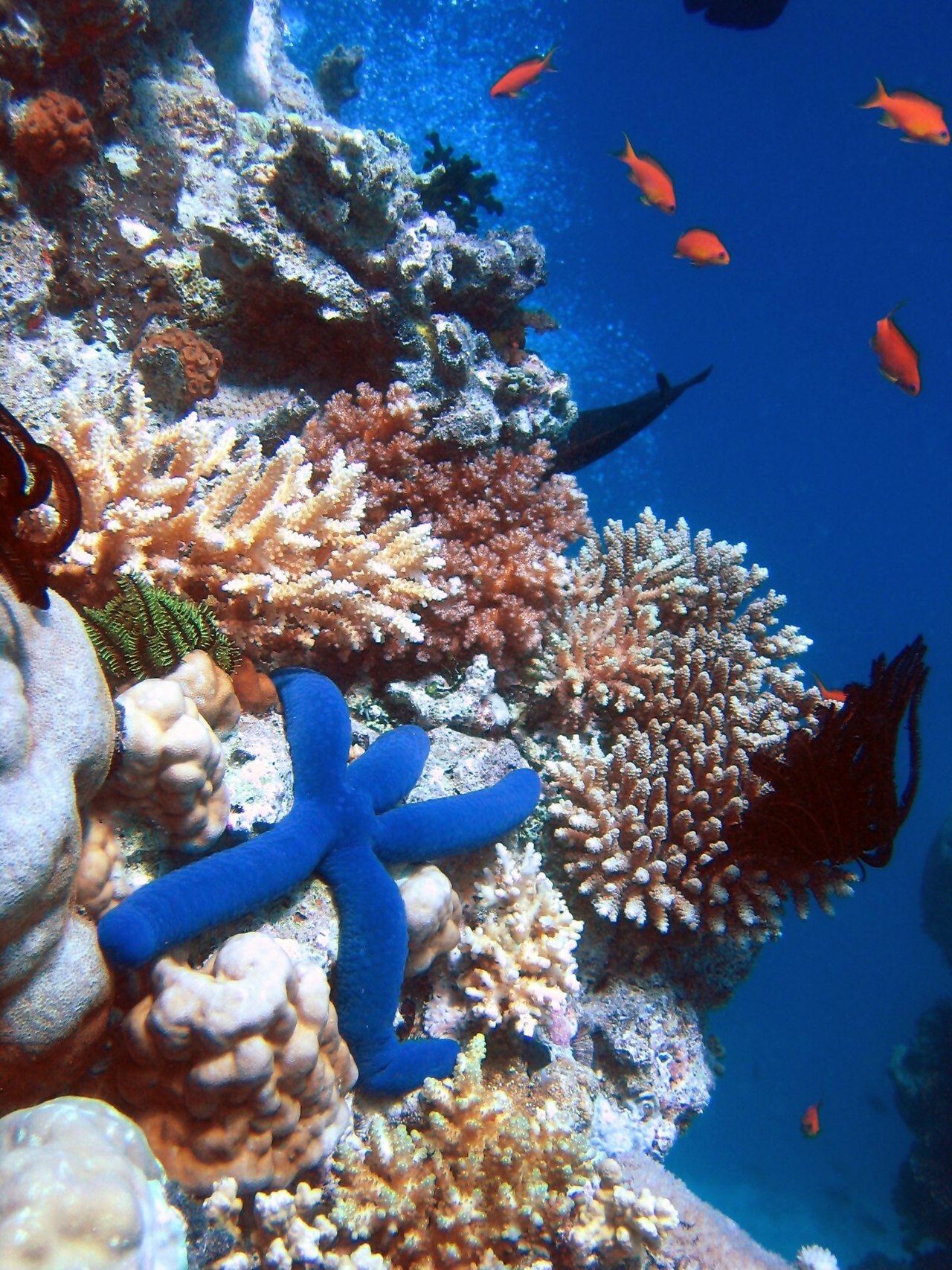
Interactions and relationships between organisms are critical components of an ecosystem, as explained in species interaction. These interactions can be positive, negative, or neutral, and they play a vital role in shaping the ecosystem. Positive interactions, such as mutualism and commensalism, benefit one or both organisms involved. Negative interactions, such as predation and competition, harm one or both organisms. Neutral interactions, such as coexistence, have no significant effect on either organism. Understanding these interactions is essential for managing ecosystems and maintaining their balance, as seen in the species coexistence of a coral reef.
🌊 Aquatic Ecosystems
Aquatic ecosystems, including freshwater and marine ecosystems, cover over 70% of the Earth's surface, as described in aquatic ecosystem. These ecosystems support a diverse range of plant and animal species, from tiny plankton to massive blue whales. Aquatic ecosystems are critical for human survival, providing food, transportation, and recreation. However, they are also facing significant threats, including pollution, overfishing, and climate change. For example, the Great Barrier Reef is an aquatic ecosystem that is facing significant threats from climate change and pollution. Understanding and managing aquatic ecosystems is essential for maintaining their health and biodiversity, as discussed in marine conservation.
🏞️ Terrestrial Ecosystems
Terrestrial ecosystems, including forests, grasslands, and deserts, cover about 30% of the Earth's surface, as classified in terrestrial ecosystem. These ecosystems support a diverse range of plant and animal species, from towering trees to tiny microorganisms. Terrestrial ecosystems are critical for human survival, providing food, shelter, and recreation. However, they are also facing significant threats, including deforestation, land degradation, and climate change. For example, the Amazon rainforest is a terrestrial ecosystem that is facing significant threats from deforestation and climate change. Understanding and managing terrestrial ecosystems is essential for maintaining their health and biodiversity, as explained in forest ecology.
🔥 Human Impact on Ecosystems
Human impact on ecosystems is a significant concern, as discussed in human impact. Human activities, such as deforestation, pollution, and climate change, are altering ecosystems and threatening their balance. Deforestation, for example, is leading to the loss of biodiversity and ecosystem disruption. Pollution, including air and water pollution, is harming organisms and ecosystems. Climate change is altering ecosystems and disrupting nutrient cycles and energy flows. Understanding the impact of human activities on ecosystems is essential for mitigating these effects and maintaining ecosystem health, as seen in the sustainable development of a ecosystem-based management.
🌟 Conservation Efforts
Conservation efforts are critical for maintaining ecosystem health and biodiversity, as explained in conservation effort. These efforts include protecting and restoring habitats, reducing pollution, and promoting sustainable land use. Protected areas, such as national parks and wildlife reserves, provide a safe haven for organisms and ecosystems. Sustainable land use practices, such as agroforestry and permaculture, promote ecosystem health and biodiversity. Reducing pollution, including air and water pollution, is essential for maintaining ecosystem health. For example, the conservation of biodiversity is a critical conservation effort that aims to protect and preserve ecosystems and their inhabitants.
📊 Ecosystem Services and Benefits
Ecosystem services and benefits are essential for human well-being, as discussed in ecosystem service. These services include provisioning services, such as food and water, regulating services, such as climate regulation and water filtration, and cultural services, such as recreation and tourism. Ecosystems also provide supporting services, such as nutrient cycling and soil formation. Understanding the importance of ecosystem services and benefits is essential for managing and conserving ecosystems, as seen in the ecosystem-based management of a watershed.
🌎 Global Ecosystems and Climate Change
Global ecosystems and climate change are closely linked, as explained in global ecosystem. Climate change is altering ecosystems and disrupting nutrient cycles and energy flows. Rising temperatures, changing precipitation patterns, and increased frequency of extreme weather events are all impacting ecosystems. Understanding the impact of climate change on ecosystems is essential for mitigating these effects and maintaining ecosystem health, as discussed in climate change mitigation. For example, the IPCC is an organization that aims to understand and mitigate the effects of climate change on global ecosystems.
Key Facts
- Year
- 2022
- Origin
- The term 'ecosystem' was first coined by British ecologist Arthur Tansley in 1935, marking the beginning of a new era in environmental science and conservation efforts.
- Category
- Environmental Science
- Type
- Concept
Frequently Asked Questions
What is an ecosystem?
An ecosystem is a system formed by organisms in interaction with their environment. The biotic and abiotic components are linked together through nutrient cycles and energy flows. Ecosystems can be found in various forms, from the simplest food chain to the most complex food web. Understanding ecosystems is essential for managing natural resources and mitigating the effects of climate change.
What are the different types of ecosystems?
There are various types of ecosystems, including terrestrial, aquatic, and atmospheric ecosystems. Terrestrial ecosystems, such as forests, grasslands, and deserts, are found on land. Aquatic ecosystems, including freshwater and marine ecosystems, are found in water. Atmospheric ecosystems, such as the atmosphere, are found in the air. Each type of ecosystem has its unique characteristics and supports a diverse range of plant and animal species.
What is the importance of ecosystem services and benefits?
Ecosystem services and benefits are essential for human well-being. These services include provisioning services, such as food and water, regulating services, such as climate regulation and water filtration, and cultural services, such as recreation and tourism. Ecosystems also provide supporting services, such as nutrient cycling and soil formation. Understanding the importance of ecosystem services and benefits is essential for managing and conserving ecosystems.
How does human impact affect ecosystems?
Human impact on ecosystems is a significant concern. Human activities, such as deforestation, pollution, and climate change, are altering ecosystems and threatening their balance. Deforestation, for example, is leading to the loss of biodiversity and ecosystem disruption. Pollution, including air and water pollution, is harming organisms and ecosystems. Climate change is altering ecosystems and disrupting nutrient cycles and energy flows. Understanding the impact of human activities on ecosystems is essential for mitigating these effects and maintaining ecosystem health.
What are the consequences of climate change on ecosystems?
Climate change is altering ecosystems and disrupting nutrient cycles and energy flows. Rising temperatures, changing precipitation patterns, and increased frequency of extreme weather events are all impacting ecosystems. Understanding the impact of climate change on ecosystems is essential for mitigating these effects and maintaining ecosystem health. For example, the IPCC is an organization that aims to understand and mitigate the effects of climate change on global ecosystems.
What can be done to conserve ecosystems?
Conservation efforts are critical for maintaining ecosystem health and biodiversity. These efforts include protecting and restoring habitats, reducing pollution, and promoting sustainable land use. Protected areas, such as national parks and wildlife reserves, provide a safe haven for organisms and ecosystems. Sustainable land use practices, such as agroforestry and permaculture, promote ecosystem health and biodiversity. Reducing pollution, including air and water pollution, is essential for maintaining ecosystem health.
What is the role of ecosystem-based management in maintaining ecosystem health?
Ecosystem-based management is an approach that considers the entire ecosystem and its components when making management decisions. This approach promotes ecosystem health and biodiversity by considering the interactions and relationships between organisms and their environment. Ecosystem-based management is essential for maintaining ecosystem health and mitigating the effects of human activities on ecosystems.