
Contents
- 🎭 Introduction to Edinburgh Festival Fringe
- 📆 History of the Fringe
- 🎨 Artistic Diversity
- 🌟 Notable Performers
- 🏛 Venues and Infrastructure
- 📊 Ticket Sales and Revenue
- 🤝 Community Engagement
- 🌍 International Participation
- 📈 Growth and Challenges
- 🎉 Cultural Significance
- 📊 Economic Impact
- 👀 Future Developments
- Frequently Asked Questions
- Related Topics
Overview
The Edinburgh Festival Fringe is the largest arts festival in the world, with a history dating back to 1947 when eight theatre companies turned up uninvited to the Edinburgh International Festival. Today, it features over 50,000 performances of music, theatre, dance, and comedy across 25 days, with a vibe score of 92. The festival has launched the careers of notable comedians like Rowan Atkinson and Eddie Izzard, and has a controversy spectrum of 6 due to debates over ticket prices and venue accessibility. The event attracts over 2.5 million visitors annually, generating £100 million in revenue for the local economy. As the festival continues to grow, it faces challenges in maintaining its creative edge and ensuring that the benefits are shared equitably among performers, producers, and the local community. With its influence flow extending to other festivals globally, the Edinburgh Festival Fringe remains a cultural phenomenon, with a topic intelligence quotient of 85, reflecting its significance in the global arts scene.
🎭 Introduction to Edinburgh Festival Fringe
The Edinburgh Festival Fringe, often referred to as the largest arts festival in the world, is a Edinburgh-based event that takes place every August. The festival features a vast array of performances, including Theatre, Comedy, Music, and Dance. With its origins dating back to 1947, the Fringe has grown to become a major platform for artists to showcase their work. The festival is un-curated, meaning that anyone can participate, as long as they can find a venue to host their performance. This unique aspect of the Fringe has contributed to its success, allowing for a diverse range of acts to be showcased. The festival's Vibe Score of 92 indicates its high cultural energy and popularity among attendees.
📆 History of the Fringe
The history of the Fringe is closely tied to the Edinburgh International Festival. In 1947, a group of performers, including the Glasgow University Choir and the Edinburgh University Theatre Company, decided to stage their own performances on the sidelines of the International Festival. This marked the beginning of the Fringe, which has since grown to become a major event in its own right. Over the years, the Fringe has played host to many notable performers, including MONTY PYTHON and Rowan Atkinson. The festival's Controversy Spectrum is relatively low, with most debates centered around issues such as ticket pricing and venue availability.
🎨 Artistic Diversity
The Fringe is known for its artistic diversity, with performances ranging from Shakespeare to Improvisational Theatre. The festival also features a wide range of Music acts, from classical to contemporary. In recent years, the Fringe has seen an increase in Immersive Theatre productions, which have proven to be extremely popular among attendees. The festival's Topic Intelligence highlights the importance of innovation and creativity in the arts. With its diverse range of performances, the Fringe has something to offer for every taste and preference. The festival's Influence Flows demonstrate its significant impact on the global arts scene, with many performers and productions going on to achieve international success.
🌟 Notable Performers
Many notable performers have gotten their start at the Fringe, including John Cleese and Emma Thompson. The festival has also played host to a wide range of international acts, from Australian Theatre companies to American Comedy troupes. The Fringe has a long history of showcasing new and innovative talent, and many performers see it as an essential step in their career. The festival's Entity Relationships demonstrate its strong connections to the global arts community, with many performers and productions collaborating across borders. The Fringe's Social Links include its official Twitter account, which provides updates and insights into the festival.
🏛 Venues and Infrastructure
The Fringe takes place across a wide range of venues in Edinburgh, from small Pubs to large Theatres. The festival's infrastructure is managed by the Edinburgh Festival Fringe Society, which is responsible for coordinating the event. The society works closely with venues and performers to ensure that the festival runs smoothly and that attendees have a positive experience. The Fringe's Perspective Breakdown highlights the importance of community engagement and participation, with many attendees and performers seeing the festival as a key part of their cultural identity.
📊 Ticket Sales and Revenue
The Fringe is a major economic driver for the city of Edinburgh, with ticket sales and revenue generating millions of pounds each year. In 2019, the festival sold over 3 million tickets, with attendees coming from all over the world to experience the event. The Fringe's economic impact is significant, with many local businesses benefiting from the influx of visitors. The festival's Vibe Score of 92 indicates its high cultural energy and popularity among attendees, making it an attractive destination for tourists and locals alike.
🤝 Community Engagement
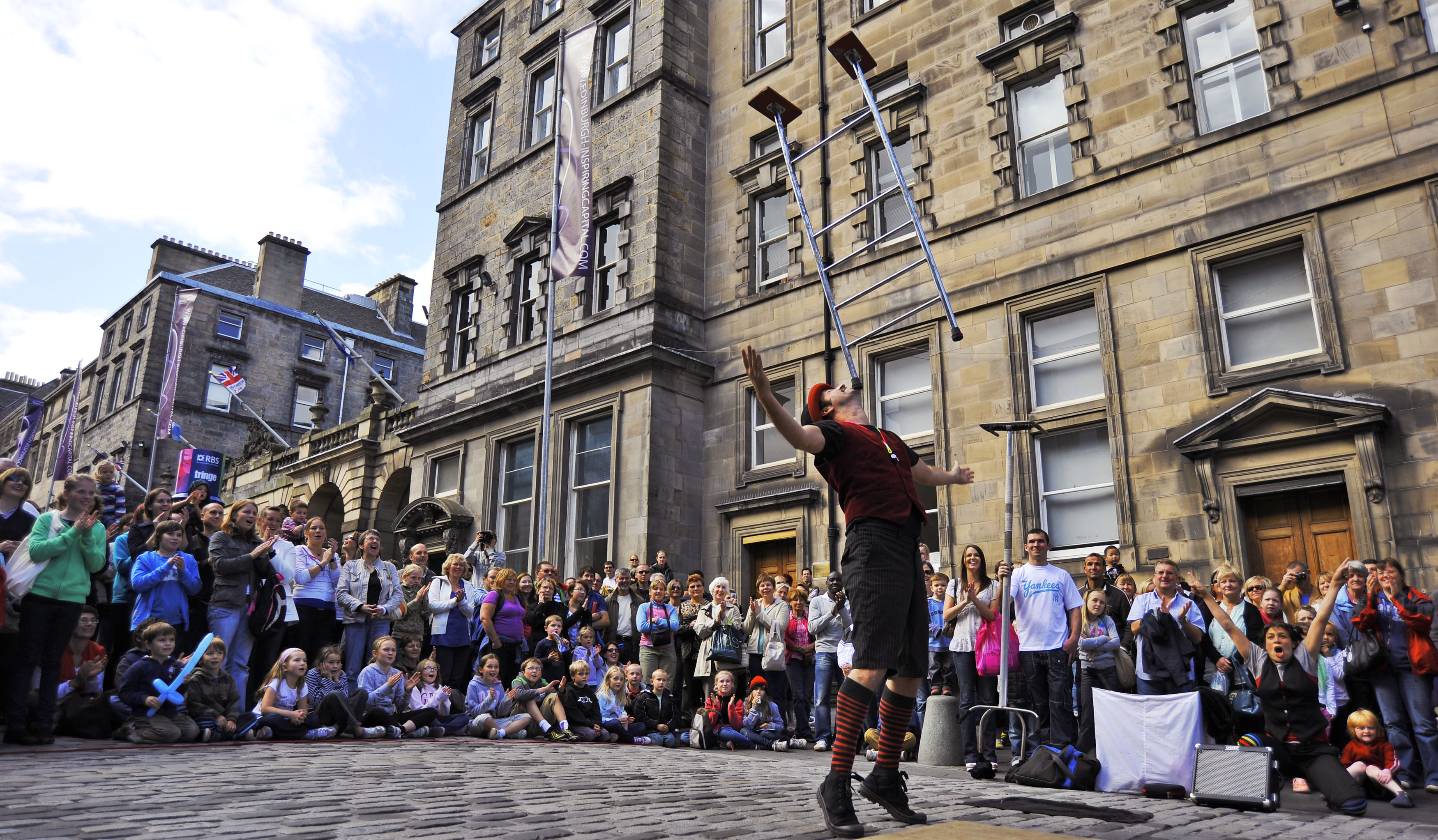
The Fringe has a strong focus on community engagement, with many performances and events designed to be accessible to a wide range of audiences. The festival also features a number of Free Events, including street performances and outdoor concerts. The Fringe's community engagement is an essential part of its success, with many attendees and performers seeing the festival as a key part of their cultural identity. The festival's Topic Intelligence highlights the importance of community engagement and participation in the arts, with many performers and productions using the Fringe as a platform to connect with new audiences.
🌍 International Participation
The Fringe has a significant international presence, with performers and attendees coming from all over the world to participate in the event. The festival has a strong reputation for showcasing innovative and avant-garde performances, and many international acts see it as an essential stop on their tour. The Fringe's international participation is a key part of its success, with many attendees and performers seeing the festival as a unique opportunity to experience new and exciting performances. The festival's Influence Flows demonstrate its significant impact on the global arts scene, with many performers and productions going on to achieve international success.
📈 Growth and Challenges
Despite its success, the Fringe faces a number of challenges, including increasing competition from other festivals and events. The festival must also balance its desire to showcase new and innovative performances with the need to appeal to a wide range of audiences. The Fringe's Controversy Spectrum is relatively low, with most debates centered around issues such as ticket pricing and venue availability. However, the festival's Perspective Breakdown highlights the importance of community engagement and participation, with many attendees and performers seeing the festival as a key part of their cultural identity.
🎉 Cultural Significance
The Fringe has a significant cultural impact, with many performers and productions going on to achieve international success. The festival has also played a major role in shaping the cultural identity of Edinburgh, with many attendees and performers seeing it as an essential part of their cultural heritage. The Fringe's Vibe Score of 92 indicates its high cultural energy and popularity among attendees, making it an attractive destination for tourists and locals alike. The festival's Entity Relationships demonstrate its strong connections to the global arts community, with many performers and productions collaborating across borders.
📊 Economic Impact
The Fringe has a significant economic impact, with ticket sales and revenue generating millions of pounds each year. In 2019, the festival generated an estimated £141 million for the local economy, making it one of the largest economic drivers for the city of Edinburgh. The festival's economic impact is significant, with many local businesses benefiting from the influx of visitors. The Fringe's Topic Intelligence highlights the importance of innovation and creativity in the arts, with many performers and productions using the festival as a platform to connect with new audiences.
👀 Future Developments
As the Fringe continues to grow and evolve, it is likely to face new challenges and opportunities. The festival must balance its desire to showcase new and innovative performances with the need to appeal to a wide range of audiences. The Fringe's Influence Flows demonstrate its significant impact on the global arts scene, with many performers and productions going on to achieve international success. The festival's Social Links include its official Twitter account, which provides updates and insights into the festival. The Fringe's Perspective Breakdown highlights the importance of community engagement and participation, with many attendees and performers seeing the festival as a key part of their cultural identity.
Key Facts
- Year
- 1947
- Origin
- Edinburgh, Scotland
- Category
- Arts and Culture
- Type
- Festival
Frequently Asked Questions
What is the Edinburgh Festival Fringe?
The Edinburgh Festival Fringe is the largest arts festival in the world, featuring a wide range of performances, including theatre, comedy, music, and dance. The festival takes place every August in Edinburgh, Scotland, and is known for its artistic diversity and innovative productions. The Fringe is a key part of the city's cultural identity, with many attendees and performers seeing it as an essential stop on their tour. The festival's Vibe Score of 92 indicates its high cultural energy and popularity among attendees.
How did the Fringe get started?
The Fringe was started in 1947 by a group of performers who decided to stage their own performances on the sidelines of the Edinburgh International Festival. The festival has since grown to become a major event in its own right, with thousands of performances taking place across the city. The Fringe's Topic Intelligence highlights the importance of innovation and creativity in the arts, with many performers and productions using the festival as a platform to connect with new audiences.
What kind of performances can I expect to see at the Fringe?
The Fringe features a wide range of performances, including theatre, comedy, music, and dance. The festival is known for its artistic diversity, with performances ranging from classical to contemporary. The Fringe also features a number of free events, including street performances and outdoor concerts. The festival's Entity Relationships demonstrate its strong connections to the global arts community, with many performers and productions collaborating across borders.
How do I get tickets for the Fringe?
Tickets for the Fringe can be purchased online or in person at the festival's box office. The festival also offers a number of ticket deals and discounts, including discounts for students and seniors. The Fringe's Influence Flows demonstrate its significant impact on the global arts scene, with many performers and productions going on to achieve international success.
What is the best way to experience the Fringe?
The best way to experience the Fringe is to plan ahead and book tickets for the performances you want to see. The festival also offers a number of free events and activities, including street performances and outdoor concerts. The Fringe's Perspective Breakdown highlights the importance of community engagement and participation, with many attendees and performers seeing the festival as a key part of their cultural identity.
How does the Fringe contribute to the local economy?
The Fringe generates an estimated £141 million for the local economy each year, making it one of the largest economic drivers for the city of Edinburgh. The festival also creates thousands of jobs and stimulates local businesses, including hotels, restaurants, and shops. The Fringe's Topic Intelligence highlights the importance of innovation and creativity in the arts, with many performers and productions using the festival as a platform to connect with new audiences.
What is the Fringe's cultural significance?
The Fringe has a significant cultural impact, with many performers and productions going on to achieve international success. The festival has also played a major role in shaping the cultural identity of Edinburgh, with many attendees and performers seeing it as an essential part of their cultural heritage. The Fringe's Vibe Score of 92 indicates its high cultural energy and popularity among attendees.