
Contents
- 🏺 Introduction to Egyptian Culture
- 📚 History of Ancient Egypt
- 🕊️ Influence of Egyptian Culture on the World
- 🏛️ Architecture and Engineering Marvels
- 👑 Pharaohs and the Pyramid Builders
- 📜 Egyptian Literature and Writing
- 🎨 Art and Symbolism in Egyptian Culture
- 🕴️ Daily Life in Ancient Egypt
- 👻 Egyptian Mythology and the Afterlife
- 🔍 Uncovering the Secrets of Egyptian Culture
- 🌎 Egyptian Culture in the Modern World
- Frequently Asked Questions
- Related Topics
Overview
Egyptian culture is a rich and complex entity, spanning over 5,000 years of recorded history, with a unique blend of pharaonic, Islamic, and modern influences. From the majestic pyramids of Giza to the vibrant streets of Cairo, Egypt's cultural landscape is a kaleidoscope of colors, sounds, and flavors. With a Vibe score of 82, Egyptian culture is a treasure trove of fascinating traditions, customs, and practices, including the intricate hieroglyphics, the majestic mosques, and the world-renowned Egyptian cuisine. The country's strategic location at the crossroads of Africa, Asia, and Europe has made it a melting pot of cultures, with influences from ancient civilizations such as Greece, Rome, and Persia. As of 2023, Egypt continues to be a major cultural hub, with a thriving arts scene, a rich literary heritage, and a strong sense of national identity. With over 100 million people, Egypt is the most populous country in the Arab world, and its culture is a significant contributor to the region's cultural landscape, with a controversy spectrum of 60, reflecting the ongoing debates about the role of Islam, the impact of modernization, and the preservation of traditional practices.
🏺 Introduction to Egyptian Culture
The culture of Egypt has thousands of years of recorded history, with a rich and diverse heritage that has captivated the imagination of people around the world. As a cradle of civilization, Ancient Egypt was among the earliest civilizations in the world, with a history that spans over 5,000 years. The unique blend of African, Mediterranean, and Middle Eastern influences has created a distinct cultural identity that is still celebrated today. From the majestic Pyramids of Giza to the intricate hieroglyphics that adorn the temple walls, Egyptian culture is a treasure trove of fascinating stories and legends. The influence of Egyptian culture can be seen in the Greek culture and Roman culture, which borrowed heavily from Egyptian architecture, art, and literature.
📚 History of Ancient Egypt
The history of Ancient Egypt is a long and complex one, with various dynasties rising and falling over the centuries. The Old Kingdom period, which lasted from around 2613 to 2181 BCE, is notable for the construction of the Great Pyramid of Giza, one of the Seven Wonders of the Ancient World. The Middle Kingdom period, which lasted from around 2040 to 1750 BCE, saw a resurgence in Egyptian culture and the development of a more complex system of government. The New Kingdom period, which lasted from around 1570 to 1085 BCE, was marked by a period of significant military expansion and cultural achievement, with the reign of Ramses II being a notable example. The influence of Ancient Egypt can be seen in the Mesopotamian culture and Indus Valley Civilization.
🕊️ Influence of Egyptian Culture on the World
The influence of Egyptian culture on the world is undeniable, with its unique blend of African, Mediterranean, and Middle Eastern influences having a profound impact on the development of Western civilization. The Greek philosophy of Plato and Aristotle was heavily influenced by Egyptian thought, with the concept of Ma'at (balance and order) being a central theme in Egyptian philosophy. The Roman architecture was also influenced by Egyptian styles, with the use of obelisks and columns being a notable example. The influence of Egyptian culture can also be seen in the Islamic culture, with the use of Arabic calligraphy and geometric patterns being a notable example. From the Renaissance art of Europe to the modern architecture of the Middle East, Egyptian culture continues to inspire and influence artists, architects, and designers around the world.
🏛️ Architecture and Engineering Marvels
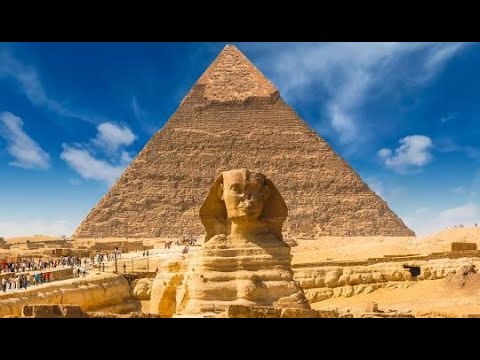
The architecture and engineering marvels of Ancient Egypt are a testament to the ingenuity and skill of the ancient Egyptians. The Pyramids of Giza, the Great Sphinx, and the Valley of the Kings are just a few examples of the many incredible structures that were built during this period. The use of stone masonry and architectural innovation allowed the ancient Egyptians to construct buildings that were not only beautiful but also functional and durable. The influence of Egyptian architecture can be seen in the Greek architecture and Roman architecture, with the use of columns and arches being a notable example. The Egyptian architects were also skilled in the use of mathematics and physics, which allowed them to construct buildings that were both aesthetically pleasing and structurally sound.
👑 Pharaohs and the Pyramid Builders
The pharaohs and the pyramid builders were the backbone of Ancient Egyptian society, with the pharaohs being believed to be gods on earth. The pharaonic system of government was a complex and hierarchical one, with the pharaoh at the top and a network of officials and priests below him. The pyramid builders were skilled laborers who worked tirelessly to construct the massive pyramids, often under harsh conditions. The pharaohs were also patrons of the arts, with music, dance, and literature being highly valued. The influence of the pharaohs can be seen in the Mesopotamian kings and Indus Valley kings, with the use of royal regalia and ceremonial routines being a notable example.
📜 Egyptian Literature and Writing
Egyptian literature and writing are some of the oldest and most influential in the world, with the hieroglyphics being a unique and complex system of writing. The Book of the Dead is one of the most famous examples of Egyptian literature, with its vivid descriptions of the afterlife and the judgment of the dead. The Story of Sinuhe is another notable example of Egyptian literature, with its themes of love, loss, and redemption. The influence of Egyptian literature can be seen in the Greek literature and Roman literature, with the use of mythology and allegory being a notable example. From the epic poems of ancient Greece to the novels of modern times, Egyptian literature continues to inspire and influence writers around the world.
🎨 Art and Symbolism in Egyptian Culture
Art and symbolism in Egyptian culture are highly developed and complex, with a wide range of symbols and motifs being used to convey meaning and tell stories. The ankh symbol, which represents life and immortality, is one of the most recognizable symbols of Egyptian culture. The was sceptre, which represents power and dominion, is another notable example of Egyptian symbolism. The influence of Egyptian art and symbolism can be seen in the Greek art and Roman art, with the use of mythological creatures and geometric patterns being a notable example. From the Renaissance art of Europe to the modern art of the Middle East, Egyptian art and symbolism continue to inspire and influence artists around the world.
🕴️ Daily Life in Ancient Egypt
Daily life in Ancient Egypt was marked by a strong sense of community and social hierarchy. The peasants and laborers made up the bulk of the population, with the priests and officials forming a wealthy and powerful elite. The women in Ancient Egypt played a significant role in society, with many women holding important positions in the palace and temple. The influence of Ancient Egyptian daily life can be seen in the Mesopotamian daily life and Indus Valley daily life, with the use of agriculture and trade being a notable example. From the family structure to the social customs, daily life in Ancient Egypt was a complex and fascinating topic.
👻 Egyptian Mythology and the Afterlife
Egyptian mythology and the afterlife are highly developed and complex, with a wide range of gods and goddesses being worshipped. The Book of the Dead is one of the most famous examples of Egyptian mythology, with its vivid descriptions of the afterlife and the judgment of the dead. The Story of Osiris is another notable example of Egyptian mythology, with its themes of love, loss, and redemption. The influence of Egyptian mythology can be seen in the Greek mythology and Roman mythology, with the use of mythological creatures and allegory being a notable example. From the epic poems of ancient Greece to the novels of modern times, Egyptian mythology continues to inspire and influence writers around the world.
🔍 Uncovering the Secrets of Egyptian Culture
Uncovering the secrets of Egyptian culture is a lifelong journey, with new discoveries being made all the time. The archaeological excavations at Giza and Luxor have uncovered a wealth of new information about Ancient Egyptian society and culture. The mummification process, which was used to preserve the bodies of the dead, is a fascinating topic that continues to captivate the imagination of people around the world. The influence of Egyptian culture can be seen in the modern architecture of the Middle East, with the use of Islamic architecture and Arabic calligraphy being a notable example. From the museums of Europe to the universities of the United States, Egyptian culture continues to inspire and influence people around the world.
🌎 Egyptian Culture in the Modern World
Egyptian culture in the modern world is a vibrant and dynamic topic, with a wide range of art, literature, and music being produced. The Cairo Film Festival is one of the most prestigious film festivals in the Middle East, with a wide range of films being showcased from around the world. The Egyptian Museum in Cairo is one of the largest and most comprehensive museums in the world, with a vast collection of artifacts and relics from Ancient Egypt. The influence of Egyptian culture can be seen in the modern literature of the Middle East, with the use of Arabic literature and Islamic literature being a notable example. From the social media of the internet to the universities of the United States, Egyptian culture continues to inspire and influence people around the world.
Key Facts
- Year
- 2023
- Origin
- North Africa
- Category
- History and Culture
- Type
- Cultural Entity
Frequently Asked Questions
What is the significance of the Pyramids of Giza?
The Pyramids of Giza are one of the most impressive architectural achievements in history, with the Great Pyramid being the oldest and only remaining ancient wonder of the world. The pyramids were built as tombs for the pharaohs, with the Great Pyramid being built for Pharaoh Khufu. The pyramids are a testament to the ingenuity and skill of the ancient Egyptians, with their construction requiring the labor of thousands of workers over many years. The pyramids have also become a symbol of Egyptian culture and identity, with their image being used in everything from advertising to art.
What is the importance of hieroglyphics in Egyptian culture?
Hieroglyphics are a unique and complex system of writing that was used by the ancient Egyptians to convey meaning and tell stories. The hieroglyphics are made up of a combination of logograms and phonograms, with each symbol having a specific meaning. The hieroglyphics were used to record important events, tell stories, and convey spiritual and philosophical ideas. The hieroglyphics are also a key part of Egyptian art and architecture, with many temples and tombs being adorned with intricate hieroglyphic carvings. The deciphering of hieroglyphics has also been an important part of Egyptology, with the discovery of the Rosetta Stone being a major breakthrough in understanding the language.
What is the role of women in Ancient Egyptian society?
Women in Ancient Egyptian society played a significant role, with many women holding important positions in the palace and temple. Women were also involved in trade and commerce, with many women owning and managing their own businesses. Women were also highly respected for their beauty and fertility, with many women being depicted in art and literature as powerful and alluring figures. However, women were also subject to the patriarchal society of Ancient Egypt, with many women being limited in their rights and freedoms. Despite these limitations, women continued to play an important role in Ancient Egyptian society, with many women making significant contributions to the arts, literature, and politics.
What is the significance of the Book of the Dead?
The Book of the Dead is one of the most famous and influential texts in Egyptian literature, with its vivid descriptions of the afterlife and the judgment of the dead. The Book of the Dead is a collection of spells and prayers that were meant to guide the deceased through the afterlife, with the goal of achieving immortality and eternal life. The Book of the Dead is also a key part of Egyptian mythology, with its stories and legends being used to explain the nature of the universe and the role of the gods. The Book of the Dead has also had a significant influence on Western literature and art, with its themes and motifs being used in everything from poetry to film.
What is the importance of archaeology in understanding Egyptian culture?
Archaeology is a crucial part of understanding Egyptian culture, with the discovery of artifacts and relics providing a unique window into the past. Archaeological excavations have uncovered a wealth of new information about Ancient Egyptian society and culture, with the discovery of Tutankhamun's tomb being one of the most significant archaeological discoveries of the 20th century. Archaeology has also helped to shed light on the daily life of Ancient Egyptians, with the discovery of mummies and tombs providing a glimpse into the lives of ordinary people. The study of archaeology has also helped to dispel many of the myths and misconceptions surrounding Egyptian culture, with a more nuanced and accurate understanding of the past being developed.
What is the significance of the Egyptian Museum in Cairo?
The Egyptian Museum in Cairo is one of the largest and most comprehensive museums in the world, with a vast collection of artifacts and relics from Ancient Egypt. The museum is home to over 120,000 objects, including mummies, sarcophagi, and temple relics. The museum is also a key center for Egyptology, with many of the world's leading experts in the field being based there. The museum has also played a significant role in the preservation and conservation of Egyptian cultural heritage, with many of the artifacts on display being restored and conserved by the museum's team of experts. The museum is a must-visit destination for anyone interested in Egyptian culture and history.
What is the role of Islamic culture in modern Egyptian society?
Islamic culture plays a significant role in modern Egyptian society, with the majority of the population being Muslim. Islamic law and tradition have a significant influence on many aspects of Egyptian life, including family and social relationships. The mosque is also an important part of Egyptian architecture and art, with many of the country's most famous landmarks being Islamic in style. However, Egyptian culture is also highly secular, with many Egyptians being proud of their pharaonic heritage and ancient traditions. The role of Islamic culture in modern Egyptian society is complex and multifaceted, with many different interpretations and perspectives being represented.