
Contents
- 🔋 Introduction to Electric Batteries
- 🔌 The History of Electric Batteries
- 📈 The Science Behind Electric Batteries
- 💡 Types of Electric Batteries
- 🔍 Advantages and Disadvantages of Electric Batteries
- 🚀 Applications of Electric Batteries
- 🔋 Electric Battery Maintenance and Safety
- 🌎 Environmental Impact of Electric Batteries
- 📊 The Future of Electric Batteries
- 🤔 Challenges and Controversies in Electric Battery Development
- 📈 The Economics of Electric Batteries
- 🔜 Conclusion: The Pulse of Modern Life
- Frequently Asked Questions
- Related Topics
Overview
The electric battery, with a history dating back to 1800 when Italian physicist Alessandro Volta invented the first true battery, has become the backbone of modern technology, powering everything from smartphones to electric vehicles. However, the development of batteries is not without its tensions, including concerns over lithium mining, battery disposal, and the environmental impact of large-scale energy storage. Companies like Tesla, Panasonic, and LG Chem are at the forefront of battery innovation, with advancements in lithium-ion technology and solid-state batteries promising to increase efficiency and reduce costs. Despite these advancements, the battery industry is not without its challenges, including the need for more sustainable materials and the development of more efficient charging systems. With a Vibe score of 82, the electric battery is a topic of significant cultural energy, reflecting our growing dependence on portable, efficient energy storage. As the world continues to transition towards renewable energy sources, the electric battery will play an increasingly critical role in shaping the future of energy storage and consumption.
🔋 Introduction to Electric Batteries
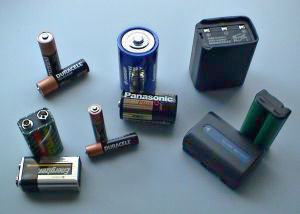
The electric battery is a crucial component of modern life, powering everything from Smartphones to Electric Vehicles. The term 'battery' refers to a device composed of one or more electrochemical cells with external connections for powering electrical devices. When a battery is supplying power, its positive terminal is the Cathode and its negative terminal is the Anode. The terminal marked negative is the source of electrons, which flow through the circuit and reach the positive terminal, causing a redox reaction. This process is essential for the functioning of many modern devices, including Laptops and Tablets.
🔌 The History of Electric Batteries
The history of electric batteries dates back to the 18th century, when Italian physicist Alessandro Volta invented the first electric battery. Volta's battery consisted of a stack of alternating copper and zinc discs separated by cardboard soaked in saltwater. This early battery was the precursor to the modern electric batteries we use today. Over the years, the design and materials used in electric batteries have evolved significantly, with advancements in technology leading to more efficient and powerful batteries. For example, the development of Lithium-Ion Batteries has enabled the creation of smaller, more efficient batteries for use in portable devices such as Smartwatches and Fitness Trackers.
📈 The Science Behind Electric Batteries
The science behind electric batteries is based on the principles of electrochemistry. When a battery is connected to an external electric load, the negatively charged electrons flow through the circuit and reach the positive terminal, causing a redox reaction. This reaction involves the transfer of electrons from the anode to the cathode, resulting in the conversion of higher energy reactants to lower energy products. The free-energy difference is delivered to the external circuit as electrical energy, which can be used to power a wide range of devices, including Electric Motors and Generators. The efficiency of a battery depends on various factors, including the materials used, the design of the battery, and the operating conditions. For instance, the efficiency of a battery can be improved by using high-quality materials and optimizing the design of the battery, as seen in High-Performance Batteries.
💡 Types of Electric Batteries
There are several types of electric batteries, each with its own unique characteristics and applications. Lead-Acid Batteries are commonly used in automotive applications, while Nickel-Cadmium Batteries are often used in power tools and other portable devices. Lithium-Ion Batteries are widely used in portable electronics, such as Smartphones and Laptops, due to their high energy density and long cycle life. Other types of batteries, such as Sodium-Ion Batteries and Zinc-Air Batteries, are also being developed for use in a variety of applications, including Renewable Energy Systems and Electric Vehicles.
🔍 Advantages and Disadvantages of Electric Batteries
Electric batteries have several advantages, including their high energy density, long cycle life, and relatively low self-discharge rate. However, they also have some disadvantages, such as their high cost, limited recyclability, and potential environmental impact. The production of electric batteries requires the use of rare and toxic materials, such as Lithium and Cobalt, which can have negative environmental and health effects. Additionally, the disposal of electric batteries can pose environmental risks if not handled properly, highlighting the need for responsible Battery Recycling practices. Despite these challenges, electric batteries remain a crucial component of modern technology, powering everything from Medical Devices to Space Exploration equipment.
🚀 Applications of Electric Batteries
Electric batteries have a wide range of applications, from portable electronics to electric vehicles. They are used to power Smartphones, Laptops, and other portable devices, as well as Electric Vehicles and Hybrid Vehicles. Electric batteries are also used in Renewable Energy Systems, such as Solar Power Systems and Wind Power Systems, to store excess energy generated during the day for use at night or during periods of low energy generation. Furthermore, electric batteries are used in Energy Storage Systems to stabilize the grid and provide backup power during outages, ensuring a reliable supply of electricity to Data Centers and other critical infrastructure.
🔋 Electric Battery Maintenance and Safety
Proper maintenance and safety precautions are essential for the safe and efficient operation of electric batteries. This includes avoiding overcharging or deep discharging, keeping the battery away from extreme temperatures, and handling the battery with care to avoid physical damage. Additionally, electric batteries should be stored in a cool, dry place, away from flammable materials, and disposed of properly at the end of their life cycle. It is also important to follow the manufacturer's instructions for charging and maintaining the battery, as well as to monitor the battery's state of charge and state of health to ensure optimal performance and longevity, as seen in Battery Management Systems.
🌎 Environmental Impact of Electric Batteries
The environmental impact of electric batteries is a growing concern, as the demand for these batteries continues to increase. The production of electric batteries requires the use of rare and toxic materials, such as Lithium and Cobalt, which can have negative environmental and health effects. Additionally, the disposal of electric batteries can pose environmental risks if not handled properly, highlighting the need for responsible Battery Recycling practices. However, electric batteries also have the potential to reduce greenhouse gas emissions and mitigate climate change by enabling the widespread adoption of Renewable Energy Systems and Electric Vehicles.
📊 The Future of Electric Batteries
The future of electric batteries is exciting, with advancements in technology leading to more efficient and powerful batteries. Researchers are exploring new materials and designs, such as Solid-State Batteries and Lithium-Air Batteries, which have the potential to significantly improve the performance and sustainability of electric batteries. Additionally, the development of Battery Recycling technologies and Closed-Loop Production systems can help reduce the environmental impact of electric batteries and ensure a more sustainable future for the industry, as seen in Circular Economy initiatives.
🤔 Challenges and Controversies in Electric Battery Development
Despite the many advantages of electric batteries, there are also challenges and controversies surrounding their development and use. One of the main challenges is the high cost of electric batteries, which can make them inaccessible to many people. Additionally, there are concerns about the environmental and health impacts of electric batteries, particularly with regards to the mining of rare and toxic materials. Furthermore, there are debates about the best way to recycle and dispose of electric batteries, highlighting the need for more research and development in this area, as seen in Sustainable Technologies initiatives.
📈 The Economics of Electric Batteries
The economics of electric batteries are complex, with the cost of production and the price of raw materials playing a significant role in determining the overall cost of the battery. The demand for electric batteries is also driven by government policies and regulations, such as tax incentives and subsidies for the adoption of Electric Vehicles and Renewable Energy Systems. As the demand for electric batteries continues to grow, it is likely that the cost of production will decrease, making electric batteries more accessible to a wider range of people and applications, including Energy Access initiatives in developing countries.
🔜 Conclusion: The Pulse of Modern Life
In conclusion, electric batteries are a crucial component of modern life, powering everything from Smartphones to Electric Vehicles. While there are challenges and controversies surrounding their development and use, the benefits of electric batteries are clear. As technology continues to advance, it is likely that electric batteries will become even more efficient, sustainable, and accessible, enabling a wider range of applications and uses, from Space Exploration to Medical Research.
Key Facts
- Year
- 1800
- Origin
- Italy
- Category
- Technology
- Type
- Technology
Frequently Asked Questions
What is an electric battery?
An electric battery is a source of electric power consisting of one or more electrochemical cells with external connections for powering electrical devices. The battery works by converting chemical energy into electrical energy, which can be used to power a wide range of devices, from Smartphones to Electric Vehicles.
How do electric batteries work?
Electric batteries work by converting chemical energy into electrical energy through a process called electrochemistry. When a battery is connected to an external electric load, the negatively charged electrons flow through the circuit and reach the positive terminal, causing a redox reaction. This reaction involves the transfer of electrons from the anode to the cathode, resulting in the conversion of higher energy reactants to lower energy products, and the free-energy difference is delivered to the external circuit as electrical energy, which can be used to power devices such as Laptops and Tablets.
What are the advantages of electric batteries?
Electric batteries have several advantages, including their high energy density, long cycle life, and relatively low self-discharge rate. They are also relatively lightweight and compact, making them ideal for use in portable devices such as Smartphones and Laptops. Additionally, electric batteries are relatively low maintenance, as they do not require regular servicing or replacement, unlike Internal Combustion Engines.
What are the disadvantages of electric batteries?
Electric batteries have several disadvantages, including their high cost, limited recyclability, and potential environmental impact. The production of electric batteries requires the use of rare and toxic materials, such as Lithium and Cobalt, which can have negative environmental and health effects. Additionally, the disposal of electric batteries can pose environmental risks if not handled properly, highlighting the need for responsible Battery Recycling practices.
What is the future of electric batteries?
The future of electric batteries is exciting, with advancements in technology leading to more efficient and powerful batteries. Researchers are exploring new materials and designs, such as Solid-State Batteries and Lithium-Air Batteries, which have the potential to significantly improve the performance and sustainability of electric batteries. Additionally, the development of Battery Recycling technologies and Closed-Loop Production systems can help reduce the environmental impact of electric batteries and ensure a more sustainable future for the industry.
How can I properly maintain and safety precautions for electric batteries?
Proper maintenance and safety precautions are essential for the safe and efficient operation of electric batteries. This includes avoiding overcharging or deep discharging, keeping the battery away from extreme temperatures, and handling the battery with care to avoid physical damage. Additionally, electric batteries should be stored in a cool, dry place, away from flammable materials, and disposed of properly at the end of their life cycle. It is also important to follow the manufacturer's instructions for charging and maintaining the battery, as well as to monitor the battery's state of charge and state of health to ensure optimal performance and longevity.
What are the environmental impacts of electric batteries?
The environmental impact of electric batteries is a growing concern, as the demand for these batteries continues to increase. The production of electric batteries requires the use of rare and toxic materials, such as Lithium and Cobalt, which can have negative environmental and health effects. Additionally, the disposal of electric batteries can pose environmental risks if not handled properly, highlighting the need for responsible Battery Recycling practices. However, electric batteries also have the potential to reduce greenhouse gas emissions and mitigate climate change by enabling the widespread adoption of Renewable Energy Systems and Electric Vehicles.