
Contents
- 🔋 Introduction to Lithium Ion Batteries
- 📈 History and Development of Li-ion Batteries
- 🔍 How Lithium Ion Batteries Work
- 💡 Advantages of Lithium Ion Batteries
- 📊 Market Demand and Production Capacity
- 🚀 Applications of Lithium Ion Batteries
- 🔋 Charging and Discharging Mechanisms
- 🌎 Environmental Impact of Lithium Ion Batteries
- 💻 Future Developments and Innovations
- 📊 Economic Impact of Lithium Ion Batteries
- 👥 Key Players in the Lithium Ion Battery Industry
- 🔜 Conclusion and Future Outlook
- Frequently Asked Questions
- Related Topics
Overview
Lithium ion batteries, developed by John Goodenough, Akira Yoshino, and M. Stanley Whittingham, have revolutionized the way we store energy. With a global market projected to reach $129.3 billion by 2027, Li-ion batteries power everything from smartphones to electric vehicles. However, concerns over lithium mining, battery waste, and thermal runaway have sparked intense debates. As the world transitions to renewable energy sources, Li-ion batteries will play a crucial role, with companies like Tesla, LG Chem, and CATL leading the charge. Despite the challenges, researchers are exploring new technologies, such as solid-state batteries, to improve efficiency and safety. With a Vibe score of 82, lithium ion batteries are a cultural and technological phenomenon that will continue to shape our future, with 2025 expected to be a pivotal year for advancements in the field, originating from the groundbreaking work of the 1970s and 1980s.
🔋 Introduction to Lithium Ion Batteries
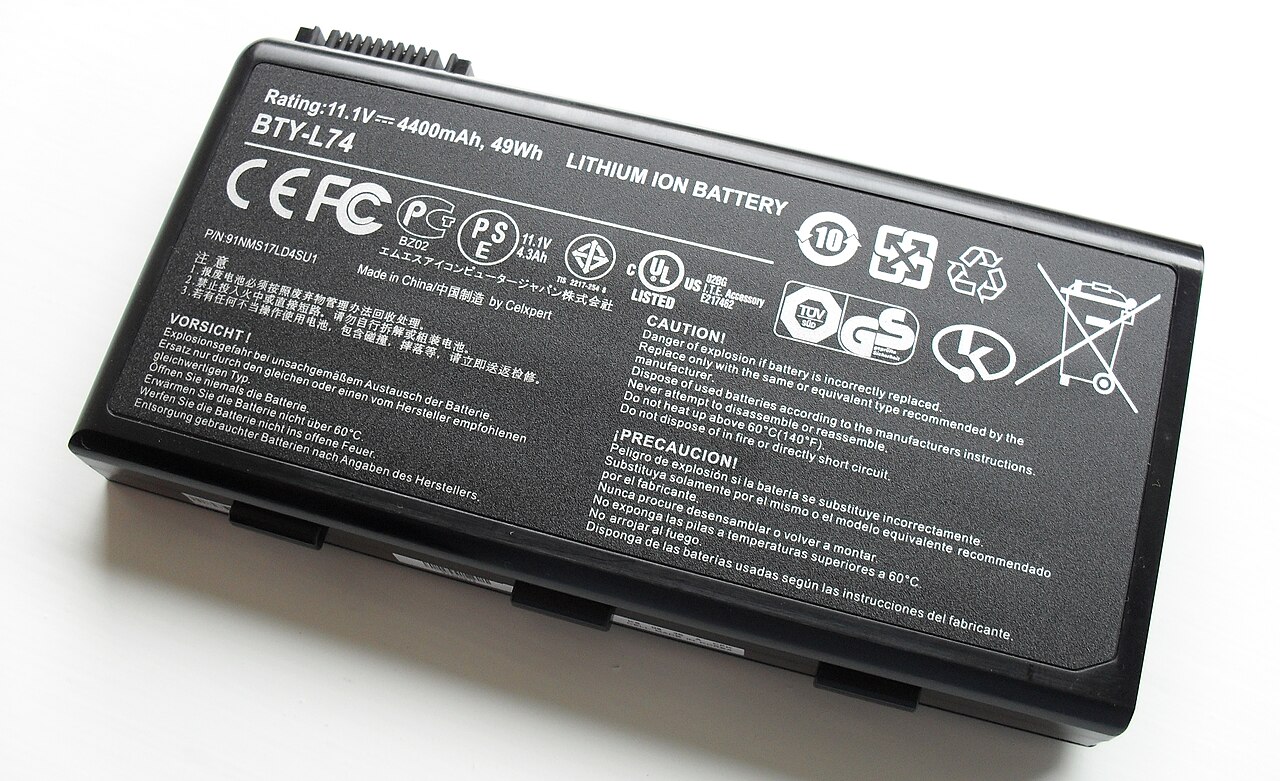
Lithium ion batteries, also known as Li-ion batteries, have become an essential component of modern technology, powering devices such as Smartphones, Laptops, and Electric Vehicles. With their high energy density, long cycle life, and low self-discharge rate, Li-ion batteries have revolutionized the way we live and work. According to Energy Storage experts, the global demand for Li-ion batteries has surpassed 1 terawatt-hour per year, with production capacity exceeding twice that amount. As the world continues to shift towards renewable energy sources, the demand for Li-ion batteries is expected to grow, driving innovation and investment in the industry. Renewable Energy sources, such as solar and wind power, are becoming increasingly important, and Li-ion batteries play a crucial role in storing excess energy generated by these sources.
📈 History and Development of Li-ion Batteries
The history of Li-ion batteries dates back to the 1970s, when Stanley Whittingham first discovered the concept of intercalation, which is the reversible insertion of ions into a solid material. However, it wasn't until the 1990s that the first commercial Li-ion batteries were released, with Sony being one of the pioneers in the industry. Since then, the technology has undergone significant improvements, with advancements in materials science and manufacturing processes. Today, Li-ion batteries are used in a wide range of applications, from Consumer Electronics to Electric Vehicles. The development of Li-ion batteries has also been influenced by Government Policies and Regulatory Frameworks that support the adoption of renewable energy sources.
🔍 How Lithium Ion Batteries Work
So, how do Li-ion batteries work? The basic principle is based on the movement of Lithium Ions between two electrodes, a positive cathode and a negative anode, separated by an electrolyte. When a battery is charged, lithium ions are inserted into the anode, and when it's discharged, they're released back into the cathode. This process allows for the storage and release of electrical energy, making Li-ion batteries a highly efficient and reliable source of power. The chemistry behind Li-ion batteries is complex, involving the interaction of various materials, such as Graphite, Cobalt, and Nickel. Understanding the chemistry of Li-ion batteries is crucial for developing new and improved battery technologies.
💡 Advantages of Lithium Ion Batteries
One of the key advantages of Li-ion batteries is their high energy density, which allows for the storage of a large amount of energy in a relatively small space. This makes them ideal for use in portable devices, such as Smartphones and Laptops. Additionally, Li-ion batteries have a long cycle life, with some batteries lasting up to 500 charge cycles or more. They also have a low self-discharge rate, which means that they can retain their charge for long periods of time. The high energy density and long cycle life of Li-ion batteries make them an attractive option for Electric Vehicles and Renewable Energy Systems.
📊 Market Demand and Production Capacity
The market demand for Li-ion batteries has been growing rapidly in recent years, driven by the increasing adoption of Electric Vehicles and Renewable Energy Systems. In 2024, the global demand for Li-ion batteries surpassed 1 terawatt-hour per year, with production capacity exceeding twice that amount. This growth is expected to continue, with the market projected to reach 2 terawatt-hours per year by 2025. The increasing demand for Li-ion batteries has led to the development of new manufacturing technologies and the expansion of existing production facilities. Companies such as Tesla and LG Chem are investing heavily in Li-ion battery production, driving innovation and reducing costs.
🚀 Applications of Lithium Ion Batteries
Li-ion batteries have a wide range of applications, from Consumer Electronics to Electric Vehicles. They're used in Smartphones, Laptops, and Tablets, as well as in Power Tools and Medical Devices. They're also used in Renewable Energy Systems, such as solar and wind power, to store excess energy generated by these sources. The use of Li-ion batteries in Electric Vehicles is becoming increasingly popular, with many manufacturers investing in the development of Li-ion battery technology. The adoption of Li-ion batteries in Energy Storage Systems is also on the rise, enabling the efficient storage and release of electrical energy.
🔋 Charging and Discharging Mechanisms
The charging and discharging mechanisms of Li-ion batteries are critical to their performance and longevity. When a Li-ion battery is charged, lithium ions are inserted into the anode, and when it's discharged, they're released back into the cathode. This process can be repeated hundreds of times, but it's not without its limitations. Overcharging and deep discharging can reduce the lifespan of a Li-ion battery, so it's essential to follow proper charging and discharging procedures. The development of advanced charging and discharging technologies, such as Fast Charging and Wireless Charging, is improving the efficiency and convenience of Li-ion batteries.
🌎 Environmental Impact of Lithium Ion Batteries
The environmental impact of Li-ion batteries is a growing concern, as the demand for these batteries continues to increase. The production of Li-ion batteries requires the use of Lithium, Cobalt, and other materials, which can have negative environmental and social impacts. Additionally, the disposal of Li-ion batteries at the end of their life can pose environmental risks, such as Toxic Waste and Pollution. However, many companies are working to develop more sustainable Li-ion battery technologies, such as Recycling and Sustainable Materials. The development of Circular Economy models for Li-ion batteries is also becoming increasingly important, enabling the efficient reuse and recycling of battery materials.
💻 Future Developments and Innovations
The future of Li-ion batteries is exciting, with many new developments and innovations on the horizon. Researchers are working on improving the energy density and lifespan of Li-ion batteries, as well as reducing their cost and environmental impact. New materials and technologies, such as Solid State Batteries and Lithium Air Batteries, are being developed, which could potentially replace traditional Li-ion batteries. The development of Artificial Intelligence and Machine Learning technologies is also improving the efficiency and performance of Li-ion batteries, enabling the optimization of charging and discharging processes.
📊 Economic Impact of Lithium Ion Batteries
The economic impact of Li-ion batteries is significant, with the global market projected to reach trillions of dollars in the coming years. The demand for Li-ion batteries is driving investment and innovation in the industry, creating new job opportunities and stimulating economic growth. However, the production of Li-ion batteries also has negative economic impacts, such as the cost of raw materials and the environmental costs of production. The development of Sustainable Supply Chains and Circular Economy models for Li-ion batteries is crucial for reducing the economic and environmental impacts of the industry.
👥 Key Players in the Lithium Ion Battery Industry
The key players in the Li-ion battery industry are companies such as Tesla, LG Chem, and Panasonic. These companies are investing heavily in the development and production of Li-ion batteries, driving innovation and reducing costs. Other companies, such as Apple and Samsung, are also using Li-ion batteries in their products, driving demand and growth in the industry. The collaboration between companies, governments, and research institutions is essential for advancing Li-ion battery technology and addressing the challenges facing the industry.
🔜 Conclusion and Future Outlook
In conclusion, Li-ion batteries have revolutionized the way we live and work, powering devices and systems that are essential to modern life. As the demand for Li-ion batteries continues to grow, it's essential to address the challenges facing the industry, such as the environmental impact and the cost of production. With ongoing innovation and investment, the future of Li-ion batteries is bright, and they will continue to play a critical role in shaping the modern world. The development of new technologies and materials will enable the creation of more efficient, sustainable, and cost-effective Li-ion batteries, driving growth and innovation in the industry.
Key Facts
- Year
- 1991
- Origin
- United States and Japan
- Category
- Energy and Technology
- Type
- Technology
Frequently Asked Questions
What is the average lifespan of a Li-ion battery?
The average lifespan of a Li-ion battery is around 500 charge cycles or more, depending on the quality of the battery and how it's used. However, this can vary depending on the specific application and usage patterns. Factors such as temperature, charging and discharging rates, and depth of discharge can all impact the lifespan of a Li-ion battery. Lithium Ion Batteries are designed to last for many years, but their lifespan can be extended by following proper charging and discharging procedures.
Can Li-ion batteries be recycled?
Yes, Li-ion batteries can be recycled, and many companies are working to develop recycling technologies and processes. Recycling Li-ion batteries can help to reduce waste and conserve natural resources, as well as reduce the environmental impacts of mining and processing raw materials. Recycling Li-ion batteries is a complex process, but it can help to recover valuable materials such as Lithium, Cobalt, and Nickel.
What are the advantages of Li-ion batteries over other types of batteries?
Li-ion batteries have several advantages over other types of batteries, including higher energy density, longer cycle life, and lower self-discharge rate. They're also relatively lightweight and compact, making them ideal for use in portable devices. Additionally, Li-ion batteries have a relatively low environmental impact compared to other types of batteries, although they do require the use of Lithium and other materials. Energy Density is a key factor in determining the performance of a battery, and Li-ion batteries have a high energy density compared to other types of batteries.
How do Li-ion batteries work?
Li-ion batteries work by using the reversible intercalation of Lithium Ions into electronically conducting solids to store energy. When a battery is charged, lithium ions are inserted into the anode, and when it's discharged, they're released back into the cathode. This process allows for the storage and release of electrical energy, making Li-ion batteries a highly efficient and reliable source of power. The chemistry behind Li-ion batteries is complex, involving the interaction of various materials, such as Graphite, Cobalt, and Nickel.
What are the environmental impacts of Li-ion batteries?
The environmental impacts of Li-ion batteries are a growing concern, as the demand for these batteries continues to increase. The production of Li-ion batteries requires the use of Lithium, Cobalt, and other materials, which can have negative environmental and social impacts. Additionally, the disposal of Li-ion batteries at the end of their life can pose environmental risks, such as Toxic Waste and Pollution. However, many companies are working to develop more sustainable Li-ion battery technologies, such as Recycling and Sustainable Materials.
What is the future of Li-ion batteries?
The future of Li-ion batteries is exciting, with many new developments and innovations on the horizon. Researchers are working on improving the energy density and lifespan of Li-ion batteries, as well as reducing their cost and environmental impact. New materials and technologies, such as Solid State Batteries and Lithium Air Batteries, are being developed, which could potentially replace traditional Li-ion batteries. The development of Artificial Intelligence and Machine Learning technologies is also improving the efficiency and performance of Li-ion batteries.
Who are the key players in the Li-ion battery industry?
The key players in the Li-ion battery industry are companies such as Tesla, LG Chem, and Panasonic. These companies are investing heavily in the development and production of Li-ion batteries, driving innovation and reducing costs. Other companies, such as Apple and Samsung, are also using Li-ion batteries in their products, driving demand and growth in the industry. The collaboration between companies, governments, and research institutions is essential for advancing Li-ion battery technology and addressing the challenges facing the industry.