
Contents
- 📚 Introduction to Emotional Design
- 💻 The Role of Technology in Emotional Design
- 📊 The Business Case for Emotional Design
- 👥 The Psychology of Emotional Design
- 📈 Measuring Emotional Design
- 🎨 The Aesthetics of Emotional Design
- 📱 Mobile Emotional Design
- 💸 The Economics of Emotional Design
- 🤝 The Future of Emotional Design
- 📊 Controversies in Emotional Design
- Frequently Asked Questions
- Related Topics
Overview
Emotional design, a concept pioneered by Don Norman in 2004, refers to the practice of creating products and interfaces that evoke emotions, creating a deeper connection with users. This approach considers the emotional, social, and cultural aspects of design, aiming to craft experiences that are not only functional but also enjoyable and memorable. With a vibe score of 8, emotional design has become a cornerstone of modern UX, influencing companies like Apple and Airbnb to prioritize user experience. However, critics argue that emotional design can be manipulative, exploiting user emotions for commercial gain. As technology advances, the future of emotional design will likely involve more sophisticated uses of AI, data analytics, and neuroscience to create personalized, empathetic experiences. But who will control the emotional narrative, and what are the implications for user agency and well-being? The debate is ongoing, with key figures like Tristan Harris and Jaron Lanier weighing in on the ethics of emotional design.
📚 Introduction to Emotional Design
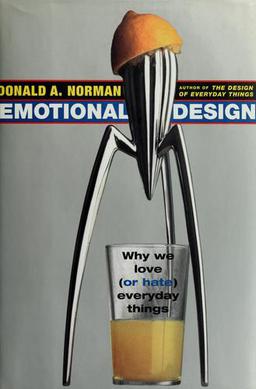
Emotional Design is a concept that has been around for decades, but it wasn't until Donald Norman wrote his book 'Emotional Design: Why We Love (or Hate) Everyday Things' that it gained widespread recognition. As User Experience (UX) Design continues to evolve, emotional design has become an essential aspect of creating products that resonate with users. The concept is simple: design products that evoke emotions, and users will be more likely to engage with them. For example, Apple's focus on emotional design has contributed to their loyal customer base. The company's attention to detail and commitment to creating products that are both functional and beautiful have set a high standard for the industry.
💻 The Role of Technology in Emotional Design
Technology plays a significant role in emotional design, as it enables designers to create interactive and immersive experiences. Virtual Reality (VR), Augmented Reality (AR), and Artificial Intelligence (AI) are just a few examples of technologies that can be used to create emotional connections with users. For instance, Facebook's use of AI-powered chatbots has improved user engagement and provided a more personalized experience. However, as technology advances, it's essential to consider the potential risks and consequences of emotional design, such as the impact of social media on mental health. Designers must be aware of these issues and strive to create products that promote positive emotional experiences.
📊 The Business Case for Emotional Design
The business case for emotional design is clear: products that evoke emotions are more likely to drive engagement, loyalty, and ultimately, revenue. Companies like Airbnb and Uber have successfully implemented emotional design principles to create loyal customer bases. By focusing on the emotional needs of their users, these companies have been able to differentiate themselves from competitors and establish strong brand identities. However, measuring the effectiveness of emotional design can be challenging, and companies must develop strategies to assess the emotional impact of their products. This can be achieved through user research and A/B testing.
👥 The Psychology of Emotional Design
The psychology of emotional design is complex and multifaceted. Designers must consider the cognitive, social, and cultural factors that influence user emotions. For example, color theory and typography can be used to evoke specific emotions and create a particular atmosphere. The concept of emotional intelligence is also essential in emotional design, as it enables designers to understand and empathize with users' emotional needs. By considering these factors, designers can create products that resonate with users on a deeper level. However, it's essential to recognize that emotional design is not a one-size-fits-all approach, and designers must be sensitive to the diverse needs and preferences of their users.
📈 Measuring Emotional Design
Measuring emotional design is a challenging task, as it requires designers to quantify the emotional impact of their products. However, there are several methods that can be used to assess emotional design, including user surveys, usability testing, and neuroscience-based methods. For instance, neuroscience-based methods can be used to measure the brain's emotional response to different design elements. By using these methods, designers can gain a deeper understanding of how their products evoke emotions and make data-driven decisions to improve the user experience. However, it's essential to recognize that measuring emotional design is not a precise science, and designers must be aware of the limitations and potential biases of these methods.
🎨 The Aesthetics of Emotional Design
The aesthetics of emotional design are crucial in creating products that evoke emotions. Designers must consider the visual, auditory, and tactile elements that contribute to the overall user experience. For example, Material Design and Flat Design are two popular design trends that have been used to create visually appealing and intuitive products. However, the aesthetics of emotional design go beyond visual elements, and designers must also consider the role of sound, texture, and other sensory elements in creating an emotional connection with users. By considering these factors, designers can create products that are both beautiful and functional. However, it's essential to recognize that aesthetics are subjective, and designers must be sensitive to the diverse tastes and preferences of their users.
📱 Mobile Emotional Design
Mobile emotional design is a critical aspect of creating products that resonate with users on-the-go. With the rise of mobile-first design, designers must consider the unique challenges and opportunities of mobile devices. For example, mobile apps can be used to create personalized and contextual experiences that evoke emotions. However, mobile devices also present challenges, such as limited screen real estate and distractions, that can negatively impact the user experience. By considering these factors, designers can create mobile products that are both functional and emotionally engaging. For instance, Instagram's use of mobile-first design has enabled the company to create a highly engaging and personalized experience for its users.
💸 The Economics of Emotional Design
The economics of emotional design are significant, as products that evoke emotions are more likely to drive revenue and loyalty. Companies that invest in emotional design are more likely to see a return on investment, as users are more likely to engage with and recommend products that resonate with them emotionally. However, the economics of emotional design also raise important questions about the potential risks and consequences of emotional manipulation. Designers must be aware of these issues and strive to create products that promote positive emotional experiences, rather than exploiting users' emotions for financial gain. By considering these factors, designers can create products that are both economically viable and emotionally responsible.
🤝 The Future of Emotional Design
The future of emotional design is exciting and uncertain. As technology continues to advance, designers will have new opportunities to create immersive and interactive experiences that evoke emotions. However, the future of emotional design also raises important questions about the potential risks and consequences of emotional manipulation. Designers must be aware of these issues and strive to create products that promote positive emotional experiences, rather than exploiting users' emotions for financial gain. By considering these factors, designers can create products that are both innovative and emotionally responsible. For example, the use of AI and VR in emotional design has the potential to create new and innovative experiences that evoke emotions, but it also raises important questions about the potential risks and consequences of these technologies.
📊 Controversies in Emotional Design
Controversies in emotional design are numerous and complex. One of the most significant controversies is the potential for emotional manipulation, where designers use emotional design principles to exploit users' emotions for financial gain. Another controversy is the lack of diversity and representation in emotional design, where designers may prioritize the needs and preferences of certain user groups over others. By recognizing and addressing these controversies, designers can create products that are both emotionally engaging and responsible. For instance, the use of inclusive design principles can help designers create products that are more diverse and representative of different user groups.
Key Facts
- Year
- 2004
- Origin
- Don Norman's book 'Emotional Design: Why We Love (or Hate) Everyday Things'
- Category
- Design & Technology
- Type
- Design Concept
Frequently Asked Questions
What is emotional design?
Emotional design is a concept that refers to the creation of products that evoke emotions in users. It involves considering the cognitive, social, and cultural factors that influence user emotions and creating products that resonate with users on a deeper level. Emotional design is essential in creating products that drive engagement, loyalty, and revenue. For example, Airbnb's use of emotional design has enabled the company to create a loyal customer base. However, emotional design is not a one-size-fits-all approach, and designers must be sensitive to the diverse needs and preferences of their users.
How does technology impact emotional design?
Technology plays a significant role in emotional design, as it enables designers to create interactive and immersive experiences. Technologies like Virtual Reality (VR), Augmented Reality (AR), and Artificial Intelligence (AI) can be used to create emotional connections with users. However, technology also presents challenges, such as the potential for emotional manipulation and the need for designers to consider the potential risks and consequences of emotional design. By recognizing these challenges, designers can create products that are both emotionally engaging and responsible.
What are the benefits of emotional design?
The benefits of emotional design are numerous. Products that evoke emotions are more likely to drive engagement, loyalty, and revenue. Emotional design can also help companies differentiate themselves from competitors and establish strong brand identities. However, the benefits of emotional design also raise important questions about the potential risks and consequences of emotional manipulation. Designers must be aware of these issues and strive to create products that promote positive emotional experiences, rather than exploiting users' emotions for financial gain.
How can designers measure emotional design?
Measuring emotional design is a challenging task, as it requires designers to quantify the emotional impact of their products. However, there are several methods that can be used to assess emotional design, including user surveys, usability testing, and neuroscience-based methods. By using these methods, designers can gain a deeper understanding of how their products evoke emotions and make data-driven decisions to improve the user experience.
What are the controversies in emotional design?
Controversies in emotional design are numerous and complex. One of the most significant controversies is the potential for emotional manipulation, where designers use emotional design principles to exploit users' emotions for financial gain. Another controversy is the lack of diversity and representation in emotional design, where designers may prioritize the needs and preferences of certain user groups over others. By recognizing and addressing these controversies, designers can create products that are both emotionally engaging and responsible.
How can designers create products that are both emotionally engaging and responsible?
Designers can create products that are both emotionally engaging and responsible by considering the potential risks and consequences of emotional design. This involves being aware of the potential for emotional manipulation and striving to create products that promote positive emotional experiences, rather than exploiting users' emotions for financial gain. Designers can also use inclusive design principles to create products that are more diverse and representative of different user groups. By recognizing and addressing the controversies in emotional design, designers can create products that are both innovative and emotionally responsible.
What is the future of emotional design?
The future of emotional design is exciting and uncertain. As technology continues to advance, designers will have new opportunities to create immersive and interactive experiences that evoke emotions. However, the future of emotional design also raises important questions about the potential risks and consequences of emotional manipulation. Designers must be aware of these issues and strive to create products that promote positive emotional experiences, rather than exploiting users' emotions for financial gain. By considering these factors, designers can create products that are both innovative and emotionally responsible.