
Contents
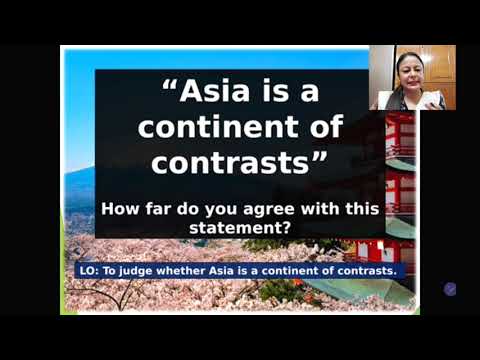
- 🌏 Introduction to Asia: A Continent of Contrasts
- 🌍 Geography and Climate of Asia
- 🏙️ Urbanization and City Life in Asia
- 🍜 Asian Cuisine: A Fusion of Flavors
- 🎨 Asian Culture: A Rich Tapestry of Traditions
- 👥 Asian People: Diversity and Identity
- 📊 Asian Economy: Growth and Challenges
- 🌟 Asian Tourism: Exploring the Continent's Wonders
- 📚 Asian History: A Story of Empires and Civilizations
- 🤝 Asian International Relations: Cooperation and Conflict
- 🌈 Asian Future: Opportunities and Challenges
- Frequently Asked Questions
- Related Topics
Overview
Asia, the world's largest and most populous continent, is a complex tapestry of cultures, languages, and histories. From the ancient civilizations of China, India, and Japan to the modern-day economic powerhouses of South Korea and Singapore, Asia is a continent of stark contrasts. With a population of over 4.5 billion people, representing more than 50 countries and 2,300 languages, Asia is a region of immense diversity. The continent is home to some of the world's most influential philosophical and religious traditions, including Buddhism, Hinduism, and Confucianism. Despite its many achievements, Asia also faces significant challenges, including poverty, inequality, and environmental degradation. As the continent continues to evolve and grow, it is likely to play an increasingly important role in shaping the world's future, with many predicting that Asia will become the dominant economic and cultural force of the 21st century, with a projected GDP of over $50 trillion by 2025, according to a report by the Asian Development Bank.
🌏 Introduction to Asia: A Continent of Contrasts
Asia, the largest and most populous continent, is a land of contrasts. From the snow-capped mountains of the Himalayas to the sun-kissed beaches of Bali, Asia is home to a diverse range of landscapes and cultures. The continent is home to over 4.5 billion people, with a wide range of ethnicities, languages, and religions. To understand Asia, it's essential to explore its Geography and Culture, which have shaped the continent's history and identity. The Cuisine of the continent is also a reflection of its diversity, with popular dishes like sushi from Japan and curries from India.
🌍 Geography and Climate of Asia
The geography of Asia is characterized by its vast size and varied landscapes. The continent is bounded by the Pacific Ocean to the east, the Indian Ocean to the south, and the Arctic Ocean to the north. The Himalayas stretch across several countries, including Nepal, Bhutan, and India. The climate of Asia ranges from tropical to arctic, with countries like Singapore and Malaysia experiencing a warm and humid climate, while countries like Russia and Mongolia experience a cold and dry climate. The Climate has a significant impact on the continent's Agriculture and Economy.
🏙️ Urbanization and City Life in Asia
Urbanization is a significant trend in Asia, with many cities experiencing rapid growth and development. Cities like Tokyo, Seoul, and Hong Kong are known for their modern infrastructure, technology, and innovation. The Urbanization of Asia has led to the growth of megacities, with populations exceeding 10 million people. However, this growth has also led to challenges like Pollution, Traffic Congestion, and Inequality. The City is a hub of Culture, Entertainment, and Business.
🍜 Asian Cuisine: A Fusion of Flavors
Asian cuisine is a fusion of flavors and ingredients, with popular dishes like sushi, curries, and noodles. The cuisine of Asia is shaped by the continent's diverse cultures, religions, and ingredients. The Cuisine of the continent is also influenced by its History, with the Silk Road playing a significant role in the exchange of spices, ingredients, and cooking techniques. The Food of Asia is a reflection of its diversity, with countries like China, Japan, and Korea offering unique and delicious culinary experiences. The Cuisine of Asia has also been influenced by its Colonial History, with the introduction of new ingredients and cooking techniques.
🎨 Asian Culture: A Rich Tapestry of Traditions
Asian culture is a rich tapestry of traditions, with a wide range of customs, festivals, and practices. The culture of Asia is shaped by its diverse religions, including Buddhism, Hinduism, and Islam. The Culture of the continent is also influenced by its History, with the Mongol Empire and the Chinese Empire playing significant roles in shaping the continent's cultural landscape. The Arts of Asia, including Music, Dance, and Theater, are also an integral part of the continent's cultural heritage. The Festivals of Asia, like the Chinese New Year and the Diwali, are also an important part of the continent's cultural calendar.
👥 Asian People: Diversity and Identity
The people of Asia are diverse, with a wide range of ethnicities, languages, and religions. The Demographics of the continent are characterized by a large and growing population, with countries like China and India accounting for over 30% of the world's population. The Population of Asia is also characterized by a significant youth demographic, with over 60% of the population under the age of 30. The Education system in Asia is also an important factor in shaping the continent's Economy and Society. The Migration of people within Asia and to other continents is also a significant trend, with countries like Singapore and Australia experiencing significant immigration from Asian countries.
📊 Asian Economy: Growth and Challenges
The economy of Asia is characterized by rapid growth and development, with countries like China and India emerging as major economic powers. The Economy of the continent is driven by a range of industries, including Manufacturing, Technology, and Services. The Trade relationships between Asian countries and other continents are also an important factor in shaping the continent's economy. The Investment in Asia is also a significant trend, with countries like Japan and South Korea investing heavily in the continent's infrastructure and industries. The Poverty and Inequality in Asia are also significant challenges, with many countries experiencing significant disparities in income and access to resources.
🌟 Asian Tourism: Exploring the Continent's Wonders
Tourism is a significant industry in Asia, with countries like Thailand, Vietnam, and Indonesia experiencing rapid growth in tourist arrivals. The Tourism industry in Asia is driven by the continent's rich cultural heritage, natural beauty, and modern infrastructure. The Travel industry in Asia is also an important factor in shaping the continent's economy, with many countries relying heavily on tourism revenue. The Hospitality industry in Asia is also an important sector, with many countries offering unique and welcoming experiences for tourists. The Sustainability of tourism in Asia is also a significant challenge, with many countries experiencing environmental and social impacts from tourism development.
📚 Asian History: A Story of Empires and Civilizations
The history of Asia is a long and complex one, with many empires and civilizations rising and falling over the centuries. The History of the continent is shaped by the interactions between different cultures, religions, and empires. The Mongol Empire and the Chinese Empire are two of the most significant empires in Asian history, with both empires playing a major role in shaping the continent's cultural and economic landscape. The Colonial History of Asia is also an important factor in shaping the continent's modern identity, with many countries experiencing significant impacts from colonialism. The Independence movements in Asia are also an important part of the continent's history, with many countries achieving independence in the mid-20th century.
🤝 Asian International Relations: Cooperation and Conflict
The international relations of Asia are complex and multifaceted, with many countries experiencing cooperation and conflict with their neighbors. The International Relations of the continent are shaped by a range of factors, including Geopolitics, Economics, and Culture. The Regional Organizations in Asia, such as the ASEAN and the Shanghai Cooperation Organization, play an important role in promoting cooperation and stability in the region. The Conflict in Asia is also a significant challenge, with many countries experiencing territorial disputes and other forms of conflict. The Diplomacy in Asia is also an important factor in shaping the continent's international relations, with many countries engaging in diplomatic efforts to resolve conflicts and promote cooperation.
🌈 Asian Future: Opportunities and Challenges
The future of Asia is uncertain, with many challenges and opportunities on the horizon. The Future of the continent is shaped by a range of factors, including Demographics, Economics, and Technology. The Sustainability of Asia's growth and development is also a significant challenge, with many countries experiencing environmental and social impacts from rapid industrialization and urbanization. The Innovation in Asia is also an important factor in shaping the continent's future, with many countries investing heavily in research and development. The Globalization of Asia is also a significant trend, with many countries experiencing increased integration into the global economy.
Key Facts
- Year
- 2022
- Origin
- Asia
- Category
- Geography and Culture
- Type
- Geographic Region
Frequently Asked Questions
What is the largest country in Asia?
The largest country in Asia is Russia, which covers an area of over 17 million square kilometers. However, the largest country in Asia by population is China, with a population of over 1.4 billion people. The Demographics of Asia are characterized by a large and growing population, with many countries experiencing significant urbanization and migration. The Economy of Asia is also an important factor in shaping the continent's growth and development.
What is the most populous city in Asia?
The most populous city in Asia is Tokyo, with a population of over 38 million people. The Urbanization of Asia has led to the growth of megacities, with populations exceeding 10 million people. The City is a hub of Culture, Entertainment, and Business. The Economy of Tokyo is also an important factor in shaping the continent's growth and development.
What is the highest mountain peak in Asia?
The highest mountain peak in Asia is Mount Everest, which is located in the Himalayas on the border between Nepal and Tibet. The Geography of Asia is characterized by its vast size and varied landscapes. The Mountain ranges of Asia are also an important factor in shaping the continent's climate and ecosystem.
What is the longest river in Asia?
The longest river in Asia is the Yangtze River, which is located in China and stretches for over 6,300 kilometers. The River is an important factor in shaping the continent's ecosystem and economy. The Water resources of Asia are also an important factor in shaping the continent's growth and development.
What is the largest desert in Asia?
The largest desert in Asia is the Gobi Desert, which is located in Mongolia and China and covers an area of over 1.3 million square kilometers. The Desert is an important factor in shaping the continent's ecosystem and climate. The Environment of Asia is also an important factor in shaping the continent's growth and development.
What is the most widely spoken language in Asia?
The most widely spoken language in Asia is Mandarin Chinese, which is spoken by over 1 billion people in China and other countries. The Language is an important factor in shaping the continent's culture and identity. The Communication in Asia is also an important factor in shaping the continent's economy and society.
What is the largest economy in Asia?
The largest economy in Asia is China, which has a GDP of over $14 trillion. The Economy of China is driven by a range of industries, including Manufacturing, Technology, and Services. The Trade relationships between China and other countries are also an important factor in shaping the continent's economy.