
Contents
- 🦋 Introduction to Butterfly Conservation
- 🌎 The Plight of the Monarch Butterfly
- 🌟 The Role of Habitat Destruction
- 🚫 The Impact of Pesticides on Butterfly Populations
- 🌿 The Importance of Pollinator Gardens
- 🌸 The Connection Between Butterflies and Climate Change
- 👥 Community-Led Conservation Efforts
- 📊 The Economic Benefits of Butterfly Conservation
- 🌐 Global Initiatives for Butterfly Protection
- 🔬 Scientific Research and Butterfly Conservation
- 📚 Education and Awareness for Butterfly Conservation
- Frequently Asked Questions
- Related Topics
Overview
Butterfly conservation efforts have gained significant attention in recent years, with many organizations and individuals working to protect these delicate creatures and their habitats. The decline of butterfly populations is a pressing issue, with the monarch butterfly, for example, experiencing a 90% decline in population over the past 20 years, according to a study by the Xerces Society. The main drivers of this decline are habitat destruction, pesticide use, and climate change, as noted by Dr. Karen Oberhauser, a leading monarch butterfly researcher. Conservation efforts include the creation of butterfly-friendly habitats, such as the 1,500-acre Monarch Butterfly Biosphere Reserve in Mexico, and the reduction of pesticide use, with companies like Bayer and Syngenta investing in sustainable agriculture practices. However, there are also tensions and controversies surrounding butterfly conservation, such as the debate over the use of genetically modified organisms (GMOs) to save endangered species, with some arguing that it could have unintended consequences on the ecosystem. As the world continues to urbanize and industrialize, the fight to save the world's butterflies will only become more complex and challenging, with some predicting that up to 50% of all butterfly species could be extinct by 2050, according to a report by the Intergovernmental Science-Policy Platform on Biodiversity and Ecosystem Services (IPBES).
🦋 Introduction to Butterfly Conservation
The fight to save the world's butterflies is a complex and multifaceted issue, involving environmental conservation efforts, habitat restoration, and sustainable agriculture practices. According to the iucn, many butterfly species are facing extinction due to habitat destruction and climate change. The monarch butterfly, for example, has seen a significant decline in population over the past few decades. To combat this, organizations such as the world wildlife fund are working to protect and restore habitats, as well as promote sustainable agriculture practices.
🌎 The Plight of the Monarch Butterfly
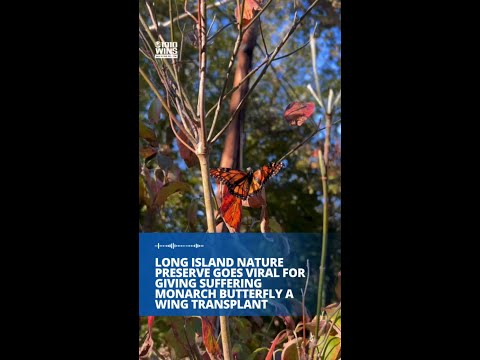
The monarch butterfly is one of the most iconic and recognizable butterfly species, known for its distinctive orange and black wings. However, the monarch butterfly population has been declining at an alarming rate, with some estimates suggesting a decline of up to 90% over the past few decades. This decline is largely due to habitat destruction, particularly the destruction of milkweed plants, which are essential for the monarch butterfly's survival. Organizations such as the xerces society are working to protect and restore monarch butterfly habitats, as well as promote the use of milkweed in pollinator gardens.
🌟 The Role of Habitat Destruction
Habitat destruction is one of the primary drivers of butterfly population decline, with many natural habitats being destroyed or degraded due to urbanization, deforestation, and agriculture. The destruction of meadows and forests has resulted in the loss of host plants and nectar sources, which are essential for butterfly survival. To combat this, organizations such as the nature conservation society are working to protect and restore natural habitats, as well as promote sustainable land use practices. The united nations environment programme is also working to address the issue of habitat destruction, through initiatives such as the convention on biological diversity.
🚫 The Impact of Pesticides on Butterfly Populations
The use of pesticides is another major threat to butterfly populations, with many pesticides being toxic to butterflies and other pollinators. The widespread use of neonicotinoids, for example, has been linked to the decline of many butterfly species. To combat this, organizations such as the environmental defense fund are working to promote the use of integrated pest management practices, which prioritize the use of natural and organic methods of pest control. The european union has also implemented regulations to restrict the use of neonicotinoids and other harmful pesticides.
🌿 The Importance of Pollinator Gardens
Pollinator gardens are an essential component of butterfly conservation efforts, providing a source of nectar and host plants for butterflies and other pollinators. The creation of pollinator gardens can be as simple as planting a few flowers in a backyard or as complex as restoring a entire ecosystem. Organizations such as the pollinator partnership are working to promote the creation of pollinator gardens, as well as provide resources and guidance for individuals and communities looking to create their own gardens. The national wildlife federation is also working to promote the creation of pollinator gardens, through initiatives such as the certified wildlife habitat program.
🌸 The Connection Between Butterflies and Climate Change
Butterflies are also being impacted by climate change, with many species being forced to adapt to changing temperature and precipitation patterns. The polar bear is not the only species being impacted by climate change, as many butterfly species are also being forced to migrate to new habitats in search of food and shelter. Organizations such as the climate action network are working to address the issue of climate change, through initiatives such as the paris agreement. The intergovernmental panel on climate change is also working to provide scientific guidance and recommendations for addressing the issue of climate change.
👥 Community-Led Conservation Efforts
Community-led conservation efforts are essential for the protection of butterfly populations, with many local communities taking action to protect and restore habitats. The community conservation approach prioritizes the involvement of local communities in conservation efforts, recognizing that they are often the best placed to identify and address the needs of local ecosystems. Organizations such as the wildlife conservation society are working to support community-led conservation efforts, through initiatives such as the community engagement program. The local government is also playing a critical role in supporting community-led conservation efforts, through initiatives such as the conservation ordinance.
📊 The Economic Benefits of Butterfly Conservation
Butterfly conservation is not just an environmental issue, but also an economic one. The tourism industry, for example, relies heavily on the presence of butterflies and other wildlife, with many tourists traveling to see and experience the beauty of nature. The ecotourism industry is also providing economic benefits for local communities, through the creation of jobs and income opportunities. Organizations such as the international ecotourism society are working to promote the development of sustainable tourism practices, which prioritize the protection of the environment and the well-being of local communities. The world tourism organization is also working to promote the development of sustainable tourism practices, through initiatives such as the sustainable tourism program.
🌐 Global Initiatives for Butterfly Protection
Global initiatives are also being implemented to protect butterfly populations, with organizations such as the iucn and the united nations environment programme working to address the issue of butterfly conservation. The convention on biological diversity is also providing a framework for international cooperation on biodiversity conservation, including the protection of butterfly populations. The global environment facility is also providing funding and support for conservation efforts, through initiatives such as the biodiversity conservation program.
🔬 Scientific Research and Butterfly Conservation
Scientific research is also playing a critical role in butterfly conservation efforts, with scientists working to understand the ecology and behavior of butterfly populations. The butterfly conservation community is also working to develop and implement effective conservation strategies, through initiatives such as the conservation biology program. The entomological society is also providing a forum for scientists and conservationists to share knowledge and expertise, through initiatives such as the annual meeting.
📚 Education and Awareness for Butterfly Conservation
Education and awareness are also essential for butterfly conservation efforts, with many organizations working to promote the importance of butterfly conservation. The butterfly conservation community is also working to develop and implement educational programs, through initiatives such as the education and outreach program. The national geographic society is also working to promote the importance of butterfly conservation, through initiatives such as the butterfly conservation program.
Key Facts
- Year
- 2022
- Origin
- The concept of butterfly conservation efforts originated in the 1970s, with the establishment of the first butterfly sanctuaries in the United States and Europe, and has since evolved into a global movement, with organizations like the World Wildlife Fund (WWF) and the International Union for Conservation of Nature (IUCN) playing a crucial role in protecting butterfly populations and their habitats.
- Category
- Environmental Conservation
- Type
- Environmental Movement
Frequently Asked Questions
What is the main cause of butterfly population decline?
The main cause of butterfly population decline is habitat destruction, particularly the destruction of meadows and forests. The use of pesticides is also a major threat to butterfly populations, with many pesticides being toxic to butterflies and other pollinators.
What can individuals do to help conserve butterfly populations?
Individuals can help conserve butterfly populations by creating pollinator gardens, reducing the use of pesticides, and supporting sustainable agriculture practices. They can also support organizations such as the world wildlife fund and the xerces society, which are working to protect and restore habitats for butterflies and other pollinators.
What is the economic importance of butterfly conservation?
Butterfly conservation is not just an environmental issue, but also an economic one. The tourism industry, for example, relies heavily on the presence of butterflies and other wildlife, with many tourists traveling to see and experience the beauty of nature. The ecotourism industry is also providing economic benefits for local communities, through the creation of jobs and income opportunities.
What is the role of community-led conservation efforts in butterfly conservation?
Community-led conservation efforts are essential for the protection of butterfly populations, with many local communities taking action to protect and restore habitats. The community conservation approach prioritizes the involvement of local communities in conservation efforts, recognizing that they are often the best placed to identify and address the needs of local ecosystems.
What is the impact of climate change on butterfly populations?
Butterflies are also being impacted by climate change, with many species being forced to adapt to changing temperature and precipitation patterns. The polar bear is not the only species being impacted by climate change, as many butterfly species are also being forced to migrate to new habitats in search of food and shelter.