
Contents
- 🌼 Introduction to Nectar
- 🌺 Nectaries and Nectar Production
- 🐝 Pollinators and Nectar Consumption
- 🍯 Economic Importance of Nectar
- 🌻 Types of Nectaries
- 🐦 Animal Mutualists and Nectar
- 🌸 Nectar Composition and Properties
- 🏭 Industrial Applications of Nectar
- 🌿 Plant-Nectar-Pollinator Interactions
- 📊 Nectar and Ecosystem Services
- 🌐 Global Nectar Trade and Market
- 🔬 Future Research Directions for Nectar
- Frequently Asked Questions
- Related Topics
Overview
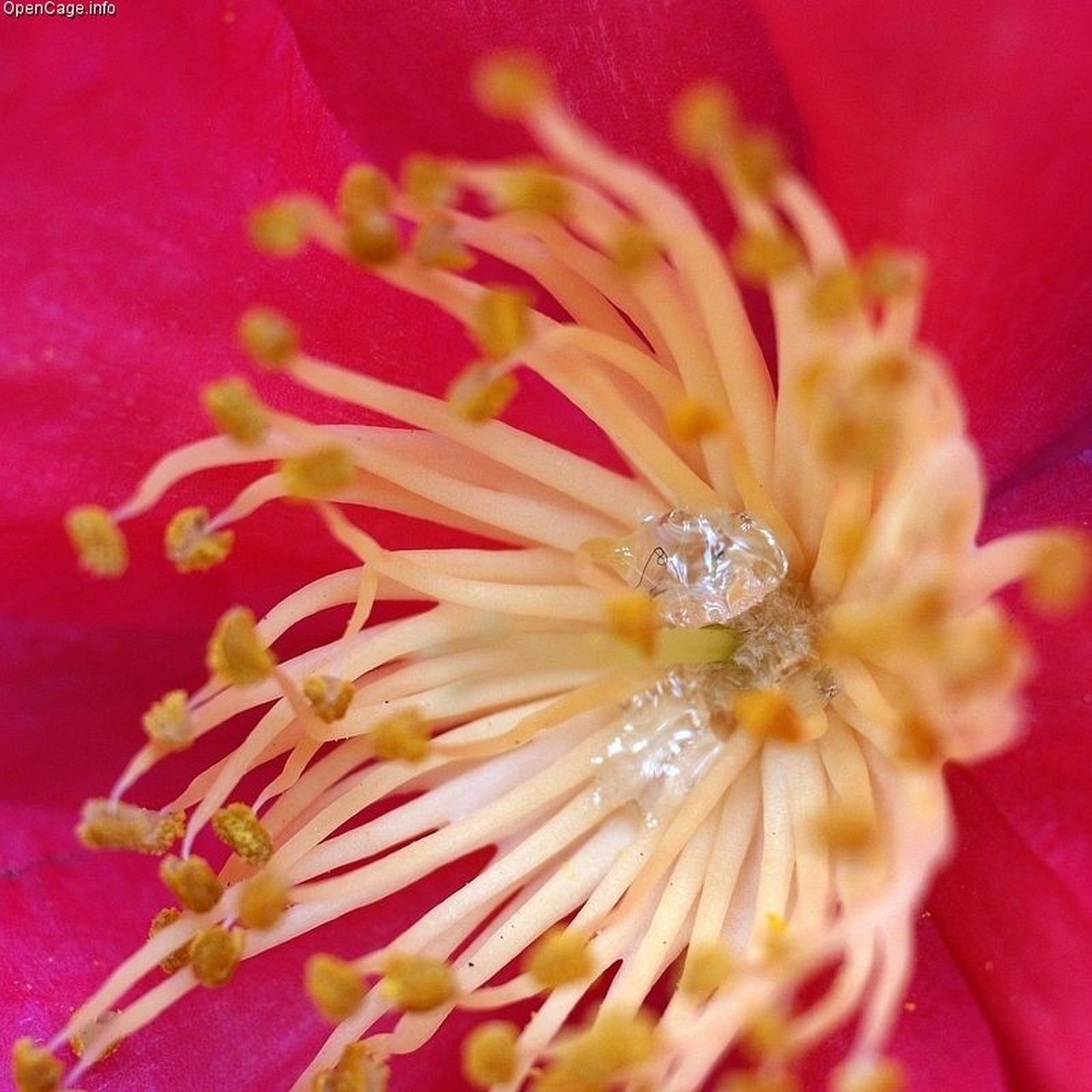
Nectar is a sweet, viscous liquid produced by plants, playing a crucial role in the pollination process and attracting various pollinators such as bees, butterflies, and hummingbirds. The production of nectar is a complex process, involving the coordination of multiple plant organs and tissues. Nectaries, the glands responsible for nectar production, can be found within flowers or on other parts of the plant, such as leaves or stems. The study of nectar and its role in ecosystems is a fascinating field, with many researchers exploring the intricate relationships between plants, pollinators, and nectar.
🌺 Nectaries and Nectar Production
Nectaries are specialized glands found in plants, responsible for producing nectar. There are two main types of nectaries: floral and extrafloral. Floral nectaries are located within flowers and produce nectar to attract pollinators, while extrafloral nectaries are found on other parts of the plant and provide a nutrient source to animal mutualists. The production of nectar is a costly process for plants, requiring significant amounts of energy and resources. However, the benefits of nectar production, including attracting pollinators and promoting seed production, make it a vital component of plant reproduction. Agriculture and horticulture also rely heavily on nectar-producing plants.
🐝 Pollinators and Nectar Consumption
Pollinators, such as bees, butterflies, and hummingbirds, play a crucial role in the pollination process and are attracted to flowers by the production of nectar. These pollinators feed on nectar, using the energy and nutrients it provides to fuel their activities. In return, they transfer pollen between flowers, allowing for the fertilization of seeds. The relationship between pollinators and nectar is complex and multifaceted, with many species of pollinators relying on nectar as their primary source of energy. Conservation efforts often focus on protecting pollinators and their habitats, recognizing the importance of these species in maintaining healthy ecosystems.
🍯 Economic Importance of Nectar
Nectar is an economically important substance, as it is the primary source of sugar for Honey production. Beekeeping is a significant industry, with many beekeepers relying on the production of nectar-rich flowers to produce high-quality Honey. The value of nectar extends beyond its use in Honey production, as it also plays a crucial role in the pollination of many crops. Agriculture and food production rely heavily on the health and well-being of pollinators, making nectar a vital component of global food systems. The economic importance of nectar is also reflected in the trade of nectar-rich flowers and Honey products.
🌻 Types of Nectaries
There are several types of nectaries, each with its own unique characteristics and functions. Floral nectaries are the most common type, found within flowers and producing nectar to attract pollinators. Extrafloral nectaries, on the other hand, are found on other parts of the plant, such as leaves or stems, and provide a nutrient source to animal mutualists. Other types of nectaries include nectar-producing glands found on the surface of fruits or seeds. The diversity of nectaries and their functions reflects the complexity and adaptability of plants in attracting pollinators and promoting seed production.
🐦 Animal Mutualists and Nectar
Animal mutualists, such as ants and beetles, play a crucial role in the protection of plants from herbivores. These mutualists are attracted to the nectar produced by extrafloral nectaries, which provides them with a source of energy and nutrients. In return, they protect the plants from herbivores, reducing the risk of damage and promoting healthy plant growth. The relationship between animal mutualists and nectar is an example of a mutualistic interaction, where both parties benefit from the exchange. Ecologists study these interactions to better understand the complex relationships within ecosystems.
🌸 Nectar Composition and Properties
Nectar is a complex mixture of sugars, amino acids, and other compounds, with a unique composition and properties. The sugar content of nectar can vary significantly, depending on the plant species and environmental conditions. Researchers have identified a range of compounds in nectar, including glucose, fructose, and sucrose. The properties of nectar, such as its viscosity and surface tension, also play a crucial role in its interaction with pollinators. The study of nectar composition and properties is an active area of research, with many scientists exploring the intricacies of nectar and its role in ecosystems.
🏭 Industrial Applications of Nectar
Nectar has a range of industrial applications, from the production of Honey and bee products to the development of new foods and beverages. The unique properties of nectar make it an attractive ingredient in the production of cosmetics and pharmaceuticals. Companies are also exploring the use of nectar as a natural sweetener and ingredient in food products. The industrial applications of nectar reflect its value as a natural resource, with many industries recognizing its potential for innovation and growth.
🌿 Plant-Nectar-Pollinator Interactions
The interactions between plants, nectar, and pollinators are complex and multifaceted. Plants produce nectar to attract pollinators, which in turn transfer pollen between flowers. This process is critical for the reproduction of many plant species, and the health of ecosystems. Ecologists study these interactions to better understand the dynamics of ecosystems and the importance of pollinators in maintaining healthy plant populations. The study of plant-nectar-pollinator interactions is an active area of research, with many scientists exploring the intricacies of these relationships.
📊 Nectar and Ecosystem Services
Nectar plays a crucial role in the provision of ecosystem services, including pollination and the production of seeds. The value of these services is significant, with many ecosystems relying on the health and well-being of pollinators to maintain their function and resilience. Conservation efforts often focus on protecting pollinators and their habitats, recognizing the importance of these species in maintaining healthy ecosystems. The economic value of nectar and pollination services is also significant, with many industries relying on the production of nectar-rich flowers and Honey products.
🌐 Global Nectar Trade and Market
The global trade and market for nectar-rich flowers and Honey products is significant, with many countries producing and exporting these products. The value of the global Honey market is estimated to be in the billions of dollars, with many companies involved in the production and trade of Honey and other nectar-based products. The trade and market for nectar-rich flowers and Honey products reflect the economic importance of nectar and the value of pollination services.
🔬 Future Research Directions for Nectar
Future research directions for nectar include the study of its composition and properties, as well as its role in ecosystems and the provision of ecosystem services. Researchers are also exploring the potential of nectar as a natural resource, with many companies recognizing its value as a ingredient in foods, beverages, and cosmetics. The study of nectar and its role in ecosystems is an active area of research, with many scientists working to better understand the intricacies of these relationships and the importance of pollinators in maintaining healthy ecosystems.
Key Facts
- Category
- topic
- Type
- topic
Frequently Asked Questions
What is nectar?
Nectar is a viscous, sugar-rich liquid produced by plants in glands called nectaries. It is an important source of energy and nutrients for many pollinators, including bees, butterflies, and hummingbirds. Nectar is also the primary source of sugar for honey production.
What are the different types of nectaries?
There are two main types of nectaries: floral and extrafloral. Floral nectaries are located within flowers and produce nectar to attract pollinators, while extrafloral nectaries are found on other parts of the plant and provide a nutrient source to animal mutualists.
What is the economic importance of nectar?
Nectar is an economically important substance, as it is the primary source of sugar for honey production. The value of nectar extends beyond its use in honey production, as it also plays a crucial role in the pollination of many crops. Agriculture and food production rely heavily on the health and well-being of pollinators, making nectar a vital component of global food systems.
What are the industrial applications of nectar?
Nectar has a range of industrial applications, from the production of honey and bee products to the development of new foods and beverages. The unique properties of nectar make it an attractive ingredient in the production of cosmetics and pharmaceuticals. Companies are also exploring the use of nectar as a natural sweetener and ingredient in food products.
What is the role of nectar in ecosystems?
Nectar plays a crucial role in the provision of ecosystem services, including pollination and the production of seeds. The value of these services is significant, with many ecosystems relying on the health and well-being of pollinators to maintain their function and resilience. Conservation efforts often focus on protecting pollinators and their habitats, recognizing the importance of these species in maintaining healthy ecosystems.
What is the future of nectar research?
Future research directions for nectar include the study of its composition and properties, as well as its role in ecosystems and the provision of ecosystem services. Researchers are also exploring the potential of nectar as a natural resource, with many companies recognizing its value as an ingredient in foods, beverages, and cosmetics. The study of nectar and its role in ecosystems is an active area of research, with many scientists working to better understand the intricacies of these relationships and the importance of pollinators in maintaining healthy ecosystems.
How does nectar affect the environment?
Nectar has a significant impact on the environment, as it plays a crucial role in the pollination of many plant species. The health and well-being of pollinators, which are attracted to nectar, are also critical for maintaining healthy ecosystems. Conservation efforts often focus on protecting pollinators and their habitats, recognizing the importance of these species in maintaining healthy ecosystems. The environmental impact of nectar is also reflected in the trade and market for nectar-rich flowers and honey products, which can have significant economic and social implications.