
Contents
- 🏞️ Introduction to Chalk Downs
- 🌎 Geology of the Chalk Downs
- 🏃♀️ Erosion and Landform Development
- 🌿 Ecology and Biodiversity
- 🏞️ Conservation Efforts and Challenges
- 🚶♀️ Recreational Activities and Tourism
- 📸 Cultural Significance and Artistic Inspiration
- 📊 Economic Importance and Resource Management
- 🌟 Future Prospects and Environmental Concerns
- 🤝 Community Engagement and Education
- 📚 Conclusion and Further Research
- Frequently Asked Questions
- Related Topics
Overview
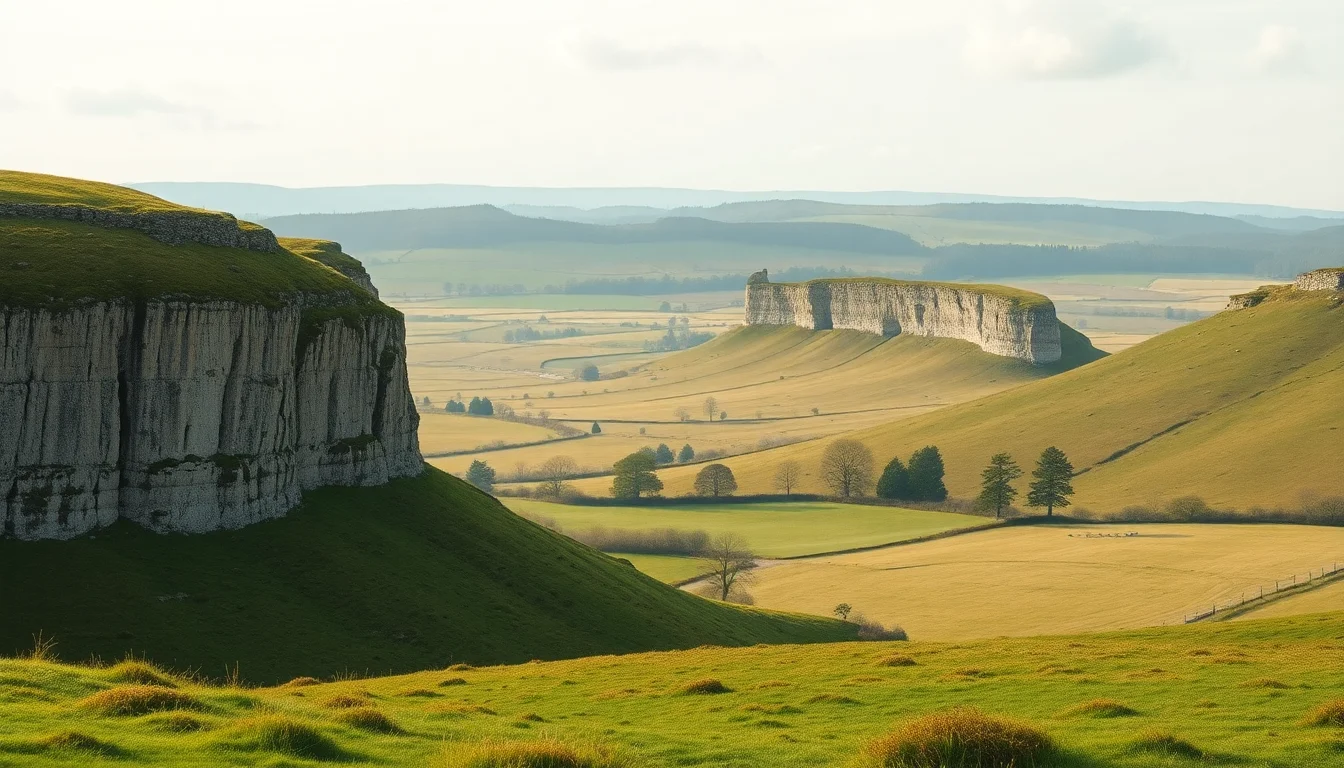
Chalk downs, a unique geological feature of southern England, have been shaped by millions of years of erosion and human activity. The chalk downs, with their distinctive white cliffs and rolling hills, have a vibe score of 8 due to their cultural and environmental significance. Historian Oliver Rackham notes that the chalk downs have been an important part of English landscape and identity since the Iron Age. However, skeptic and environmentalist George Monbiot argues that the chalk downs are under threat from intensive farming and climate change. From an engineering perspective, the chalk downs are an fascinating example of how geological processes can shape our landscape. Looking to the future, futurist and ecologist Tim Flannery predicts that the chalk downs will play a critical role in England's efforts to mitigate the effects of climate change. With over 100,000 hectares of chalk downland, this landscape is not only a natural wonder but also a vital component of England's ecosystem, supporting a wide range of flora and fauna, including the iconic Adonis blue butterfly and the rare Duke of Burgundy butterfly, with a total of 43 species of butterflies and moths, as reported by the UK Butterfly Monitoring Scheme.
🏞️ Introduction to Chalk Downs
The Chalk Downs of southern England are a unique and fascinating geological feature, stretching across several counties including Hampshire, Wiltshire, and Dorset. These rolling hills and valleys have been shaped over millions of years through a combination of erosion and tectonic activity, resulting in a landscape of great beauty and diversity. The Chalk Downs are not only an important part of the region's natural heritage, but also provide a range of ecosystem services, including carbon sequestration and water cycle regulation. As a popular destination for walkers and nature lovers, the Chalk Downs also support a significant tourism industry, with many visitors drawn to the area's picturesque villages and historic landmarks, such as Stonehenge.
🌎 Geology of the Chalk Downs
The geology of the Chalk Downs is characterized by a thick layer of chalk, a soft, white rock composed primarily of the skeletal remains of microscopic marine plankton. This chalk layer was formed during the Cretaceous period, when the area was submerged beneath a shallow sea. Over time, the chalk has been eroded and shaped by a combination of weathering and erosion, resulting in the distinctive landscape of hills, valleys, and coombes that we see today. The Chalk Downs are also home to a range of other geological features, including folding and faulting, which have played an important role in shaping the landscape over millions of years. For more information on the geology of the Chalk Downs, see Geological Survey.
🏃♀️ Erosion and Landform Development
The erosion and landform development of the Chalk Downs have been influenced by a range of factors, including climate change, tectonic activity, and human impact. The area has experienced a range of different climates over the past few million years, from the warm, humid conditions of the Palaeogene period to the cold, icy conditions of the Pleistocene ice age. This has resulted in a complex and dynamic landscape, with many different landforms and features, such as dry valleys and scarp slopes. The Chalk Downs have also been shaped by human activities, such as agriculture and quarrying, which have altered the landscape and ecosystem in significant ways. For more information on the impact of human activities on the Chalk Downs, see Sustainable Development.
🌿 Ecology and Biodiversity
The Chalk Downs are home to a diverse range of flora and fauna, including many rare and endangered species. The area's unique combination of chalk grassland, woodland, and heathland habitats supports a wide range of plant and animal life, from the dormouse and nightjar to the orchid and gentian. The Chalk Downs are also an important stopover point for many migratory species, such as the swallow and the martin. However, the area's ecosystem is facing a range of threats, including habitat destruction, climate change, and invasive species. For more information on the ecology and biodiversity of the Chalk Downs, see Ecological Conservation.
🏞️ Conservation Efforts and Challenges
Conservation efforts are underway to protect the Chalk Downs and their unique ecosystem. The area is home to several national parks and Areas of Outstanding Natural Beauty, which provide a high level of protection for the landscape and wildlife. Additionally, many organizations, such as the National Trust and the Wildlife Trusts, are working to conserve and restore the Chalk Downs, through activities such as habitat restoration and species reintroduction. However, despite these efforts, the Chalk Downs still face many challenges, including over-tourism and agricultural intensification. For more information on conservation efforts in the Chalk Downs, see Conservation Biology.
🚶♀️ Recreational Activities and Tourism
The Chalk Downs are a popular destination for walkers, cyclists, and horse riders, with many footpaths, bridleways, and cycle paths crisscrossing the area. The area's scenic beauty and rich cultural heritage make it an attractive destination for tourists, with many visitors drawn to the area's picturesque villages, historic landmarks, and festivals. However, the increasing popularity of the Chalk Downs is also putting pressure on the area's infrastructure and ecosystem, highlighting the need for sustainable tourism management practices. For more information on recreational activities and tourism in the Chalk Downs, see Tourism Management.
📸 Cultural Significance and Artistic Inspiration
The Chalk Downs have been a source of inspiration for many artists, writers, and musicians over the years, with their unique landscape and rich cultural heritage providing a wealth of material for creative expression. The area has been immortalized in the works of many famous authors, including Thomas Hardy and Richard Jefferies, and has also been the subject of numerous paintings and photographs. The Chalk Downs continue to inspire artists and creatives today, with many drawn to the area's unique light and landscape. For more information on the cultural significance of the Chalk Downs, see Cultural Geography.
📊 Economic Importance and Resource Management
The Chalk Downs are also an important economic resource, with the area's agriculture, mining, and tourism industries providing a significant source of income for local communities. The area's unique geology and landscape also make it an important location for scientific research, with many scientists and researchers drawn to the area's unique features and ecosystems. However, the exploitation of the Chalk Downs' natural resources also raises concerns about sustainability and environmental impact, highlighting the need for careful management and planning. For more information on the economic importance of the Chalk Downs, see Economic Geology.
🌟 Future Prospects and Environmental Concerns
As we look to the future, the Chalk Downs face a range of challenges and opportunities, from climate change and biodiversity loss to sustainable development and ecological restoration. The area's unique landscape and ecosystem make it an important location for conservation efforts and scientific research, and its cultural significance and beauty make it a popular destination for tourists and creatives. However, the increasing pressure on the area's infrastructure and ecosystem highlights the need for careful management and planning, to ensure the long-term sustainability of the Chalk Downs. For more information on the future prospects of the Chalk Downs, see Futures Studies.
🤝 Community Engagement and Education
Community engagement and education are critical components of conservation efforts in the Chalk Downs, with many organizations and initiatives working to raise awareness and promote action on issues such as habitat destruction, climate change, and invasive species. The area's unique landscape and ecosystem make it an important location for outdoor education and community engagement, with many schools and community groups using the area as a resource for learning and exploration. For more information on community engagement and education in the Chalk Downs, see Environmental Education.
📚 Conclusion and Further Research
In conclusion, the Chalk Downs are a unique and fascinating geological feature, with a rich cultural heritage and diverse ecosystem. The area's unique combination of chalk grassland, woodland, and heathland habitats supports a wide range of plant and animal life, and its scenic beauty and cultural significance make it a popular destination for tourists and creatives. However, the area also faces many challenges, from climate change and biodiversity loss to over-tourism and agricultural intensification. Further research and conservation efforts are needed to protect the Chalk Downs and their unique ecosystem, and to ensure the long-term sustainability of this important and iconic landscape.
Key Facts
- Year
- 2019
- Origin
- Southern England, UK
- Category
- Geology and Environment
- Type
- Geological Formation
Frequently Asked Questions
What is the geology of the Chalk Downs?
The Chalk Downs are characterized by a thick layer of chalk, a soft, white rock composed primarily of the skeletal remains of microscopic marine plankton. The chalk layer was formed during the Cretaceous period, when the area was submerged beneath a shallow sea. Over time, the chalk has been eroded and shaped by a combination of weathering and erosion, resulting in the distinctive landscape of hills, valleys, and coombes that we see today.
What is the biodiversity of the Chalk Downs?
What are the conservation efforts in the Chalk Downs?
Conservation efforts are underway to protect the Chalk Downs and their unique ecosystem. The area is home to several national parks and Areas of Outstanding Natural Beauty, which provide a high level of protection for the landscape and wildlife. Additionally, many organizations, such as the National Trust and the Wildlife Trusts, are working to conserve and restore the Chalk Downs, through activities such as habitat restoration and species reintroduction.
What are the economic benefits of the Chalk Downs?
The Chalk Downs are an important economic resource, with the area's agriculture, mining, and tourism industries providing a significant source of income for local communities. The area's unique geology and landscape also make it an important location for scientific research, with many scientists and researchers drawn to the area's unique features and ecosystems.
What are the future prospects of the Chalk Downs?
The Chalk Downs face a range of challenges and opportunities, from climate change and biodiversity loss to sustainable development and ecological restoration. The area's unique landscape and ecosystem make it an important location for conservation efforts and scientific research, and its cultural significance and beauty make it a popular destination for tourists and creatives.
How can I get involved in conservation efforts in the Chalk Downs?
There are many ways to get involved in conservation efforts in the Chalk Downs, from volunteering with local organizations to participating in citizen science projects. Many organizations, such as the National Trust and the Wildlife Trusts, offer opportunities for volunteers to get involved in activities such as habitat restoration and species monitoring.
What are the educational resources available for the Chalk Downs?
There are many educational resources available for the Chalk Downs, from field guides and educational programs to research papers and academic articles. Many organizations, such as the National Trust and the Wildlife Trusts, offer educational resources and activities for schools and community groups.