
Contents
- 📚 Introduction to Codices
- 📖 The Evolution of Writing
- 📝 The Rise of the Codex
- 📁 The Structure of a Codex
- 📜 Materials Used in Codices
- 📊 The Impact of Codices on Knowledge
- 📈 The Transition to Modern Books
- 📚 The Legacy of Codices
- 📝 The Preservation of Codices
- 📊 The Study of Codices
- 📚 Conclusion
- Frequently Asked Questions
- Related Topics
Overview
Codices, the earliest forms of bound books, have been a cornerstone of human knowledge and culture for millennia. Dating back to ancient civilizations such as the Egyptians, Greeks, and Romans, these handwritten manuscripts have played a pivotal role in the dissemination of ideas, stories, and historical records. With a vibe score of 8, codices continue to captivate scholars, historians, and enthusiasts alike, offering a unique window into the past. The controversy surrounding the preservation and interpretation of codices is evident, with some arguing that digitalization is the key to their survival, while others believe that the tactile experience of handling these ancient texts is essential to understanding their significance. The influence of codices can be seen in the works of renowned scholars such as Johannes Gutenberg, who revolutionized printing with his movable-type press, and modern-day authors like Umberto Eco, who have drawn inspiration from these ancient manuscripts. As we move forward, the question remains: how will we balance the need to preserve and protect these fragile artifacts with the desire to make their contents accessible to a wider audience?
📚 Introduction to Codices
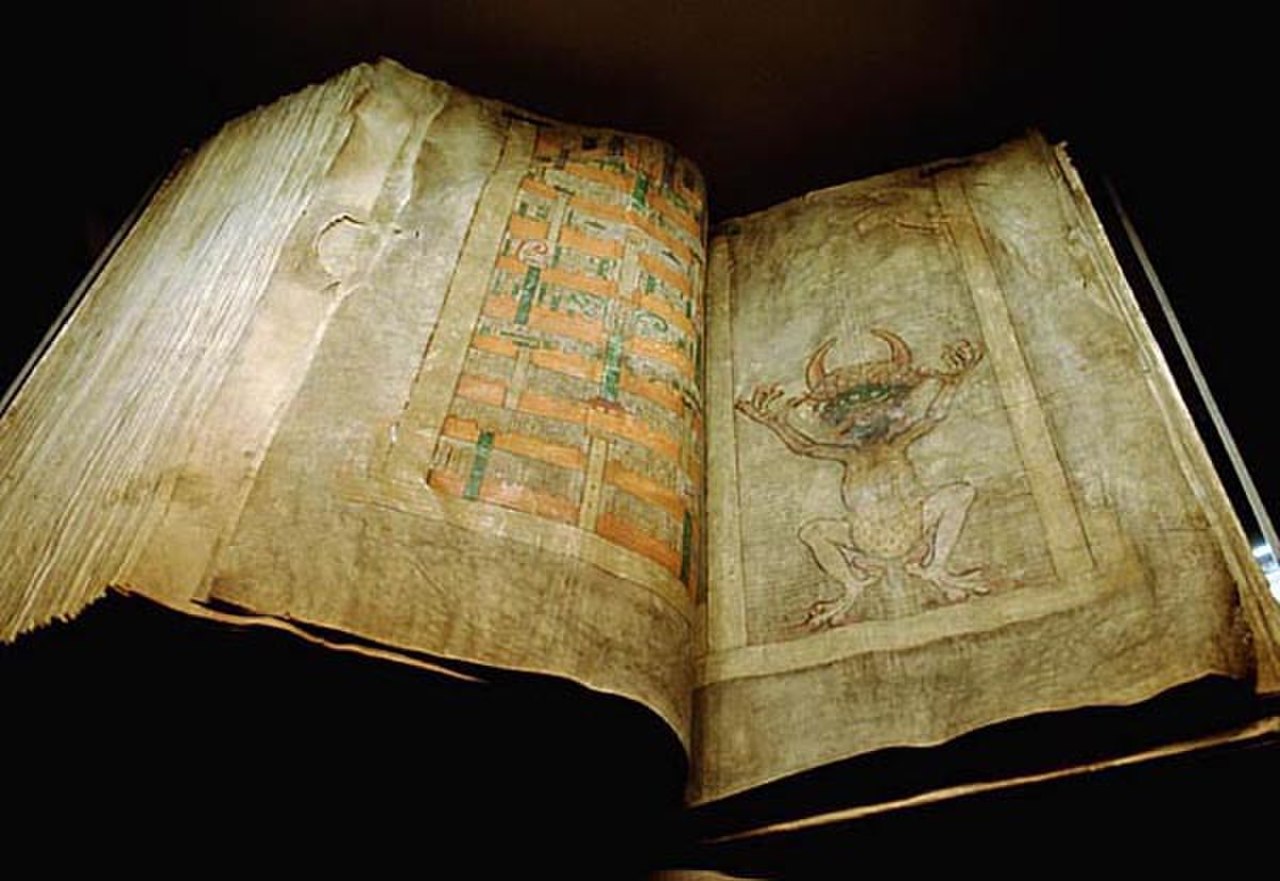
The codex, an ancient format of book, has been the foundation of modern knowledge. As the historical ancestor of the modern book, the codex has played a significant role in the dissemination of information. The term codex is now used to describe older manuscript books, which were primarily written on papyrus, vellum, or parchment. The codex format, consisting of a stack of pages bound at one edge, has been adopted by the vast majority of modern books. The evolution of writing, from hieroglyphics to modern scripts, has been closely tied to the development of the codex. For instance, the use of quill pens and ink has been a crucial aspect of codex production. The codex has also been influenced by other writing systems, such as cuneiform and alphabet.
📖 The Evolution of Writing
The evolution of writing has been a long and complex process, with various writing systems emerging and disappearing over time. The development of the codex has been closely tied to the evolution of writing, with the format adapting to the needs of different writing systems. For example, the use of papyrus and parchment allowed for the creation of longer, more complex texts. The codex format has also been influenced by the development of paper, which has become the primary material used in modern books. The transition from scrolls to codices has been a significant factor in the evolution of writing, with the codex format allowing for easier access and navigation of texts. The codex has also been impacted by the development of typography and printing technologies.
📝 The Rise of the Codex
The rise of the codex has been a significant factor in the dissemination of knowledge. The codex format has allowed for the creation of longer, more complex texts, which has enabled the development of various fields of study. For instance, the use of codices has been crucial in the development of philosophy, science, and literature. The codex has also played a significant role in the preservation of knowledge, with many ancient texts being preserved in codex form. The use of libraries and scriptoria has been essential in the production and dissemination of codices. The codex has also been influenced by the development of education and scholarship.
📁 The Structure of a Codex
The structure of a codex typically consists of a stack of pages bound at one edge. The pages are usually made of papyrus, vellum, or parchment, and are written on using quill pens and ink. The codex format has allowed for the creation of longer, more complex texts, which has enabled the development of various fields of study. For example, the use of codices has been crucial in the development of history, philosophy, and science. The codex has also played a significant role in the preservation of knowledge, with many ancient texts being preserved in codex form. The use of bookbinding techniques has been essential in the production of codices. The codex has also been influenced by the development of illustration and calligraphy.
📜 Materials Used in Codices
The materials used in codices have played a significant role in their production and preservation. The use of papyrus, vellum, and parchment has been essential in the creation of codices. The quality of these materials has had a significant impact on the durability and longevity of codices. For instance, the use of high-quality parchment has allowed for the creation of codices that have survived for centuries. The development of paper has also had a significant impact on the production of codices, with many modern books being printed on paper. The use of ink and quill pens has also been crucial in the production of codices. The codex has also been influenced by the development of conservation and restoration techniques.
📊 The Impact of Codices on Knowledge
The impact of codices on knowledge has been significant. The codex format has allowed for the creation of longer, more complex texts, which has enabled the development of various fields of study. For example, the use of codices has been crucial in the development of medicine, astronomy, and mathematics. The codex has also played a significant role in the preservation of knowledge, with many ancient texts being preserved in codex form. The use of libraries and scriptoria has been essential in the production and dissemination of codices. The codex has also been influenced by the development of education and scholarship. The codex has also had a significant impact on the development of culture and society.
📈 The Transition to Modern Books
The transition to modern books has been a significant factor in the evolution of the codex. The development of paper and printing technologies has allowed for the mass production of books, making them more widely available. The use of binding techniques has also been essential in the production of modern books. The codex format has been adapted to the needs of modern books, with the use of paper and ink becoming the primary materials used. The development of ebooks and digital publishing has also had a significant impact on the codex, with many books now being published in digital format. The codex has also been influenced by the development of reading and writing technologies.
📚 The Legacy of Codices
The legacy of codices has been significant. The codex format has allowed for the creation of longer, more complex texts, which has enabled the development of various fields of study. The codex has also played a significant role in the preservation of knowledge, with many ancient texts being preserved in codex form. The use of libraries and scriptoria has been essential in the production and dissemination of codices. The codex has also been influenced by the development of education and scholarship. The codex has also had a significant impact on the development of culture and society. The codex has also been a significant factor in the development of art and architecture.
📝 The Preservation of Codices
The preservation of codices has been a significant challenge. The use of conservation and restoration techniques has been essential in preserving codices. The development of digital preservation technologies has also had a significant impact on the preservation of codices. The use of digitization and digital imaging has allowed for the creation of digital copies of codices, making them more widely available. The codex has also been influenced by the development of museums and archives. The preservation of codices has also been a significant factor in the development of cultural heritage and historical preservation.
📊 The Study of Codices
The study of codices has been a significant field of research. The use of codicology and paleography has been essential in the study of codices. The development of digital humanities has also had a significant impact on the study of codices. The use of digital tools and software has allowed for the analysis and interpretation of codices in new and innovative ways. The codex has also been influenced by the development of interdisciplinary studies and collaborative research. The study of codices has also been a significant factor in the development of academic research and scholarly publishing.
📚 Conclusion
In conclusion, the codex has been a significant factor in the development of modern knowledge. The codex format has allowed for the creation of longer, more complex texts, which has enabled the development of various fields of study. The codex has also played a significant role in the preservation of knowledge, with many ancient texts being preserved in codex form. The use of libraries and scriptoria has been essential in the production and dissemination of codices. The codex has also been influenced by the development of education and scholarship. The codex has also had a significant impact on the development of culture and society.
Key Facts
- Year
- 300
- Origin
- Ancient Egypt
- Category
- History of Writing and Information
- Type
- Historical Artifact
Frequently Asked Questions
What is a codex?
What materials were used to make codices?
How did the codex impact knowledge?
The codex had a significant impact on knowledge, allowing for the creation of longer, more complex texts. This enabled the development of various fields of study, including philosophy, science, and literature. The codex also played a significant role in the preservation of knowledge, with many ancient texts being preserved in codex form.
What is the legacy of codices?
The legacy of codices has been significant, with the codex format allowing for the creation of longer, more complex texts. The codex has also played a significant role in the preservation of knowledge, with many ancient texts being preserved in codex form. The codex has also had a significant impact on the development of culture and society.
How are codices preserved?
The preservation of codices has been a significant challenge. The use of conservation and restoration techniques has been essential in preserving codices. The development of digital preservation technologies has also had a significant impact on the preservation of codices.