
Contents
- 📜 Introduction to Vellum
- 🐮 History of Vellum Production
- 📚 Uses of Vellum in Writing and Printing
- 🎨 Preparation and Treatment of Vellum
- 📊 Comparison with Parchment
- 📖 Vellum in Bookbinding and Conservation
- 🖌️ Artistic Uses of Vellum
- 📈 Vellum in the Digital Age
- 🤔 Controversies and Debates Surrounding Vellum
- 📚 Preservation and Conservation of Vellum
- 📊 Economic and Environmental Impact of Vellum Production
- Frequently Asked Questions
- Related Topics
Overview
Vellum, a writing material made from prepared animal skin or membrane, has been a cornerstone of human communication for centuries. Its high quality and durability have made it a preferred choice for Writing and Printing on single pages, Scrolls, and Codices. The process of preparing vellum involves treating the animal skin with lime and other chemicals to remove hair and fat, resulting in a smooth and durable surface. This labor-intensive process has been passed down through generations of Bookbinders and Conservators. Vellum's unique characteristics have made it an essential material in the production of Manuscripts and RARE Books.
🐮 History of Vellum Production
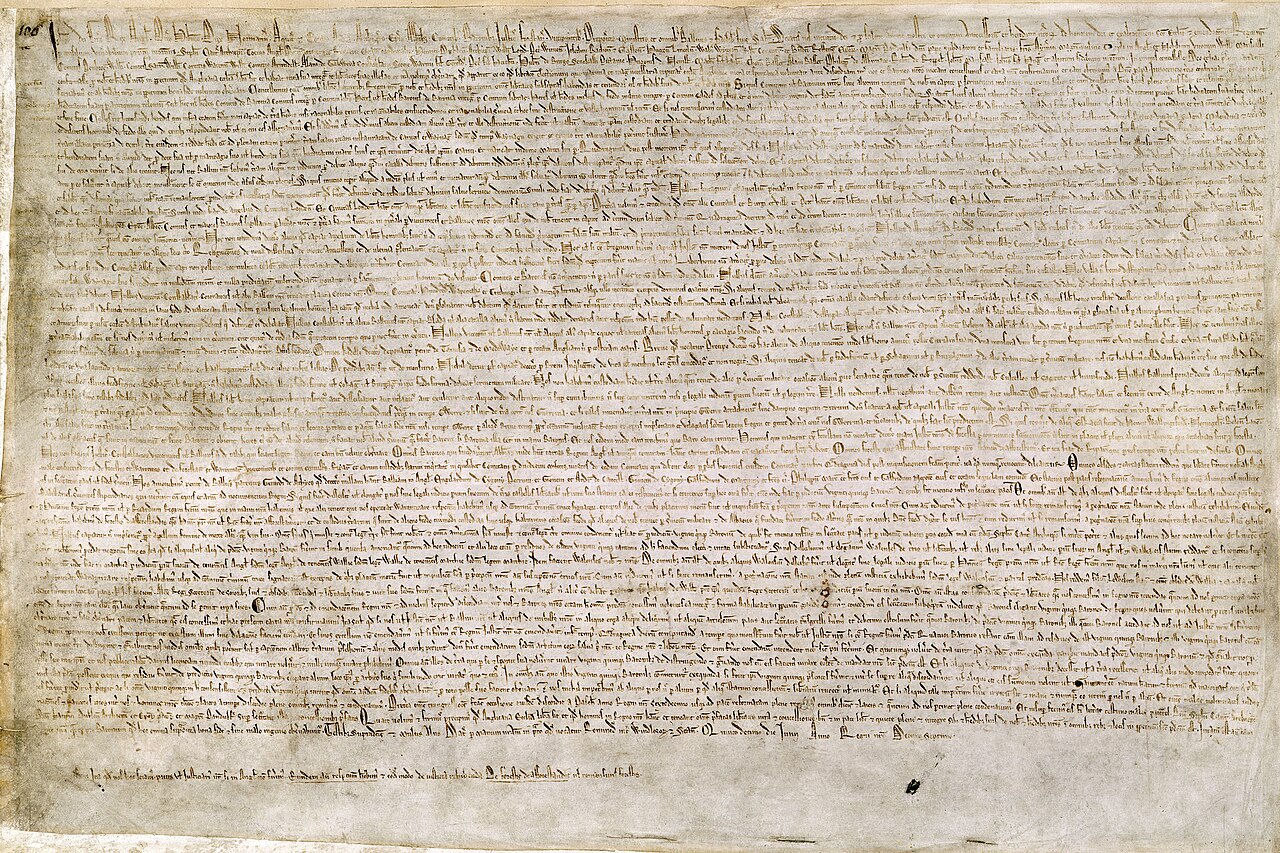
The history of vellum production dates back to ancient civilizations, where animal skin was used as a writing material. The use of vellum became widespread during the Middle Ages, where it was used for Illuminated Manuscripts and other important documents. The process of preparing vellum was often a closely guarded secret, with different regions developing their own unique techniques and traditions. The introduction of Paper in the 13th century led to a decline in vellum production, but it continued to be used for high-quality manuscripts and Artistic works. Today, vellum is still used by Calligraphers, Artists, and Bookbinders who value its unique texture and durability.
📚 Uses of Vellum in Writing and Printing
Vellum has been used for a wide range of applications, from Writing and Printing to Art and Crafts. Its smooth surface makes it an ideal material for Calligraphy and Illustration, while its durability has made it a popular choice for Bookbinding and Conservation. Vellum is also used in the production of Musical Instruments, such as Drums and Tambourines. The unique sound quality of vellum has made it a preferred choice for many Musicians. In addition, vellum is used in Fashion and Design, where its texture and durability make it a popular choice for Accessories and Clothing.
🎨 Preparation and Treatment of Vellum
The preparation and treatment of vellum involve a series of complex steps, including liming, dehairing, and stretching. The animal skin is first treated with lime to remove hair and fat, and then it is stretched and dried to create a smooth surface. The vellum is then treated with chemicals and oils to enhance its durability and texture. This labor-intensive process requires great skill and patience, and it is often passed down through generations of Craftsmen. The quality of vellum can vary greatly depending on the type of animal skin used, as well as the techniques and materials used in its preparation. Calfskin is often considered to be the highest quality vellum, due to its smooth texture and durability.
📊 Comparison with Parchment
Vellum is often distinguished from Parchment, either by being made from calfskin, rather than the skin of other animals, or simply by being of a higher quality. While both vellum and parchment are made from animal skin, the process of preparing vellum is more complex and time-consuming. Vellum is also more durable and less prone to cracking than parchment, making it a preferred choice for high-quality manuscripts and Artistic works. However, parchment is often less expensive and more widely available, making it a popular choice for Crafts and Hobbies.
📖 Vellum in Bookbinding and Conservation
Vellum has played a significant role in the development of Bookbinding and Conservation. Its durability and flexibility make it an ideal material for Book Covers and Endpapers. Vellum is also used in the production of Bookboards and Headbands, where its strength and flexibility are essential. In addition, vellum is used in the Conservation of RARE Books and Manuscripts, where its durability and resistance to decay make it a valuable resource. Book Conservators and Restorers often use vellum to repair and restore damaged books and manuscripts.
🖌️ Artistic Uses of Vellum
Vellum has been used by Artists for centuries, due to its unique texture and durability. Its smooth surface makes it an ideal material for Drawing and Painting, while its transparency makes it a popular choice for Watercolor and Mixed Media. Vellum is also used in the production of Prints and Posters, where its durability and resistance to fading make it a valuable resource. In addition, vellum is used in the creation of Sculptures and Installations, where its flexibility and strength make it a popular choice. Artists such as Leonardo da Vinci and Michelangelo have used vellum in their works, due to its unique qualities and versatility.
📈 Vellum in the Digital Age
In the digital age, vellum has become a rare and valuable material, sought after by Collectors and Connoisseurs. The rise of Digital Media has led to a decline in the use of vellum, but it is still used by Artists, Craftsmen, and Bookbinders who value its unique texture and durability. The use of vellum in Digital Art and Design is also becoming more popular, where its unique qualities and versatility make it a valuable resource. However, the production of vellum is often criticized for its environmental impact and animal welfare concerns, leading to a growing demand for Sustainable and Vegan alternatives.
🤔 Controversies and Debates Surrounding Vellum
The use of vellum has been the subject of controversy and debate, particularly in regards to animal welfare and environmental concerns. The production of vellum involves the use of animal skin, which can be a concern for Animal Rights activists and Environmentalists. In addition, the process of preparing vellum can be labor-intensive and time-consuming, leading to concerns about Fair Labor practices and Sustainability. However, many Craftsmen and Artists argue that vellum is a valuable and unique material, and that its production can be done in a responsible and sustainable way.
📚 Preservation and Conservation of Vellum
The preservation and conservation of vellum is a complex and challenging process, requiring great skill and patience. Vellum is prone to decay and damage, particularly when exposed to light, heat, and moisture. Book Conservators and Restorers use a range of techniques and materials to preserve and conserve vellum, including Deacidification, Humidity Control, and Insect Control. In addition, vellum can be treated with chemicals and oils to enhance its durability and texture. The preservation and conservation of vellum is essential for maintaining the integrity and longevity of RARE Books and Manuscripts.
📊 Economic and Environmental Impact of Vellum Production
The economic and environmental impact of vellum production is a subject of growing concern. The production of vellum involves the use of animal skin, which can have a significant environmental impact, particularly in regards to Deforestation and Water Pollution. In addition, the process of preparing vellum can be labor-intensive and time-consuming, leading to concerns about Fair Labor practices and Sustainability. However, many Craftsmen and Artists argue that vellum is a valuable and unique material, and that its production can be done in a responsible and sustainable way. The development of Sustainable and Vegan alternatives to vellum is also becoming more popular, particularly in the Fashion and Design industries.
Key Facts
- Category
- topic
- Type
- topic
Frequently Asked Questions
What is vellum made from?
Vellum is made from prepared animal skin or membrane, typically calfskin. The process of preparing vellum involves treating the animal skin with lime and other chemicals to remove hair and fat, resulting in a smooth and durable surface. Vellum can also be made from the skin of other animals, such as sheep or goats, but calfskin is considered to be the highest quality. The use of vellum in Writing and Printing dates back to ancient civilizations, where it was valued for its durability and flexibility.
What is the difference between vellum and parchment?
Vellum and parchment are both made from animal skin, but they differ in terms of quality and production process. Vellum is considered to be of higher quality and is made from calfskin, while parchment can be made from the skin of other animals. The process of preparing vellum is also more complex and time-consuming than parchment, resulting in a smoother and more durable surface. Vellum is often used for high-quality manuscripts and Artistic works, while parchment is often used for more everyday applications.
How is vellum used in bookbinding and conservation?
Vellum is used in bookbinding and conservation due to its durability and flexibility. It is often used for Book Covers and Endpapers, as well as for Bookboards and Headbands. Vellum is also used in the conservation of RARE Books and Manuscripts, where its durability and resistance to decay make it a valuable resource. Book Conservators and Restorers use a range of techniques and materials to preserve and conserve vellum, including Deacidification, Humidity Control, and Insect Control.
Can vellum be used for artistic purposes?
Yes, vellum can be used for artistic purposes. Its smooth surface makes it an ideal material for Drawing and Painting, while its transparency makes it a popular choice for Watercolor and Mixed Media. Vellum is also used in the production of Prints and Posters, where its durability and resistance to fading make it a valuable resource. In addition, vellum is used in the creation of Sculptures and Installations, where its flexibility and strength make it a popular choice.
Is vellum sustainable?
The sustainability of vellum is a subject of debate. The production of vellum involves the use of animal skin, which can have a significant environmental impact, particularly in regards to Deforestation and Water Pollution. However, many Craftsmen and Artists argue that vellum is a valuable and unique material, and that its production can be done in a responsible and sustainable way. The development of Sustainable and Vegan alternatives to vellum is also becoming more popular, particularly in the Fashion and Design industries.
How is vellum preserved and conserved?
The preservation and conservation of vellum is a complex and challenging process, requiring great skill and patience. Vellum is prone to decay and damage, particularly when exposed to light, heat, and moisture. Book Conservators and Restorers use a range of techniques and materials to preserve and conserve vellum, including Deacidification, Humidity Control, and Insect Control. In addition, vellum can be treated with chemicals and oils to enhance its durability and texture.
What is the economic impact of vellum production?
The economic impact of vellum production is significant, particularly in regards to the Craft and Art industries. The production of vellum involves the use of animal skin, which can be expensive and time-consuming to produce. However, the unique qualities and versatility of vellum make it a valuable material, particularly for high-quality manuscripts and Artistic works. The development of Sustainable and Vegan alternatives to vellum is also becoming more popular, particularly in the Fashion and Design industries.