
Contents
- 🔍 Introduction to Fractional Distillation Columns
- 📈 History of Fractional Distillation
- 🔬 Principles of Fractional Distillation
- 📊 Design Considerations for Fractional Distillation Columns
- 🚧 Construction and Operation of Fractional Distillation Columns
- 🌟 Applications of Fractional Distillation Columns
- 📊 Economic Importance of Fractional Distillation Columns
- 🌎 Environmental Impact of Fractional Distillation Columns
- 🚨 Safety Considerations for Fractional Distillation Columns
- 📈 Future Developments in Fractional Distillation Technology
- 🤝 Conclusion: The Indispensable Role of Fractional Distillation Columns
- Frequently Asked Questions
- Related Topics
Overview
Fractional distillation columns, with a vibe score of 8, have been a cornerstone of chemical engineering since the early 20th century, when they were first developed by pioneers like Carl von Linde and Fritz Haber. These columns are the workhorses of the oil and gas industry, capable of separating complex mixtures into their constituent parts with remarkable precision. The process relies on the principle that different liquids have different boiling points, allowing for the separation of components based on their volatility. However, the design and operation of fractional distillation columns are fraught with challenges, including optimizing column height, tray design, and reflux ratios to achieve maximum efficiency. As the energy landscape continues to evolve, the role of fractional distillation columns will likely shift, with a growing emphasis on sustainability and alternative energy sources. With influence flows tracing back to the early days of industrial chemistry, fractional distillation columns remain a vital component of modern refining, with a controversy spectrum rating of 6, reflecting ongoing debates about their environmental impact and the need for more efficient technologies.
🔍 Introduction to Fractional Distillation Columns
Fractional distillation columns are a crucial component of modern refining, enabling the separation of mixtures into their constituent parts based on differences in boiling points. The process of fractional distillation is widely used in the petroleum industry to produce various fuels and petrochemicals. The efficiency of fractional distillation columns depends on various factors, including the design of distillation columns and the operation of distillation columns. As the demand for refined products continues to grow, the importance of fractional distillation columns in meeting this demand cannot be overstated. For instance, the refining of crude oil relies heavily on fractional distillation columns to produce gasoline, diesel, and other fuels.
📈 History of Fractional Distillation
The history of fractional distillation dates back to the early 19th century, when Francis Bacon first described the process of distillation. However, it wasn't until the late 19th century that the first fractional distillation columns were developed, revolutionizing the chemical industry. The development of fractional distillation columns is closely tied to the work of Percy Williams Bridgman, who pioneered the use of high-pressure techniques in distillation. Today, fractional distillation columns are an essential component of modern refining, with applications in the production of chemicals, pharmaceuticals, and fuels. The evolution of distillation technology has been marked by significant advancements in materials science and computational modeling.
🔬 Principles of Fractional Distillation
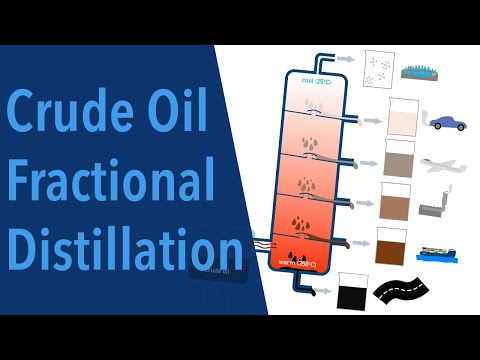
The principles of fractional distillation are based on the differences in boiling points between the components of a mixture. As the mixture is heated, the components with lower boiling points vaporize first, while those with higher boiling points remain in the liquid phase. The vapor is then cooled and condensed, allowing the components to be separated based on their boiling points. The thermodynamics of distillation play a crucial role in determining the efficiency of the process. Fractional distillation columns are designed to maximize the separation of components, with features such as trays and packings that enhance the mass transfer between the vapor and liquid phases. The kinetics of distillation also influence the design and operation of fractional distillation columns. For example, the design of distillation columns must take into account the vapor-liquid equilibrium of the system.
📊 Design Considerations for Fractional Distillation Columns
The design of fractional distillation columns is a complex process that requires careful consideration of various factors, including the properties of the mixture to be separated, the desired separation, and the operating conditions. The height and diameter of the column, as well as the type of trays or packings used, must be carefully optimized to achieve the desired separation. The design of distillation columns is often performed using computational modeling techniques, such as simulation software. The optimization of distillation columns is a critical step in ensuring the efficiency and effectiveness of the separation process. For instance, the use of artificial intelligence in distillation column design has shown promising results in recent years.
🚧 Construction and Operation of Fractional Distillation Columns
The construction and operation of fractional distillation columns require careful attention to detail to ensure safe and efficient operation. The materials of construction must be compatible with the properties of the mixture being separated, and the operating conditions must be carefully controlled to prevent corrosion or other forms of damage. The maintenance of distillation columns is also critical to ensuring optimal performance. Regular cleaning and inspection of the column and its components can help prevent fouling and other issues that can impact efficiency. The operation of distillation columns is often performed using process control systems, which enable real-time monitoring and control of the separation process.
🌟 Applications of Fractional Distillation Columns
Fractional distillation columns have a wide range of applications in various industries, including the production of chemicals, pharmaceuticals, and fuels. The refining of crude oil is one of the most significant applications of fractional distillation columns, as it enables the production of various fuels and petrochemicals. The production of biofuels is another area where fractional distillation columns play a critical role. The separation of mixtures is a fundamental process in many industries, and fractional distillation columns are an essential tool in achieving this separation. For example, the production of ethanol relies heavily on fractional distillation columns to separate the ethanol from other components in the mixture.
📊 Economic Importance of Fractional Distillation Columns
The economic importance of fractional distillation columns cannot be overstated, as they play a critical role in the production of various fuels and petrochemicals. The global demand for fuels is expected to continue growing in the coming years, and fractional distillation columns will be essential in meeting this demand. The cost of production of fuels and petrochemicals is also closely tied to the efficiency of fractional distillation columns. As the price of oil continues to fluctuate, the importance of optimizing the separation process to minimize costs will only continue to grow. The economics of distillation is a complex topic that requires careful consideration of various factors, including the cost of energy and the cost of maintenance.
🌎 Environmental Impact of Fractional Distillation Columns
The environmental impact of fractional distillation columns is a topic of growing concern, as the production of fuels and petrochemicals can have significant effects on the environment. The emissions from distillation columns can contribute to air pollution and climate change. The use of energy in distillation columns is also a significant concern, as it can contribute to greenhouse gas emissions. However, the use of fractional distillation columns can also help reduce the environmental impact of the production process by enabling the production of cleaner fuels and petrochemicals. For example, the production of biofuels can help reduce greenhouse gas emissions and mitigate climate change.
🚨 Safety Considerations for Fractional Distillation Columns
The safety considerations for fractional distillation columns are critical, as the operation of these columns can pose significant risks to personnel and the environment. The handling of hazardous materials is a significant concern, as the mixtures being separated can be highly flammable or toxic. The design and construction of fractional distillation columns must take into account the potential risks associated with the operation of these columns. The training of personnel is also essential to ensure that they are aware of the potential risks and can operate the columns safely. The maintenance of distillation columns is also critical to preventing accidents and ensuring safe operation.
📈 Future Developments in Fractional Distillation Technology
The future developments in fractional distillation technology are expected to focus on improving the efficiency and sustainability of the separation process. The use of new materials and designs is expected to play a significant role in this effort, as well as the integration of new technologies such as artificial intelligence and machine learning. The development of more efficient distillation columns is also expected to be a major area of focus, as it can help reduce the energy consumption and emissions associated with the separation process. For instance, the use of 3D printing in distillation column design has shown promising results in recent years.
🤝 Conclusion: The Indispensable Role of Fractional Distillation Columns
In conclusion, fractional distillation columns are a critical component of modern refining, enabling the separation of mixtures into their constituent parts based on differences in boiling points. The importance of fractional distillation columns in meeting the growing demand for refined products cannot be overstated. As the demand for fuels continues to grow, the importance of optimizing the separation process to minimize costs and reduce the environmental impact will only continue to grow. The future of distillation technology is expected to be shaped by advancements in materials science, computational modeling, and artificial intelligence.
Key Facts
- Year
- 1920
- Origin
- Germany
- Category
- Chemical Engineering
- Type
- Chemical Process
Frequently Asked Questions
What is fractional distillation?
Fractional distillation is a process used to separate mixtures into their constituent parts based on differences in boiling points. It is widely used in the petroleum industry to produce various fuels and petrochemicals. The process involves heating the mixture and then cooling and condensing the vapor to separate the components. The principles of fractional distillation are based on the differences in boiling points between the components of a mixture. For example, the separation of methane and ethane is a common application of fractional distillation.
What are the applications of fractional distillation columns?
Fractional distillation columns have a wide range of applications in various industries, including the production of chemicals, pharmaceuticals, and fuels. The refining of crude oil is one of the most significant applications of fractional distillation columns, as it enables the production of various fuels and petrochemicals. The production of biofuels is another area where fractional distillation columns play a critical role. For instance, the production of ethanol relies heavily on fractional distillation columns to separate the ethanol from other components in the mixture.
What are the safety considerations for fractional distillation columns?
The safety considerations for fractional distillation columns are critical, as the operation of these columns can pose significant risks to personnel and the environment. The handling of hazardous materials is a significant concern, as the mixtures being separated can be highly flammable or toxic. The design and construction of fractional distillation columns must take into account the potential risks associated with the operation of these columns. The training of personnel is also essential to ensure that they are aware of the potential risks and can operate the columns safely.
What is the future of fractional distillation technology?
The future of fractional distillation technology is expected to be shaped by advancements in materials science, computational modeling, and artificial intelligence. The use of new materials and designs is expected to play a significant role in improving the efficiency and sustainability of the separation process. The integration of new technologies such as artificial intelligence and machine learning is also expected to be a major area of focus. For example, the use of 3D printing in distillation column design has shown promising results in recent years.
What are the environmental impacts of fractional distillation columns?
The environmental impacts of fractional distillation columns are a significant concern, as the production of fuels and petrochemicals can have significant effects on the environment. The emissions from distillation columns can contribute to air pollution and climate change. However, the use of fractional distillation columns can also help reduce the environmental impact of the production process by enabling the production of cleaner fuels and petrochemicals. For instance, the production of biofuels can help reduce greenhouse gas emissions and mitigate climate change.
What are the economic benefits of fractional distillation columns?
The economic benefits of fractional distillation columns are significant, as they enable the production of various fuels and petrochemicals at a lower cost. The efficiency of fractional distillation columns can help reduce the energy consumption and emissions associated with the separation process. The use of fractional distillation columns can also help reduce the cost of production of fuels and petrochemicals, making them more competitive in the market. For example, the use of fractional distillation columns in the petroleum industry has been shown to reduce the cost of production of gasoline and diesel.
What are the limitations of fractional distillation columns?
The limitations of fractional distillation columns include the high energy consumption and emissions associated with the separation process. The use of fractional distillation columns can also be limited by the complexity of the mixture being separated, as well as the potential for fouling and other issues that can impact efficiency. However, advancements in materials science, computational modeling, and artificial intelligence are expected to help overcome these limitations and improve the efficiency and sustainability of the separation process. For instance, the use of advanced materials in distillation column design has shown promising results in reducing energy consumption and emissions.