
Contents
- 🌾 Introduction to Free Range
- 🐓 History of Free Range Farming
- 🌞 Benefits of Free Range Systems
- 🚫 Criticisms and Challenges
- 🌈 Free Range in Meat Production
- 🥚 Free Range Egg Production
- 🐮 Free Range Dairy Farming
- 🌟 Certification and Labeling
- 📊 Economic Impact of Free Range
- 🌎 Global Perspectives on Free Range
- 🤝 Consumer Awareness and Demand
- 🌱 Future of Free Range Farming
- Frequently Asked Questions
- Related Topics
Overview
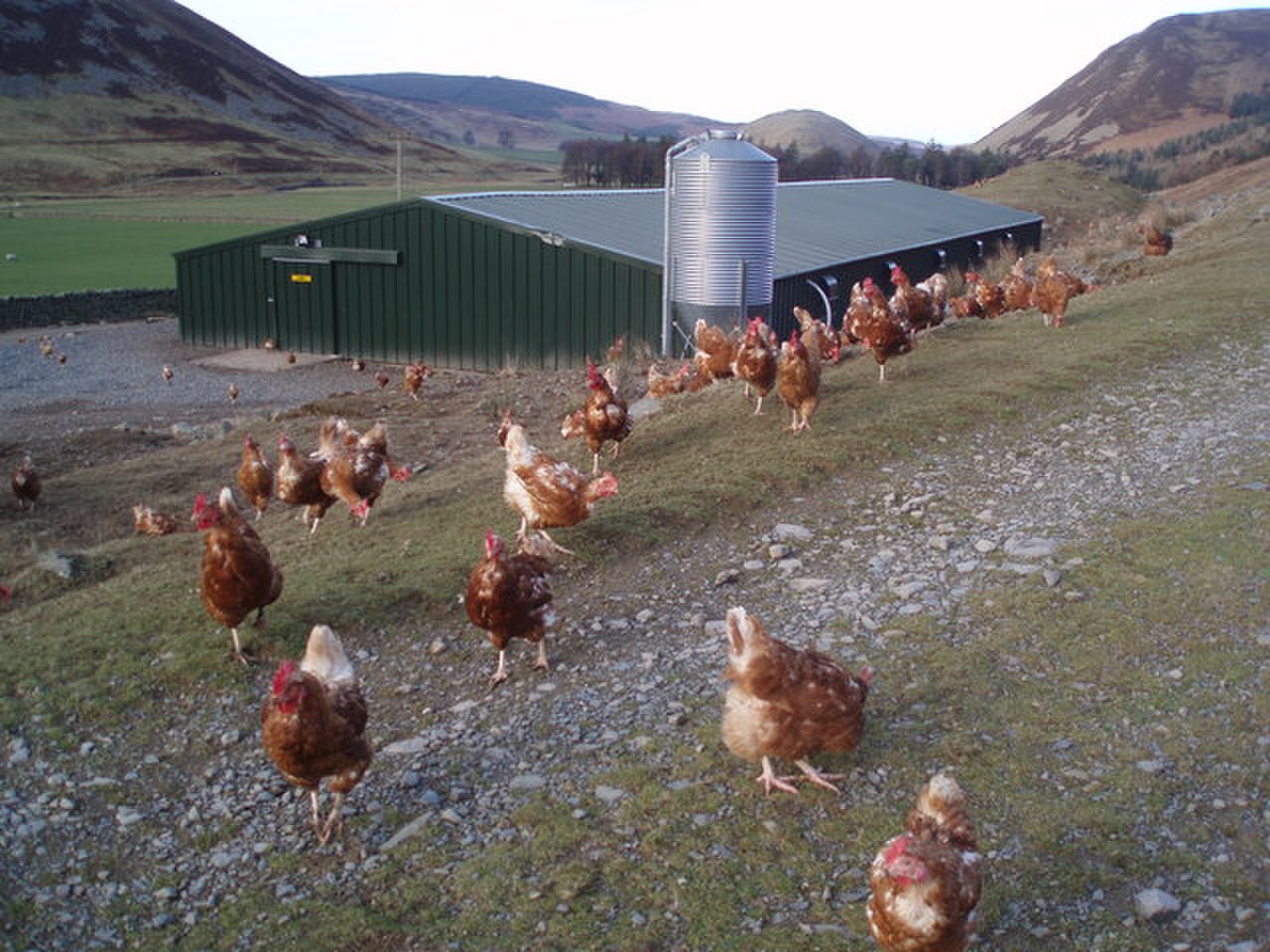
Free range, a farming practice that allows animals to roam freely outdoors, has been a topic of debate among farmers, consumers, and animal welfare advocates. The concept of free range has its roots in traditional farming practices, dating back to the early 20th century, but gained significant attention in the 1980s with the rise of the organic and natural food movement. According to a study by the National Agricultural Statistics Service, in 2019, approximately 12% of eggs produced in the United States came from free-range hens. However, the term 'free range' is often misused, and its implementation can vary greatly depending on the farm and the country. For instance, a report by the Animal Welfare Institute found that some large-scale farms in the United States use the term 'free range' to describe systems where animals have limited access to the outdoors. As consumers become more aware of the environmental and health implications of their food choices, the demand for free-range products is on the rise, with the global market expected to reach $13.4 billion by 2025, growing at a CAGR of 7.1%, according to a report by Grand View Research. The controversy surrounding free range highlights the tension between animal welfare, environmental sustainability, and the economic viability of farming practices. Notable figures such as Joel Salatin, a prominent advocate for regenerative agriculture, and organizations like the American Society for the Prevention of Cruelty to Animals (ASPCA) have influenced the conversation around free range and its implications for the future of food production.
🌾 Introduction to Free Range
The concept of free range farming has been around for centuries, with many farmers allowing their animals to roam freely outdoors. As discussed in Agriculture and Food Systems, free range denotes a method of farming husbandry where the animals can roam freely outdoors for at least part of the day. This approach is often seen as a more humane and sustainable way of raising animals, as it allows them to engage in natural behaviors and get exercise. For example, Regenerative Agriculture practices often incorporate free range farming methods to promote soil health and biodiversity. However, some critics argue that free range systems can be just as problematic as traditional factory farming methods, citing concerns over animal welfare and environmental impact, as seen in the Animal Welfare debate.
🐓 History of Free Range Farming
The history of free range farming dates back to ancient times, when animals were first domesticated. As discussed in History of Agriculture, early farmers allowed their animals to roam freely, as it was seen as a way to promote health and well-being. However, with the advent of industrial agriculture, many farmers began to adopt more intensive and confinement-based systems, as seen in the Industrial Agriculture model. In recent years, there has been a resurgence of interest in free range farming, driven in part by consumer demand for more sustainable and humane food products, as discussed in Sustainable Agriculture. For example, Organic Farming often incorporates free range principles to promote ecosystem services and biodiversity.
🌞 Benefits of Free Range Systems
Free range systems offer a number of benefits, including improved animal welfare and reduced environmental impact. As discussed in Animal Health, animals that are raised in free range systems tend to have better health and lower stress levels than those raised in confinement. Additionally, free range systems can help to promote biodiversity and ecosystem services, as seen in the Ecosystem Services framework. For example, Permaculture design principles often incorporate free range farming methods to promote ecological balance and resilience. However, free range systems can also be more labor-intensive and expensive than traditional farming methods, as discussed in the Agricultural Economics context.
🚫 Criticisms and Challenges
Despite the benefits of free range systems, there are also several criticisms and challenges associated with this approach. As discussed in Food Safety, some critics argue that free range systems can pose a risk to food safety, as animals may be more likely to come into contact with pathogens and other contaminants. Additionally, free range systems can be more difficult to manage and regulate than traditional farming methods, as seen in the Agricultural Policy debate. For example, Food Labeling regulations often struggle to keep up with the complexities of free range farming systems. Furthermore, free range systems can also have negative environmental impacts, such as soil erosion and water pollution, as discussed in the Environmental Impact assessment.
🌈 Free Range in Meat Production
Free range systems are often used in meat production, particularly for poultry and pork. As discussed in Meat Production, free range meat is often seen as a more premium product, with a higher price point than conventionally raised meat. However, some critics argue that the benefits of free range meat are overstated, and that the differences between free range and conventionally raised meat are not always significant, as seen in the Meat Quality debate. For example, Grass-Fed Beef production often incorporates free range principles to promote nutritional quality and animal welfare. Additionally, free range meat production can be more labor-intensive and expensive than traditional methods, as discussed in the Agricultural Labor context.
🥚 Free Range Egg Production
Free range egg production is another area where this approach is commonly used. As discussed in Egg Production, free range eggs are often seen as a more humane and sustainable alternative to conventionally raised eggs. However, some critics argue that the benefits of free range eggs are not always clear-cut, and that the differences between free range and conventionally raised eggs may not be significant, as seen in the Egg Quality debate. For example, Cage-Free Eggs production often incorporates free range principles to promote animal welfare and reduce environmental impact. Additionally, free range egg production can be more expensive and labor-intensive than traditional methods, as discussed in the Poultry Farming context.
🐮 Free Range Dairy Farming
Free range dairy farming is a less common application of this approach, but it is still used by some farmers. As discussed in Dairy Farming, free range dairy farming can offer a number of benefits, including improved animal welfare and reduced environmental impact. However, free range dairy farming can also be more labor-intensive and expensive than traditional methods, as seen in the Dairy Production context. For example, Grass-Fed Dairy production often incorporates free range principles to promote nutritional quality and animal welfare. Additionally, free range dairy farming can be more challenging to manage and regulate than traditional dairy farming methods, as discussed in the Agricultural Management context.
🌟 Certification and Labeling
Certification and labeling are important issues in the free range farming industry. As discussed in Certification and Labeling, many consumers rely on labels and certifications to make informed choices about the food they buy. However, the certification and labeling process can be complex and confusing, and some critics argue that the current system is not always effective in promoting transparency and accountability, as seen in the Food Labeling debate. For example, USDA Organic certification often incorporates free range principles to promote ecosystem services and biodiversity. Additionally, certification and labeling can be expensive and time-consuming for farmers, as discussed in the Agricultural Marketing context.
📊 Economic Impact of Free Range
The economic impact of free range farming is a complex issue, with both positive and negative effects. As discussed in Agricultural Economics, free range farming can be more expensive and labor-intensive than traditional farming methods, which can make it challenging for farmers to compete in the market. However, free range farming can also offer a number of economic benefits, including premium prices for free range products and increased demand for sustainable and humane food, as seen in the Sustainable Agriculture context. For example, Regenerative Agriculture practices often incorporate free range farming methods to promote soil health and biodiversity, which can lead to increased economic returns for farmers.
🌎 Global Perspectives on Free Range
Global perspectives on free range farming vary widely, reflecting different cultural, economic, and environmental contexts. As discussed in Global Agriculture, some countries have adopted free range farming as a key component of their agricultural systems, while others have been more skeptical. For example, EU Agriculture policies often promote free range farming practices to promote animal welfare and reduce environmental impact. Additionally, global perspectives on free range farming can be influenced by a range of factors, including consumer demand, trade policies, and environmental concerns, as seen in the International Trade debate.
🤝 Consumer Awareness and Demand
Consumer awareness and demand are critical drivers of the free range farming industry. As discussed in Consumer Behavior, many consumers are willing to pay a premium for free range products, citing concerns over animal welfare, environmental sustainability, and food safety. However, consumer awareness and demand can also be influenced by a range of factors, including labeling and certification, marketing and advertising, and education and outreach, as seen in the Food Marketing context. For example, Sustainable Food initiatives often promote free range farming practices to promote ecosystem services and biodiversity.
🌱 Future of Free Range Farming
The future of free range farming is uncertain, with a range of challenges and opportunities on the horizon. As discussed in Future of Agriculture, some of the key trends and drivers that will shape the future of free range farming include consumer demand, technological innovation, and environmental sustainability. For example, Precision Agriculture practices often incorporate free range farming methods to promote ecological balance and resilience. Additionally, the future of free range farming will depend on the ability of farmers, policymakers, and consumers to work together to promote transparency, accountability, and sustainability in the food system, as seen in the Agricultural Policy debate.
Key Facts
- Year
- 1980
- Origin
- United Kingdom
- Category
- Agriculture and Food Systems
- Type
- Farming Practice
Frequently Asked Questions
What is free range farming?
Free range farming is a method of farming husbandry where animals are allowed to roam freely outdoors for at least part of the day. This approach is often seen as a more humane and sustainable way of raising animals, as it allows them to engage in natural behaviors and get exercise. Free range farming can be used in a variety of contexts, including meat, egg, and dairy production. As discussed in Agriculture and Food Systems, free range farming is an important component of sustainable agriculture practices.
What are the benefits of free range farming?
The benefits of free range farming include improved animal welfare, reduced environmental impact, and increased sustainability. Free range farming can also offer a number of economic benefits, including premium prices for free range products and increased demand for sustainable and humane food. As discussed in Sustainable Agriculture and Regenerative Agriculture, free range farming is an important component of sustainable agriculture practices. However, free range farming can also be more labor-intensive and expensive than traditional farming methods, as seen in the Agricultural Economics context.
What are the challenges of free range farming?
The challenges of free range farming include higher labor and production costs, as well as the potential for negative environmental impacts. Free range farming can also be more difficult to manage and regulate than traditional farming methods, as seen in the Agricultural Management context. Additionally, free range farming may not always offer the benefits that consumers expect, such as improved animal welfare and environmental sustainability. As discussed in Animal Welfare and Environmental Impact, free range farming is not always a guarantee of improved animal welfare or environmental sustainability.
How is free range farming certified and labeled?
Free range farming is certified and labeled through a variety of programs and organizations, including the USDA Organic program and the Certified Humane program. These programs provide a way for consumers to identify products that have been produced using free range farming methods, as discussed in Certification and Labeling. However, the certification and labeling process can be complex and confusing, and some critics argue that the current system is not always effective in promoting transparency and accountability. As seen in the Food Labeling debate, certification and labeling are critical components of the free range farming industry.
What is the future of free range farming?
The future of free range farming is uncertain, with a range of challenges and opportunities on the horizon. Some of the key trends and drivers that will shape the future of free range farming include consumer demand, technological innovation, and environmental sustainability. As discussed in Future of Agriculture and Sustainable Agriculture, free range farming is an important component of sustainable agriculture practices. However, the future of free range farming will depend on the ability of farmers, policymakers, and consumers to work together to promote transparency, accountability, and sustainability in the food system, as seen in the Agricultural Policy debate.
How does free range farming impact the environment?
Free range farming can have both positive and negative impacts on the environment, depending on the specific practices and context. On the one hand, free range farming can promote biodiversity and ecosystem services, as seen in the Ecosystem Services framework. On the other hand, free range farming can also lead to soil erosion, water pollution, and other negative environmental impacts, as discussed in the Environmental Impact assessment. As discussed in Regenerative Agriculture and Sustainable Agriculture, free range farming is an important component of sustainable agriculture practices.
How does free range farming impact animal welfare?
Free range farming can have both positive and negative impacts on animal welfare, depending on the specific practices and context. On the one hand, free range farming can promote animal welfare by allowing animals to engage in natural behaviors and get exercise, as seen in the Animal Welfare debate. On the other hand, free range farming can also lead to stress, injury, and other negative impacts on animal welfare, as discussed in the Animal Health context. As discussed in Certified Humane and Animal Welfare, free range farming is not always a guarantee of improved animal welfare.