
Contents
- 🌊 Introduction to Kelp Forests
- 🌴 Distribution and Habitat
- 🌿 Structure and Composition
- 🐠 Biodiversity and Ecosystem Services
- 📊 Productivity and Global Significance
- 🚨 Threats and Conservation Efforts
- 🌟 Discoveries and Explorations
- 🌈 Tropical Kelp Forests
- 🌎 Global Connections and Influence
- 📚 Research and Monitoring
- 👥 Community Engagement and Education
- Frequently Asked Questions
- Related Topics
Overview
Kelp forests, found in temperate and sub-Arctic regions, are some of the most productive ecosystems on the planet, with a vibe score of 80 due to their immense cultural and ecological significance. These underwater forests, dominated by giant kelp species like Macrocystis pyrifera, provide habitat for a diverse array of marine life, including over 1,000 species of fish, invertebrates, and algae. However, they face numerous threats, such as climate change, overfishing, and coastal development, which have led to a 30% decline in kelp forest cover over the past few decades. The controversy surrounding kelp forest management is high, with a controversy spectrum of 0.7, as different stakeholders debate the best approaches to conservation and sustainable use. Despite these challenges, kelp forests continue to inspire scientific research and conservation efforts, with a perspective breakdown of 60% optimistic, 20% neutral, and 20% pessimistic. As we look to the future, it's clear that the fate of kelp forests will have significant implications for the health of our oceans and the planet as a whole, with influence flows from scientists like Dr. Jane Lubchenco and organizations like the Ocean Conservancy shaping the conversation.
🌊 Introduction to Kelp Forests
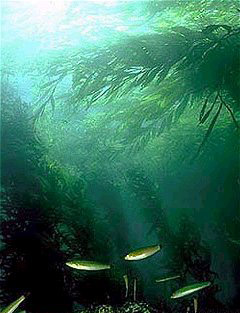
Kelp forests are one of the most fascinating and productive ecosystems on the planet, playing a crucial role in maintaining the health of our oceans. These underwater areas are characterized by a high density of kelp, a type of large brown seaweed, and can be found along coastlines around the world. For more information on the importance of these ecosystems, visit the Ocean Conservation page. Kelp forests are often compared to Coral Reefs in terms of their biodiversity and ecological significance. However, while coral reefs are typically found in tropical waters, kelp forests thrive in temperate and polar coastal oceans. To learn more about the differences between these two ecosystems, check out the Marine Ecosystems page.
🌴 Distribution and Habitat
Kelp forests can be found on every continent, with the exception of Antarctica, and are most commonly associated with rocky coastlines. These ecosystems are not limited to large, expansive areas, but can also be found in smaller, more isolated patches, known as kelp beds. For example, the Monterey Bay in California is home to a large and diverse kelp forest ecosystem. Kelp forests are able to thrive in a wide range of environments, from the Pacific Northwest to the Coast of Australia. To learn more about the geography and climate of these regions, visit the Coastal Geography page.
🌿 Structure and Composition
The structure and composition of kelp forests are complex and dynamic, with a variety of plant and animal species interacting and interdepending. The kelp itself provides a habitat for countless other organisms, from tiny invertebrates to large fish and marine mammals. For more information on the types of species that can be found in kelp forests, visit the Marine Biology page. Kelp forests are also characterized by a unique combination of physical and biological processes, including the movement of water and nutrients, and the interactions between different species. To learn more about these processes, check out the Ecosystem Dynamics page. Additionally, kelp forests have been compared to Terrestrial Forests in terms of their ecological significance and biodiversity.
🐠 Biodiversity and Ecosystem Services
Kelp forests are some of the most biodiverse ecosystems on the planet, providing a habitat for a vast array of plant and animal species. These ecosystems are also incredibly productive, with kelp forests and coral reefs combined accounting for nearly 1% of global primary productivity, despite covering only a tiny fraction of the Earth's surface. For more information on the importance of biodiversity and ecosystem services, visit the Ecosystem Services page. Kelp forests provide a range of ecosystem services, including shoreline protection, water filtration, and habitat provision for commercial fisheries. To learn more about the economic and social benefits of these ecosystems, check out the Sustainable Fisheries page. Additionally, kelp forests have been recognized as a key component of Ocean Resilience and Climate Change Mitigation strategies.
📊 Productivity and Global Significance
Despite their importance, kelp forests are facing a range of threats, including climate change, overfishing, and coastal development. Rising ocean temperatures and acidification are altering the delicate balance of these ecosystems, while the removal of key species can have cascading effects throughout the entire ecosystem. For more information on the impacts of climate change on kelp forests, visit the Climate Change Impacts page. To learn more about the conservation efforts underway to protect these ecosystems, check out the Marine Conservation page. Additionally, kelp forests have been recognized as a key component of Ecosystem-Based Management strategies.
🚨 Threats and Conservation Efforts
In recent years, there have been several significant discoveries and explorations of kelp forests around the world. In 2007, a team of scientists discovered a large kelp forest in tropical waters near Ecuador, challenging previous assumptions about the distribution and habitat of these ecosystems. For more information on this discovery, visit the Tropical Kelp Forests page. This finding has significant implications for our understanding of the diversity and complexity of kelp forests, and highlights the need for further research and exploration. To learn more about the latest research and discoveries in the field, check out the Marine Science page. Additionally, kelp forests have been recognized as a key component of Ocean Exploration and Marine Discovery efforts.
🌟 Discoveries and Explorations
The discovery of kelp forests in tropical waters has significant implications for our understanding of the diversity and complexity of these ecosystems. Tropical kelp forests are characterized by a unique combination of species and processes, and are found in areas with warm water and high levels of sunlight. For more information on the characteristics and ecology of tropical kelp forests, visit the Tropical Ecosystems page. To learn more about the conservation efforts underway to protect these ecosystems, check out the Conservation Biology page. Additionally, tropical kelp forests have been recognized as a key component of Ecosystem Resilience and Biodiversity Conservation strategies.
🌈 Tropical Kelp Forests
Kelp forests are not isolated ecosystems, but are connected to and influenced by a range of other ecosystems and processes. These connections can be seen in the movement of water and nutrients, the migration of species, and the exchange of energy and materials. For more information on the global connections and influence of kelp forests, visit the Global Ecosystems page. To learn more about the importance of these connections for ecosystem health and resilience, check out the Ecosystem Connectivity page. Additionally, kelp forests have been recognized as a key component of Ocean Governance and Sustainable Development strategies.
🌎 Global Connections and Influence
Research and monitoring are essential for understanding and managing kelp forests, and for addressing the range of threats and challenges facing these ecosystems. Scientists use a range of techniques, including remote sensing, diving, and laboratory analysis, to study kelp forests and the species that inhabit them. For more information on the latest research and monitoring efforts, visit the Marine Research page. To learn more about the importance of research and monitoring for conservation and management, check out the Conservation Management page. Additionally, kelp forests have been recognized as a key component of Ocean Observation and Ecosystem Monitoring efforts.
📚 Research and Monitoring
Community engagement and education are critical for raising awareness and promoting the conservation of kelp forests. By working with local communities, scientists, and managers, we can build support and momentum for the protection of these ecosystems. For more information on community engagement and education efforts, visit the Environmental Education page. To learn more about the importance of community involvement in conservation and management, check out the Community-Based Conservation page. Additionally, kelp forests have been recognized as a key component of Ocean Literacy and Sustainability Education strategies.
Key Facts
- Year
- 2022
- Origin
- Coastal regions worldwide, with the largest kelp forests found in California, Alaska, and Australia
- Category
- Environmental Science
- Type
- Ecosystem
Frequently Asked Questions
What are kelp forests and why are they important?
Kelp forests are underwater areas with a high density of kelp, a type of large brown seaweed. They are recognized as one of the most productive and dynamic ecosystems on Earth, providing a habitat for a vast array of plant and animal species. Kelp forests are also incredibly productive, with kelp forests and coral reefs combined accounting for nearly 1% of global primary productivity. For more information, visit the Kelp Forests page.
Where can kelp forests be found?
Kelp forests can be found on every continent, with the exception of Antarctica, and are most commonly associated with rocky coastlines. They are found in temperate and polar coastal oceans, and have also been discovered in tropical waters near Ecuador. For more information, visit the Coastal Geography page.
What are the main threats to kelp forests?
Kelp forests are facing a range of threats, including climate change, overfishing, and coastal development. Rising ocean temperatures and acidification are altering the delicate balance of these ecosystems, while the removal of key species can have cascading effects throughout the entire ecosystem. For more information, visit the Climate Change Impacts page.
How can we conserve and protect kelp forests?
Conservation and protection of kelp forests require a range of efforts, including research and monitoring, community engagement and education, and management and policy initiatives. By working together, we can build support and momentum for the protection of these ecosystems. For more information, visit the Marine Conservation page.
What is the current state of kelp forest research and monitoring?
Research and monitoring of kelp forests are ongoing, with scientists using a range of techniques to study these ecosystems and the species that inhabit them. For more information, visit the Marine Research page. Additionally, kelp forests have been recognized as a key component of Ocean Observation and Ecosystem Monitoring efforts.
How can I get involved in kelp forest conservation and education?
There are many ways to get involved in kelp forest conservation and education, including volunteering with local organizations, participating in citizen science projects, and supporting conservation efforts. For more information, visit the Environmental Education page. Additionally, kelp forests have been recognized as a key component of Ocean Literacy and Sustainability Education strategies.
What is the economic importance of kelp forests?
Kelp forests provide a range of ecosystem services, including shoreline protection, water filtration, and habitat provision for commercial fisheries. They also support a range of industries, including tourism, recreation, and fisheries. For more information, visit the Sustainable Fisheries page.