
Contents
- 🌊 Introduction to Coral Reefs
- 🐳 The Biology of Coral Polyps
- 🌴 Coral Reef Formation and Structure
- 🌟 The Importance of Coral Reefs
- 🚨 Threats to Coral Reefs
- 🌈 Biodiversity of Coral Reefs
- 👥 Human Impact on Coral Reefs
- 💡 Conservation Efforts for Coral Reefs
- 📊 The Economic Value of Coral Reefs
- 🌎 Global Distribution of Coral Reefs
- 🔬 Research and Monitoring of Coral Reefs
- Frequently Asked Questions
- Related Topics
Overview
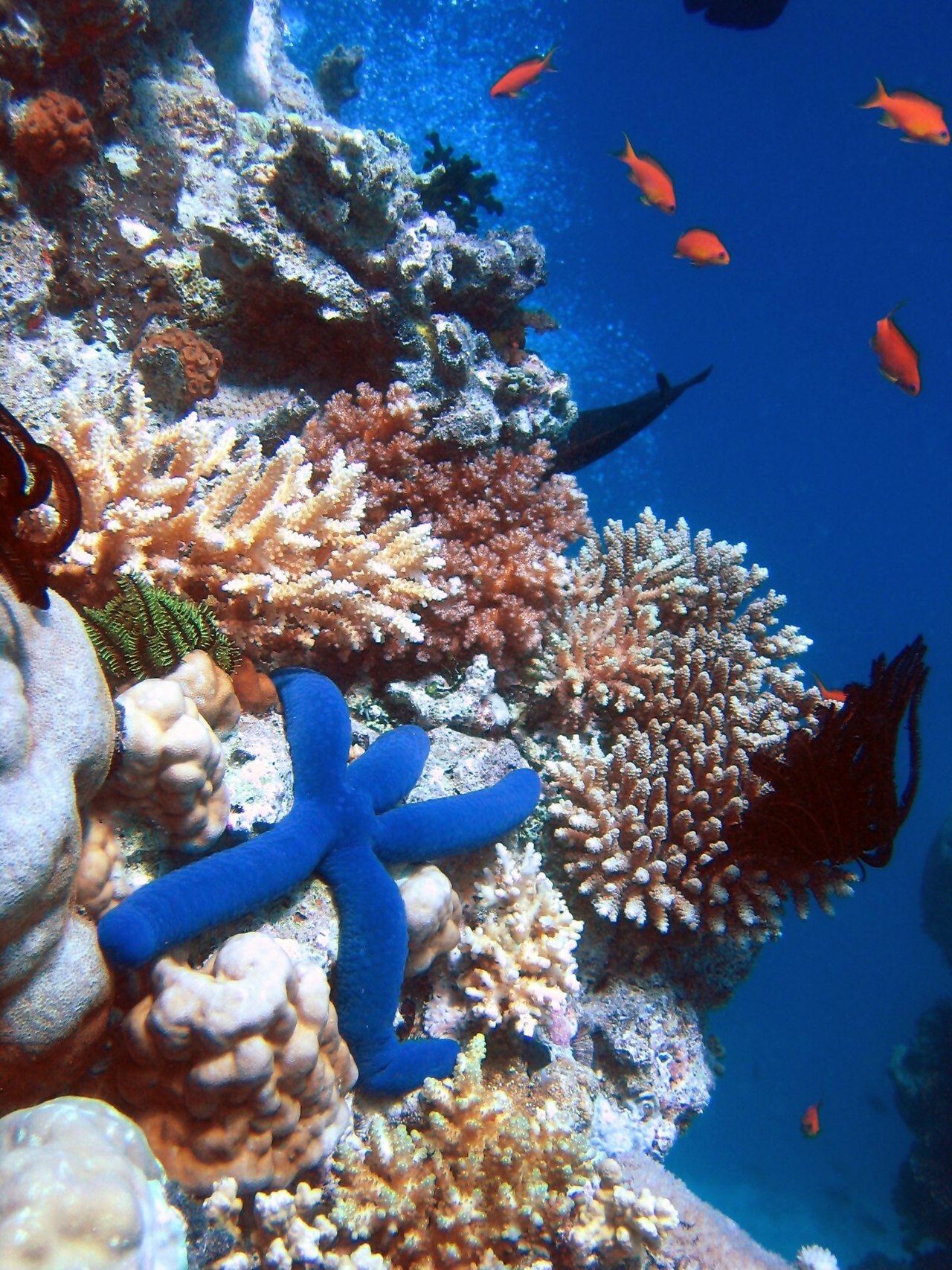
Coral reefs, home to over 25% of marine species, are facing unprecedented threats from climate change, with 70-90% of the world's coral reefs expected to disappear by 2050. The Great Barrier Reef, for example, has seen a 30% decline in coral cover since 1985, with a 2016 bleaching event alone killing off 30% of its coral. Despite conservation efforts, the debate surrounding the effectiveness of marine protected areas and the impact of tourism on coral reefs continues. According to a study by the National Oceanic and Atmospheric Administration (NOAA), coral reefs generate $6.4 billion in economic benefits annually, making them a critical component of coastal ecosystems. However, the Vibe score for coral reefs is a concerning 32, indicating a low level of cultural energy and attention. As we move forward, it's essential to consider the influence flows between governments, NGOs, and local communities in shaping the future of coral reef conservation, with entities like the Coral Reef Alliance and the World Wildlife Fund playing a crucial role in raising awareness and driving action.
🌊 Introduction to Coral Reefs
Coral reefs are one of the most fascinating and diverse ecosystems on the planet, with a delicate balance that supports an incredible array of marine life. As explained in Coral Reef Ecology, coral reefs are formed by colonies of coral polyps that work together to create a complex structure. These reefs are not only beautiful to look at, but they also provide important ecosystem services, including Shoreline Stabilization and Water Filtration. However, coral reefs are facing numerous threats, including Climate Change and Overfishing, which can have devastating effects on the health of the reef. To better understand the importance of coral reefs, it's essential to learn about Marine Biology and the interconnectedness of oceanic ecosystems.
🐳 The Biology of Coral Polyps
The biology of coral polyps is crucial to understanding how coral reefs form and function. As described in Coral Polyp Biology, coral polyps are tiny animals that belong to the phylum Cnidaria. They have a soft, sac-like body and a mouth surrounded by tentacles, which they use to capture small prey. Coral polyps are also capable of photosynthesis, thanks to the presence of Zooxanthellae algae that live inside their tissues. This symbiotic relationship between coral polyps and zooxanthellae is essential for the survival of the coral reef ecosystem, and is closely related to Symbiotic Relationships in other ecosystems. By studying Ecological Relationships between different species, we can gain a deeper appreciation for the complexity of coral reef ecosystems.
🌴 Coral Reef Formation and Structure
Coral reef formation and structure are complex processes that involve the growth and accumulation of coral polyps over time. As explained in Coral Reef Formation, coral reefs are formed when coral polyps settle on a substrate and begin to grow, eventually forming a large colony. The structure of the reef is determined by the type of coral polyps present, as well as environmental factors such as Water Depth and Currents. Coral reefs can be divided into different zones, each with its own unique characteristics and inhabitants, including Coral Reef Zones. By studying Geomorphology and Oceanography, we can better understand the processes that shape coral reefs and the ecosystems they support.
🌟 The Importance of Coral Reefs
The importance of coral reefs cannot be overstated, as they provide numerous benefits to both the environment and human societies. As described in Coral Reef Importance, coral reefs support a vast array of marine life, including Fish, Invertebrates, and Microorganisms. They also protect shorelines from erosion and provide important ecosystem services, including Coastal Protection and Water Purification. Additionally, coral reefs have significant economic value, with many communities relying on them for Fishing and Tourism. By learning about Ecosystem Services and Human Wellbeing, we can appreciate the vital role that coral reefs play in supporting life on Earth.
🚨 Threats to Coral Reefs
Coral reefs are facing numerous threats, including climate change, overfishing, and pollution. As explained in Coral Reef Threats, rising sea temperatures can cause Coral Bleaching, which can be devastating to the health of the reef. Overfishing can also deplete key herbivore populations, allowing Algae to overgrow the reef and shade out the coral. Furthermore, pollution from land-based activities can damage coral reefs and the ecosystems they support, highlighting the need for Sustainable Practices and Environmental Regulations. By studying Environmental Impact and Conservation Biology, we can develop effective strategies for protecting coral reefs and the many species that depend on them.
🌈 Biodiversity of Coral Reefs
The biodiversity of coral reefs is staggering, with thousands of different species calling these ecosystems home. As described in Coral Reef Biodiversity, coral reefs support a vast array of fish, invertebrates, and microorganisms, including Sea Turtles, Rays, and Coral. The complexity of coral reef ecosystems is due in part to the many different habitats present, including Coral Reef Flats, Coral Reef Slopes, and Estuaries. By learning about Species Interactions and Ecological Niches, we can gain a deeper appreciation for the intricate web of life that exists on coral reefs.
👥 Human Impact on Coral Reefs
Human impact on coral reefs is a significant concern, as human activities can have devastating effects on these ecosystems. As explained in Human Impact on Coral Reefs, overfishing, pollution, and coastal development can all damage coral reefs and the ecosystems they support. Additionally, climate change is causing rising sea temperatures and Ocean Acidification, which can be particularly damaging to coral reefs. By studying Environmental Policy and Sustainable Development, we can develop effective strategies for reducing human impact on coral reefs and promoting their conservation.
💡 Conservation Efforts for Coral Reefs
Conservation efforts for coral reefs are underway, but more needs to be done to protect these vital ecosystems. As described in Coral Reef Conservation, conservation efforts include the establishment of Marine Protected Areas, Sustainable Fishing Practices, and Coral Reef Restoration programs. Additionally, reducing pollution and addressing climate change are critical for the long-term health of coral reefs. By learning about Conservation Strategies and Environmental Education, we can promote the conservation of coral reefs and the many species that depend on them.
📊 The Economic Value of Coral Reefs
The economic value of coral reefs is significant, with many communities relying on them for fishing and tourism. As explained in Economic Value of Coral Reefs, coral reefs provide important ecosystem services, including coastal protection and water purification, which can have significant economic benefits. Additionally, coral reefs support a vast array of marine life, which can be an important source of income for local communities through Ecotourism. By studying Environmental Economics and Sustainable Development, we can appreciate the vital role that coral reefs play in supporting human wellbeing and promoting economic growth.
🌎 Global Distribution of Coral Reefs
Coral reefs are found in tropical and subtropical regions around the world, with the largest coral reef system being the Great Barrier Reef in Australia. As described in Global Distribution of Coral Reefs, coral reefs can be found in the Atlantic Ocean, Pacific Ocean, and Indian Ocean, and are often associated with Islands and Coastal Areas. By learning about Biogeography and Oceanography, we can understand the global distribution of coral reefs and the factors that influence their formation and maintenance.
🔬 Research and Monitoring of Coral Reefs
Research and monitoring of coral reefs are critical for understanding the health and resilience of these ecosystems. As explained in Coral Reef Research, scientists use a variety of techniques, including Remote Sensing and In-Situ Measurements, to study coral reefs and the ecosystems they support. By studying Ecological Indicators and Environmental Monitoring, we can develop effective strategies for conserving coral reefs and promoting their long-term health.
Key Facts
- Year
- 2022
- Origin
- Tropical and subtropical oceans worldwide
- Category
- Environmental Science
- Type
- Ecosystem
Frequently Asked Questions
What is the main cause of coral bleaching?
The main cause of coral bleaching is rising sea temperatures, which can be caused by Climate Change. When corals are exposed to high temperatures, they expel the Zooxanthellae algae that live inside their tissues, turning white and often leading to the death of the coral. Coral bleaching can also be caused by other factors, including Water Pollution and Overexposure to Sunlight. By learning about Coral Bleaching and Climate Change, we can understand the importance of reducing our carbon footprint and promoting Sustainable Practices.
How can we conserve coral reefs?
There are several ways to conserve coral reefs, including the establishment of Marine Protected Areas, Sustainable Fishing Practices, and Coral Reef Restoration programs. Additionally, reducing pollution and addressing Climate Change are critical for the long-term health of coral reefs. By learning about Conservation Strategies and Environmental Education, we can promote the conservation of coral reefs and the many species that depend on them. It's also important to support Sustainable Tourism and Eco-Friendly Practices that minimize our impact on coral reefs.
What is the economic value of coral reefs?
The economic value of coral reefs is significant, with many communities relying on them for Fishing and Tourism. Coral reefs provide important ecosystem services, including Coastal Protection and Water Purification, which can have significant economic benefits. Additionally, coral reefs support a vast array of marine life, which can be an important source of income for local communities through Ecotourism. By studying Environmental Economics and Sustainable Development, we can appreciate the vital role that coral reefs play in supporting human wellbeing and promoting economic growth.
How can we reduce our impact on coral reefs?
There are several ways to reduce our impact on coral reefs, including reducing our carbon footprint, using Eco-Friendly Practices when visiting coral reefs, and supporting Sustainable Tourism. We can also reduce our use of Single-Use Plastics and support Marine Conservation efforts. By learning about Environmental Impact and Conservation Biology, we can develop effective strategies for reducing our impact on coral reefs and promoting their conservation. It's also important to support Environmental Policy and Sustainable Development initiatives that prioritize the protection of coral reefs.
What is the current state of coral reefs?
The current state of coral reefs is a concern, with many reefs around the world facing significant threats from Climate Change, Overfishing, and Pollution. According to the National Oceanic and Atmospheric Administration (NOAA), coral reefs are experiencing a significant decline in health and resilience. However, there are also many efforts underway to conserve and restore coral reefs, including the establishment of Marine Protected Areas and Coral Reef Restoration programs. By learning about Coral Reef Ecology and Marine Conservation, we can understand the importance of protecting coral reefs and the many species that depend on them.
How can we get involved in coral reef conservation?
There are many ways to get involved in coral reef conservation, including volunteering with Marine Conservation organizations, supporting Sustainable Tourism initiatives, and reducing our impact on coral reefs through Eco-Friendly Practices. We can also support Environmental Policy and Sustainable Development initiatives that prioritize the protection of coral reefs. By learning about Conservation Strategies and Environmental Education, we can promote the conservation of coral reefs and the many species that depend on them. It's also important to stay informed about Coral Reef Research and Marine Science to better understand the complex issues surrounding coral reef conservation.
What is the role of coral reefs in the ocean ecosystem?
Coral reefs play a vital role in the ocean ecosystem, providing important ecosystem services, including Coastal Protection, Water Purification, and Habitat Creation for a vast array of marine life. Coral reefs also support commercial fisheries and Ecotourism industries, which can have significant economic benefits for local communities. By learning about Ecosystem Services and Marine Ecology, we can appreciate the importance of coral reefs in maintaining the health and resilience of the ocean ecosystem. It's also important to recognize the interconnectedness of coral reefs with other ecosystems, including Mangroves and Seagrass beds.