
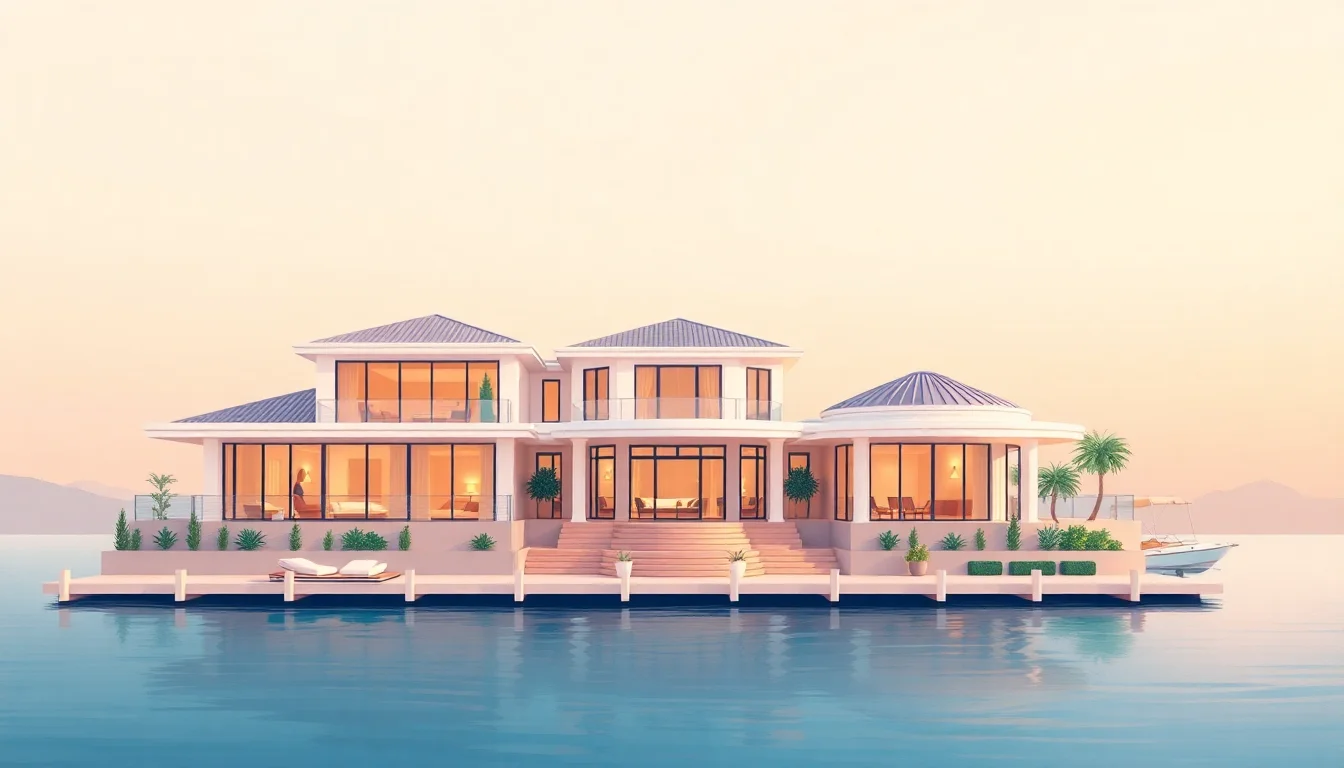
Contents
- 🏠 Introduction to Luxury Homes
- 💎 Defining Luxury in Real Estate
- 🏡 History of Luxury Homes
- 📈 Market Trends in Luxury Real Estate
- 🏞️ Amenities and Features of Luxury Homes
- 👥 Target Audience for Luxury Homes
- 🔍 Luxury Home Design and Architecture
- 📊 Financing and Investing in Luxury Homes
- 🌐 Global Luxury Real Estate Markets
- 🚨 Challenges and Controversies in Luxury Real Estate
- 🔮 Future of Luxury Homes and Sustainability
- 📊 Conclusion and Outlook on Luxury Homes
- Frequently Asked Questions
- Related Topics
Overview
Luxury homes represent the epitome of residential living, offering a unique blend of opulence, cutting-edge technology, and bespoke design. With a history dating back to ancient civilizations, luxury homes have evolved to incorporate the latest innovations in architecture, interior design, and smart home technology. From lavish mansions to sleek, modern penthouses, luxury homes cater to the most discerning individuals, providing a level of comfort and sophistication that is unmatched. According to a report by Luxury Real Estate, the global luxury residential market was valued at $12.6 billion in 2020, with the US, UK, and UAE being the top three countries for luxury home sales. The luxury home market is expected to continue growing, driven by increasing demand from high-net-worth individuals and the rise of luxury lifestyle communities. With the integration of sustainable design, energy-efficient systems, and advanced security features, luxury homes are not only a status symbol but also a reflection of the owner's values and priorities.
🏠 Introduction to Luxury Homes
Luxury homes are the epitome of residential opulence, offering unparalleled comfort, style, and sophistication. The concept of luxury in real estate is often associated with high-end properties that boast exquisite designs, premium materials, and cutting-edge technology. As noted by industry experts, the luxury real estate market is driven by a combination of factors, including economic growth, demographic shifts, and changing lifestyle preferences. For instance, the rise of sustainable living has led to an increased demand for eco-friendly homes that incorporate green technologies and energy-efficient systems. Furthermore, the growing trend of smart homes has also influenced the design and functionality of luxury homes, with many home automation systems being integrated into these properties.
💎 Defining Luxury in Real Estate
The definition of luxury in real estate is multifaceted and can vary depending on factors such as location, culture, and personal taste. However, some common characteristics of luxury homes include high-end finishes, smart home technology, and exclusive amenities such as private pools, gyms, and spas. As discussed in luxury lifestyle publications, the concept of luxury is not just about material possessions, but also about experiences and services that enhance one's quality of life. For example, many luxury homeowners are seeking personalized services such as concierge services and private chefs to cater to their unique needs and preferences. Additionally, the rise of luxury rentals has also changed the way people experience luxury, with many opting for short-term rentals over traditional ownership.
🏡 History of Luxury Homes
The history of luxury homes dates back to ancient civilizations, where wealthy elites built grand estates and palaces that showcased their power and status. In modern times, the concept of luxury homes has evolved to incorporate new technologies, materials, and design principles. As noted by historical preservation experts, many historic luxury homes have been restored and renovated to maintain their original charm and character, while also incorporating modern amenities and features. For instance, the restoration of historic homes requires a deep understanding of historic preservation techniques and traditional building methods. Moreover, the rise of modern architecture has also influenced the design of luxury homes, with many modern luxury homes featuring sleek lines, minimalistic designs, and sustainable building materials.
📈 Market Trends in Luxury Real Estate
The luxury real estate market is subject to various trends and fluctuations, driven by factors such as economic indicators, demographic changes, and global events. As analyzed by real estate analysts, the current market trends indicate a shift towards sustainable luxury and wellness-focused properties that prioritize health, wellness, and environmental sustainability. For example, the growing demand for eco-friendly homes has led to an increase in green building certifications and energy-efficient systems. Additionally, the rise of luxury wellness has also influenced the design of luxury homes, with many incorporating wellness features such as private yoga studios and outdoor spas.
🏞️ Amenities and Features of Luxury Homes
Luxury homes often feature an array of amenities and features that cater to the needs and desires of their occupants. These may include private cinemas, game rooms, wine cellars, and private gyms. As highlighted by luxury lifestyle publications, the amenities and features of luxury homes are designed to provide a unique and exclusive experience that enhances one's quality of life. For instance, many luxury homeowners are seeking private amenities such as private pools and private beaches to enjoy their leisure time. Furthermore, the rise of smart home technology has also enabled luxury homeowners to control and monitor their homes remotely, using home automation systems to adjust lighting, temperature, and security settings.
👥 Target Audience for Luxury Homes
The target audience for luxury homes is typically high-net-worth individuals who value exclusivity, privacy, and premium quality. As noted by luxury marketing experts, the target audience for luxury homes is often characterized by their high income, high education, and sophisticated taste. For example, many luxury homeowners are business executives, entrepreneurs, and celebrities who require private and secure living spaces that cater to their unique needs and preferences. Additionally, the rise of luxury rentals has also expanded the target audience for luxury homes, with many young professionals and families seeking luxury lifestyle experiences without the long-term commitment of ownership.
🔍 Luxury Home Design and Architecture
Luxury home design and architecture is a highly specialized field that requires a deep understanding of design principles, building materials, and construction techniques. As discussed by architects and designers, the design of luxury homes is often driven by factors such as location, climate, and cultural context. For instance, many luxury homes in coastal areas feature ocean-inspired designs and sustainable building materials to minimize their environmental impact. Moreover, the rise of modern architecture has also influenced the design of luxury homes, with many featuring clean lines, minimalistic designs, and large windows to maximize natural light and ventilation.
📊 Financing and Investing in Luxury Homes
Financing and investing in luxury homes can be a complex and challenging process, requiring a deep understanding of real estate finance, investment strategies, and risk management. As analyzed by financial experts, the current market trends indicate a shift towards luxury real estate investing and private equity investments that offer high returns and low risk. For example, many luxury homeowners are seeking luxury real estate funds and private lending options to finance their luxury home purchases. Additionally, the rise of crowdfunding has also enabled luxury homeowners to raise funds for their projects, using real estate crowdfunding platforms to connect with investors and real estate developers.
🌐 Global Luxury Real Estate Markets
The global luxury real estate market is a highly competitive and dynamic industry, with many luxury real estate companies and high-end developers operating in the market. As noted by global real estate experts, the current market trends indicate a shift towards emerging markets and new luxury destinations that offer unique and exclusive experiences. For instance, many luxury homeowners are seeking luxury vacation homes in exotic locations such as Bali and Mauritius. Moreover, the rise of global citizenship has also influenced the luxury real estate market, with many high-net-worth individuals seeking second passports and residency programs to expand their global footprint.
🚨 Challenges and Controversies in Luxury Real Estate
The luxury real estate market is not without its challenges and controversies, with many environmental concerns and social issues surrounding the development and ownership of luxury homes. As discussed by sustainability experts, the luxury real estate market must prioritize sustainable development and environmental stewardship to minimize its impact on the environment. For example, many luxury homeowners are seeking eco-friendly homes and sustainable building materials to reduce their carbon footprint. Additionally, the rise of social responsibility has also influenced the luxury real estate market, with many luxury real estate companies and high-end developers incorporating corporate social responsibility initiatives into their business models.
🔮 Future of Luxury Homes and Sustainability
The future of luxury homes is likely to be shaped by factors such as sustainable living, wellness-focused design, and technological innovation. As predicted by futurists and trend analysts, the luxury real estate market will continue to evolve and adapt to changing consumer preferences and technological advancements. For instance, many luxury homeowners are seeking smart home technology and energy-efficient systems to reduce their energy consumption and carbon footprint. Moreover, the rise of luxury wellness has also influenced the design of luxury homes, with many incorporating wellness features such as private yoga studios and outdoor spas.
📊 Conclusion and Outlook on Luxury Homes
In conclusion, luxury homes represent the pinnacle of residential opulence, offering unparalleled comfort, style, and sophistication. As the luxury real estate market continues to evolve and adapt to changing consumer preferences and technological advancements, it is likely that we will see a shift towards sustainable luxury and wellness-focused properties that prioritize health, wellness, and environmental sustainability. As noted by luxury real estate experts, the future of luxury homes will be shaped by factors such as demographic changes, economic trends, and technological innovation. For example, the growing demand for eco-friendly homes and sustainable building materials will continue to drive the luxury real estate market towards more sustainable and environmentally friendly practices.
Key Facts
- Year
- 2022
- Origin
- Global
- Category
- Real Estate
- Type
- Residential Property
Frequently Asked Questions
What is the definition of luxury in real estate?
The definition of luxury in real estate is multifaceted and can vary depending on factors such as location, culture, and personal taste. However, some common characteristics of luxury homes include high-end finishes, smart home technology, and exclusive amenities such as private pools, gyms, and spas. As discussed in luxury lifestyle publications, the concept of luxury is not just about material possessions, but also about experiences and services that enhance one's quality of life. For example, many luxury homeowners are seeking personalized services such as concierge services and private chefs to cater to their unique needs and preferences.
What are the current market trends in luxury real estate?
The current market trends in luxury real estate indicate a shift towards sustainable luxury and wellness-focused properties that prioritize health, wellness, and environmental sustainability. As analyzed by real estate analysts, the luxury real estate market is driven by factors such as economic growth, demographic changes, and lifestyle preferences. For instance, the growing demand for eco-friendly homes and sustainable building materials has led to an increase in green building certifications and energy-efficient systems. Additionally, the rise of luxury wellness has also influenced the design of luxury homes, with many incorporating wellness features such as private yoga studios and outdoor spas.
What are the challenges and controversies surrounding the luxury real estate market?
The luxury real estate market is not without its challenges and controversies, with many environmental concerns and social issues surrounding the development and ownership of luxury homes. As discussed by sustainability experts, the luxury real estate market must prioritize sustainable development and environmental stewardship to minimize its impact on the environment. For example, many luxury homeowners are seeking eco-friendly homes and sustainable building materials to reduce their carbon footprint. Additionally, the rise of social responsibility has also influenced the luxury real estate market, with many luxury real estate companies and high-end developers incorporating corporate social responsibility initiatives into their business models.
What is the future of luxury homes?
The future of luxury homes is likely to be shaped by factors such as sustainable living, wellness-focused design, and technological innovation. As predicted by futurists and trend analysts, the luxury real estate market will continue to evolve and adapt to changing consumer preferences and technological advancements. For instance, many luxury homeowners are seeking smart home technology and energy-efficient systems to reduce their energy consumption and carbon footprint. Moreover, the rise of luxury wellness has also influenced the design of luxury homes, with many incorporating wellness features such as private yoga studios and outdoor spas.
What are the key features of luxury homes?
Luxury homes often feature an array of amenities and features that cater to the needs and desires of their occupants. These may include private cinemas, game rooms, wine cellars, and private gyms. As highlighted by luxury lifestyle publications, the amenities and features of luxury homes are designed to provide a unique and exclusive experience that enhances one's quality of life. For example, many luxury homeowners are seeking private amenities such as private pools and private beaches to enjoy their leisure time. Furthermore, the rise of smart home technology has also enabled luxury homeowners to control and monitor their homes remotely, using home automation systems to adjust lighting, temperature, and security settings.
What is the target audience for luxury homes?
The target audience for luxury homes is typically high-net-worth individuals who value exclusivity, privacy, and premium quality. As noted by luxury marketing experts, the target audience for luxury homes is often characterized by their high income, high education, and sophisticated taste. For example, many luxury homeowners are business executives, entrepreneurs, and celebrities who require private and secure living spaces that cater to their unique needs and preferences. Additionally, the rise of luxury rentals has also expanded the target audience for luxury homes, with many young professionals and families seeking luxury lifestyle experiences without the long-term commitment of ownership.
What is the role of technology in luxury homes?
Technology plays a significant role in luxury homes, with many homeowners seeking smart home technology and energy-efficient systems to reduce their energy consumption and carbon footprint. As discussed by technology experts, the integration of technology in luxury homes can enhance the overall living experience, providing convenience, comfort, and security. For instance, many luxury homeowners are using home automation systems to control and monitor their homes remotely, adjusting lighting, temperature, and security settings to suit their needs. Moreover, the rise of artificial intelligence and machine learning has also influenced the design of luxury homes, with many incorporating AI-powered systems to optimize energy efficiency and reduce waste.