
Contents
- 🏗️ Introduction to Building Materials
- 🌿 Natural Building Materials: A Historical Perspective
- 🏭 The Rise of Man-Made Building Materials
- 🔨 Specialty Trades: The Backbone of Construction
- 🏠 The Role of Building Materials in Habitat Construction
- 🌐 Global Industry: Manufacturing and Trade
- 🚧 Sustainability and Environmental Impact
- 🔍 Innovations in Building Materials: A Look to the Future
- 📊 Economic Impact: The Building Materials Industry
- 👥 Labor and Skills: The Human Element
- 🚨 Challenges and Controversies: The Dark Side of Building Materials
- Frequently Asked Questions
- Related Topics
Overview
The use of building materials dates back to ancient times, with early civilizations utilizing naturally occurring materials such as clay, rocks, and wood to construct shelters and other structures. As human innovation evolved, so did the development of man-made products, including metals, plastics, and concrete. Today, the manufacturing of building materials is a multi-billion dollar industry, with a wide range of materials available for various applications, from residential construction to commercial development. The industry is segmented into specific specialty trades, such as carpentry, insulation, plumbing, and roofing work. These trades require skilled labor and specialized knowledge, making them a crucial part of the construction process. For example, carpentry involves the use of wood and other materials to create structures, while insulation is critical for energy efficiency and climate control.
🌿 Natural Building Materials: A Historical Perspective
Natural building materials have been used for centuries, with many ancient structures still standing today. Stone Age civilizations used rocks and clay to build shelters, while Ancient Egypt utilized papyrus and wood to construct homes and temples. In many parts of the world, natural materials are still preferred for their aesthetic and environmental benefits. For instance, bamboo is a highly renewable resource used in sustainable construction projects, while straw bale construction offers excellent insulation and thermal mass. However, the use of natural materials also has its drawbacks, such as limited availability and higher costs. As the demand for sustainable and eco-friendly materials grows, the use of natural building materials is likely to increase, with green building practices becoming more prevalent.
🏭 The Rise of Man-Made Building Materials
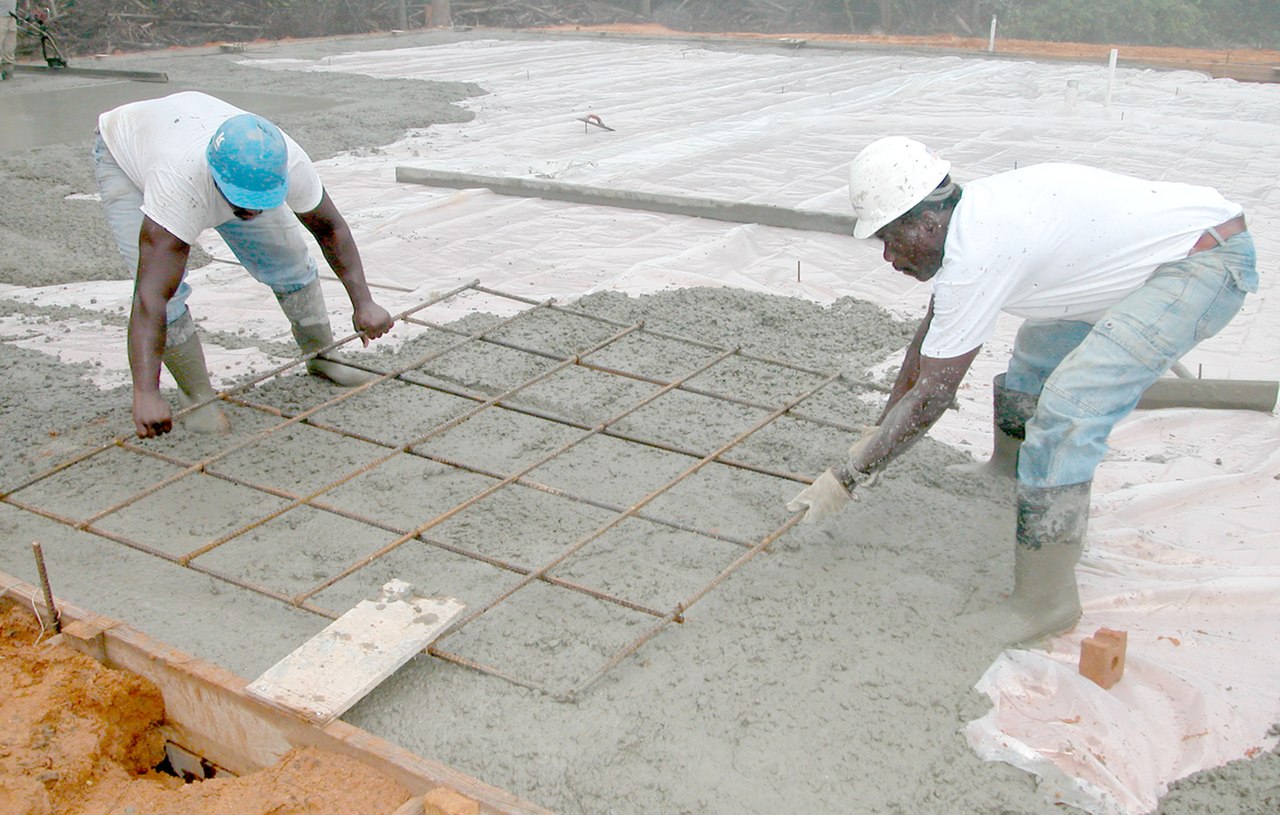
The development of man-made building materials has revolutionized the construction industry, offering a wide range of benefits, including increased durability, fire resistance, and energy efficiency. Concrete, for example, is a versatile material used in foundation work, wall construction, and road building. Steel is another widely used material, prized for its strength and versatility in structural frame construction. However, the production of man-made materials also has significant environmental impacts, including energy consumption, water pollution, and waste generation. As concerns about climate change and sustainability grow, the industry is shifting towards more eco-friendly materials and practices, such as recycled materials and low-carbon construction. For instance, recycled plastics can be used to create durable and sustainable building materials, while low-carbon cement reduces greenhouse gas emissions.
🔨 Specialty Trades: The Backbone of Construction
Specialty trades are the backbone of the construction industry, requiring skilled labor and specialized knowledge. Carpentry, for example, involves the use of wood and other materials to create structures, while insulation is critical for energy efficiency and climate control. Plumbing and electrical work are also essential trades, ensuring that buildings have access to clean water and electricity. The use of building information modeling (BIM) and other digital tools is also becoming more prevalent, allowing for greater precision and collaboration among trades. As the industry continues to evolve, the demand for skilled labor and specialized knowledge is likely to increase, with construction management and project management playing critical roles in ensuring successful project outcomes.
🏠 The Role of Building Materials in Habitat Construction
Building materials play a critical role in habitat construction, providing the make-up of homes and other structures. Residential construction requires a wide range of materials, from framing lumber to drywall and roofing materials. Commercial development also relies on a variety of materials, including steel, concrete, and glass. The choice of building materials can have significant impacts on energy efficiency, durability, and occupant health, making it essential to select materials that meet the needs of the building and its occupants. For example, green roofs can provide insulation and reduce stormwater runoff, while low-VOC paints improve indoor air quality.
🌐 Global Industry: Manufacturing and Trade
The global building materials industry is a significant sector, with a wide range of companies and products available. Cement, for example, is a critical component of concrete, with major producers like lafargeholcim and cnbm. Steel is another widely used material, with companies like arcelor mittal and nippon steel dominating the market. The industry is also subject to various trends and challenges, including sustainability, digitalization, and globalization. As the demand for building materials continues to grow, the industry is likely to shift towards more eco-friendly and sustainable practices, with recycled materials and low-carbon construction becoming more prevalent.
🚧 Sustainability and Environmental Impact
The use of building materials has significant environmental impacts, including energy consumption, water pollution, and waste generation. Sustainable construction practices, such as green building and energy-efficient design, can help reduce these impacts, while recycled materials and low-carbon construction offer alternative solutions. However, the industry also faces challenges, such as climate change and resource depletion, which require innovative solutions and new technologies. For example, building-integrated photovoltaics can generate electricity and reduce energy consumption, while green roofs provide insulation and reduce stormwater runoff.
🔍 Innovations in Building Materials: A Look to the Future
The future of building materials is likely to be shaped by innovations in technology and sustainability. Advanced materials, such as nanomaterials and smart materials, offer improved performance and functionality, while digitalization and industry 4.0 enable greater precision and collaboration. The use of artificial intelligence and machine learning can also optimize building design and construction, reducing waste and improving efficiency. As the industry continues to evolve, the demand for sustainable and eco-friendly materials is likely to increase, with green building practices becoming more prevalent.
📊 Economic Impact: The Building Materials Industry
The building materials industry has significant economic impacts, with the global market valued at over $1 trillion. Construction industry growth is driven by factors such as urbanization, population growth, and infrastructure development. The industry also supports millions of jobs worldwide, from skilled trades to construction management. However, the industry also faces challenges, such as fluctuating material prices and labor shortages, which require innovative solutions and new technologies. For example, modular construction can reduce labor costs and improve efficiency, while building information modeling (BIM) enables greater precision and collaboration.
👥 Labor and Skills: The Human Element
The human element is critical in the building materials industry, with skilled labor and specialized knowledge essential for successful project outcomes. Construction management and project management play critical roles in ensuring that projects are completed on time and within budget. The industry also requires a wide range of skills, from carpentry and masonry to electrical work and plumbing. As the industry continues to evolve, the demand for skilled labor and specialized knowledge is likely to increase, with training and development programs becoming more important. For instance, apprenticeships can provide hands-on experience and skills training, while continuing education programs can help professionals stay up-to-date with the latest technologies and trends.
🚨 Challenges and Controversies: The Dark Side of Building Materials
The building materials industry is not without its challenges and controversies, with issues such as sustainability, environmental impact, and social responsibility requiring attention. The use of conflict minerals and child labor in some supply chains is a concern, while the industry's carbon footprint and waste generation are significant environmental impacts. However, the industry is also driving innovation and sustainability, with companies like interface and dupont developing eco-friendly materials and practices. As the industry continues to evolve, it is essential to address these challenges and controversies, with stakeholder engagement and transparency becoming more important.
Key Facts
- Year
- 2022
- Origin
- Vibepedia.wiki
- Category
- Construction and Architecture
- Type
- Topic
Frequently Asked Questions
What are the most common building materials used in construction?
The most common building materials used in construction include concrete, steel, wood, and glass. These materials are widely used due to their durability, strength, and versatility. However, the choice of building materials can have significant impacts on energy efficiency, durability, and occupant health, making it essential to select materials that meet the needs of the building and its occupants.
What is the environmental impact of the building materials industry?
The building materials industry has significant environmental impacts, including energy consumption, water pollution, and waste generation. The production of building materials requires large amounts of energy and resources, resulting in greenhouse gas emissions and other environmental impacts. However, the industry is also driving innovation and sustainability, with companies developing eco-friendly materials and practices.
What is the role of digitalization in the building materials industry?
Digitalization is playing an increasingly important role in the building materials industry, enabling greater precision and collaboration among trades. The use of building information modeling (BIM) and other digital tools can help reduce waste and improve efficiency, while artificial intelligence and machine learning can optimize building design and construction.
What are the benefits of using sustainable building materials?
The benefits of using sustainable building materials include reduced environmental impacts, improved energy efficiency, and enhanced occupant health. Sustainable building materials can also provide cost savings and improved durability, making them a desirable choice for building owners and occupants. Examples of sustainable building materials include recycled materials, low-carbon construction, and green roofs.
What is the future of the building materials industry?
The future of the building materials industry is likely to be shaped by innovations in technology and sustainability. The use of advanced materials, such as nanomaterials and smart materials, will offer improved performance and functionality, while digitalization and industry 4.0 will enable greater precision and collaboration. The industry is also likely to shift towards more eco-friendly and sustainable practices, with recycled materials and low-carbon construction becoming more prevalent.