
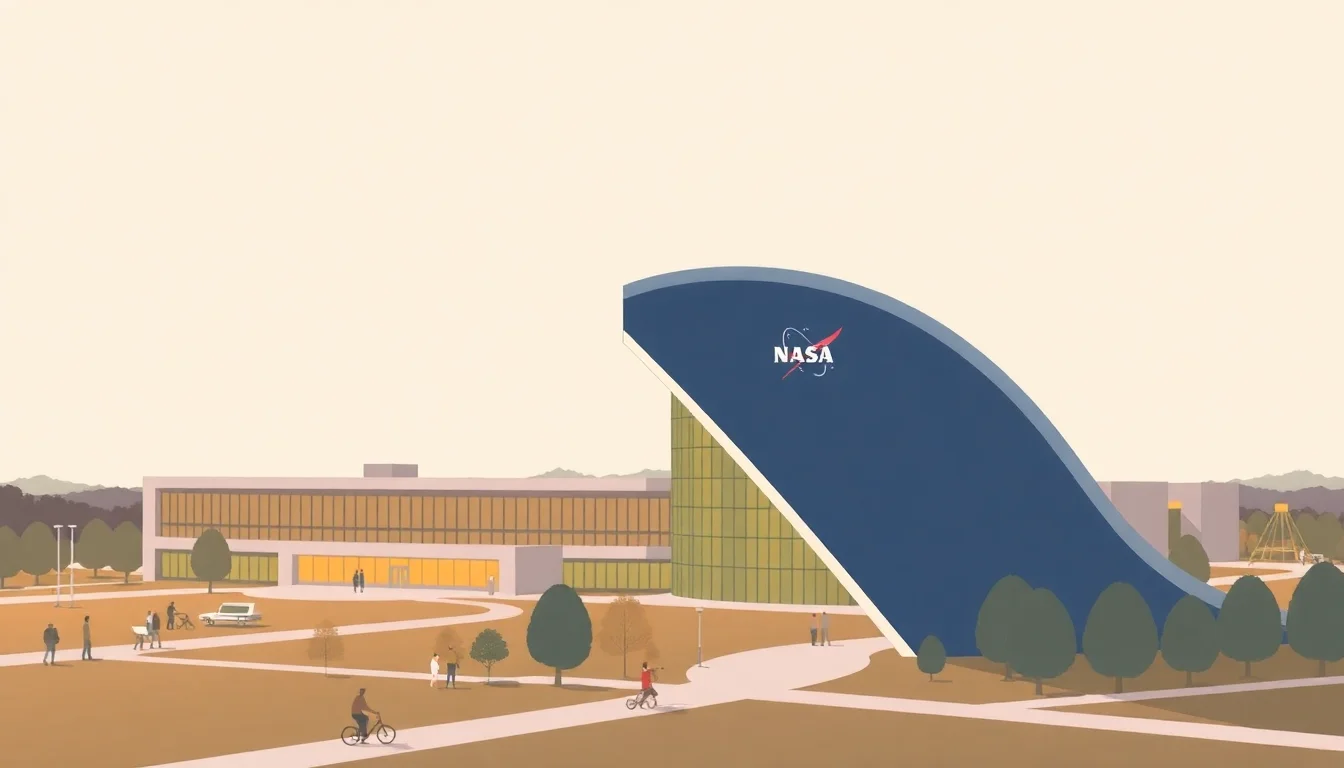
Contents
- 🚀 Introduction to NASA Langley Research Center
- 🔬 History of Innovation: From Humble Beginnings to Space Exploration
- 🛰️ Aeronautics and Astronautics Research: Pushing the Boundaries
- 🤖 Robotics and Autonomous Systems: The Future of Space Exploration
- 📊 Computational Modeling and Simulation: The Key to Success
- 🌐 International Collaboration: Working Together for a Common Goal
- 🚁 Facilities and Equipment: State-of-the-Art Infrastructure
- 👥 Workforce and Education: Developing the Next Generation of Innovators
- 📈 Economic Impact: Contributing to the Local and National Economy
- 🚀 Future Directions: Emerging Trends and Opportunities
- 📊 Challenges and Controversies: Overcoming Obstacles and Criticisms
- 👏 Conclusion: NASA Langley Research Center's Enduring Legacy
- Frequently Asked Questions
- Related Topics
Overview
The NASA Langley Research Center, established in 1917 as the Langley Memorial Aeronautical Laboratory, has been a pivotal institution in the history of aerospace research and development. With a vibe score of 8, reflecting its significant cultural energy and historical impact, the center has played a crucial role in numerous groundbreaking projects, including the Apollo missions. The research center's contributions to the field of aerospace engineering are undeniable, with notable figures such as Christopher C. Kraft Jr., who served as the director of flight operations, leaving an indelible mark. However, the center has also faced controversy, particularly in the 1990s, when it was threatened with closure due to budget cuts. Today, the NASA Langley Research Center continues to push the boundaries of innovation, with a focus on modern-day advancements such as unmanned aerial vehicles and hypersonic flight. As the center looks to the future, it is likely to remain a key player in the development of new technologies, with potential applications in both the public and private sectors, and a controversy spectrum of 6, reflecting the ongoing debates surrounding the allocation of resources and the role of government in scientific research.
🚀 Introduction to NASA Langley Research Center
The NASA Langley Research Center, located in Hampton, Virginia, is a premier Aerospace Engineering and research facility that has been at the forefront of innovation for over a century. Established in 1917 as the National Advisory Committee for Aeronautics (NACA), the center has played a crucial role in the development of Aircraft Design and Space Exploration. With a rich history of achievements, including the Apollo 11 Mission, the center continues to push the boundaries of what is possible. Today, the NASA Langley Research Center is a hub of activity, with a diverse range of research areas, including Aeronautics, Astronautics, and Robotics.
🔬 History of Innovation: From Humble Beginnings to Space Exploration
The history of the NASA Langley Research Center is a long and storied one, with roots dating back to the early 20th century. The center was established in 1917, with the goal of advancing Aeronautical Research and development. Over the years, the center has undergone significant transformations, including its transition from NACA to NASA in 1958. This change marked a significant shift in the center's focus, from purely aeronautical research to a broader range of activities, including Space Research. The center's contributions to the Apollo Program are a testament to its enduring legacy, with many of the program's key technologies, including the Lunar Module, being developed at the center. The center's work on Space Shuttle Program also highlights its commitment to advancing Space Technology.
🛰️ Aeronautics and Astronautics Research: Pushing the Boundaries
The NASA Langley Research Center is home to a wide range of research areas, including Aeronautics Research and Astronautics Research. The center's aeronautics research focuses on advancing Aircraft Performance, with a particular emphasis on Sustainability and Efficiency. The center's astronautics research, on the other hand, is focused on developing new technologies for Space Exploration, including Propulsion Systems and Life Support Systems. The center's work on Mars Exploration is a prime example of its commitment to advancing our understanding of the universe. The center's research on Asteroid Deflection also highlights its focus on protecting our planet from potential threats. The center's collaboration with Private Space Companies, such as SpaceX and Blue Origin, is also driving innovation in the field.
🤖 Robotics and Autonomous Systems: The Future of Space Exploration
The NASA Langley Research Center is also at the forefront of Robotics Research and Autonomous Systems. The center's robotics research focuses on developing new technologies for Space Robotics, including Robotic Arm systems and Autonomous Vehicles. The center's work on Artificial Intelligence is also driving innovation in the field, with a particular emphasis on developing AI Systems that can operate in Space Environment. The center's collaboration with MIT and Stanford University is also advancing our understanding of Machine Learning and its applications in Space Exploration. The center's research on Human-Robot Interaction is also focused on developing systems that can work seamlessly with humans in space.
📊 Computational Modeling and Simulation: The Key to Success
The NASA Langley Research Center is also home to a wide range of computational modeling and simulation capabilities, including High-Performance Computing and Data Analytics. The center's computational modeling and simulation capabilities are used to support a wide range of research areas, including Aeronautics and Astronautics. The center's work on Climate Modeling is a prime example of its commitment to advancing our understanding of the Earth's climate. The center's research on Weather Forecasting is also driving innovation in the field, with a particular emphasis on developing Predictive Models that can accurately forecast weather patterns. The center's collaboration with NOAA and NSF is also advancing our understanding of the Earth's climate and weather patterns.
🌐 International Collaboration: Working Together for a Common Goal
The NASA Langley Research Center is committed to international collaboration, with partnerships with a wide range of organizations, including ESA and CNRS. The center's international collaboration is focused on advancing our understanding of the universe, with a particular emphasis on Space Exploration. The center's work on the International Space Station is a prime example of its commitment to international collaboration. The center's research on Global Climate Change is also driving innovation in the field, with a particular emphasis on developing Sustainable Solutions that can mitigate the effects of climate change. The center's collaboration with UN and WHO is also advancing our understanding of the impacts of climate change on human health.
🚁 Facilities and Equipment: State-of-the-Art Infrastructure
The NASA Langley Research Center is home to a wide range of state-of-the-art facilities and equipment, including Wind Tunnels and Vacuum Chambers. The center's facilities and equipment are used to support a wide range of research areas, including Aeronautics and Astronautics. The center's work on Materials Science is a prime example of its commitment to advancing our understanding of the properties of materials. The center's research on Nanotechnology is also driving innovation in the field, with a particular emphasis on developing Nano-Materials that can be used in a wide range of applications. The center's collaboration with Private Industry is also advancing our understanding of the properties of materials and their applications in Space Exploration.
👥 Workforce and Education: Developing the Next Generation of Innovators
The NASA Langley Research Center is committed to developing the next generation of innovators, with a wide range of educational programs and opportunities. The center's educational programs are focused on advancing our understanding of STEM Education, with a particular emphasis on developing STEM Skills in students. The center's work on Diversity and Inclusion is also driving innovation in the field, with a particular emphasis on developing Inclusive Environments that can support a wide range of students. The center's collaboration with Local Universities and Community Colleges is also advancing our understanding of the importance of STEM Education in developing the next generation of innovators. The center's research on Education Policy is also focused on developing Effective Policies that can support the development of STEM Education.
📈 Economic Impact: Contributing to the Local and National Economy
The NASA Langley Research Center has a significant economic impact on the local and national economy, with a wide range of partnerships with Private Industry and Government Agencies. The center's economic impact is focused on advancing our understanding of the importance of Space Exploration in driving innovation and economic growth. The center's work on Small Business Development is a prime example of its commitment to supporting the development of Small Businesses in the region. The center's research on Regional Economic Development is also driving innovation in the field, with a particular emphasis on developing Effective Strategies that can support the development of Regional Economies. The center's collaboration with Local Government and Regional Agencies is also advancing our understanding of the importance of Space Exploration in driving economic growth and development.
🚀 Future Directions: Emerging Trends and Opportunities
The NASA Langley Research Center is at the forefront of emerging trends and opportunities in Space Exploration, with a wide range of research areas, including Asteroid Mining and Space Tourism. The center's work on In-Orbit Servicing is a prime example of its commitment to advancing our understanding of the importance of Space Sustainability. The center's research on Space Debris Removal is also driving innovation in the field, with a particular emphasis on developing Effective Solutions that can mitigate the effects of space debris. The center's collaboration with Private Space Companies is also advancing our understanding of the importance of Space Exploration in driving innovation and economic growth.
📊 Challenges and Controversies: Overcoming Obstacles and Criticisms
The NASA Langley Research Center is not without its challenges and controversies, with a wide range of criticisms and concerns, including Budget Constraints and Workforce Diversity. The center's response to these challenges is focused on advancing our understanding of the importance of Space Exploration in driving innovation and economic growth. The center's work on Diversity and Inclusion is a prime example of its commitment to developing Inclusive Environments that can support a wide range of students and employees. The center's research on Education Policy is also driving innovation in the field, with a particular emphasis on developing Effective Policies that can support the development of STEM Education.
👏 Conclusion: NASA Langley Research Center's Enduring Legacy
In conclusion, the NASA Langley Research Center is a hub of innovation, with a wide range of research areas, including Aeronautics, Astronautics, and Robotics. The center's commitment to advancing our understanding of the universe, with a particular emphasis on Space Exploration, is driving innovation and economic growth. The center's collaboration with Private Industry and Government Agencies is also advancing our understanding of the importance of Space Exploration in driving innovation and economic growth. As the center looks to the future, it is clear that it will continue to play a critical role in advancing our understanding of the universe and driving innovation and economic growth.
Key Facts
- Year
- 1917
- Origin
- Hampton, Virginia, USA
- Category
- Aerospace and Defense
- Type
- Research Institution
Frequently Asked Questions
What is the NASA Langley Research Center?
The NASA Langley Research Center is a premier aerospace engineering and research facility that has been at the forefront of innovation for over a century. The center is home to a wide range of research areas, including aeronautics, astronautics, and robotics. The center's commitment to advancing our understanding of the universe, with a particular emphasis on space exploration, is driving innovation and economic growth. The center's collaboration with private industry and government agencies is also advancing our understanding of the importance of space exploration in driving innovation and economic growth. For more information, visit the NASA Langley Research Center website.
What are the main research areas at the NASA Langley Research Center?
The NASA Langley Research Center is home to a wide range of research areas, including aeronautics, astronautics, and robotics. The center's aeronautics research focuses on advancing aircraft performance, with a particular emphasis on sustainability and efficiency. The center's astronautics research, on the other hand, is focused on developing new technologies for space exploration, including propulsion systems and life support systems. The center's robotics research is focused on developing new technologies for space robotics, including robotic arm systems and autonomous vehicles. For more information, visit the NASA Langley Research Center website and explore the Aeronautics, Astronautics, and Robotics research areas.
What is the economic impact of the NASA Langley Research Center?
The NASA Langley Research Center has a significant economic impact on the local and national economy, with a wide range of partnerships with private industry and government agencies. The center's economic impact is focused on advancing our understanding of the importance of space exploration in driving innovation and economic growth. The center's work on small business development is a prime example of its commitment to supporting the development of small businesses in the region. The center's research on regional economic development is also driving innovation in the field, with a particular emphasis on developing effective strategies that can support the development of regional economies. For more information, visit the NASA Langley Research Center website and explore the Economic Impact section.
How does the NASA Langley Research Center support education and workforce development?
The NASA Langley Research Center is committed to developing the next generation of innovators, with a wide range of educational programs and opportunities. The center's educational programs are focused on advancing our understanding of STEM education, with a particular emphasis on developing STEM skills in students. The center's work on diversity and inclusion is also driving innovation in the field, with a particular emphasis on developing inclusive environments that can support a wide range of students and employees. The center's research on education policy is also driving innovation in the field, with a particular emphasis on developing effective policies that can support the development of STEM education. For more information, visit the NASA Langley Research Center website and explore the Education and Workforce Development section.
What are the future directions for the NASA Langley Research Center?
The NASA Langley Research Center is at the forefront of emerging trends and opportunities in space exploration, with a wide range of research areas, including asteroid mining and space tourism. The center's work on in-orbit servicing is a prime example of its commitment to advancing our understanding of the importance of space sustainability. The center's research on space debris removal is also driving innovation in the field, with a particular emphasis on developing effective solutions that can mitigate the effects of space debris. The center's collaboration with private space companies is also advancing our understanding of the importance of space exploration in driving innovation and economic growth. For more information, visit the NASA Langley Research Center website and explore the Future Directions section.
How does the NASA Langley Research Center address challenges and controversies?
The NASA Langley Research Center is not without its challenges and controversies, with a wide range of criticisms and concerns, including budget constraints and workforce diversity. The center's response to these challenges is focused on advancing our understanding of the importance of space exploration in driving innovation and economic growth. The center's work on diversity and inclusion is a prime example of its commitment to developing inclusive environments that can support a wide range of students and employees. The center's research on education policy is also driving innovation in the field, with a particular emphasis on developing effective policies that can support the development of STEM education. For more information, visit the NASA Langley Research Center website and explore the Challenges and Controversies section.
What is the NASA Langley Research Center's role in international collaboration?
The NASA Langley Research Center is committed to international collaboration, with partnerships with a wide range of organizations, including ESA and CNRS. The center's international collaboration is focused on advancing our understanding of the universe, with a particular emphasis on space exploration. The center's work on the International Space Station is a prime example of its commitment to international collaboration. The center's research on global climate change is also driving innovation in the field, with a particular emphasis on developing sustainable solutions that can mitigate the effects of climate change. For more information, visit the NASA Langley Research Center website and explore the International Collaboration section.