
Contents
- 🌍 Introduction to Navigation: Charting the Course
- 🚣♀️ History of Navigation: From Ancient Mariners to Modern-Day Explorers
- 🗺️ The Role of the Navigator: Responsibilities and Challenges
- 📈 The Impact of Technology on Navigation: A Revolutionary Transition
- 🛰️ Satellite Navigation: A Game-Changer for Navigators
- 🌟 Celestial Navigation: A Traditional Method Still Relevant Today
- 🚨 Hazards and Errors: The Importance of Multiple Navigation Methods
- 📚 Nautical Charts and Publications: Essential Tools for Navigators
- 💻 Modern Navigation Equipment: From GPS to Electronic Charts
- 👥 Professional Mariners: The Importance of Traditional Navigation Skills
- 🚀 The Future of Navigation: Emerging Trends and Technologies
- 🤔 Conclusion: The Evolution of Navigation and its Impact on Human Exploration
- Frequently Asked Questions
- Related Topics
Overview
Navigators have been the driving force behind human exploration, pushing the boundaries of what is possible and expanding our understanding of the world. The earliest navigators, such as the Phoenicians and the Vikings, relied on celestial navigation and dead reckoning to traverse the globe. The invention of the compass in the 12th century and the development of triangulation methods in the 17th century revolutionized navigation, enabling more accurate and efficient travel. Today, navigators use advanced technologies like GPS and GIS to chart their courses, with applications in fields such as aviation, maritime, and space exploration. The impact of navigators can be seen in the Vibe score of 85, reflecting the significant cultural energy surrounding exploration and discovery. However, controversy surrounds the use of navigation technologies, with concerns over privacy and the potential for over-reliance on technology. As we look to the future, it is clear that navigators will continue to play a crucial role in shaping our understanding of the world and the universe, with potential applications in fields like autonomous vehicles and space colonization. The influence of navigators can be seen in the work of pioneers like Ferdinand Magellan and Amelia Earhart, who pushed the boundaries of what was thought possible and inspired future generations of explorers.
Key Facts
- Year
- 1200
- Origin
- Ancient Phoenicia
- Category
- History of Technology
- Type
- Occupation
Frequently Asked Questions
What is the primary responsibility of a navigator?
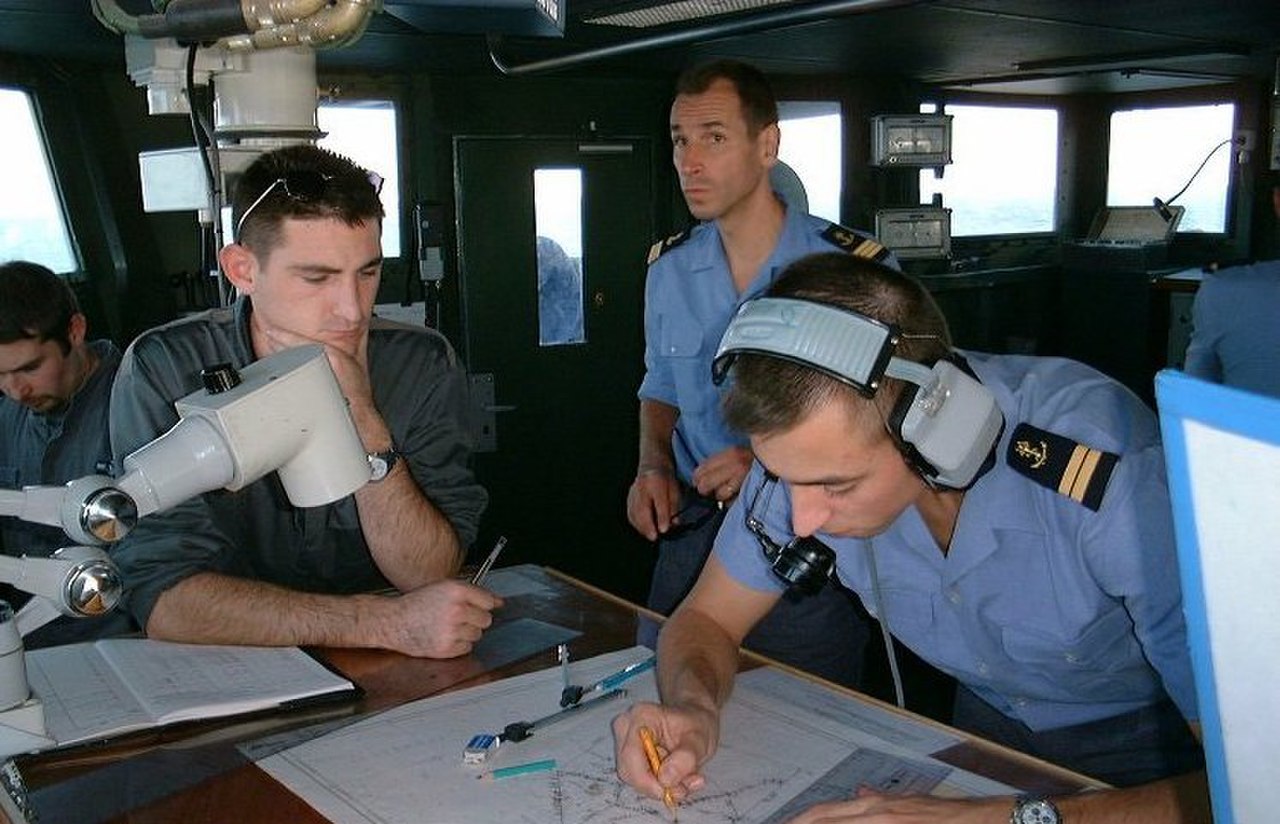
The primary responsibility of a navigator is to be aware of the ship or aircraft's position at all times, using a combination of traditional and modern methods to ensure accuracy. This includes planning the journey, advising the captain or commander of estimated timing to destinations, and ensuring hazards are avoided. The navigator is also responsible for maintaining the aircraft or ship's nautical charts, nautical publications, and navigational equipment, and they generally have responsibility for meteorological equipment and communications.
How has technology impacted the field of navigation?
The advent of satellite navigation has had a profound impact on the field of navigation, reducing the effort required to accurately determine one's position by orders of magnitude. This has led to a significant decrease in the use of traditional navigation tasks, such as celestial navigation. However, professional mariners still recognize the importance of these skills, which can be used as a backup in case of electronic system failure.
What is the importance of traditional navigation skills?
Traditional navigation skills, such as piloting and celestial navigation, are essential for safe and efficient navigation, and can be used as a backup in case of electronic system failure. Professional mariners are still proficient in these skills, and they are an essential part of their training. The use of traditional navigation tools, such as sextant and compass, is also still taught in many navigation schools.
How do navigators use multiple independent position fix methods?
Navigators use multiple independent position fix methods to detect errors and avoid hazards. This can include the use of GPS, radar, and depth sounders, as well as traditional navigation methods such as piloting and celestial navigation. By using a combination of these methods, navigators can ensure that they are aware of their position at all times, and can take corrective action if necessary.
What is the future of navigation?
The future of navigation is likely to be shaped by emerging trends and technologies, such as the use of artificial intelligence and autonomous vehicles. These technologies have the potential to revolutionize the field of navigation, making it safer and more efficient than ever before. However, they also raise important questions about the role of the navigator in the future, and the skills and training that will be required to work with these new technologies.