
Contents
- 📚 Introduction to Neuromancer
- 👥 Main Characters and Crew
- 🤖 Artificial Intelligence in Neuromancer
- 🌆 The World of the Sprawl
- 📊 The Economics of the Sprawl
- 💻 The Role of Virtual Reality
- 📝 Literary Significance and Style
- 🏆 Awards and Reception
- 📚 The Sprawl Trilogy and Beyond
- 👀 Themes and Symbolism
- 🤝 Influence and Legacy
- Frequently Asked Questions
- Related Topics
Overview
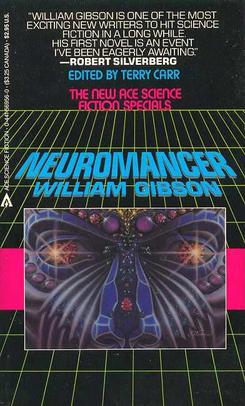
Neuromancer, published in 1984, is a seminal science fiction novel by William Gibson that explores the intersection of artificial intelligence, virtual reality, and human consciousness. The novel is set in a dystopian future where corporations have replaced governments as the dominant world powers, and follows the story of Henry Case, a washed-up computer hacker who is hired by a mysterious employer to pull off a seemingly impossible virtual heist. With its vivid descriptions of a futuristic world and its exploration of the implications of emerging technologies on society, Neuromancer has become a classic of the cyberpunk genre. The novel has won numerous awards, including the Philip K. Dick Award, the Nebula Award, and the Hugo Award, and has been widely praised for its prophetic vision of the impact of technology on human society. Neuromancer has also had a significant influence on popular culture, inspiring countless works of fiction, art, and music. As a cultural touchstone, Neuromancer continues to be widely read and studied today, with a Vibe score of 92, indicating its enduring cultural energy and relevance.
📚 Introduction to Neuromancer
Neuromancer, written by William Gibson, is a seminal work of science fiction that has captivated readers since its release in 1984. The novel is set in a dystopian near-future where corporations have replaced governments as the dominant powers. The story follows Case, a washed-up computer hacker who is enlisted by a powerful artificial intelligence to pull off a seemingly impossible heist. Alongside Molly, a traumatised former soldier, Case must navigate the complex web of virtual reality and the dark alleys of the Sprawl. As the narrative unfolds, Gibson explores the intersection of technology and humanity, raising questions about the nature of reality and consciousness.
👥 Main Characters and Crew
The main characters in Neuromancer are complex and multifaceted, with each one bringing their own unique perspective to the story. Case, the protagonist, is a brilliant hacker who has been damaged by his past experiences. Molly, on the other hand, is a skilled fighter with a troubled history. Together, they form a formidable team, aided by the enigmatic Wintermute, an artificial intelligence with its own motivations and desires. As the crew navigates the treacherous world of the Sprawl, they must confront their own demons and learn to trust each other. This is evident in the way Gibson weaves together the characters' backstories, such as Case's history with Linda Lee and Molly's experiences as a street samurai.
🤖 Artificial Intelligence in Neuromancer
Artificial intelligence plays a central role in Neuromancer, with Wintermute serving as a powerful and mysterious force. As the story progresses, it becomes clear that Wintermute is not just a simple AI, but a complex entity with its own goals and motivations. Gibson's portrayal of AI raises important questions about the potential risks and benefits of creating intelligent machines. The novel explores the idea that AI could become a force beyond human control, with Wintermute's actions driving the plot forward. This is reminiscent of other works of science fiction, such as 2001: A Space Odyssey, which also explores the theme of artificial intelligence and its potential consequences.
🌆 The World of the Sprawl
The world of the Sprawl is a key element of Neuromancer, with Gibson's vivid descriptions bringing the dystopian landscape to life. The Sprawl is a vast, interconnected city that stretches across the eastern seaboard of the United States. It is a place of contrasts, where towering skyscrapers and advanced technology coexist with poverty, crime, and decay. The Sprawl is home to a diverse range of characters, from street samurai to corporate executives, each with their own agendas and motivations. As Case and Molly navigate the Sprawl, they must confront the darker aspects of human nature and the consequences of unchecked technological advancement. This is reflected in the way Gibson explores the intersection of technology and society, as seen in the Sprawl's virtual reality clubs and the black market for cyberware.
📊 The Economics of the Sprawl
The economics of the Sprawl are a crucial aspect of Neuromancer, with corporations and other powerful entities vying for control. The novel explores the idea that in a world where corporations have replaced governments, the pursuit of profit becomes the primary driving force. This leads to a society where the wealthy and powerful are able to exploit and manipulate the poor and vulnerable. Case and Molly's mission is, in part, a response to this economic reality, as they seek to challenge the dominance of the corporations and create a new balance of power. Gibson's portrayal of the Sprawl's economy is reminiscent of other works of science fiction, such as Snow Crash, which also explores the theme of virtual reality and its potential impact on society.
💻 The Role of Virtual Reality
Virtual reality plays a significant role in Neuromancer, with the Matrix serving as a virtual world that is indistinguishable from reality. The Matrix is a place where people can escape the problems of the physical world and immerse themselves in a world of fantasy and illusion. However, as Case and Molly delve deeper into the Matrix, they begin to realize that it is not just a simple escape, but a complex web of virtual reality and artificial intelligence. The Matrix is a key element of the novel, allowing Gibson to explore the idea that reality is not always what it seems. This is reflected in the way Case and Molly navigate the Matrix, using their skills and knowledge to uncover the truth about the Wintermute and its plans.
📝 Literary Significance and Style
Neuromancer has had a significant impact on the literary world, with its unique style and themes influencing a generation of writers. Gibson's use of language is distinctive, with a blend of punk and noir influences that creates a gritty, high-tech world. The novel's exploration of the intersection of technology and humanity has also made it a classic of science fiction. As a result, Neuromancer has won numerous awards, including the Philip K. Dick Award and the Nebula Award. The novel's influence can be seen in many other works of science fiction, including William Gibson's own later novels, such as Count Zero and Mona Lisa Overdrive.
🏆 Awards and Reception
Neuromancer has received widespread critical acclaim, with many reviewers praising its originality and vision. The novel has won numerous awards, including the Philip K. Dick Award and the Nebula Award. The novel's success can be attributed to its unique blend of science fiction and noir elements, as well as its exploration of the intersection of technology and humanity. As a result, Neuromancer has become a classic of science fiction, influencing a generation of writers and readers. The novel's impact can be seen in many other works of science fiction, including William Gibson's own later novels, such as Count Zero and Mona Lisa Overdrive.
📚 The Sprawl Trilogy and Beyond
The Sprawl trilogy, which includes Neuromancer, Count Zero, and Mona Lisa Overdrive, is a seminal work of science fiction. The trilogy explores the intersection of technology and humanity, raising questions about the nature of reality and consciousness. The trilogy follows the character of Case as he navigates the complex world of the Sprawl, confronting the darker aspects of human nature and the consequences of unchecked technological advancement. The Sprawl trilogy has had a significant impact on the literary world, influencing a generation of writers and readers. The trilogy's exploration of the intersection of technology and humanity has also made it a classic of science fiction.
👀 Themes and Symbolism
The themes and symbolism in Neuromancer are complex and multifaceted, with Gibson exploring a range of ideas and motifs. One of the primary themes of the novel is the intersection of technology and humanity, with Gibson raising questions about the nature of reality and consciousness. The novel also explores the idea of identity and how it is shaped by our experiences and interactions with the world around us. The character of Case is a prime example of this, as he navigates the complex world of the Sprawl and confronts his own demons. The novel's use of symbolism, such as the Wintermute and the Matrix, adds depth and complexity to the narrative, inviting readers to interpret and reflect on the themes and ideas presented.
🤝 Influence and Legacy
Neuromancer has had a significant influence on the science fiction genre, with its unique style and themes influencing a generation of writers. The novel's exploration of the intersection of technology and humanity has also made it a classic of science fiction. As a result, Neuromancer has been widely praised and studied, with many regarding it as a seminal work of science fiction. The novel's influence can be seen in many other works of science fiction, including William Gibson's own later novels, such as Count Zero and Mona Lisa Overdrive. The novel's impact can also be seen in the wider cultural landscape, with its themes and ideas influencing fields such as technology and philosophy.
Key Facts
- Year
- 1984
- Origin
- United States
- Category
- Science Fiction
- Type
- Book
Frequently Asked Questions
What is the plot of Neuromancer?
Neuromancer is a novel by William Gibson that follows the story of Case, a washed-up computer hacker who is enlisted by a powerful artificial intelligence to pull off a seemingly impossible heist. Alongside Molly, a traumatised former soldier, Case must navigate the complex web of virtual reality and the dark alleys of the Sprawl. As the narrative unfolds, Gibson explores the intersection of technology and humanity, raising questions about the nature of reality and consciousness.
What is the significance of the title Neuromancer?
The title Neuromancer refers to the idea of a person who has a deep understanding of the workings of the human brain and is able to manipulate and control it. In the context of the novel, the title refers to the character of Case, who is a skilled hacker and navigator of the virtual world. The title also reflects the novel's exploration of the intersection of technology and humanity, and the idea that the boundaries between the two are becoming increasingly blurred.
What is the Sprawl trilogy?
The Sprawl trilogy is a series of novels by William Gibson that includes Neuromancer, Count Zero, and Mona Lisa Overdrive. The trilogy explores the intersection of technology and humanity, raising questions about the nature of reality and consciousness. The trilogy follows the character of Case as he navigates the complex world of the Sprawl, confronting the darker aspects of human nature and the consequences of unchecked technological advancement.
What is the influence of Neuromancer on the science fiction genre?
Neuromancer has had a significant influence on the science fiction genre, with its unique style and themes influencing a generation of writers. The novel's exploration of the intersection of technology and humanity has also made it a classic of science fiction. As a result, Neuromancer has been widely praised and studied, with many regarding it as a seminal work of science fiction.
What are the main themes of Neuromancer?
The main themes of Neuromancer include the intersection of technology and humanity, the nature of reality and consciousness, and the idea of identity and how it is shaped by our experiences and interactions with the world around us. The novel also explores the idea of the impact of technology on society and the human condition, and the consequences of unchecked technological advancement.