
Contents
- 🌐 Introduction to Online Content
- 📊 The Early Days of Web Content
- 📈 The Rise of User-Generated Content
- 📊 The Impact of Social Media on Online Content
- 📹 The Evolution of Video Content Online
- 🎧 The Growth of Podcasting and Audio Content
- 📰 The Role of Blogs and Online Journalism
- 📚 The Future of Online Content and Digital Publishing
- 📊 Measuring the Success of Online Content
- 📈 The Challenges of Creating Engaging Online Content
- 🔍 The Importance of Search Engine Optimization (SEO)
- Frequently Asked Questions
- Related Topics
Overview
Online content has undergone a significant transformation since the early days of the internet. From static websites to interactive web applications, and now to immersive experiences like virtual and augmented reality, the way we consume and interact with online content has changed dramatically. According to a report by Cisco, online video content is expected to account for 82% of all internet traffic by 2025, with an estimated 4.4 zettabytes of data being generated every year. The rise of social media platforms, online streaming services, and influencer marketing has also led to a shift in the way online content is created, distributed, and monetized. As of 2022, the global online content market is projected to reach $1.4 trillion by 2027, growing at a compound annual growth rate (CAGR) of 10.3%. The future of online content will likely be shaped by emerging technologies like artificial intelligence, blockchain, and 5G networks, which will enable new forms of interactive and immersive content. For instance, companies like Netflix and Hulu are already using AI-powered recommendation engines to personalize content for their users, while platforms like YouTube and TikTok are leveraging blockchain to ensure content creators are fairly compensated for their work.
🌐 Introduction to Online Content
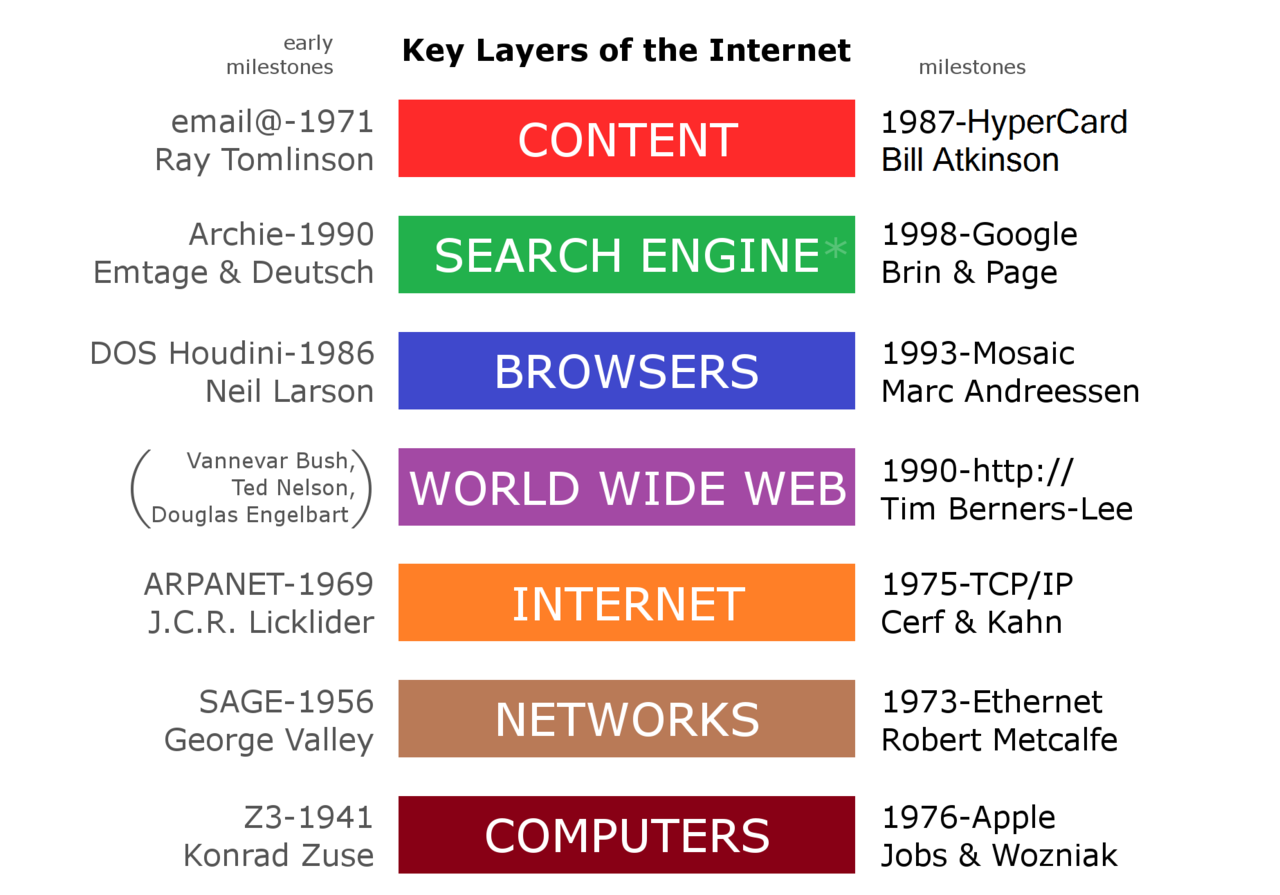
The evolution of online content has been a remarkable journey, from the early days of the internet to the present day. Web content, as defined by Web Development experts, refers to the text, visual or audio content that is made available online and user encountered as part of the online usage and experience on websites. This includes Digital Marketing strategies, Social Media platforms, and Content Creation techniques. The history of online content is closely tied to the development of the World Wide Web and the growth of the internet as a whole. As more people gained access to the internet, the demand for online content increased, leading to the creation of new types of content and new ways of consuming it.
📊 The Early Days of Web Content
In the early days of the web, online content was largely limited to static text and images. However, with the advent of new technologies such as JavaScript and Flash, it became possible to create more interactive and dynamic content. This led to the development of new types of online content, such as Online Games and Interactive Stories. The early days of web content also saw the rise of Web Design as a distinct field, with designers and developers working together to create visually appealing and user-friendly websites. As the web evolved, so did the types of content that were available online, with the growth of E-commerce and Online Learning platforms.
📈 The Rise of User-Generated Content
The rise of Social Media platforms such as Facebook and Twitter has had a significant impact on the evolution of online content. These platforms have made it possible for users to create and share their own content, leading to the growth of User-Generated Content. This has democratized the creation and dissemination of online content, allowing anyone with an internet connection to become a content creator. The rise of social media has also led to the growth of Influencer Marketing, with brands partnering with popular social media influencers to reach their target audiences. As a result, the Digital Marketing landscape has become increasingly complex, with brands needing to navigate multiple platforms and formats to reach their audiences.
📹 The Evolution of Video Content Online
The evolution of video content online has been remarkable, from the early days of YouTube to the present day. Video content has become an essential part of the online landscape, with many brands and individuals using it to reach their target audiences. The growth of video content has been driven by the increasing availability of high-speed internet and the development of new technologies such as HTML5 and CSS3. As a result, video content has become more accessible and affordable, with many brands and individuals using it to tell their stories and reach their audiences. The growth of video content has also led to the development of new types of online content, such as Virtual Reality and Augmented Reality.
🎧 The Growth of Podcasting and Audio Content
The growth of podcasting and audio content has been significant, with many brands and individuals using these formats to reach their target audiences. Podcasting has become a popular way for people to consume audio content, with many podcasts available on platforms such as Apple Podcasts and Spotify. The growth of podcasting has been driven by the increasing availability of high-speed internet and the development of new technologies such as RSS and MP3. As a result, podcasting has become more accessible and affordable, with many brands and individuals using it to tell their stories and reach their audiences. The growth of podcasting has also led to the development of new types of online content, such as Audiobooks and Music Streaming.
📰 The Role of Blogs and Online Journalism
The role of blogs and online journalism has been significant in the evolution of online content. Blogs have provided a platform for individuals to share their thoughts and opinions, while online journalism has provided a platform for news organizations to reach their audiences. The growth of blogs and online journalism has been driven by the increasing availability of high-speed internet and the development of new technologies such as WordPress and Drupal. As a result, blogs and online journalism have become more accessible and affordable, with many brands and individuals using them to tell their stories and reach their audiences. The growth of blogs and online journalism has also led to the development of new types of online content, such as Online Magazines and News Websites.
📚 The Future of Online Content and Digital Publishing
The future of online content and digital publishing is uncertain, with many brands and individuals experimenting with new formats and technologies. The growth of Artificial Intelligence and Machine Learning is likely to have a significant impact on the evolution of online content, with many brands and individuals using these technologies to create more personalized and interactive content. The growth of Virtual Reality and Augmented Reality is also likely to have a significant impact on the evolution of online content, with many brands and individuals using these technologies to create more immersive and engaging content. As a result, the online landscape is likely to become increasingly complex, with many brands and individuals needing to navigate multiple platforms and formats to reach their audiences.
📊 Measuring the Success of Online Content
Measuring the success of online content is a complex task, with many brands and individuals using different metrics to evaluate their content's performance. The most common metrics used to measure the success of online content include Page Views, Unique Visitors, and Engagement. However, these metrics are not always reliable, and many brands and individuals are turning to more advanced metrics such as Return on Investment and Customer Acquisition Cost. The growth of Data Analytics has made it possible for brands and individuals to track their content's performance in real-time, allowing them to make data-driven decisions about their content strategy.
📈 The Challenges of Creating Engaging Online Content
The challenges of creating engaging online content are significant, with many brands and individuals struggling to stand out in a crowded online landscape. The growth of Ad Blockers and Social Media Algorithms has made it more difficult for brands and individuals to reach their target audiences, with many turning to Native Advertising and Influencer Marketing to reach their audiences. The growth of Content Marketing has also led to the development of new types of online content, such as E-books and White Papers. As a result, the online landscape is likely to become increasingly complex, with many brands and individuals needing to navigate multiple platforms and formats to reach their audiences.
🔍 The Importance of Search Engine Optimization (SEO)
The importance of search engine optimization (SEO) cannot be overstated, with many brands and individuals using SEO to increase their online visibility and reach their target audiences. The growth of Google and other search engines has made it possible for brands and individuals to optimize their content for search, allowing them to reach their target audiences more effectively. The growth of SEO Tools has also made it possible for brands and individuals to track their content's performance and make data-driven decisions about their SEO strategy. As a result, SEO has become a critical component of any online content strategy, with many brands and individuals using it to increase their online visibility and reach their target audiences.
Key Facts
- Year
- 2022
- Origin
- Internet
- Category
- Digital Media
- Type
- Digital Concept
Frequently Asked Questions
What is online content?
Online content refers to the text, visual or audio content that is made available online and user encountered as part of the online usage and experience on websites. This includes digital marketing strategies, social media platforms, and content creation techniques. The history of online content is closely tied to the development of the World Wide Web and the growth of the internet as a whole.
How has social media impacted online content?
The rise of social media has had a significant impact on the evolution of online content. Social media platforms have made it possible for users to create and share their own content, leading to the growth of user-generated content. This has democratized the creation and dissemination of online content, allowing anyone with an internet connection to become a content creator.
What is the future of online content and digital publishing?
The future of online content and digital publishing is uncertain, with many brands and individuals experimenting with new formats and technologies. The growth of artificial intelligence and machine learning is likely to have a significant impact on the evolution of online content, with many brands and individuals using these technologies to create more personalized and interactive content.
How do you measure the success of online content?
Measuring the success of online content is a complex task, with many brands and individuals using different metrics to evaluate their content's performance. The most common metrics used to measure the success of online content include page views, unique visitors, and engagement. However, these metrics are not always reliable, and many brands and individuals are turning to more advanced metrics such as return on investment and customer acquisition cost.
What are the challenges of creating engaging online content?
The challenges of creating engaging online content are significant, with many brands and individuals struggling to stand out in a crowded online landscape. The growth of ad blockers and social media algorithms has made it more difficult for brands and individuals to reach their target audiences, with many turning to native advertising and influencer marketing to reach their audiences.
Why is search engine optimization (SEO) important?
The importance of search engine optimization (SEO) cannot be overstated, with many brands and individuals using SEO to increase their online visibility and reach their target audiences. The growth of Google and other search engines has made it possible for brands and individuals to optimize their content for search, allowing them to reach their target audiences more effectively.
How has the growth of podcasting and audio content impacted online content?
The growth of podcasting and audio content has been significant, with many brands and individuals using these formats to reach their target audiences. Podcasting has become a popular way for people to consume audio content, with many podcasts available on platforms such as Apple Podcasts and Spotify.