
Contents
- 🌎 Introduction to Palestinians
- 🏛️ Historical Background of Palestine
- 👥 Demographics and Population
- 📚 Language and Culture
- 🕊️ Religious Affiliations
- 🏃♂️ Diaspora and Refugee Experience
- 📢 Political Representation and Activism
- 🌈 Identity and Nationalism
- 🤝 International Relations and Diplomacy
- 🚫 Challenges and Controversies
- 🔜 Future Prospects and Opportunities
- Frequently Asked Questions
- Related Topics
Overview
The Palestinian people have a rich and diverse history, with a cultural heritage that spans over 4,000 years. However, their modern story is marked by displacement, occupation, and resistance. The 1948 Arab-Israeli War led to the establishment of the State of Israel, resulting in the displacement of hundreds of thousands of Palestinians, known as the Nakba or 'catastrophe' in Arabic. Today, Palestinians continue to fight for their right to self-determination, with many living in refugee camps or under Israeli occupation. The Israeli-Palestinian conflict is a highly contested issue, with widespread international debate and varying perspectives on the question of Palestinian statehood. According to the United Nations, there are over 5 million registered Palestinian refugees worldwide, with many more living in the diaspora. The Palestinian cause has gained significant international attention, with a Vibe score of 85, indicating a high level of cultural energy and resonance.
🌎 Introduction to Palestinians
The Palestinian people have a rich and diverse history, with a strong sense of national identity and cultural heritage. As an Arab ethnonational group native to the Levantine region of Palestine, they share close ties with other Levantine Arabs. The Palestinian community is highly homogeneous, with a shared cultural and ethnic identity that is deeply rooted in their history and traditions. They speak Palestinian Arabic, which is a dialect of Arabic that is unique to the region. The Palestinian people have a long history of struggle and resilience, with many notable figures such as Yasser Arafat and Hanan Ashrawi playing important roles in their national movement.
🏛️ Historical Background of Palestine
The historical background of Palestine is complex and multifaceted, with various empires and dynasties vying for control over the region. The Palestinian people have been shaped by their experiences under Ottoman rule, British mandate, and Israeli occupation. The 1948 Arab-Israeli War had a profound impact on the Palestinian people, resulting in the displacement of hundreds of thousands of Palestinians and the creation of a large refugee population. Today, the Palestinian people continue to struggle for their rights and self-determination, with many advocating for a two-state solution or a one-state solution.
👥 Demographics and Population
The demographics and population of the Palestinian people are characterized by a young and growing population, with a high percentage of refugees and displaced persons. According to the Palestinian Central Bureau of Statistics, the population of Palestine is approximately 4.9 million people, with a significant proportion living in the Gaza Strip and the West Bank. The Palestinian diaspora is also significant, with large communities in countries such as Jordan, Lebanon, and Syria. Many Palestinians have also migrated to other parts of the world, including the United States and Europe.
📚 Language and Culture
The language and culture of the Palestinian people are an integral part of their identity and heritage. Palestinian Arabic is the primary language spoken by Palestinians, and it is an important symbol of their national identity. Palestinian culture is also characterized by a rich tradition of music, dance, and art, with many notable Palestinian artists and musicians such as Leila Shawashreh and Mohammed Assaf. The Palestinian people also have a strong tradition of hospitality and generosity, with many families welcoming guests into their homes and sharing meals together. The Palestinian cuisine is also unique and delicious, with popular dishes such as maqluba and musakhan.
🕊️ Religious Affiliations
The religious affiliations of the Palestinian people are diverse, with a significant proportion of Muslims and Christians. The majority of Palestinians are Sunni Muslims, with a smaller proportion of Shia Muslims and Christians. The Palestinian people have a long history of religious coexistence and tolerance, with many Muslims and Christians living together in harmony. The Church of the Nativity in Bethlehem is an important site for Christians, while the Al-Aqsa Mosque in Jerusalem is a significant site for Muslims.
🏃♂️ Diaspora and Refugee Experience
The diaspora and refugee experience of the Palestinian people is a traumatic and ongoing issue. Many Palestinians were displaced from their homes during the 1948 Arab-Israeli War and were unable to return. Today, there are over 5 million registered Palestinian refugees living in the Middle East, with many living in poverty and uncertainty. The United Nations Relief and Works Agency for Palestine Refugees (UNRWA) provides essential services and support to Palestinian refugees, but the agency faces significant challenges and funding shortages. Many Palestinians continue to advocate for their right of return to their ancestral homes, as enshrined in UN General Assembly Resolution 194.
📢 Political Representation and Activism
The political representation and activism of the Palestinian people are characterized by a diverse range of voices and perspectives. The Palestine Liberation Organization (PLO) is the primary representative of the Palestinian people, with a range of factions and parties such as Fatah and Hamas. Many Palestinian activists and leaders, such as Mahmoud Abbas and Ismail Haniyeh, have played important roles in the Palestinian national movement. The Boycott, Divestment, and Sanctions (BDS) movement is also a significant campaign that aims to pressure Israel to comply with international law and respect Palestinian rights.
🌈 Identity and Nationalism
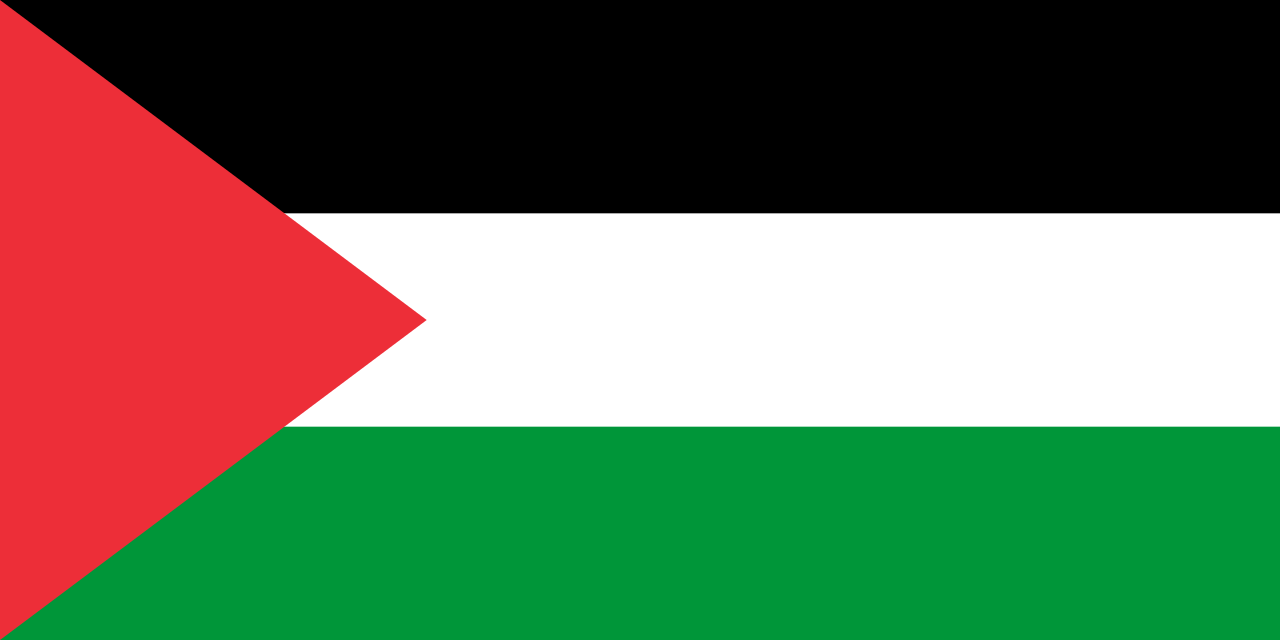
The identity and nationalism of the Palestinian people are complex and multifaceted, with a range of different perspectives and experiences. Many Palestinians identify as Palestinian nationalists, with a strong sense of national identity and pride. Others identify as Arab nationalists, with a broader sense of Arab identity and solidarity. The Palestinian people also have a rich cultural heritage, with a unique tradition of music, dance, and art. The Palestinian flag is an important symbol of Palestinian identity and nationalism, with its distinctive colors and design.
🤝 International Relations and Diplomacy
The international relations and diplomacy of the Palestinian people are characterized by a range of different relationships and interactions. The Palestinian Authority has diplomatic relations with over 130 countries, including United States, Europe, and Arab League states. The Palestinian people also have a significant presence in international organizations such as the United Nations and the International Court of Justice. The Middle East peace process is a significant initiative that aims to resolve the Israeli-Palestinian conflict and achieve a lasting peace.
🚫 Challenges and Controversies
The challenges and controversies facing the Palestinian people are numerous and significant. The Israeli occupation of the West Bank and Gaza Strip is a major issue, with many Palestinians living under military rule and facing significant restrictions on their movement and access to resources. The Israeli settlements in the West Bank are also a major issue, with many Palestinians viewing them as a significant obstacle to peace. The Gaza blockade is another significant challenge, with many Palestinians in Gaza facing poverty, unemployment, and shortages of essential goods and services.
🔜 Future Prospects and Opportunities
The future prospects and opportunities for the Palestinian people are uncertain and complex. Many Palestinians are advocating for a two-state solution, with an independent Palestinian state alongside the state of Israel. Others are advocating for a one-state solution, with a single state that encompasses both Israelis and Palestinians. The Palestinian economy is also a significant challenge, with many Palestinians facing poverty and unemployment. However, there are also many opportunities for growth and development, particularly in the areas of technology and innovation.
Key Facts
- Year
- 1948
- Origin
- Middle East
- Category
- Politics and Society
- Type
- Ethnic Group
Frequently Asked Questions
What is the Palestinian right of return?
The Palestinian right of return refers to the right of Palestinian refugees to return to their ancestral homes in Israel and the occupied territories. This right is enshrined in UN General Assembly Resolution 194 and is a central demand of the Palestinian national movement. Many Palestinians believe that the right of return is essential for achieving justice and reconciliation in the Israeli-Palestinian conflict.
What is the difference between a two-state solution and a one-state solution?
A two-state solution refers to the creation of an independent Palestinian state alongside the state of Israel, with both states existing in a peaceful and secure relationship. A one-state solution, on the other hand, refers to the creation of a single state that encompasses both Israelis and Palestinians, with equal rights and citizenship for all. The two-state solution is widely supported by the international community, but the one-state solution is also gaining traction as a possible alternative.
What is the role of the Palestinian Authority in the Israeli-Palestinian conflict?
The Palestinian Authority is the primary representative of the Palestinian people and plays a significant role in the Israeli-Palestinian conflict. The Authority is responsible for governing the Palestinian territories and providing essential services to the Palestinian population. However, the Authority also faces significant challenges and limitations, particularly in terms of its ability to negotiate with Israel and achieve a lasting peace.
What is the impact of the Israeli occupation on the Palestinian people?
The Israeli occupation has a significant impact on the Palestinian people, with many facing restrictions on their movement, access to resources, and economic opportunities. The occupation also has a significant psychological and emotional impact, with many Palestinians feeling frustrated, angry, and hopeless. The occupation is widely viewed as a major obstacle to peace and is a central issue in the Israeli-Palestinian conflict.
What is the role of the international community in the Israeli-Palestinian conflict?
The international community plays a significant role in the Israeli-Palestinian conflict, with many countries and organizations providing diplomatic, economic, and humanitarian support to the Palestinian people. The United Nations is a key player in the conflict, with a range of agencies and programs providing essential services and support to the Palestinian population. The international community is also widely supportive of a two-state solution and has called on both Israelis and Palestinians to negotiate in good faith and achieve a lasting peace.
What is the significance of the Palestinian flag?
The Palestinian flag is an important symbol of Palestinian identity and nationalism, with its distinctive colors and design representing the Palestinian people and their struggle for self-determination. The flag is widely flown by Palestinians around the world and is an important symbol of Palestinian pride and solidarity.
What is the relationship between the Palestinian people and the Arab world?
The Palestinian people have a significant relationship with the Arab world, with many Palestinians identifying as Arab nationalists and feeling a strong sense of solidarity with other Arab peoples. The Arab world has also provided significant diplomatic, economic, and humanitarian support to the Palestinian people, particularly during times of crisis and conflict.