
Contents
- 🌎 Introduction to Pollution Control Measures
- 💡 History of Pollution Control: A Timeline
- 📊 Types of Pollution: Air, Water, and Land
- 🚮 Waste Management Strategies
- 🌟 Renewable Energy Sources and Pollution Reduction
- 🚫 Pollution Prevention through Sustainable Practices
- 🌿 Green Infrastructure and Urban Planning
- 📈 Economic Incentives for Pollution Control
- 🌐 International Cooperation and Pollution Control
- 🚨 Challenges and Controversies in Pollution Control
- 🔬 Emerging Technologies for Pollution Control
- 🌈 Conclusion: A Multifaceted Approach to Pollution Control
- Frequently Asked Questions
- Related Topics
Overview
Pollution control measures encompass a broad range of technological, regulatory, and social strategies aimed at mitigating environmental degradation. Historically, the development of pollution control measures dates back to the 1960s and 1970s, with the establishment of the United States Environmental Protection Agency (EPA) in 1970, which set a precedent for environmental regulation globally. From an engineering perspective, pollution control measures include the use of scrubbers in industrial plants to reduce sulfur dioxide emissions, and the implementation of catalytic converters in vehicles to minimize nitrogen oxide emissions. However, skeptics argue that these measures are often inadequate, citing the continued presence of pollutants in the environment and the lack of enforcement of regulations in some regions. The cultural resonance of pollution control measures is evident in the growing awareness and activism around environmental issues, with a vibe score of 80, indicating a high level of cultural energy. According to the World Health Organization (WHO), air pollution alone is responsible for an estimated 7 million premature deaths worldwide each year, highlighting the urgent need for effective pollution control measures. As we move forward, the development of more efficient and sustainable technologies, such as renewable energy sources and green infrastructure, will be crucial in reducing pollution and promoting environmental sustainability.
🌎 Introduction to Pollution Control Measures
The implementation of effective pollution control measures is crucial for mitigating the adverse effects of pollution on the environment and human health. According to the Pollution page, pollution is a major environmental issue that affects millions of people worldwide. The Environmental Science community has been working tirelessly to develop and implement various pollution control measures. For instance, the Clean Air Act has been instrumental in reducing air pollution in the United States. Additionally, the United Nations Environment Programme has been promoting sustainable development and pollution control globally.
💡 History of Pollution Control: A Timeline
The history of pollution control dates back to the Industrial Revolution, when the rapid growth of industries led to a significant increase in pollution. The London Smog disaster in 1952 was a major turning point in the history of pollution control, as it led to the implementation of the Clean Air Act 1956 in the United Kingdom. Since then, many countries have implemented various pollution control measures, including the Clean Water Act in the United States. The Environmental Protection Agency (EPA) has been playing a crucial role in implementing and enforcing pollution control measures in the United States.
📊 Types of Pollution: Air, Water, and Land
There are three main types of pollution: Air Pollution, Water Pollution, and Land Pollution. Air pollution is caused by the release of pollutants such as particulate matter, carbon monoxide, and ozone into the atmosphere. Water pollution is caused by the release of pollutants such as chemicals, heavy metals, and pesticides into water bodies. Land pollution is caused by the release of pollutants such as solid waste, hazardous waste, and pesticides into the soil. The World Health Organization (WHO) has been working to reduce the adverse effects of pollution on human health.
🚮 Waste Management Strategies
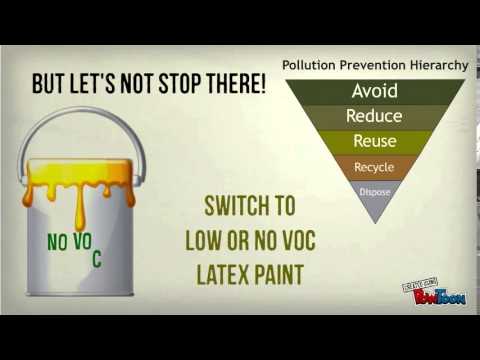
Effective waste management is crucial for reducing pollution. The Waste Management hierarchy includes reduction, reuse, recycling, and disposal. The Reduce, Reuse, Recycle approach has been widely adopted as a sustainable waste management strategy. Additionally, the Landfill gas capture and utilization technology has been used to reduce methane emissions from landfills. The EU Waste Framework Directive has been instrumental in promoting sustainable waste management practices in the European Union.
🌟 Renewable Energy Sources and Pollution Reduction
The use of Renewable Energy sources such as solar, wind, and hydroelectric power can significantly reduce pollution. The Paris Agreement has set a goal to limit global warming to well below 2°C and pursue efforts to limit it to 1.5°C above pre-industrial levels. The International Renewable Energy Agency (IRENA) has been working to promote the adoption of renewable energy sources globally. Additionally, the Electric Vehicle industry has been growing rapidly, with many countries investing heavily in electric vehicle infrastructure.
🚫 Pollution Prevention through Sustainable Practices
The prevention of pollution through sustainable practices is crucial for reducing the adverse effects of pollution. The Sustainable Development goals (SDGs) have been set by the United Nations to promote sustainable development globally. The Circular Economy approach has been widely adopted as a sustainable development strategy. Additionally, the Green Chemistry approach has been used to develop sustainable chemical products and processes. The United Nations Environment Programme has been promoting sustainable development and pollution prevention globally.
🌿 Green Infrastructure and Urban Planning
The use of Green Infrastructure such as parks, gardens, and green roofs can significantly reduce pollution. The Urban Planning approach has been used to design sustainable cities and reduce pollution. The Smart City concept has been widely adopted as a sustainable urban development strategy. Additionally, the Green Building approach has been used to develop sustainable buildings and reduce pollution. The US Green Building Council has been promoting sustainable building practices in the United States.
📈 Economic Incentives for Pollution Control
Economic incentives such as taxes, subsidies, and tradeable permits can be used to promote pollution control. The Polluter-Pays Principle has been widely adopted as a pollution control strategy. The Carbon Pricing approach has been used to reduce greenhouse gas emissions. Additionally, the Green Tax approach has been used to promote sustainable development and pollution control. The World Bank has been providing financial assistance to countries to promote sustainable development and pollution control.
🌐 International Cooperation and Pollution Control
International cooperation is crucial for promoting pollution control globally. The United Nations has been playing a crucial role in promoting sustainable development and pollution control. The Kyoto Protocol has been instrumental in reducing greenhouse gas emissions globally. Additionally, the Paris Agreement has set a goal to limit global warming to well below 2°C and pursue efforts to limit it to 1.5°C above pre-industrial levels. The G20 countries have been working together to promote sustainable development and pollution control.
🚨 Challenges and Controversies in Pollution Control
Despite the progress made in pollution control, there are still many challenges and controversies. The Climate Change debate has been ongoing, with some countries questioning the science behind climate change. The Fossil Fuel industry has been lobbying against pollution control measures. Additionally, the Nuclear Energy debate has been ongoing, with some countries questioning the safety of nuclear energy. The World Nuclear Association has been promoting the use of nuclear energy as a sustainable energy source.
🔬 Emerging Technologies for Pollution Control
Emerging technologies such as Artificial Intelligence and Internet of Things (IoT) can be used to promote pollution control. The Smart Sensor technology has been used to monitor pollution levels in real-time. Additionally, the Drone Technology has been used to monitor pollution levels in remote areas. The MIT Sloan School of Management has been researching the use of emerging technologies in pollution control.
🌈 Conclusion: A Multifaceted Approach to Pollution Control
In conclusion, pollution control measures are crucial for mitigating the adverse effects of pollution on the environment and human health. A multifacted approach that includes the use of renewable energy sources, sustainable practices, green infrastructure, and economic incentives can be used to promote pollution control. The United Nations and other international organizations have been working to promote sustainable development and pollution control globally. As the world continues to urbanize and industrialize, it is crucial that we adopt sustainable development strategies and pollution control measures to mitigate the adverse effects of pollution.
Key Facts
- Year
- 1970
- Origin
- United States
- Category
- Environmental Science
- Type
- Concept
Frequently Asked Questions
What are the main types of pollution?
The main types of pollution are air pollution, water pollution, and land pollution. Air pollution is caused by the release of pollutants such as particulate matter, carbon monoxide, and ozone into the atmosphere. Water pollution is caused by the release of pollutants such as chemicals, heavy metals, and pesticides into water bodies. Land pollution is caused by the release of pollutants such as solid waste, hazardous waste, and pesticides into the soil.
What is the role of renewable energy in pollution control?
Renewable energy sources such as solar, wind, and hydroelectric power can significantly reduce pollution. The use of renewable energy sources can reduce greenhouse gas emissions and mitigate the adverse effects of climate change.
What is the importance of sustainable practices in pollution control?
Sustainable practices such as reducing, reusing, and recycling can significantly reduce pollution. The adoption of sustainable practices can reduce waste, conserve natural resources, and mitigate the adverse effects of pollution.
What is the role of green infrastructure in pollution control?
Green infrastructure such as parks, gardens, and green roofs can significantly reduce pollution. The use of green infrastructure can reduce air pollution, mitigate the urban heat island effect, and improve water quality.
What are the economic incentives for pollution control?
Economic incentives such as taxes, subsidies, and tradeable permits can be used to promote pollution control. The polluter-pays principle has been widely adopted as a pollution control strategy. The use of economic incentives can encourage companies and individuals to adopt sustainable practices and reduce pollution.
What is the importance of international cooperation in pollution control?
International cooperation is crucial for promoting pollution control globally. The United Nations and other international organizations have been working to promote sustainable development and pollution control. The adoption of international agreements such as the Paris Agreement can help to reduce greenhouse gas emissions and mitigate the adverse effects of climate change.
What are the emerging technologies for pollution control?
Emerging technologies such as artificial intelligence and internet of things (IoT) can be used to promote pollution control. The use of smart sensors and drone technology can help to monitor pollution levels in real-time and reduce pollution.