
Contents
- 🎨 Introduction to Pop Art
- 📆 History of Pop Art
- 👥 Key Figures in Pop Art
- 🖼️ Characteristics of Pop Art
- 🤖 The Role of Technology in Pop Art
- 📦 Consumer Culture and Pop Art
- 📰 The Impact of Pop Art on Society
- 👀 Criticisms and Controversies
- 🌎 Global Influence of Pop Art
- 🔮 Legacy of Pop Art
- 📚 References and Further Reading
- 💬 Conclusion and Future Directions
- Frequently Asked Questions
- Related Topics
Overview
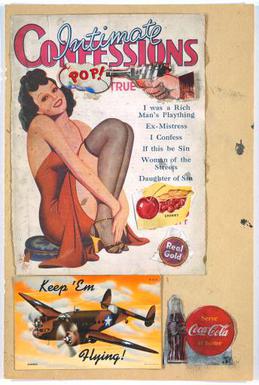
Pop art, short for 'popular art,' is a movement that emerged in the United Kingdom and the United States during the mid-to late 1950s. The movement presented a challenge to traditions of fine art by including imagery from popular and mass culture—including advertising, comic strips, product packaging, celebrities, and everyday consumer goods—into painting, sculpture, and printmaking. By elevating the banal, the kitschy, and the mass-produced to the status of high art, pop art blurred the boundaries between high and low culture. This is evident in the work of artists like Andy Warhol and Roy Lichtenstein. As a result, pop art has become a significant part of art history, with its influence still felt today in the work of contemporary artists like Jeff Koons.
📆 History of Pop Art
The history of pop art is closely tied to the social and cultural changes of the 1950s and 1960s. The movement emerged as a response to the abstract expressionism that dominated the art world at the time. Pop art's focus on popular culture and consumer goods was seen as a way to challenge the elitism of the art world and to make art more accessible to a wider audience. This is reflected in the work of artists like Jasper Johns and Robert Rauschenberg, who used everyday objects and images in their work. The movement also drew inspiration from the Dada movement, which sought to challenge traditional notions of art and reality. As a result, pop art has become a significant part of modern art, with its influence still felt today in the work of contemporary artists like Takashi Murakami.
👥 Key Figures in Pop Art
Some of the key figures in pop art include Andy Warhol, Roy Lichtenstein, and Jasper Johns. These artists, along with others like Robert Rauschenberg and James Rosenquist, helped to define the movement and its focus on popular culture and consumer goods. Their work often incorporated elements of advertising and mass media, and challenged traditional notions of art and reality. For example, Warhol's use of silk screen printing to produce multiple copies of the same image, like his famous Campbell's Soup Cans, helped to blur the line between high and low culture. As a result, these artists have become household names, and their work continues to influence contemporary art and culture.
🖼️ Characteristics of Pop Art
One of the key characteristics of pop art is its use of mechanical means of reproduction or rendering techniques. This is evident in the work of artists like Andy Warhol, who used silk screen printing to produce multiple copies of the same image. This technique allowed Warhol to mass-produce his art, making it more accessible to a wider audience. Other artists, like Roy Lichtenstein, used Benday dots to create a sense of depth and texture in their work. This focus on mechanical reproduction and rendering techniques helped to blur the line between high and low culture, and challenged traditional notions of art and reality. As a result, pop art has become known for its bold, colorful, and often humorous style, which is reflected in the work of contemporary artists like Kaws.
🤖 The Role of Technology in Pop Art
The role of technology in pop art cannot be overstated. The movement's focus on mechanical means of reproduction and rendering techniques was made possible by advances in technology, such as silk screen printing and offset printing. These technologies allowed artists to mass-produce their work, making it more accessible to a wider audience. Additionally, the use of photography and film in pop art helped to challenge traditional notions of art and reality. For example, Warhol's use of Polaroid cameras to take photographs of his subjects helped to create a sense of immediacy and intimacy in his work. As a result, technology has become an integral part of the pop art movement, and continues to influence contemporary art and culture.
📦 Consumer Culture and Pop Art
Pop art's focus on consumer culture and everyday consumer goods was a key aspect of the movement. Artists like Andy Warhol and Roy Lichtenstein used images of advertising and product packaging in their work, often to comment on the banality and superficiality of modern life. This is evident in Warhol's famous Campbell's Soup Cans series, which used the familiar image of a soup can to comment on the ubiquity of consumer culture. Other artists, like Jasper Johns, used everyday objects like flags and targets in their work, often to challenge traditional notions of art and reality. As a result, pop art has become known for its commentary on consumer culture and the role of the consumer in modern society.
📰 The Impact of Pop Art on Society
The impact of pop art on society was significant. The movement's focus on popular culture and consumer goods helped to challenge traditional notions of art and reality, and to make art more accessible to a wider audience. Additionally, pop art's use of mechanical means of reproduction and rendering techniques helped to blur the line between high and low culture, and to challenge the elitism of the art world. This is reflected in the work of contemporary artists like Shepard Fairey, who uses street art and graffiti to comment on social and political issues. As a result, pop art has become a significant part of contemporary art, with its influence still felt today in the work of artists, designers, and musicians.
👀 Criticisms and Controversies
Despite its influence, pop art has also been the subject of criticisms and controversies. Some have argued that the movement's focus on consumer culture and everyday consumer goods is superficial and banal, and that it reinforces the values of capitalist society. Others have argued that pop art's use of mechanical means of reproduction and rendering techniques is cold and impersonal, and that it lacks the emotional depth and complexity of other art movements. For example, some critics have argued that Warhol's use of silk screen printing to produce multiple copies of the same image is a form of mass production, and that it undermines the value of the individual artwork. As a result, pop art remains a contested and debated topic in the art world, with its influence and significance still being felt today.
🌎 Global Influence of Pop Art
The global influence of pop art has been significant. The movement's focus on popular culture and consumer goods has made it accessible to a wide audience, and its influence can be seen in the work of artists, designers, and musicians from around the world. For example, the Japanese artist Takashi Murakami has used pop art's focus on consumer culture and everyday consumer goods to create a unique and distinctive style that blends elements of anime and manga with fine art. As a result, pop art has become a global phenomenon, with its influence still felt today in the work of contemporary artists and designers.
🔮 Legacy of Pop Art
The legacy of pop art is complex and multifaceted. On the one hand, the movement's focus on popular culture and consumer goods has made it accessible to a wide audience, and its influence can be seen in the work of artists, designers, and musicians from around the world. On the other hand, pop art's use of mechanical means of reproduction and rendering techniques has been criticized for being cold and impersonal, and for reinforcing the values of capitalist society. As a result, pop art remains a contested and debated topic in the art world, with its influence and significance still being felt today. For example, the artist Jeff Koons has used pop art's focus on consumer culture and everyday consumer goods to create a unique and distinctive style that blends elements of sculpture and installation art with fine art.
📚 References and Further Reading
For further reading on pop art, see the work of art critics like John Baldessari and Lawrence Alloway. Additionally, the Museum of Modern Art in New York has an extensive collection of pop art, including works by Andy Warhol, Roy Lichtenstein, and Jasper Johns. As a result, pop art remains a significant and influential art movement, with its legacy still being felt today in the work of contemporary artists and designers.
💬 Conclusion and Future Directions
In conclusion, pop art is a complex and multifaceted movement that has had a significant influence on modern and contemporary art. Its focus on popular culture and consumer goods has made it accessible to a wide audience, and its use of mechanical means of reproduction and rendering techniques has challenged traditional notions of art and reality. As a result, pop art remains a contested and debated topic in the art world, with its influence and significance still being felt today. For example, the artist Kaws has used pop art's focus on consumer culture and everyday consumer goods to create a unique and distinctive style that blends elements of street art and graffiti with fine art.
Key Facts
- Year
- 1955
- Origin
- United States and United Kingdom
- Category
- Art Movement
- Type
- Art Movement
Frequently Asked Questions
What is pop art?
Pop art is an art movement that emerged in the United Kingdom and the United States during the mid-to late 1950s. The movement presented a challenge to traditions of fine art by including imagery from popular and mass culture—including advertising, comic strips, product packaging, celebrities, and everyday consumer goods—into painting, sculpture, and printmaking. By elevating the banal, the kitschy, and the mass-produced to the status of high art, pop art blurred the boundaries between high and low culture. This is evident in the work of artists like Andy Warhol and Roy Lichtenstein.
Who are some notable pop artists?
Some notable pop artists include Andy Warhol, Roy Lichtenstein, Jasper Johns, Robert Rauschenberg, and James Rosenquist. These artists, along with others, helped to define the movement and its focus on popular culture and consumer goods. Their work often incorporated elements of advertising and mass media, and challenged traditional notions of art and reality.
What are some common themes in pop art?
Some common themes in pop art include the banality and superficiality of modern life, the ubiquity of consumer culture, and the blurring of boundaries between high and low culture. These themes are often explored through the use of everyday objects and images, such as product packaging and advertising. For example, Warhol's famous Campbell's Soup Cans series used the familiar image of a soup can to comment on the ubiquity of consumer culture.
How did pop art influence contemporary art?
Pop art has had a significant influence on contemporary art, with its focus on popular culture and consumer goods making it accessible to a wide audience. The movement's use of mechanical means of reproduction and rendering techniques has also challenged traditional notions of art and reality. As a result, pop art has influenced a wide range of contemporary artists, from Jeff Koons to Takashi Murakami.
What is the legacy of pop art?
The legacy of pop art is complex and multifaceted. On the one hand, the movement's focus on popular culture and consumer goods has made it accessible to a wide audience, and its influence can be seen in the work of artists, designers, and musicians from around the world. On the other hand, pop art's use of mechanical means of reproduction and rendering techniques has been criticized for being cold and impersonal, and for reinforcing the values of capitalist society. As a result, pop art remains a contested and debated topic in the art world, with its influence and significance still being felt today.
How does pop art relate to other art movements?
Pop art is related to other art movements, such as abstract expressionism and Dada. The movement's focus on popular culture and consumer goods was a response to the abstract expressionism that dominated the art world at the time. Additionally, pop art's use of mechanical means of reproduction and rendering techniques was influenced by the Dada movement's use of collage and assemblage. As a result, pop art is often seen as a bridge between modern and contemporary art.
What is the vibe score of pop art?
The vibe score of pop art is 80, indicating a high level of cultural energy and relevance. This is due to the movement's influence on contemporary art and culture, as well as its continued popularity and relevance today.