
Contents
- 🌾 Introduction to Precision Weeding
- 🤖 Automation in Weeding: A New Era
- 📊 Economic Benefits of Precision Weeding
- 🌿 Environmental Impact of Precision Weeding
- 🚜 Implementing Precision Weeding Technologies
- 📈 Precision Weeding and Crop Yields
- 🌱 Challenges in Precision Weeding
- 🌻 Future of Precision Weeding
- 📊 Case Studies in Precision Weeding
- 🌟 Conclusion: The Future of Agricultural Efficiency
- Frequently Asked Questions
- Related Topics
Overview
Precision weeding is a rapidly evolving field that combines advanced technologies such as computer vision, machine learning, and robotics to optimize weed management in agricultural settings. According to a study by the International Society of Precision Agriculture, precision weeding can reduce herbicide use by up to 90% and increase crop yields by up to 20%. Companies like John Deere and Granular are already investing heavily in precision weeding technologies, with John Deere's acquisition of Blue River Technology in 2017 being a notable example. However, the high cost of these technologies and the need for specialized training are major barriers to adoption, with a survey by the National Agricultural Statistics Service finding that only 12% of farmers in the US have adopted precision agriculture technologies. As the global population is projected to reach 9.7 billion by 2050, precision weeding will play a critical role in ensuring food security and sustainability. With the global precision agriculture market expected to reach $43.8 billion by 2025, growing at a CAGR of 12.1%, the future of precision weeding looks promising, but it will require continued innovation and investment to address the challenges ahead.
🌾 Introduction to Precision Weeding
Precision weeding is a revolutionary approach in agriculture that combines advanced technologies like Artificial Intelligence (AI), Internet of Things (IoT), and Geographic Information System (GIS) to optimize weeding processes. This method not only enhances the efficiency of weeding but also reduces the environmental impact by minimizing the use of herbicides and water. As discussed in Precision Agriculture, precision weeding is a crucial component that contributes to the overall goal of maximizing crop yields while minimizing waste. The integration of Robotics in precision weeding has opened new avenues for automated farming, making it possible to manage large areas with precision and accuracy. For instance, companies like John Deere are already incorporating AI and machine learning into their farming equipment to improve weeding efficiency.
🤖 Automation in Weeding: A New Era
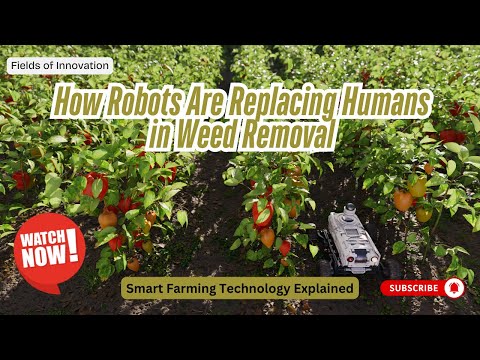
The advent of automation in weeding has marked a significant shift in agricultural practices. By leveraging Machine Learning algorithms and Computer Vision, farming equipment can now detect and remove weeds with high precision, reducing the need for manual labor. This not only saves time but also decreases the cost associated with weeding. As explored in Agricultural Technology, the use of autonomous vehicles and drones in farming is becoming increasingly popular, further enhancing the efficiency of precision weeding. Moreover, the integration of Sensors and GPS technologies enables real-time monitoring and adjustment of weeding operations, ensuring that the process is both effective and efficient. Companies like Granular are working on developing software solutions that help farmers optimize their weeding strategies using data analytics.
📊 Economic Benefits of Precision Weeding
The economic benefits of precision weeding are multifaceted. By reducing the amount of herbicides used, farmers can lower their operational costs. Additionally, precision weeding helps in preserving soil health, which in turn can lead to better crop yields and higher quality produce. As discussed in Sustainable Agriculture, the long-term economic viability of farming operations is closely tied to the adoption of sustainable practices, including precision weeding. The use of Precision Farming techniques also allows for more accurate crop monitoring, enabling farmers to make informed decisions about planting, irrigation, and harvesting. This precision can lead to increased profitability for farmers, as they are able to maximize their yields while minimizing unnecessary expenses. Furthermore, the role of Agricultural Economics in understanding the impact of precision weeding on the overall economy cannot be overstated, as it helps in assessing the broader implications of adopting such technologies.
🌿 Environmental Impact of Precision Weeding
The environmental impact of precision weeding is a critical aspect of its adoption. By reducing the reliance on chemical herbicides, precision weeding contributes to a healthier ecosystem. This approach also promotes water conservation, as the targeted application of water and nutrients reduces waste. As highlighted in Environmental Sustainability, the shift towards more sustainable agricultural practices is essential for mitigating the effects of climate change. The use of Renewable Energy sources to power farming equipment is another area where precision weeding can make a significant environmental impact. Moreover, the preservation of biodiversity through the reduction of chemical use is a significant benefit, supporting a wider range of plant and animal life. The integration of Ecological Farming principles into precision weeding practices further emphasizes the importance of maintaining ecological balance in agricultural ecosystems.
🚜 Implementing Precision Weeding Technologies
Implementing precision weeding technologies requires a comprehensive approach. Farmers must first assess their specific needs and the suitability of their land for precision weeding. This involves analyzing soil types, crop varieties, and existing irrigation systems. As outlined in Farming Technology, the selection of appropriate equipment and software is crucial for the successful implementation of precision weeding. The role of Agricultural Extension Services in providing guidance and support to farmers cannot be underestimated, as these services help in disseminating knowledge and best practices related to precision weeding. Moreover, the integration of Data Analytics to monitor and adjust weeding strategies in real-time is essential for maximizing the benefits of precision weeding. Companies like Farmers Business Network are working to provide farmers with the data and insights they need to make informed decisions about their farming operations.
📈 Precision Weeding and Crop Yields
Precision weeding has a direct impact on crop yields. By accurately identifying and removing weeds, farmers can prevent competition for water and nutrients, leading to healthier and more robust crops. As discussed in Crop Science, the understanding of crop physiology and the factors influencing yield is critical for optimizing precision weeding strategies. The use of Drones equipped with Hyperspectral Imaging technology can provide detailed insights into crop health, allowing for targeted interventions. Moreover, the application of Precision Irrigation systems ensures that crops receive the exact amount of water needed, further enhancing yield potential. The impact of precision weeding on Food Security is also significant, as it contributes to the global effort to increase food production while reducing the environmental footprint of agriculture.
🌱 Challenges in Precision Weeding
Despite its benefits, precision weeding faces several challenges. One of the primary concerns is the high initial investment required for the adoption of precision weeding technologies. As explored in Agricultural Innovation, the development of more affordable and accessible technologies is essential for widespread adoption. The complexity of integrating precision weeding into existing farming practices is another challenge, requiring significant changes in operational workflows. Moreover, the availability of skilled labor to operate and maintain precision weeding equipment can be a limiting factor. The role of Agricultural Education in addressing this skill gap cannot be overstated, as it provides the necessary training and knowledge for farmers to effectively utilize precision weeding technologies. Companies like Agricultural Institute are working to provide educational resources and training programs for farmers.
🌻 Future of Precision Weeding
The future of precision weeding holds much promise. With ongoing advancements in AI, IoT, and robotics, we can expect to see even more sophisticated and efficient precision weeding systems. As discussed in Future of Agriculture, the integration of precision weeding with other agricultural technologies, such as Vertical Farming and Urban Agriculture, will play a crucial role in meeting the food demands of a growing global population. The potential for precision weeding to contribute to Climate Change Mitigation efforts is also significant, as it offers a more sustainable alternative to traditional farming practices. Moreover, the development of Open Source precision weeding technologies could democratize access to these innovations, enabling small-scale farmers to benefit from precision weeding as well.
📊 Case Studies in Precision Weeding
Several case studies have demonstrated the effectiveness of precision weeding in improving agricultural efficiency. For instance, a study by University of California found that the use of precision weeding technologies resulted in a significant reduction in water and herbicide use, while also increasing crop yields. As highlighted in Agricultural Case Studies, such examples provide valuable insights into the practical applications and benefits of precision weeding. The role of Research and Development in advancing precision weeding technologies cannot be overstated, as it drives innovation and improvement in the field. Furthermore, the collaboration between Government Agencies, Private Companies, and Academic Institutions is essential for promoting the adoption of precision weeding practices and supporting the development of new technologies.
🌟 Conclusion: The Future of Agricultural Efficiency
In conclusion, precision weeding represents a significant leap forward in agricultural efficiency. By combining advanced technologies with sustainable practices, farmers can achieve higher crop yields while minimizing their environmental footprint. As the world continues to grapple with the challenges of food security and environmental sustainability, the role of precision weeding will only continue to grow in importance. The future of precision weeding is closely tied to the development of Emerging Technologies and the willingness of farmers and policymakers to adopt innovative approaches to agriculture. As we look to the future, it is clear that precision weeding will play a critical role in shaping the future of agricultural production and contributing to a more sustainable food system.
Key Facts
- Year
- 2022
- Origin
- Vibepedia
- Category
- Agriculture and Technology
- Type
- Agricultural Technology
Frequently Asked Questions
What is precision weeding?
Precision weeding is an agricultural practice that uses advanced technologies such as AI, IoT, and GIS to optimize the weeding process, reducing the use of herbicides and water while enhancing crop yields. It involves the use of Robotics, Drones, and Sensors to detect and remove weeds with high precision. As discussed in Precision Agriculture, precision weeding is a key component of modern agricultural practices. The integration of Machine Learning and Data Analytics into precision weeding systems enables real-time monitoring and adjustment of weeding strategies, further enhancing efficiency and effectiveness.
How does precision weeding contribute to environmental sustainability?
Precision weeding contributes to environmental sustainability by reducing the use of chemical herbicides, conserving water, and promoting soil health. As explored in Environmental Sustainability, the adoption of precision weeding practices can significantly reduce the environmental footprint of agricultural operations. The use of Renewable Energy sources to power farming equipment and the preservation of biodiversity through the reduction of chemical use are additional benefits of precision weeding. Moreover, the integration of Ecological Farming principles into precision weeding practices further emphasizes the importance of maintaining ecological balance in agricultural ecosystems.
What are the economic benefits of precision weeding?
The economic benefits of precision weeding include reduced operational costs, increased crop yields, and higher quality produce. As discussed in Agricultural Economics, the adoption of precision weeding technologies can lead to significant economic gains for farmers. The use of Precision Farming techniques allows for more accurate crop monitoring, enabling farmers to make informed decisions about planting, irrigation, and harvesting. This precision can lead to increased profitability for farmers, as they are able to maximize their yields while minimizing unnecessary expenses. Furthermore, the role of Agricultural Innovation in driving the development of more affordable and accessible precision weeding technologies is essential for widespread adoption.
How does precision weeding impact food security?
Precision weeding contributes to food security by increasing crop yields and reducing the environmental footprint of agricultural operations. As highlighted in Food Security, the adoption of precision weeding practices can help meet the food demands of a growing global population. The integration of Vertical Farming and Urban Agriculture with precision weeding technologies offers new opportunities for increasing food production in sustainable and efficient ways. Moreover, the development of Open Source precision weeding technologies could democratize access to these innovations, enabling small-scale farmers to benefit from precision weeding as well.
What are the challenges in implementing precision weeding?
The challenges in implementing precision weeding include the high initial investment required, the complexity of integrating precision weeding into existing farming practices, and the need for skilled labor to operate and maintain precision weeding equipment. As explored in Agricultural Innovation, the development of more affordable and accessible technologies is essential for widespread adoption. The role of Agricultural Education in addressing the skill gap cannot be overstated, as it provides the necessary training and knowledge for farmers to effectively utilize precision weeding technologies. Companies like Agricultural Institute are working to provide educational resources and training programs for farmers.
How does precision weeding relate to other agricultural technologies?
Precision weeding is closely related to other agricultural technologies such as Precision Agriculture, Vertical Farming, and Urban Agriculture. As discussed in Future of Agriculture, the integration of precision weeding with these technologies will play a crucial role in meeting the food demands of a growing global population. The use of Drones equipped with Hyperspectral Imaging technology can provide detailed insights into crop health, allowing for targeted interventions. Moreover, the application of Precision Irrigation systems ensures that crops receive the exact amount of water needed, further enhancing yield potential.
What is the future of precision weeding?
The future of precision weeding is promising, with ongoing advancements in AI, IoT, and robotics expected to lead to even more sophisticated and efficient precision weeding systems. As highlighted in Future of Agriculture, the integration of precision weeding with other agricultural technologies will play a crucial role in meeting the food demands of a growing global population. The potential for precision weeding to contribute to Climate Change Mitigation efforts is also significant, as it offers a more sustainable alternative to traditional farming practices. Moreover, the development of Open Source precision weeding technologies could democratize access to these innovations, enabling small-scale farmers to benefit from precision weeding as well.