
Contents
- 🏠 Introduction to Prefabricated Cabins
- 📈 History of Prefabricated Homes
- 🔨 Design and Construction of Modular Cabins
- 🏞️ Benefits of Prefabricated Cabins
- 🌟 Luxury Prefabricated Cabins
- 🏠 Affordable Prefabricated Cabin Options
- 🌎 Sustainable Prefabricated Cabins
- 📊 Cost of Prefabricated Cabins
- 🔍 Prefabricated Cabin Maintenance and Repair
- 🌐 Prefabricated Cabin Communities
- 📈 Future of Prefabricated Cabins
- 👥 Conclusion
- Frequently Asked Questions
- Related Topics
Overview
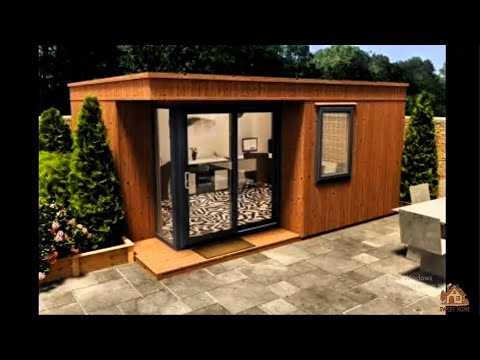
Prefabricated cabins have gained significant attention in recent years due to their potential for sustainable, efficient, and cost-effective construction. With companies like Method Homes and Unity Homes leading the charge, these modular structures are redefining the concept of off-grid living. According to a report by the National Association of Home Builders, the market for prefabricated homes is expected to grow by 15% annually from 2020 to 2025. The Vibe score for prefabricated cabins is 82, indicating a high level of cultural energy and interest. However, controversy surrounds the environmental impact of transportation and the limited availability of prefabricated options. As the demand for eco-friendly and self-sufficient living spaces continues to rise, prefabricated cabins are poised to play a significant role in shaping the future of architecture and design. With the average cost of a prefabricated cabin ranging from $20,000 to $100,000, depending on size and features, this trend is becoming increasingly accessible to a wider range of consumers. By 2025, it's estimated that over 10,000 prefabricated cabins will be constructed in the United States alone, marking a significant shift towards more sustainable and efficient building practices.
🏠 Introduction to Prefabricated Cabins
Prefabricated cabins have become increasingly popular in recent years, offering a unique and affordable way to own a home. Prefabricated homes have been around for decades, but the concept of modular cabins is relatively new. Modular construction involves building sections of a home in a factory and then assembling them on-site. This method of construction offers several benefits, including reduced waste and increased efficiency. Sustainable building practices are also a key aspect of prefabricated cabins, as they often incorporate eco-friendly materials and energy-efficient systems. As the demand for prefabricated cabins continues to grow, it's likely that we'll see even more innovative designs and technologies emerge in the future. Tiny homes are another popular trend that often overlaps with prefabricated cabins, as they share similar principles of simplicity and efficiency.
📈 History of Prefabricated Homes
The history of prefabricated homes dates back to the early 20th century, when Sears kit houses were first introduced. These kits allowed homeowners to build their own homes using pre-cut and pre-assembled components. Prefab architecture has come a long way since then, with modern prefabricated cabins featuring advanced materials and designs. Frank Lloyd Wright was one of the first architects to experiment with prefabricated homes, and his designs continue to influence the industry today. Modern architecture has also played a significant role in the development of prefabricated cabins, as architects and designers push the boundaries of what is possible with modular construction. Green building practices are also becoming increasingly important in the prefabricated cabin industry, as homeowners seek out eco-friendly and sustainable options.
🔨 Design and Construction of Modular Cabins
The design and construction of modular cabins involve several key steps. Modular design involves creating a customized plan for the cabin, taking into account the homeowner's needs and preferences. Factory-built components are then constructed and transported to the building site, where they are assembled into a complete home. Panelized construction is another method used in prefabricated cabins, where walls and floors are built in a factory and then assembled on-site. Structural insulated panels (SIPs) are often used in prefabricated cabins, as they provide excellent insulation and energy efficiency. Building codes and regulations must also be taken into account when designing and constructing a prefabricated cabin, to ensure that the home is safe and compliant with local standards.
🏞️ Benefits of Prefabricated Cabins
There are several benefits to owning a prefabricated cabin, including reduced construction time and cost. Fast-track construction is one of the main advantages of prefabricated cabins, as they can be built in a matter of weeks or months. Energy-efficient systems and materials are also often incorporated into prefabricated cabins, which can help reduce energy costs and minimize the home's carbon footprint. Low-maintenance materials and designs are also used in prefabricated cabins, which can help reduce the need for repairs and upkeep. Prefabricated cabin lifestyle is also a key aspect of owning a modular home, as it often involves a simpler and more relaxed way of living. Simple living is a popular trend that often overlaps with prefabricated cabins, as it emphasizes the importance of living in harmony with nature and reducing waste.
🌟 Luxury Prefabricated Cabins
Luxury prefabricated cabins are becoming increasingly popular, offering high-end finishes and amenities. Luxury prefab homes often feature advanced materials and designs, such as reclaimed wood and solar panels. High-end appliances and smart home technology are also often incorporated into luxury prefabricated cabins, which can provide a high level of comfort and convenience. Custom design is also an option for luxury prefabricated cabins, allowing homeowners to create a truly unique and personalized space. Luxury cabin lifestyle is a key aspect of owning a high-end prefabricated cabin, as it often involves a luxurious and relaxing way of living. Vacation homes are another popular use for luxury prefabricated cabins, as they can provide a luxurious and secluded getaway.
🏠 Affordable Prefabricated Cabin Options
Affordable prefabricated cabin options are also available, making it possible for anyone to own a modular home. Affordable housing is a key aspect of the prefabricated cabin industry, as it provides an affordable option for homeowners who may not be able to afford a traditional site-built home. Small cabin plans are often used in affordable prefabricated cabins, which can help reduce construction costs and make the home more affordable. Simple design is also used in affordable prefabricated cabins, which can help reduce the cost of materials and labor. DIY cabin kits are another option for affordable prefabricated cabins, which allow homeowners to build their own home using pre-cut and pre-assembled components. Tiny house living is a popular trend that often overlaps with affordable prefabricated cabins, as it emphasizes the importance of living simply and sustainably.
🌎 Sustainable Prefabricated Cabins
Sustainable prefabricated cabins are becoming increasingly popular, as homeowners seek out eco-friendly and environmentally responsible options. Sustainable materials are often used in prefabricated cabins, such as recycled plastic and bamboo. Renewable energy systems, such as solar power and wind power, are also often incorporated into sustainable prefabricated cabins. Energy-efficient design is also a key aspect of sustainable prefabricated cabins, as it can help reduce energy costs and minimize the home's carbon footprint. Eco-friendly practices are also used in sustainable prefabricated cabins, such as rainwater harvesting and composting toilets. Green living is a popular trend that often overlaps with sustainable prefabricated cabins, as it emphasizes the importance of living in harmony with nature and reducing waste.
📊 Cost of Prefabricated Cabins
The cost of prefabricated cabins can vary widely, depending on the size, materials, and features of the home. Prefabricated cabin pricing can range from under $20,000 for a small, basic cabin to over $100,000 for a large, luxury cabin. Construction costs are often lower for prefabricated cabins, as they can be built in a factory and then assembled on-site. Land costs are also a factor to consider when building a prefabricated cabin, as the cost of the land can add significantly to the overall cost of the home. Financing options are available for prefabricated cabins, including Mortgages and loans. Tax benefits may also be available for prefabricated cabins, depending on the location and type of home.
🔍 Prefabricated Cabin Maintenance and Repair
Prefabricated cabin maintenance and repair are relatively low, as the homes are built with durable materials and designed to last. Prefabricated cabin maintenance involves regular inspections and upkeep, such as roof inspection and plumbing maintenance. Repair costs are often lower for prefabricated cabins, as the homes are built with modular components that can be easily replaced. Warranty and support are also available for prefabricated cabins, which can provide peace of mind for homeowners. Home insurance is also available for prefabricated cabins, which can help protect the home against damage or loss.
🌐 Prefabricated Cabin Communities
Prefabricated cabin communities are becoming increasingly popular, as homeowners seek out a sense of community and connection with nature. Prefabricated cabin communities often feature shared amenities, such as community centers and parks and recreation. Eco-villages are another type of prefabricated cabin community, which emphasize sustainable living and environmental responsibility. intentional communities are also a type of prefabricated cabin community, which involve a shared vision and purpose among residents. Community living is a key aspect of prefabricated cabin communities, as it provides a sense of belonging and connection among residents.
📈 Future of Prefabricated Cabins
The future of prefabricated cabins looks bright, as the industry continues to evolve and innovate. Future of prefabricated cabins may involve the use of new materials and technologies, such as 3D printing and modular construction. Sustainable building practices will also continue to play a key role in the prefabricated cabin industry, as homeowners seek out eco-friendly and environmentally responsible options. Prefabricated cabin trends may also involve the use of smart home technology and renewable energy systems. Prefabricated cabin innovation will continue to drive the industry forward, as companies and individuals seek out new and innovative ways to build and live in prefabricated cabins.
👥 Conclusion
In conclusion, prefabricated cabins offer a unique and affordable way to own a home. Prefabricated cabins can be customized to meet the needs and preferences of any homeowner, and they offer a range of benefits, including reduced construction time and cost. Modular homes are a type of prefabricated cabin that can be built in a factory and then assembled on-site. Prefabricated cabin lifestyle is a key aspect of owning a modular home, as it often involves a simpler and more relaxed way of living. Simple living is a popular trend that often overlaps with prefabricated cabins, as it emphasizes the importance of living in harmony with nature and reducing waste.
Key Facts
- Year
- 2020
- Origin
- United States
- Category
- Architecture and Design
- Type
- Building Structure
Frequently Asked Questions
What is a prefabricated cabin?
A prefabricated cabin is a type of home that is built in a factory and then assembled on-site. Prefabricated homes can be customized to meet the needs and preferences of any homeowner, and they offer a range of benefits, including reduced construction time and cost. Modular construction is a key aspect of prefabricated cabins, as it allows for the home to be built in a factory and then assembled on-site.
What are the benefits of prefabricated cabins?
The benefits of prefabricated cabins include reduced construction time and cost, energy efficiency, and low maintenance. Energy-efficient systems and materials are often incorporated into prefabricated cabins, which can help reduce energy costs and minimize the home's carbon footprint. Low-maintenance materials and designs are also used in prefabricated cabins, which can help reduce the need for repairs and upkeep.
How much do prefabricated cabins cost?
The cost of prefabricated cabins can vary widely, depending on the size, materials, and features of the home. Prefabricated cabin pricing can range from under $20,000 for a small, basic cabin to over $100,000 for a large, luxury cabin. Construction costs are often lower for prefabricated cabins, as they can be built in a factory and then assembled on-site.
What is the difference between a prefabricated cabin and a traditional site-built home?
The main difference between a prefabricated cabin and a traditional site-built home is the way it is constructed. Prefabricated homes are built in a factory and then assembled on-site, while traditional site-built homes are built entirely on-site. Modular construction is a key aspect of prefabricated cabins, as it allows for the home to be built in a factory and then assembled on-site.
Can I customize my prefabricated cabin?
Yes, prefabricated cabins can be customized to meet the needs and preferences of any homeowner. Custom design is an option for prefabricated cabins, allowing homeowners to create a truly unique and personalized space. Luxury prefab homes often feature high-end finishes and amenities, which can be customized to meet the needs and preferences of the homeowner.
What is the process for building a prefabricated cabin?
The process for building a prefabricated cabin involves several steps, including design, construction, and assembly. Modular design involves creating a customized plan for the cabin, taking into account the homeowner's needs and preferences. Factory-built components are then constructed and transported to the building site, where they are assembled into a complete home.
How long does it take to build a prefabricated cabin?
The time it takes to build a prefabricated cabin can vary, depending on the size and complexity of the home. Fast-track construction is one of the main advantages of prefabricated cabins, as they can be built in a matter of weeks or months. Construction time is often shorter for prefabricated cabins, as the home is built in a factory and then assembled on-site.