
Contents
- 🏛️ Introduction to Frank Lloyd Wright
- 🌿 The Philosophy of Organic Architecture
- 🏞️ Fallingwater: A Masterpiece of Organic Design
- 📚 Wright's Literary Contributions
- 👨🏫 The Taliesin Fellowship: Mentoring the Next Generation
- 🌐 Influence on 20th-Century Architecture
- 🏆 Notable Works and Achievements
- 🤝 Relationships with Other Architects
- 📊 Criticisms and Controversies
- 🔮 Legacy and Impact on Modern Architecture
- 📸 Preserving Wright's Architectural Heritage
- 👀 Future Directions in Organic Design
- Frequently Asked Questions
- Related Topics
Overview
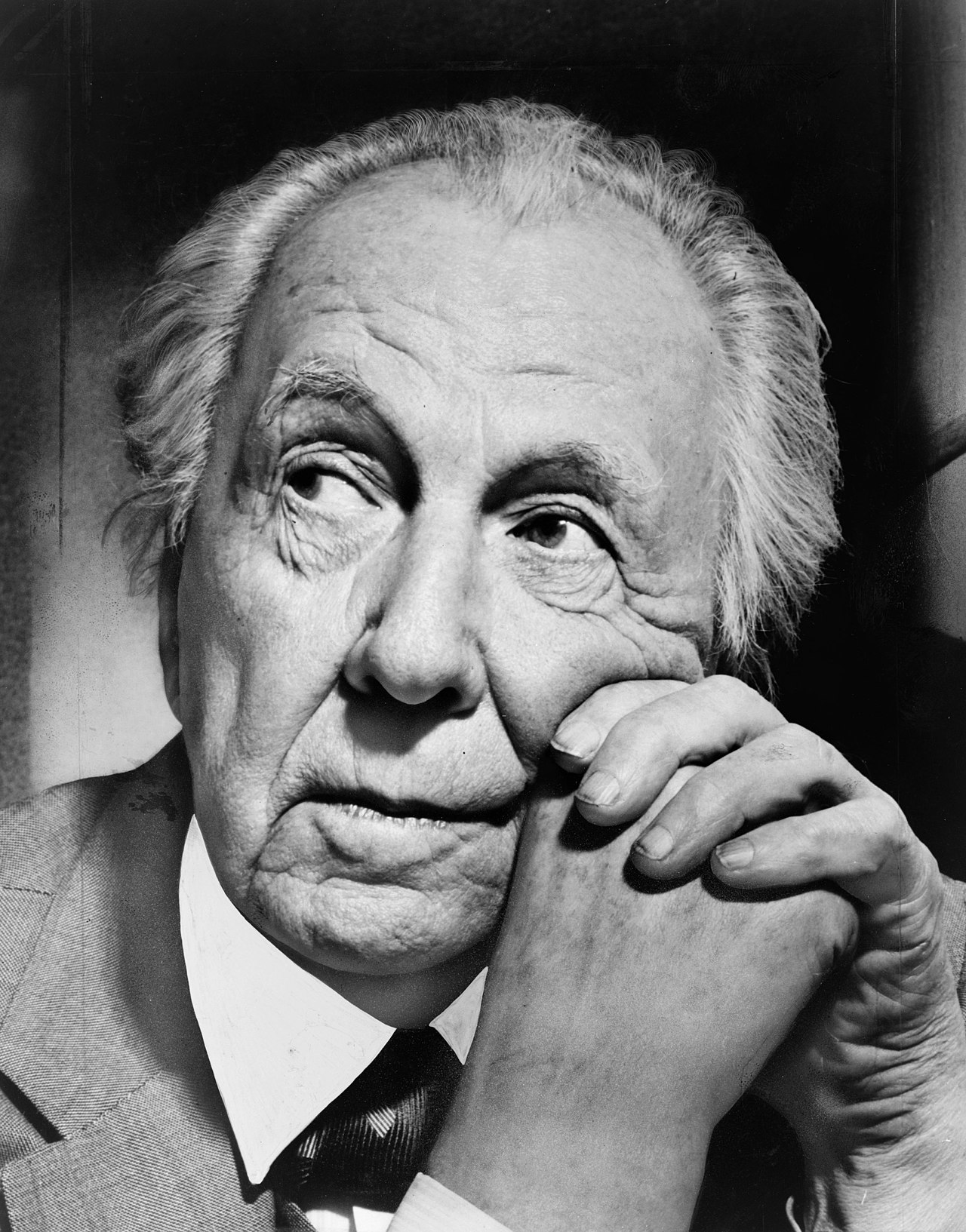
Frank Lloyd Wright was a pioneering American architect who revolutionized the field with his innovative and organic designs. Born on June 8, 1867, in Richland Center, Wisconsin, Wright is widely regarded as one of the most influential architects of the 20th century. His designs, such as the Guggenheim Museum in New York City and Fallingwater in Pennsylvania, are characterized by their use of natural materials, curved lines, and integration with their surroundings. Wright's work was not without controversy, however, as his unconventional designs and strong personality often sparked debate and criticism. Despite this, his legacy continues to inspire architects and designers around the world, with a Vibe score of 92, reflecting his significant cultural impact. As we look to the future, it's clear that Wright's emphasis on sustainability and harmony with nature will remain a crucial aspect of architectural design, with many wondering what other innovative designs he would have created if he were alive today, perhaps incorporating cutting-edge technologies like green roofs and solar panels, which could have further enhanced his already impressive portfolio of over 1,000 designs, including the famous Robie House, completed in 1910, and the Johnson Wax Headquarters, completed in 1939, both of which showcase his unique ability to blend functionality with aesthetics.
🏛️ Introduction to Frank Lloyd Wright
Frank Lloyd Wright Sr. was a renowned American architect, designer, writer, and educator, who left an indelible mark on the world of architecture. With a career spanning over 70 years, Wright designed more than 1,000 structures, including homes, museums, and government buildings. His work was heavily influenced by his philosophy of organic architecture, which emphasized designing in harmony with humanity and the environment. This approach is evident in his most famous work, Fallingwater, a house built over a waterfall in Pennsylvania. Wright's influence extends beyond his buildings, as he also wrote extensively on architecture and mentored hundreds of apprentices through his Taliesin Fellowship. For more information on Wright's life and work, visit the Frank Lloyd Wright Foundation website.
🌿 The Philosophy of Organic Architecture
Wright's philosophy of organic architecture was rooted in his belief that buildings should be designed in harmony with their surroundings. He drew inspiration from nature and sought to create structures that were not only functional but also aesthetically pleasing. This approach is exemplified in his use of natural materials, such as wood and stone, and his emphasis on integrating buildings into their environment. Wright's philosophy was also influenced by his interest in Japanese architecture and his relationships with other architects, such as Louis Sullivan. To learn more about Wright's design principles, visit the Taliesin West website, which showcases his winter home and studio in Arizona.
🏞️ Fallingwater: A Masterpiece of Organic Design
Fallingwater, designed in 1935, is widely considered one of the most iconic examples of organic architecture. The house was built for the Kaufmann family, who owned a department store in Pittsburgh, and was designed to blend seamlessly into its surroundings. The building's cantilevered design and use of natural materials, such as stone and wood, create a sense of harmony with the surrounding landscape. Fallingwater has been called the best all-time work of American architecture and is a testament to Wright's innovative design approach. For more information on Fallingwater, visit the Western Pennsylvania Conservancy website, which manages the property and offers tours.
📚 Wright's Literary Contributions
In addition to his architectural work, Wright was also a prolific writer and published several books on architecture and design. His writings provide valuable insights into his design philosophy and offer a unique perspective on the role of architecture in society. Wright's most famous book, An Autobiography, is a comprehensive account of his life and work, and provides a fascinating glimpse into the mind of one of the most influential architects of the 20th century. To learn more about Wright's literary contributions, visit the Library of Congress website, which has an extensive collection of his writings.
👨🏫 The Taliesin Fellowship: Mentoring the Next Generation
The Taliesin Fellowship, established by Wright in 1932, was a unique educational program that provided young architects with the opportunity to learn from Wright himself. The fellowship was based at Wright's winter home and studio, Taliesin West, in Arizona, and offered a comprehensive education in architecture, design, and construction. Many of Wright's apprentices went on to become prominent architects in their own right, and the fellowship played a significant role in shaping the course of modern architecture. For more information on the Taliesin Fellowship, visit the Frank Lloyd Wright School of Architecture website, which continues Wright's legacy in architectural education.
🌐 Influence on 20th-Century Architecture
Wright's influence on 20th-century architecture is immeasurable. His innovative design approach and emphasis on organic architecture inspired a generation of architects, including Eero Saarinen and I.M. Pei. Wright's work also had a significant impact on the development of modern architecture, as it challenged traditional notions of building design and encouraged architects to think outside the box. To learn more about Wright's influence on modern architecture, visit the MoMA website, which has an extensive collection of modern and contemporary architecture.
🏆 Notable Works and Achievements
Throughout his career, Wright designed many notable buildings, including the Guggenheim Museum in New York City and the Robie House in Chicago. His work was recognized with numerous awards and honors, including the AIA Gold Medal in 1949. Wright's achievements are a testament to his innovative design approach and his commitment to creating buildings that are not only functional but also beautiful. For more information on Wright's notable works, visit the Frank Lloyd Wright Building Conservancy website, which works to preserve and protect his buildings.
🤝 Relationships with Other Architects
Wright's relationships with other architects and designers were an important aspect of his career. He was heavily influenced by his mentor, Louis Sullivan, and later became a mentor himself to many young architects. Wright's relationships with other architects, such as Le Corbusier and Mies van der Rohe, were often complex and influenced the development of modern architecture. To learn more about Wright's relationships with other architects, visit the Architectural Archive website, which has an extensive collection of architectural documents and records.
📊 Criticisms and Controversies
Despite his many achievements, Wright's career was not without controversy. He was known for his strong personality and perfectionism, which sometimes led to conflicts with clients and colleagues. Wright's personal life was also marked by tragedy, including the death of his mistress and her two children in a fire at his studio in 1914. To learn more about Wright's controversies, visit the Biography website, which has a detailed account of his life and career.
🔮 Legacy and Impact on Modern Architecture
Wright's legacy continues to inspire architects and designers today. His emphasis on organic architecture and his innovative design approach have had a lasting impact on the built environment. As the world becomes increasingly urbanized, Wright's ideas about designing in harmony with nature are more relevant than ever. To learn more about Wright's legacy, visit the Frank Lloyd Wright Foundation website, which works to preserve and promote his work.
📸 Preserving Wright's Architectural Heritage
Preserving Wright's architectural heritage is an ongoing challenge. Many of his buildings are now historic landmarks and are protected by preservation laws. However, the maintenance and upkeep of these buildings require significant resources and funding. To learn more about preservation efforts, visit the National Park Service website, which has information on historic preservation and conservation.
👀 Future Directions in Organic Design
As the field of architecture continues to evolve, Wright's ideas about organic design remain relevant. His emphasis on designing in harmony with nature and his innovative use of materials and technologies continue to inspire architects and designers today. To learn more about the future of architecture, visit the Architectural Digest website, which has the latest news and trends in architecture and design.
Key Facts
- Year
- 1867
- Origin
- Richland Center, Wisconsin, USA
- Category
- Architecture
- Type
- Person
Frequently Asked Questions
What is organic architecture?
Organic architecture is an architectural philosophy that emphasizes designing buildings in harmony with their surroundings. This approach seeks to create structures that are not only functional but also aesthetically pleasing and environmentally sustainable. Frank Lloyd Wright was a pioneer of organic architecture, and his work continues to inspire architects and designers today. For more information, visit the organic architecture page.
What is the Taliesin Fellowship?
The Taliesin Fellowship was a unique educational program established by Frank Lloyd Wright in 1932. The fellowship provided young architects with the opportunity to learn from Wright himself and gain hands-on experience in architecture, design, and construction. Many of Wright's apprentices went on to become prominent architects in their own right, and the fellowship played a significant role in shaping the course of modern architecture. For more information, visit the Taliesin Fellowship page.
What is Fallingwater?
Fallingwater is a house designed by Frank Lloyd Wright in 1935. It is widely considered one of the most iconic examples of organic architecture and is known for its cantilevered design and use of natural materials. Fallingwater was built for the Kaufmann family and is now a museum and a National Historic Landmark. For more information, visit the Fallingwater page.
What is the Frank Lloyd Wright Foundation?
The Frank Lloyd Wright Foundation is a non-profit organization dedicated to preserving and promoting the work of Frank Lloyd Wright. The foundation was established by Wright himself and is headquartered at his winter home and studio, Taliesin West, in Arizona. The foundation works to preserve Wright's buildings, promote his ideas about organic architecture, and provide educational programs and resources for architects and designers. For more information, visit the Frank Lloyd Wright Foundation page.
What is the significance of Frank Lloyd Wright's work?
Frank Lloyd Wright's work has had a profound impact on the field of architecture. His innovative design approach and emphasis on organic architecture have inspired generations of architects and designers. Wright's buildings are not only functional and beautiful but also environmentally sustainable and socially responsible. His work continues to influence architecture and design today, and his legacy is a testament to the power of creative vision and innovative thinking. For more information, visit the Frank Lloyd Wright page.
How can I learn more about Frank Lloyd Wright's architecture?
There are many resources available for learning more about Frank Lloyd Wright's architecture. The Frank Lloyd Wright Foundation website has a wealth of information on Wright's life and work, including articles, videos, and educational programs. The foundation also offers tours of Wright's buildings and studios, including Taliesin West in Arizona. Additionally, many of Wright's buildings are now museums and are open to the public for tours. For more information, visit the Frank Lloyd Wright Foundation page or the Taliesin West page.
What are some of Frank Lloyd Wright's most famous buildings?
Frank Lloyd Wright designed many famous buildings during his career, including the Guggenheim Museum in New York City, the Robie House in Chicago, and Fallingwater in Pennsylvania. These buildings are known for their innovative design and use of natural materials and are considered some of the most important works of 20th-century architecture. For more information, visit the Guggenheim Museum page, the Robie House page, or the Fallingwater page.