
Contents
- 🎵 Introduction to Synthesizers
- 🔍 History of Synthesizers
- 🎹 Subtractive Synthesis
- 📈 Additive Synthesis
- 🔀 Frequency Modulation Synthesis
- 🎧 Filters and Envelopes
- 🔄 Low-Frequency Oscillators
- 📊 MIDI and Sequencing
- 👥 Pioneers of Electronic Sound
- 🔮 Modern Synthesizers
- 🎶 Applications of Synthesizers
- 📊 Future of Synthesizers
- Frequently Asked Questions
- Related Topics
Overview
Synthesizers have been a cornerstone of electronic music since the 1960s, with pioneers like Robert Moog and Don Buchla pushing the boundaries of sound creation. The first commercial synthesizer, the Moog Modular, was released in 1967 and quickly gained popularity among musicians like Keith Emerson and Tangerine Dream. With the advent of digital technology, synthesizers became more accessible and affordable, leading to a proliferation of electronic music genres in the 1980s. Today, software synthesizers like Serum and Massive have democratized sound design, allowing producers to create complex textures and timbres. However, the rise of virtual instruments has also sparked debates about authenticity and the role of human musicianship in electronic music. As the music technology landscape continues to evolve, one thing is certain: synthesizers will remain a vital component of electronic music production, with innovators like Aphex Twin and Flying Lotus continually pushing the boundaries of what is possible.
🎵 Introduction to Synthesizers
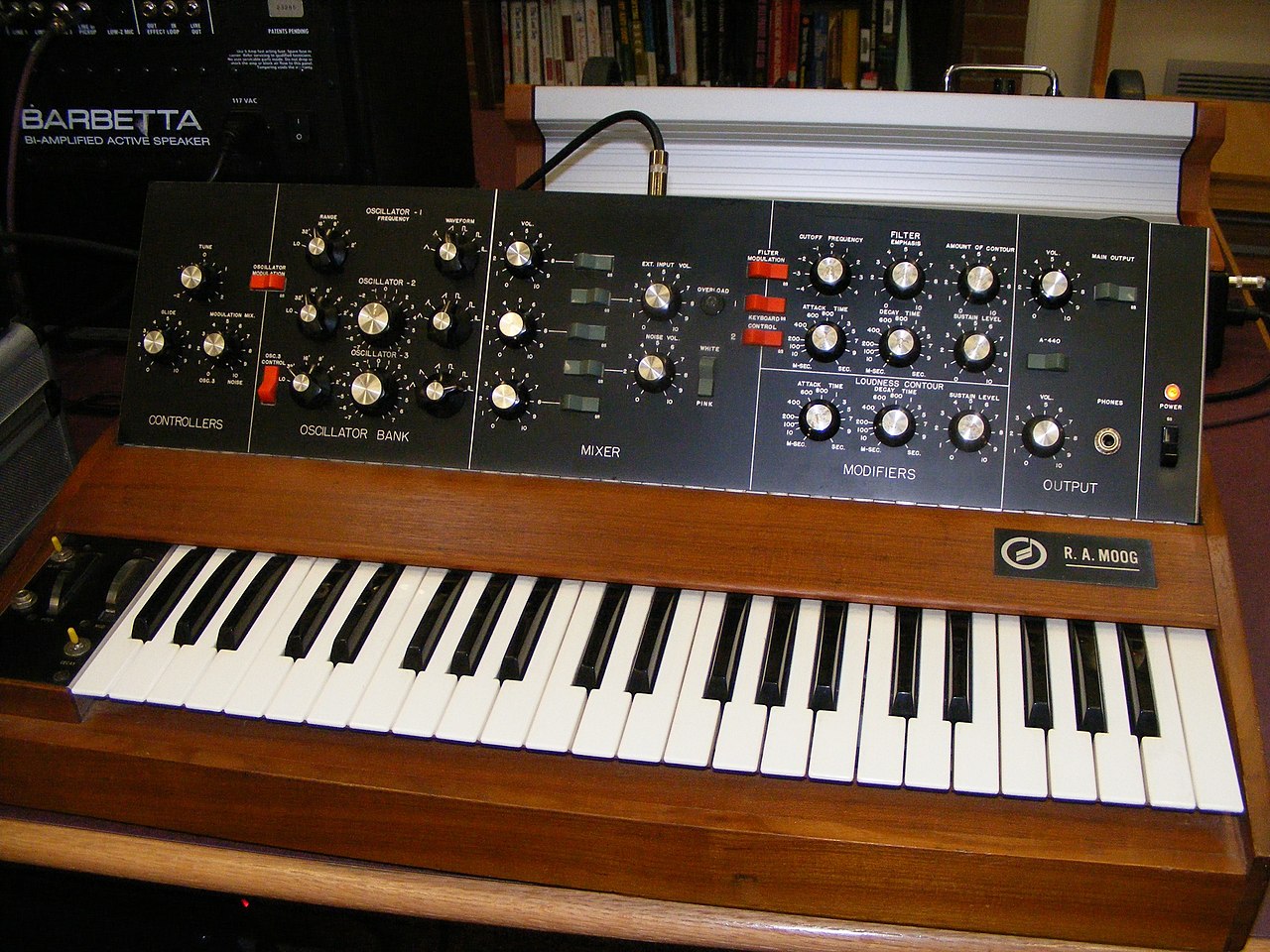
The world of music technology has been revolutionized by the invention of Synthesizers, which are electronic musical instruments that generate audio signals. These instruments have been a crucial part of the music industry for decades, and their evolution has been shaped by the contributions of many pioneers, including Robert Moog and Don Buchla. Synthesizers typically create sounds by generating waveforms through methods including Subtractive Synthesis, Additive Synthesis, and Frequency Modulation Synthesis. For example, the Minimoog synthesizer, introduced in the 1970s, was one of the first commercially available synthesizers and used subtractive synthesis to create its distinctive sound. The Moog Modular synthesizer, on the other hand, was a highly customizable instrument that allowed musicians to create complex sounds using a variety of modules.
🔍 History of Synthesizers
The history of Synthesizers dates back to the early 20th century, when Leon Theremin invented the Theremin, one of the first electronic musical instruments. The development of synthesizers was further advanced by the work of Voltage-Controlled Oscillator (VCO) inventors, such as Robert Moog. The introduction of the Minimoog in the 1970s marked a significant milestone in the history of synthesizers, as it was one of the first portable and affordable synthesizers. The Minimoog was widely used by musicians such as Kraftwerk and Tangerine Dream, who were among the first to popularize the use of synthesizers in music. The Minimoog's impact on the music industry was significant, with many musicians using it to create new and innovative sounds.
🎹 Subtractive Synthesis
Subtractive synthesis is a method of sound generation that involves filtering a waveform to remove unwanted frequencies. This technique is commonly used in Analog Synthesizers, such as the Minimoog. The process of subtractive synthesis involves generating a waveform, such as a sawtooth or square wave, and then passing it through a Low-Pass Filter to remove high-frequency components. The resulting sound is then shaped by an Envelope Generator, which controls the attack, decay, sustain, and release (ADSR) of the sound. For example, the Minimoog's filter section allows musicians to adjust the cutoff frequency and resonance of the filter, creating a wide range of tonal possibilities. The Minimoog's filter was widely used by musicians such as Kraftwerk and Tangerine Dream, who used it to create distinctive and innovative sounds.
📈 Additive Synthesis
Additive synthesis, on the other hand, is a method of sound generation that involves adding together multiple waveforms to create a new sound. This technique is commonly used in Digital Synthesizers, such as the Korg M1. The process of additive synthesis involves generating multiple waveforms, such as sine waves, and then adding them together to create a new sound. The resulting sound is then shaped by a Digital Signal Processor, which can apply various effects, such as reverb and delay. For example, the Korg M1's additive synthesis engine allows musicians to create complex and detailed sounds using a variety of waveforms and effects. The Korg M1 was widely used by musicians such as Depeche Mode and The Cure, who used it to create distinctive and innovative sounds.
🔀 Frequency Modulation Synthesis
Frequency modulation synthesis is a method of sound generation that involves modulating the frequency of one waveform with another waveform. This technique is commonly used in FM Synthesizers, such as the Yamaha DX7. The process of frequency modulation synthesis involves generating two waveforms, such as sine waves, and then using one waveform to modulate the frequency of the other waveform. The resulting sound is then shaped by a Digital Signal Processor, which can apply various effects, such as reverb and delay. For example, the Yamaha DX7's frequency modulation synthesis engine allows musicians to create complex and detailed sounds using a variety of waveforms and effects. The Yamaha DX7 was widely used by musicians such as Jean-Michel Jarre and Vangelis, who used it to create distinctive and innovative sounds.
🎧 Filters and Envelopes
Filters and envelopes are essential components of a synthesizer, as they allow musicians to shape and control the sound. A Low-Pass Filter can be used to remove high-frequency components from a sound, while a High-Pass Filter can be used to remove low-frequency components. An Envelope Generator can be used to control the attack, decay, sustain, and release (ADSR) of a sound, allowing musicians to create dynamic and expressive sounds. For example, the Minimoog's filter section allows musicians to adjust the cutoff frequency and resonance of the filter, creating a wide range of tonal possibilities. The Minimoog's envelope generator allows musicians to control the attack, decay, sustain, and release of the sound, creating a wide range of dynamic possibilities.
🔄 Low-Frequency Oscillators
Low-frequency oscillators (LFOs) are another important component of a synthesizer, as they allow musicians to modulate parameters such as pitch, volume, or filter characteristics. An LFO can be used to create subtle variations in a sound, such as a slight pitch wobble or a gradual change in filter cutoff. For example, the Minimoog's LFO allows musicians to modulate the pitch, volume, or filter cutoff of the sound, creating a wide range of tonal possibilities. The Minimoog's LFO was widely used by musicians such as Kraftwerk and Tangerine Dream, who used it to create distinctive and innovative sounds.
📊 MIDI and Sequencing
MIDI (Musical Instrument Digital Interface) is a protocol that allows synthesizers to be controlled by other instruments or computers. MIDI allows musicians to synchronize their synthesizers with other equipment, such as drum machines or sequencers, and to control multiple synthesizers from a single keyboard. For example, the Minimoog can be controlled by a MIDI keyboard, allowing musicians to play the synthesizer from a remote location. The Minimoog's MIDI implementation also allows musicians to control the synthesizer's parameters, such as filter cutoff and resonance, using a MIDI controller.
👥 Pioneers of Electronic Sound
The pioneers of electronic sound, such as Robert Moog and Don Buchla, have had a profound influence on the development of music technology. Their innovations have inspired generations of musicians and producers, and their legacy can be heard in a wide range of musical genres, from Electronic Music to Rock Music. For example, the Minimoog was widely used by musicians such as Kraftwerk and Tangerine Dream, who used it to create distinctive and innovative sounds. The Minimoog's impact on the music industry was significant, with many musicians using it to create new and innovative sounds.
🔮 Modern Synthesizers
Modern synthesizers, such as the Korg Minilogue and the Arturia MicroFreak, offer a wide range of features and capabilities, including Analog Modeling and Digital Signal Processing. These instruments allow musicians to create complex and detailed sounds, and to control their synthesizers using a variety of interfaces, including MIDI and USB. For example, the Korg Minilogue's analog modeling engine allows musicians to create complex and detailed sounds using a variety of waveforms and effects. The Arturia MicroFreak's digital signal processing engine allows musicians to create complex and detailed sounds using a variety of algorithms and effects.
🎶 Applications of Synthesizers
Synthesizers have a wide range of applications, from Music Production to Live Performance. They are used by musicians and producers to create new and innovative sounds, and to control their instruments using a variety of interfaces. For example, the Minimoog was widely used by musicians such as Kraftwerk and Tangerine Dream, who used it to create distinctive and innovative sounds. The Minimoog's impact on the music industry was significant, with many musicians using it to create new and innovative sounds.
📊 Future of Synthesizers
The future of synthesizers is likely to be shaped by advances in technology, such as Artificial Intelligence and Machine Learning. These technologies will allow musicians to create new and innovative sounds, and to control their instruments using a variety of interfaces. For example, the Korg Minilogue's analog modeling engine allows musicians to create complex and detailed sounds using a variety of waveforms and effects. The Arturia MicroFreak's digital signal processing engine allows musicians to create complex and detailed sounds using a variety of algorithms and effects.
Key Facts
- Year
- 1967
- Origin
- United States
- Category
- Music Technology
- Type
- Music Instrument
Frequently Asked Questions
What is a synthesizer?
A synthesizer is an electronic musical instrument that generates audio signals. Synthesizers typically create sounds by generating waveforms through methods including subtractive synthesis, additive synthesis, and frequency modulation synthesis. These sounds may be altered by components such as filters, which cut or boost frequencies; envelopes, which control articulation, or how notes begin and end; and low-frequency oscillators, which modulate parameters such as pitch, volume, or filter characteristics affecting timbre. For example, the Minimoog synthesizer uses subtractive synthesis to create its distinctive sound.
What is the difference between an analog and digital synthesizer?
Analog synthesizers use analog circuits to generate sound, while digital synthesizers use digital signal processing to generate sound. Analog synthesizers are known for their warm and rich sound, while digital synthesizers are known for their clarity and precision. For example, the Minimoog is an analog synthesizer, while the Korg M1 is a digital synthesizer.
What is MIDI?
MIDI (Musical Instrument Digital Interface) is a protocol that allows synthesizers to be controlled by other instruments or computers. MIDI allows musicians to synchronize their synthesizers with other equipment, such as drum machines or sequencers, and to control multiple synthesizers from a single keyboard. For example, the Minimoog can be controlled by a MIDI keyboard, allowing musicians to play the synthesizer from a remote location.
What is the role of a filter in a synthesizer?
A filter in a synthesizer is used to remove unwanted frequencies from a sound. Filters can be used to create a wide range of tonal possibilities, from bright and piercing sounds to dark and muted sounds. For example, the Minimoog's filter section allows musicians to adjust the cutoff frequency and resonance of the filter, creating a wide range of tonal possibilities.
What is the role of an envelope generator in a synthesizer?
An envelope generator in a synthesizer is used to control the attack, decay, sustain, and release (ADSR) of a sound. Envelope generators allow musicians to create dynamic and expressive sounds, and to control the way a sound changes over time. For example, the Minimoog's envelope generator allows musicians to control the attack, decay, sustain, and release of the sound, creating a wide range of dynamic possibilities.
What is the future of synthesizers?
The future of synthesizers is likely to be shaped by advances in technology, such as Artificial Intelligence and Machine Learning. These technologies will allow musicians to create new and innovative sounds, and to control their instruments using a variety of interfaces. For example, the Korg Minilogue's analog modeling engine allows musicians to create complex and detailed sounds using a variety of waveforms and effects.
Who are some notable pioneers of electronic sound?
Some notable pioneers of electronic sound include Robert Moog and Don Buchla. These individuals have had a profound influence on the development of music technology, and their innovations have inspired generations of musicians and producers. For example, the Minimoog synthesizer, introduced in the 1970s, was one of the first commercially available synthesizers and used subtractive synthesis to create its distinctive sound.