
Contents
- 🚦 Introduction to Traffic Signal Priority
- 📈 History of Traffic Signal Priority
- 🚗 Benefits of Traffic Signal Priority
- 🚧 Challenges in Implementing Traffic Signal Priority
- 📊 Technology Behind Traffic Signal Priority
- 👥 Stakeholders Involved in Traffic Signal Priority
- 🚲 Impact on Public Transportation
- 🚴♀️ Impact on Cyclists and Pedestrians
- 📊 Economic Benefits of Traffic Signal Priority
- 🌎 Global Examples of Traffic Signal Priority
- 🤔 Future of Traffic Signal Priority
- Frequently Asked Questions
- Related Topics
Overview
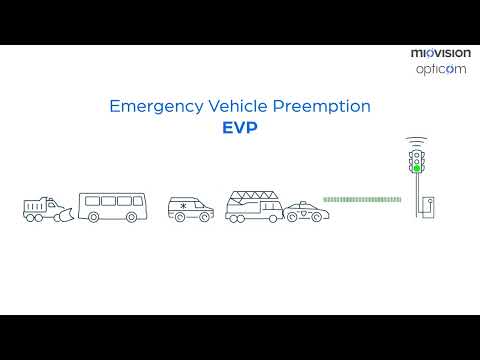
Traffic signal priority is a system that allows certain vehicles, such as public transportation buses or emergency vehicles, to receive priority at traffic signals. This is achieved through the use of specialized equipment and communication systems that allow the vehicles to communicate with the traffic signals. The goal of traffic signal priority is to improve the efficiency and safety of traffic flow, while also reducing traffic congestion and air pollution. For example, the city of London has implemented a traffic signal priority system for its bus rapid transit system, resulting in a significant reduction in travel times. Additionally, the use of intelligent transportation systems has enabled real-time monitoring and optimization of traffic signal priority systems.
📈 History of Traffic Signal Priority
The history of traffic signal priority dates back to the 1960s, when the first traffic signal priority systems were developed in the United States. These early systems used simple radio communication systems to allow emergency vehicles to preempt traffic signals. Over the years, the technology has evolved to include more advanced communication systems, such as cellular networks and dedicated short-range communication. Today, traffic signal priority systems are used in cities around the world, including Tokyo, New York City, and Paris. The development of smart traffic management systems has also played a crucial role in the evolution of traffic signal priority. Furthermore, the use of data analytics has enabled cities to optimize their traffic signal priority systems and reduce traffic congestion.
🚗 Benefits of Traffic Signal Priority
The benefits of traffic signal priority are numerous. For example, it can improve the efficiency of public transportation systems by reducing travel times and increasing the reliability of schedules. It can also improve safety by reducing the risk of accidents caused by traffic congestion. Additionally, traffic signal priority can reduce air pollution by reducing the amount of time that vehicles spend idling at traffic signals. The city of Copenhagen has implemented a traffic signal priority system that has resulted in a significant reduction in greenhouse gas emissions. Moreover, the use of electric vehicles in conjunction with traffic signal priority systems can further reduce air pollution. The benefits of traffic signal priority also extend to emergency vehicles, which can respond to emergencies more quickly and safely.
🚧 Challenges in Implementing Traffic Signal Priority
Despite the benefits of traffic signal priority, there are also challenges in implementing these systems. For example, the installation of traffic signal priority equipment can be expensive and require significant infrastructure upgrades. Additionally, the coordination of traffic signal priority systems with other traffic management systems can be complex and require significant planning and coordination. The city of Los Angeles has faced challenges in implementing its traffic signal priority system, including the need to upgrade its communication systems and traffic signal infrastructure. However, the use of cloud computing and internet of things technologies has made it easier to implement and manage traffic signal priority systems. Furthermore, the development of artificial intelligence and machine learning algorithms has enabled real-time optimization of traffic signal priority systems.
📊 Technology Behind Traffic Signal Priority
The technology behind traffic signal priority is based on the use of specialized equipment and communication systems. This equipment can include radio transceivers, cellular modems, and dedicated short-range communication systems. The communication systems used in traffic signal priority can include wireless local area networks, cellular networks, and fiber optic networks. The city of Singapore has implemented a traffic signal priority system that uses a combination of wireless local area networks and cellular networks to communicate with traffic signals. Additionally, the use of data analytics and cloud computing has enabled real-time monitoring and optimization of traffic signal priority systems. The development of internet of things technologies has also played a crucial role in the evolution of traffic signal priority systems.
👥 Stakeholders Involved in Traffic Signal Priority
There are several stakeholders involved in traffic signal priority, including city governments, public transportation agencies, emergency services, and private companies. City governments are responsible for implementing and maintaining traffic signal priority systems, while public transportation agencies are responsible for operating the vehicles that use these systems. Emergency services, such as fire departments and police departments, also use traffic signal priority systems to respond to emergencies. Private companies, such as technology companies, play a crucial role in developing and implementing the technology used in traffic signal priority systems. The city of New York City has partnered with private companies to develop and implement its traffic signal priority system. Furthermore, the use of public-private partnerships has enabled cities to leverage private sector expertise and funding to implement traffic signal priority systems.
🚲 Impact on Public Transportation
Traffic signal priority can have a significant impact on public transportation systems. By reducing travel times and increasing the reliability of schedules, traffic signal priority can improve the efficiency and attractiveness of public transportation. This can lead to an increase in public transportation usage and a reduction in traffic congestion. The city of Vancouver has implemented a traffic signal priority system that has resulted in a significant increase in public transportation usage. Additionally, the use of real-time information systems can enable public transportation agencies to optimize their routes and schedules in real-time. The development of mobility as a service platforms has also enabled public transportation agencies to integrate their services with other modes of transportation, such as ride hailing and car sharing.
🚴♀️ Impact on Cyclists and Pedestrians
Traffic signal priority can also have an impact on cyclists and pedestrians. By reducing traffic congestion and improving the safety of traffic flow, traffic signal priority can make it easier and safer for cyclists and pedestrians to navigate urban areas. The city of Copenhagen has implemented a traffic signal priority system that gives priority to cyclists and pedestrians at certain intersections. Additionally, the use of smart traffic management systems can enable cities to optimize their traffic signal priority systems to minimize the impact on cyclists and pedestrians. The development of smart bike lanes and smart pedestrian crossings has also enabled cities to improve the safety and efficiency of cycling and walking infrastructure.
📊 Economic Benefits of Traffic Signal Priority
The economic benefits of traffic signal priority are significant. By reducing traffic congestion and improving the efficiency of traffic flow, traffic signal priority can reduce the economic costs of traffic congestion, such as lost productivity and increased fuel consumption. The city of Tokyo has estimated that its traffic signal priority system has resulted in a significant reduction in lost productivity and increased fuel consumption. Additionally, the use of data analytics and cloud computing has enabled cities to optimize their traffic signal priority systems and reduce traffic congestion. The development of smart cities initiatives has also enabled cities to leverage traffic signal priority systems as part of a broader strategy to improve the efficiency and sustainability of urban transportation systems.
🌎 Global Examples of Traffic Signal Priority
There are many global examples of traffic signal priority systems. The city of London has implemented a traffic signal priority system that gives priority to public transportation buses and emergency vehicles. The city of Singapore has implemented a traffic signal priority system that uses a combination of wireless local area networks and cellular networks to communicate with traffic signals. The city of New York City has implemented a traffic signal priority system that gives priority to public transportation buses and emergency vehicles. These systems have resulted in significant reductions in traffic congestion and air pollution. Furthermore, the use of international cooperation has enabled cities to share best practices and expertise in the development and implementation of traffic signal priority systems.
🤔 Future of Traffic Signal Priority
The future of traffic signal priority is likely to involve the use of more advanced communication systems and data analytics. The development of 5G networks and internet of things technologies is expected to enable the creation of more advanced traffic signal priority systems that can optimize traffic flow in real-time. The use of artificial intelligence and machine learning algorithms is also expected to play a crucial role in the development of more advanced traffic signal priority systems. The city of Barcelona has launched a smart city initiative that includes the development of a traffic signal priority system that uses 5G networks and artificial intelligence to optimize traffic flow. Additionally, the use of electric vehicles and autonomous vehicles is expected to further reduce traffic congestion and air pollution in urban areas.
Key Facts
- Year
- 2020
- Origin
- First implemented in the 1960s, with modern advancements emerging in the 2010s
- Category
- Transportation
- Type
- Concept
Frequently Asked Questions
What is traffic signal priority?
Traffic signal priority is a system that allows certain vehicles, such as public transportation buses or emergency vehicles, to receive priority at traffic signals. This is achieved through the use of specialized equipment and communication systems that allow the vehicles to communicate with the traffic signals. The goal of traffic signal priority is to improve the efficiency and safety of traffic flow, while also reducing traffic congestion and air pollution. For example, the city of London has implemented a traffic signal priority system for its bus rapid transit system, resulting in a significant reduction in travel times. Additionally, the use of intelligent transportation systems has enabled real-time monitoring and optimization of traffic signal priority systems.
How does traffic signal priority work?
Traffic signal priority works by using specialized equipment and communication systems to allow certain vehicles to communicate with traffic signals. This equipment can include radio transceivers, cellular modems, and dedicated short-range communication systems. The communication systems used in traffic signal priority can include wireless local area networks, cellular networks, and fiber optic networks. The city of Singapore has implemented a traffic signal priority system that uses a combination of wireless local area networks and cellular networks to communicate with traffic signals. Additionally, the use of data analytics and cloud computing has enabled cities to optimize their traffic signal priority systems and reduce traffic congestion.
What are the benefits of traffic signal priority?
The benefits of traffic signal priority are numerous. For example, it can improve the efficiency of public transportation systems by reducing travel times and increasing the reliability of schedules. It can also improve safety by reducing the risk of accidents caused by traffic congestion. Additionally, traffic signal priority can reduce air pollution by reducing the amount of time that vehicles spend idling at traffic signals. The city of Copenhagen has implemented a traffic signal priority system that has resulted in a significant reduction in greenhouse gas emissions. Moreover, the use of electric vehicles in conjunction with traffic signal priority systems can further reduce air pollution.
What are the challenges in implementing traffic signal priority?
Despite the benefits of traffic signal priority, there are also challenges in implementing these systems. For example, the installation of traffic signal priority equipment can be expensive and require significant infrastructure upgrades. Additionally, the coordination of traffic signal priority systems with other traffic management systems can be complex and require significant planning and coordination. The city of Los Angeles has faced challenges in implementing its traffic signal priority system, including the need to upgrade its communication systems and traffic signal infrastructure. However, the use of cloud computing and internet of things technologies has made it easier to implement and manage traffic signal priority systems.
What is the future of traffic signal priority?
The future of traffic signal priority is likely to involve the use of more advanced communication systems and data analytics. The development of 5G networks and internet of things technologies is expected to enable the creation of more advanced traffic signal priority systems that can optimize traffic flow in real-time. The use of artificial intelligence and machine learning algorithms is also expected to play a crucial role in the development of more advanced traffic signal priority systems. The city of Barcelona has launched a smart city initiative that includes the development of a traffic signal priority system that uses 5G networks and artificial intelligence to optimize traffic flow. Additionally, the use of electric vehicles and autonomous vehicles is expected to further reduce traffic congestion and air pollution in urban areas.
How can traffic signal priority be used to improve public transportation?
Traffic signal priority can be used to improve public transportation by reducing travel times and increasing the reliability of schedules. This can be achieved by giving priority to public transportation vehicles at traffic signals, allowing them to move more quickly and efficiently through the city. The city of Vancouver has implemented a traffic signal priority system that has resulted in a significant increase in public transportation usage. Additionally, the use of real-time information systems can enable public transportation agencies to optimize their routes and schedules in real-time. The development of mobility as a service platforms has also enabled public transportation agencies to integrate their services with other modes of transportation, such as ride hailing and car sharing.
How can traffic signal priority be used to improve safety?
Traffic signal priority can be used to improve safety by reducing the risk of accidents caused by traffic congestion. This can be achieved by giving priority to emergency vehicles, such as fire trucks and ambulances, allowing them to respond to emergencies more quickly and safely. The city of New York City has implemented a traffic signal priority system that gives priority to emergency vehicles, resulting in a significant reduction in response times. Additionally, the use of smart traffic management systems can enable cities to optimize their traffic signal priority systems to minimize the impact on cyclists and pedestrians. The development of smart bike lanes and smart pedestrian crossings has also enabled cities to improve the safety and efficiency of cycling and walking infrastructure.