
Contents
- 🍴 Introduction to European Cuisine
- 🌍 Geographical Influences on European Cuisine
- 🍝 Italian Cuisine: A Cornerstone of European Flavors
- 🍽 French Cuisine: The Epitome of Fine Dining
- 🌶 Spanish Cuisine: A Fusion of Flavors
- 🍜 German Cuisine: Hearty and Comforting
- 🥘 British Cuisine: A Blend of Traditions
- 🍴 Eastern European Cuisine: A Treasure Trove of Flavors
- 👨🍳 The Role of Chefs in Shaping European Cuisine
- 📚 The Evolution of European Cuisine: A Historical Perspective
- 🤝 The Future of European Cuisine: Trends and Innovations
- 👫 European Cuisine: A Cultural Exchange
- Frequently Asked Questions
- Related Topics
Overview
European cuisine is a rich and diverse tapestry of flavors, with a history that spans thousands of years. From the Italian cuisine of the Mediterranean to the French cuisine of Western Europe, each country has its own unique culinary traditions. The European Union has played a significant role in promoting the diversity of European cuisine, with initiatives such as the European Cuisine Day. The food and drink industry is a significant contributor to the European economy, with many restaurants and bars serving traditional European dishes. The culinary arts are also an important part of European culture, with many cooking schools and culinary institutes offering training in traditional European cooking techniques.
🌍 Geographical Influences on European Cuisine
The geographical location of Europe has had a significant impact on the development of its cuisine. The Mediterranean diet, which is characterized by the use of olive oil, garlic, and lemon, is a staple of Greek cuisine and Turkish cuisine. The Alpine region is known for its hearty meat dishes, such as schnitzel and sausages. The Baltic region is famous for its seafood, particularly salmon and herring. The European cuisine is also influenced by the climate and agriculture of the region, with many farmers' markets and food festivals celebrating the local produce.
🍝 Italian Cuisine: A Cornerstone of European Flavors
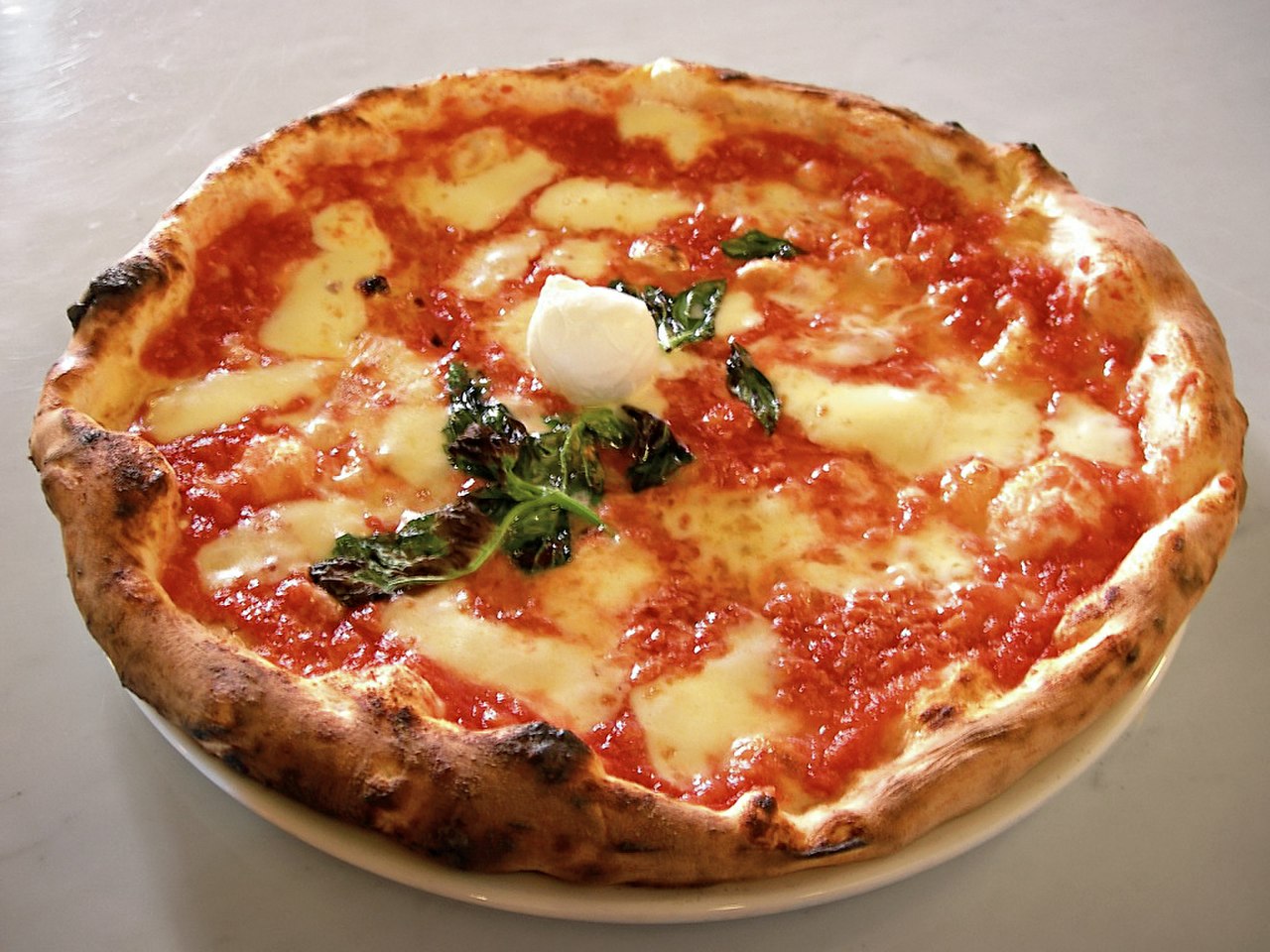
Italian cuisine is one of the most popular and influential cuisines in Europe. It is characterized by the use of pasta, pizza, and risotto, as well as a variety of cheeses and cured meats. The Italian cuisine is also known for its regional cuisine, with Tuscan cuisine and Venetian cuisine being two of the most well-known. The Italian food is often associated with the Mediterranean diet, which is characterized by the use of olive oil, garlic, and lemon. The Italian culture is also famous for its wine, with many wine regions producing high-quality wine.
🍽 French Cuisine: The Epitome of Fine Dining
French cuisine is renowned for its sophistication and elegance. It is characterized by the use of butter, cream, and eggs, as well as a variety of cheeses and cured meats. The French cuisine is also known for its haute cuisine, which is characterized by the use of fine ingredients and complex cooking techniques. The French food is often associated with the fine dining experience, with many Michelin-starred restaurants serving traditional French dishes. The French culture is also famous for its wine, with many wine regions producing high-quality wine.
🌶 Spanish Cuisine: A Fusion of Flavors
Spanish cuisine is a fusion of flavors, with a mix of Mediterranean diet and Latin American cuisine. It is characterized by the use of olive oil, garlic, and lemon, as well as a variety of seafood and meat dishes. The Spanish cuisine is also known for its tapas, which are small plates of food that are often served in bars and restaurants. The Spanish food is often associated with the fiesta culture, with many food festivals and wine festivals celebrating the local cuisine. The Spanish culture is also famous for its flamenco music and dance.
🍜 German Cuisine: Hearty and Comforting
German cuisine is hearty and comforting, with a focus on meat dishes and starchy side dishes. It is characterized by the use of pork, beef, and chicken, as well as a variety of sausages and cured meats. The German cuisine is also known for its beer, with many breweries producing high-quality beer. The German food is often associated with the Oktoberfest culture, with many food festivals and beer festivals celebrating the local cuisine. The German culture is also famous for its Christmas markets and New Year celebrations.
🥘 British Cuisine: A Blend of Traditions
British cuisine is a blend of traditions, with a mix of English cuisine, Scottish cuisine, and Welsh cuisine. It is characterized by the use of meat dishes, fish and chips, and full English breakfast. The British cuisine is also known for its afternoon tea, which is a traditional tea-drinking ceremony that is often accompanied by cakes and sandwiches. The British food is often associated with the pub culture, with many pubs serving traditional British dishes. The British culture is also famous for its football and cricket.
🍴 Eastern European Cuisine: A Treasure Trove of Flavors
Eastern European cuisine is a treasure trove of flavors, with a mix of Russian cuisine, Polish cuisine, and Hungarian cuisine. It is characterized by the use of pierogi, dumplings, and goulash, as well as a variety of meat dishes and starchy side dishes. The Eastern European cuisine is also known for its vodka, with many distilleries producing high-quality vodka. The Eastern European food is often associated with the winter culture, with many food festivals and winter markets celebrating the local cuisine. The Eastern European culture is also famous for its folk music and dance.
👨🍳 The Role of Chefs in Shaping European Cuisine
The role of chefs in shaping European cuisine is significant, with many famous chefs contributing to the development of new cuisine and cooking techniques. The chef is not only a cook but also an artist, with many restaurants and catering companies offering culinary experiences that are both delicious and visually appealing. The culinary arts are also an important part of European culture, with many cooking schools and culinary institutes offering training in traditional European cooking techniques. The food and drink industry is a significant contributor to the European economy, with many restaurants and bars serving traditional European dishes.
📚 The Evolution of European Cuisine: A Historical Perspective
The evolution of European cuisine is a long and complex process, with many historical events and cultural exchanges shaping the development of new cuisine and cooking techniques. The medieval period saw the rise of feudalism and the development of castles and manor houses, which led to the creation of new cuisine and cooking techniques. The Renaissance saw the revival of classical cuisine and the development of new cooking techniques, such as roasting and stewing. The industrial revolution saw the development of new food technologies and the rise of mass production of food.
🤝 The Future of European Cuisine: Trends and Innovations
The future of European cuisine is exciting, with many new trends and innovations emerging in the food and drink industry. The sustainable food movement is gaining momentum, with many restaurants and food companies adopting sustainable practices and reducing waste. The food technology industry is also developing new food products and cooking techniques, such as 3D food printing and plant-based meats. The European cuisine is also becoming more diverse, with many new immigrant communities bringing their own cuisine and cooking techniques to Europe.
👫 European Cuisine: A Cultural Exchange
European cuisine is a cultural exchange, with many cuisine and cooking techniques being shared and adapted across the continent. The Mediterranean diet is a good example of this, with many countries in the Mediterranean region sharing similar cuisine and cooking techniques. The European Union has also played a significant role in promoting the diversity of European cuisine, with initiatives such as the European Cuisine Day. The food and drink industry is a significant contributor to the European economy, with many restaurants and bars serving traditional European dishes.
Key Facts
- Year
- 2023
- Origin
- Europe
- Category
- Food and Drink
- Type
- Culinary Tradition
Frequently Asked Questions
What is the most popular cuisine in Europe?
The most popular cuisine in Europe is Italian cuisine, followed by French cuisine and Spanish cuisine. However, the popularity of cuisine can vary depending on the region and personal preferences. The Italian cuisine is known for its pasta, pizza, and risotto, while the French cuisine is renowned for its haute cuisine and fine dining experience. The Spanish cuisine is a fusion of flavors, with a mix of Mediterranean diet and Latin American cuisine.
What is the most iconic European dish?
The most iconic European dish is probably the pizza, which originated in Italy and has become a staple of European cuisine. However, other dishes such as sushi and tacos are also very popular. The pizza is a classic example of Italian cuisine, with its crust, sauce, and cheese. The sushi is a popular dish from Japanese cuisine, while the tacos are a staple of Mexican cuisine.
What is the difference between European cuisine and American cuisine?
European cuisine and American cuisine have many differences, despite both being Western cuisines. European cuisine tends to be more diverse and regional, with many different cuisine and cooking techniques being used across the continent. American cuisine, on the other hand, is more homogeneous and influenced by immigrant communities. The European cuisine is also more focused on local ingredients and seasonal produce, while the American cuisine is more focused on convenience foods and fast food.
What is the role of chefs in European cuisine?
The role of chefs in European cuisine is significant, with many famous chefs contributing to the development of new cuisine and cooking techniques. The chef is not only a cook but also an artist, with many restaurants and catering companies offering culinary experiences that are both delicious and visually appealing. The culinary arts are also an important part of European culture, with many cooking schools and culinary institutes offering training in traditional European cooking techniques.
What is the future of European cuisine?
The future of European cuisine is exciting, with many new trends and innovations emerging in the food and drink industry. The sustainable food movement is gaining momentum, with many restaurants and food companies adopting sustainable practices and reducing waste. The food technology industry is also developing new food products and cooking techniques, such as 3D food printing and plant-based meats.