
Contents
- 🎬 Introduction to Film Editing
- 📽️ The Evolution of Film Editing
- 🎥 The Role of a Film Editor
- 📊 The Technical Aspects of Film Editing
- 📈 The Creative Process of Film Editing
- 🎞️ The Importance of Storytelling in Film Editing
- 👥 Collaboration in Film Editing
- 🔍 The Future of Film Editing
- 🏆 Awards and Recognition for Film Editors
- 📚 Education and Training for Film Editors
- 🎯 Career Paths for Film Editors
- Frequently Asked Questions
- Related Topics
Overview
A film editor is responsible for assembling the visual and audio elements of a film, creating a cohesive narrative that captivates audiences. With a Vibe score of 8, film editors like Thelma Schoonmaker, who worked on Martin Scorsese's 'Raging Bull' (1980), and Anne V. Coates, known for her work on 'Lawrence of Arabia' (1962), have made significant contributions to the industry. The role of a film editor is multifaceted, requiring a deep understanding of pacing, tone, and storytelling. According to a report by the Motion Picture Editors Guild, the average salary for a film editor in the United States is around $80,000 per year. As technology continues to evolve, film editors must adapt to new software and techniques, such as those used in blockbuster films like 'The Avengers' (2012), which had a budget of over $220 million. With the rise of streaming services, the demand for skilled film editors is on the rise, with companies like Netflix and Amazon Studios producing original content that requires expert editing, with some films like 'The Irishman' (2019) having a Vibe score of 9 and a controversy spectrum of 6 due to its use of de-aging technology.
🎬 Introduction to Film Editing
The art of storytelling is a crucial aspect of filmmaking, and film editing plays a vital role in this process. Film editing is both a creative and a technical part of the post-production process of filmmaking, as discussed in Film Editing. The term is derived from the traditional process of working with film, which increasingly involves the use of digital technology, as seen in Digital Cinematography. When putting together some sort of video composition, typically, one would need a collection of shots and footages that vary from one another, as explained in Video Production. The act of adjusting the shots someone has already taken, and turning them into something new is known as film editing, a process that requires a deep understanding of Storytelling and Narrative Structure.
📽️ The Evolution of Film Editing
The evolution of film editing has been significant over the years, with the introduction of new technologies and software, such as Adobe Premiere and Avid Media Composer. These tools have made the film editing process more efficient and accessible, allowing editors to focus on the creative aspects of their work, as discussed in Film Editing Software. The traditional process of working with film has given way to digital technology, and film editors must now have a strong understanding of both the technical and creative aspects of their craft, as explained in Film Editing Techniques. The role of a film editor has also evolved, with editors now expected to be proficient in a range of skills, including Color Grading and Sound Design.
🎥 The Role of a Film Editor
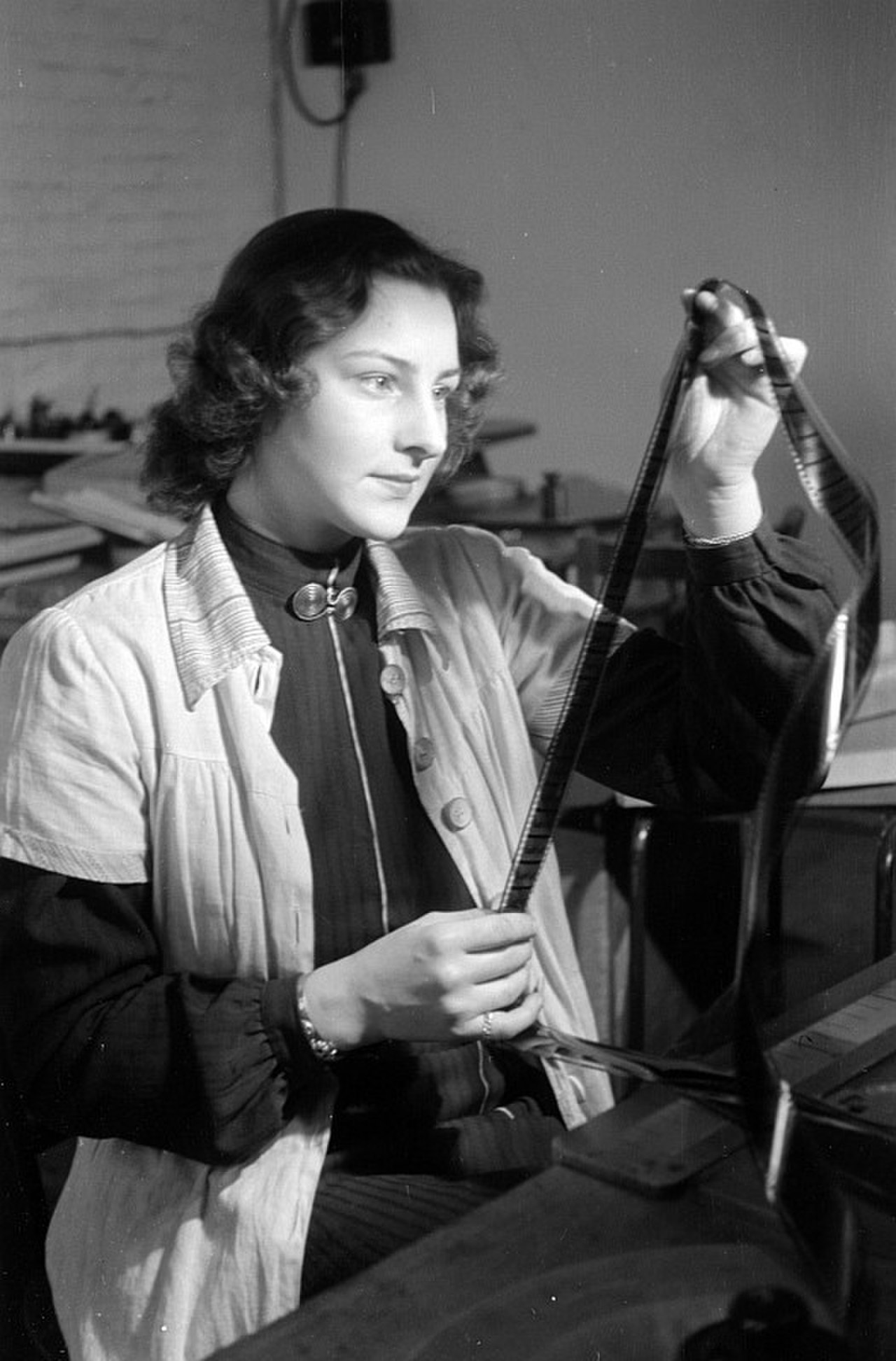
The role of a film editor is to take the raw footage shot during production and shape it into a cohesive narrative, as discussed in Film Production. This involves working closely with the director and other members of the production team to ensure that the final product meets their vision, as explained in Film Directing. Film editors must have a strong understanding of storytelling and narrative structure, as well as the technical skills to use editing software and equipment, such as Editing Consoles. They must also be able to work well under pressure, meeting tight deadlines and making creative decisions quickly, as discussed in Film Post-Production. The film editor's role is crucial to the success of a film, and their contributions are often recognized with awards and nominations, such as the Academy Award for Best Film Editing.
📊 The Technical Aspects of Film Editing
The technical aspects of film editing are complex and require a strong understanding of editing software and equipment, as discussed in Film Editing Equipment. Film editors must be proficient in the use of editing software, such as Final Cut Pro and Blackmagic Design DaVinci Resolve. They must also have a strong understanding of the technical aspects of film production, including Camera Angles and Lighting Techniques. The technical aspects of film editing are constantly evolving, with new technologies and software being developed all the time, as explained in Film Technology. Film editors must stay up-to-date with the latest developments in order to remain competitive in their field, as discussed in Film Industry.
📈 The Creative Process of Film Editing
The creative process of film editing is a complex and iterative one, involving a range of skills and techniques, as discussed in Film Editing Techniques. Film editors must have a strong understanding of storytelling and narrative structure, as well as the technical skills to use editing software and equipment, as explained in Storytelling Techniques. They must also be able to work well under pressure, meeting tight deadlines and making creative decisions quickly, as discussed in Film Production Scheduling. The creative process of film editing involves a range of stages, from the initial assembly of the footage to the final cut, as explained in Film Post-Production Process. Film editors must be able to collaborate effectively with the director and other members of the production team, as discussed in Film Collaboration.
🎞️ The Importance of Storytelling in Film Editing
The importance of storytelling in film editing cannot be overstated, as it is the foundation upon which the entire film is built, as discussed in Storytelling in Film. Film editors must have a strong understanding of narrative structure and the techniques used to create a compelling story, as explained in Narrative Structure. They must also be able to use editing techniques to create a cohesive and engaging narrative, as discussed in Film Editing Techniques. The importance of storytelling in film editing is reflected in the awards and recognition given to film editors, such as the Academy Award for Best Film Editing. Film editors must be able to balance the creative and technical aspects of their work, as discussed in Film Editing Balance.
👥 Collaboration in Film Editing
Collaboration is a crucial aspect of film editing, as editors must work closely with the director and other members of the production team, as discussed in Film Collaboration. Film editors must be able to communicate effectively and work well under pressure, meeting tight deadlines and making creative decisions quickly, as explained in Film Production Scheduling. They must also be able to balance the creative and technical aspects of their work, as discussed in Film Editing Balance. The collaboration process involves a range of stages, from the initial assembly of the footage to the final cut, as explained in Film Post-Production Process. Film editors must be able to work effectively with the director and other members of the production team to ensure that the final product meets their vision, as discussed in Film Directing.
🔍 The Future of Film Editing
The future of film editing is exciting and rapidly evolving, with new technologies and software being developed all the time, as discussed in Film Technology. Film editors must stay up-to-date with the latest developments in order to remain competitive in their field, as explained in Film Industry. The future of film editing involves a range of new technologies and techniques, including Virtual Reality and Artificial Intelligence. Film editors must be able to adapt to these changes and use them to create new and innovative storytelling techniques, as discussed in Film Editing Techniques. The future of film editing is full of possibilities, and film editors must be able to balance the creative and technical aspects of their work in order to succeed, as discussed in Film Editing Balance.
🏆 Awards and Recognition for Film Editors
Awards and recognition for film editors are an important part of the film industry, as they recognize the crucial role that editors play in the creation of a film, as discussed in Film Awards. The Academy Award for Best Film Editing is one of the most prestigious awards given to film editors, and it is a testament to the importance of their work, as explained in Academy Awards. Film editors must be able to balance the creative and technical aspects of their work in order to be recognized with awards and nominations, as discussed in Film Editing Balance. The awards and recognition given to film editors reflect the importance of their role in the film industry, as discussed in Film Industry.
📚 Education and Training for Film Editors
Education and training for film editors are essential in order to succeed in the film industry, as discussed in Film Education. Film editors must have a strong understanding of the technical and creative aspects of their craft, as well as the ability to work well under pressure and collaborate effectively with others, as explained in Film Production. There are a range of educational programs and training courses available for film editors, including Film Schools and Online Courses. Film editors must be able to stay up-to-date with the latest developments in the film industry, including new technologies and software, as discussed in Film Technology.
🎯 Career Paths for Film Editors
Career paths for film editors are varied and exciting, with a range of opportunities available in the film industry, as discussed in Film Careers. Film editors can work on a range of projects, from Feature Films to Documentaries and Television Shows. They can also work in a range of roles, from Assistant Editor to Lead Editor. Film editors must be able to balance the creative and technical aspects of their work, as well as collaborate effectively with others, in order to succeed in their careers, as discussed in Film Editing Balance. The career paths available to film editors are full of possibilities, and they must be able to adapt to the changing needs of the film industry, as explained in Film Industry.
Key Facts
- Year
- 1895
- Origin
- France, with the first film editors emerging during the early days of cinema, including pioneers like Georges Méliès and the Lumière brothers
- Category
- Film and Television
- Type
- Occupation
Frequently Asked Questions
What is film editing?
Film editing is the process of taking raw footage and shaping it into a cohesive narrative. It involves a range of technical and creative skills, including the use of editing software and equipment, as well as a strong understanding of storytelling and narrative structure, as discussed in Film Editing. Film editors must be able to work well under pressure, meeting tight deadlines and making creative decisions quickly, as explained in Film Production Scheduling. The role of a film editor is crucial to the success of a film, and their contributions are often recognized with awards and nominations, such as the Academy Award for Best Film Editing.
What skills do film editors need?
Film editors need a range of skills, including technical skills, such as proficiency in editing software and equipment, as well as creative skills, such as a strong understanding of storytelling and narrative structure, as discussed in Storytelling Techniques. They must also be able to work well under pressure, meeting tight deadlines and making creative decisions quickly, as explained in Film Production Scheduling. Film editors must be able to collaborate effectively with the director and other members of the production team, as discussed in Film Collaboration. They must also be able to balance the creative and technical aspects of their work, as discussed in [[film-editing-balance|Film Editing Balance].
What is the role of a film editor in the film industry?
The role of a film editor is to take the raw footage shot during production and shape it into a cohesive narrative, as discussed in Film Production. Film editors must work closely with the director and other members of the production team to ensure that the final product meets their vision, as explained in Film Directing. They must also be able to balance the creative and technical aspects of their work, as discussed in [[film-editing-balance|Film Editing Balance]. The role of a film editor is crucial to the success of a film, and their contributions are often recognized with awards and nominations, such as the Academy Award for Best Film Editing.
What are the different types of film editing?
There are several different types of film editing, including Linear Editing and Non-Linear Editing. Linear editing involves working with the footage in a linear fashion, while non-linear editing involves working with the footage in a non-linear fashion, using software and equipment to create a cohesive narrative, as discussed in Film Editing Techniques. Film editors must be able to use a range of editing techniques, including Cutting and Transitions, to create a cohesive and engaging narrative, as explained in Storytelling Techniques.
What is the future of film editing?
The future of film editing is exciting and rapidly evolving, with new technologies and software being developed all the time, as discussed in Film Technology. Film editors must stay up-to-date with the latest developments in order to remain competitive in their field, as explained in Film Industry. The future of film editing involves a range of new technologies and techniques, including Virtual Reality and Artificial Intelligence. Film editors must be able to adapt to these changes and use them to create new and innovative storytelling techniques, as discussed in Film Editing Techniques.
How do film editors collaborate with directors and other members of the production team?
Film editors collaborate with directors and other members of the production team by working closely with them to ensure that the final product meets their vision, as discussed in Film Collaboration. They must be able to communicate effectively and work well under pressure, meeting tight deadlines and making creative decisions quickly, as explained in Film Production Scheduling. Film editors must also be able to balance the creative and technical aspects of their work, as discussed in [[film-editing-balance|Film Editing Balance]. The collaboration process involves a range of stages, from the initial assembly of the footage to the final cut, as explained in Film Post-Production Process.
What are the most important skills for a film editor to have?
The most important skills for a film editor to have include technical skills, such as proficiency in editing software and equipment, as well as creative skills, such as a strong understanding of storytelling and narrative structure, as discussed in Storytelling Techniques. Film editors must also be able to work well under pressure, meeting tight deadlines and making creative decisions quickly, as explained in Film Production Scheduling. They must be able to collaborate effectively with the director and other members of the production team, as discussed in [[film-collaboration|Film Collaboration].