
Contents
- 🏞️ Introduction to Fiordland National Park
- 🌳 Unique Geology and Ecosystems
- 🏃♂️ Hiking and Trekking in Fiordland
- 🐳 Wildlife and Biodiversity
- 🌟 Milford Sound and Other Must-See Attractions
- 🚫 Conservation Efforts and Challenges
- 👥 Indigenous Culture and History
- 📸 Photography and Filming in Fiordland
- 🚗 Getting There and Around
- 🏕️ Accommodation and Camping Options
- 💚 Sustainable Tourism and Best Practices
- 🔮 Future of Fiordland National Park
- Frequently Asked Questions
- Related Topics
Overview
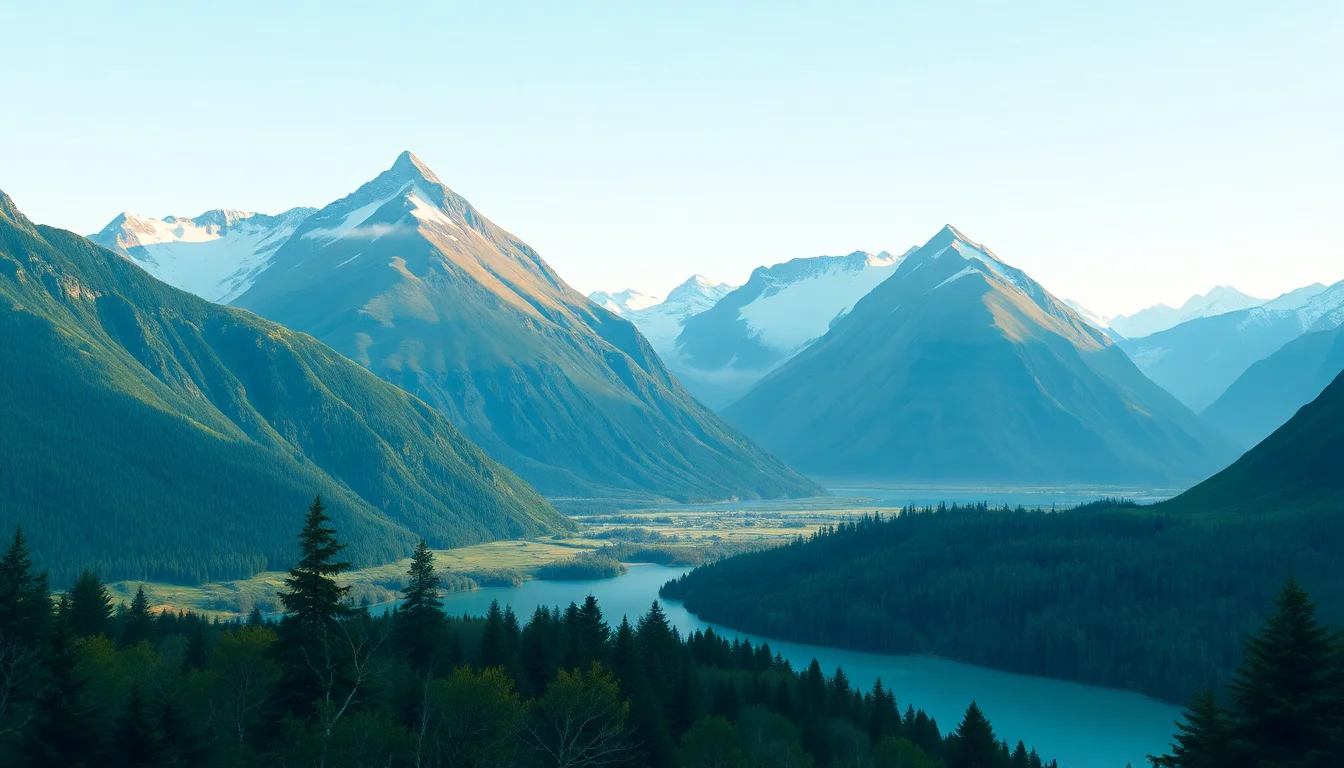
Fiordland National Park, established in 1952, is a vast and remote wilderness area located in the southwestern corner of New Zealand's South Island. With a total area of 12,500 square kilometers, it is the country's largest national park, boasting a unique combination of mountains, forests, and fiords carved by glaciers. The park is home to a diverse range of flora and fauna, including the iconic kiwi bird, and features several prominent hiking trails, such as the Milford Track and the Kepler Track. However, the park's pristine environment is under threat from climate change, tourism, and human activity, sparking debates about conservation and sustainability. As of 2020, Fiordland National Park has a vibe score of 85, reflecting its high cultural energy and significance. The park's influence flows can be seen in the works of notable conservationists, such as Sir Edmund Hillary, who advocated for the park's protection. With its rich history, stunning landscapes, and ongoing conservation efforts, Fiordland National Park remains a topic of interest and controversy, with a controversy spectrum rating of 6 out of 10.
🏞️ Introduction to Fiordland National Park
Fiordland National Park, located on the southwest coast of New Zealand's South Island, is a UNESCO World Heritage Site and one of the most beautiful and remote areas on Earth. With its rugged mountains, pristine lakes, and stunning fiords, Fiordland is a nature lover's paradise. The park is home to a wide range of native flora and fauna, including the iconic kiwi bird and the kea parrot. Visitors can explore the park's many hiking trails, including the famous Milford Track and the Routeburn Track. For more information on hiking in Fiordland, visit the Department of Conservation website.
🌳 Unique Geology and Ecosystems
Fiordland National Park's unique geology and ecosystems are shaped by its location in a tectonic plate boundary. The park's mountains are composed of gneiss and schist, which have been uplifted and shaped by millions of years of glaciation. The park's many lakes and rivers are home to a wide range of aquatic life, including trout and salmon. Visitors can learn more about the park's geology and ecosystems at the Fiordland National Park Visitor Centre. For more information on the park's unique geology, visit the Geological Society of New Zealand website.
🏃♂️ Hiking and Trekking in Fiordland
Hiking and trekking are two of the most popular activities in Fiordland National Park. The park's many trails offer stunning views of the surrounding mountains and valleys, as well as access to remote lakes and rivers. The Milford Track is one of the most famous hiking trails in the world, and takes hikers through some of the most beautiful and remote areas of the park. For more information on hiking and trekking in Fiordland, visit the New Zealand Trails website. The park is also home to a wide range of hiking guides and outdoor adventure companies, which offer guided hikes and treks for all levels of experience.
🐳 Wildlife and Biodiversity
Fiordland National Park is home to a wide range of wildlife, including deer, wild boar, and kea parrots. The park's many lakes and rivers are also home to a wide range of fish, including trout and salmon. Visitors can learn more about the park's wildlife at the Fiordland National Park Visitor Centre. For more information on the park's wildlife, visit the New Zealand Department of Conservation website. The park is also home to a wide range of bird watching opportunities, with many species of native birds found nowhere else in the world.
🌟 Milford Sound and Other Must-See Attractions
Milford Sound is one of the most famous attractions in Fiordland National Park, and is known for its stunning scenery and wildlife. Visitors can take a boat cruise through the sound, which offers stunning views of the surrounding mountains and valleys. The park is also home to a wide range of other must-see attractions, including Lady Bowen Falls and Stirling Falls. For more information on Milford Sound and other attractions in the park, visit the Milford Sound Scenic Flights website. Visitors can also learn more about the park's history and culture at the Fiordland National Park Museum.
🚫 Conservation Efforts and Challenges
Fiordland National Park faces a number of conservation challenges, including climate change, invasive species, and human impact. The park is also home to a wide range of conservation efforts, including the Fiordland Conservation Programme. Visitors can learn more about the park's conservation efforts at the Fiordland National Park Visitor Centre. For more information on conservation efforts in the park, visit the New Zealand Conservation Authority website. The park is also home to a wide range of volunteer opportunities, which allow visitors to get involved in conservation efforts and make a difference.
👥 Indigenous Culture and History
Fiordland National Park has a rich and diverse cultural history, with evidence of Maori settlement dating back over 1,000 years. The park is home to a wide range of Maori archaeological sites, including pounamu (greenstone) quarries and Maori rock art. Visitors can learn more about the park's cultural history at the Fiordland National Park Museum. For more information on the park's cultural history, visit the New Zealand Ministry of Culture and Heritage website. The park is also home to a wide range of cultural events, including the Fiordland Arts Festival.
📸 Photography and Filming in Fiordland
Fiordland National Park is a photographer's paradise, with its stunning scenery and wildlife offering endless opportunities for photography. Visitors can take a photography tour with a local guide, which offers the chance to capture stunning images of the park's scenery and wildlife. For more information on photography in the park, visit the New Zealand Photography Tours website. The park is also home to a wide range of filming locations, including the Lord of the Rings filming locations. Visitors can learn more about the park's filming history at the Fiordland National Park Visitor Centre.
🚗 Getting There and Around
Getting to Fiordland National Park can be challenging, but there are a number of options available. Visitors can fly into Queenstown or Invercargill airports, and then take a bus or shuttle to the park. For more information on getting to the park, visit the New Zealand Transport website. The park is also home to a wide range of accommodation options, including hotels, motels, and hostels. Visitors can learn more about the park's accommodation options at the Fiordland National Park Visitor Centre.
🏕️ Accommodation and Camping Options
Fiordland National Park offers a wide range of accommodation options, including camping, hostels, and hotels. Visitors can learn more about the park's accommodation options at the Fiordland National Park Visitor Centre. For more information on accommodation in the park, visit the New Zealand Accommodation website. The park is also home to a wide range of catering options, including restaurants, cafes, and supermarkets. Visitors can learn more about the park's catering options at the Fiordland National Park Visitor Centre.
💚 Sustainable Tourism and Best Practices
Sustainable tourism is an important part of Fiordland National Park's management, with a focus on minimizing the impact of tourism on the park's environment and wildlife. Visitors can learn more about sustainable tourism in the park at the Fiordland National Park Visitor Centre. For more information on sustainable tourism in the park, visit the New Zealand Sustainable Tourism website. The park is also home to a wide range of eco-tourism operators, which offer guided tours and activities that focus on minimizing the impact on the environment.
🔮 Future of Fiordland National Park
The future of Fiordland National Park is uncertain, with a number of challenges facing the park's management, including climate change, invasive species, and human impact. However, the park is also home to a wide range of conservation efforts, including the Fiordland Conservation Programme. Visitors can learn more about the park's conservation efforts at the Fiordland National Park Visitor Centre. For more information on the park's future, visit the New Zealand Department of Conservation website.
Key Facts
- Year
- 1952
- Origin
- New Zealand
- Category
- Environmental Conservation
- Type
- National Park
Frequently Asked Questions
What is the best time to visit Fiordland National Park?
The best time to visit Fiordland National Park is during the summer months (December to February), when the weather is warm and dry. However, the park is open year-round, and visitors can enjoy a range of activities and attractions during all seasons. For more information on visiting the park, visit the Fiordland National Park Visitor Centre. The park is also home to a wide range of accommodation options, including hotels, motels, and hostels.
What are the most popular activities in Fiordland National Park?
The most popular activities in Fiordland National Park include hiking, trekking, photography, and wildlife watching. Visitors can also enjoy a range of other activities, including kayaking, fishing, and scenic flights. For more information on activities in the park, visit the New Zealand Activities website. The park is also home to a wide range of tour operators, which offer guided tours and activities for all levels of experience.
What are the best ways to get to Fiordland National Park?
The best ways to get to Fiordland National Park include flying into Queenstown or Invercargill airports, and then taking a bus or shuttle to the park. Visitors can also drive to the park, which takes around 4-5 hours from Queenstown or Invercargill. For more information on getting to the park, visit the New Zealand Transport website. The park is also home to a wide range of accommodation options, including hotels, motels, and hostels.
What are the most important things to bring to Fiordland National Park?
The most important things to bring to Fiordland National Park include hiking boots, waterproof jacket, sunscreen, and insect repellent. Visitors should also bring a first aid kit and a map of the park. For more information on what to bring to the park, visit the Fiordland National Park Visitor Centre. The park is also home to a wide range of outdoor gear shops, which sell a range of equipment and supplies for hiking and other activities.
Are there any safety concerns in Fiordland National Park?
Yes, there are a number of safety concerns in Fiordland National Park, including weather conditions, wildlife, and terrain. Visitors should always check the weather forecast before heading out, and be aware of their surroundings at all times. For more information on safety in the park, visit the Fiordland National Park Visitor Centre. The park is also home to a wide range of safety guidelines, which provide information on how to stay safe while hiking and enjoying other activities in the park.
Can I camp in Fiordland National Park?
Yes, camping is allowed in Fiordland National Park, but visitors must follow the park's camping regulations. There are a number of camping sites throughout the park, which offer basic facilities such as toilets and picnic tables. For more information on camping in the park, visit the Fiordland National Park Visitor Centre. The park is also home to a wide range of accommodation options, including hotels, motels, and hostels.
Can I bring my dog to Fiordland National Park?
No, dogs are not allowed in Fiordland National Park, with the exception of guide dogs and assistance dogs. This is to protect the park's wildlife and environment. For more information on bringing dogs to the park, visit the Fiordland National Park Visitor Centre. The park is also home to a wide range of pet-friendly accommodation options, which allow visitors to bring their dogs.