
Contents
- 🌊 Introduction to Fly Fishing
- 🎣 History of Fly Fishing
- 🧵 Types of Flies Used in Fly Fishing
- 🌴 Popular Destinations for Fly Fishing
- 🎯 Techniques and Tackle for Fly Fishing
- 👣 Wading and Water Safety in Fly Fishing
- 📚 Learning and Improving Fly Fishing Skills
- 👥 Community and Culture of Fly Fishing
- 📊 Equipment and Gear for Fly Fishing
- 🏞️ Conservation and Environmental Impact of Fly Fishing
- 📰 News and Trends in Fly Fishing
- 👍 Getting Started with Fly Fishing
- Frequently Asked Questions
- Related Topics
Overview
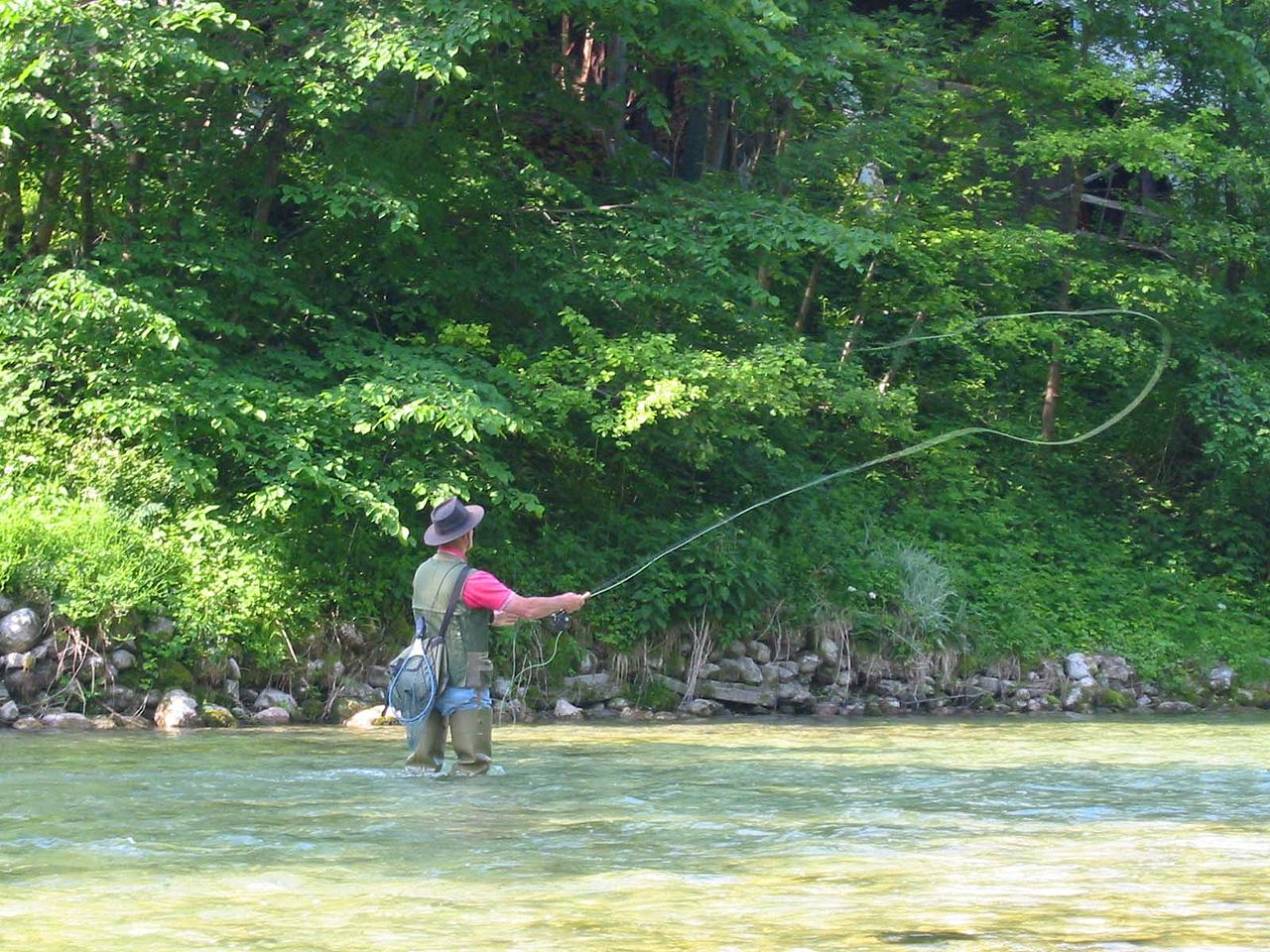
Fly fishing is an angling technique that uses an ultra-lightweight lure called an artificial fly, which typically mimics small invertebrates such as flying and aquatic insects to attract and catch fish species. Because the mass of the fly lure is insufficient to overcome air resistance, it cannot be launched far using conventional gears and techniques, so specialized tackles are used instead and the casting techniques are significantly different from other forms of angling techniques. It is also very common for the angler to wear wading boots, carry a hand net, and stand in the water when fishing in river fishing or lakes and ponds. The use of artificial flies in fly fishing has a long history, dating back to the ancient Greeks and ancient Romans.
🎣 History of Fly Fishing
The history of fly fishing is a rich and fascinating one, with evidence of fly fishing dating back to the 2nd century AD. The modern version of fly fishing, however, is often attributed to the British, who developed many of the techniques and tackle still used today. The first written records of fly fishing in England date back to the 15th century, and the sport has been popular among the aristocracy and gentry ever since. For more information on the history of fly fishing, see fly fishing history.
🧵 Types of Flies Used in Fly Fishing
There are many different types of flies used in fly fishing, each designed to mimic a specific type of insect or baitfish. The most common types of flies are dry flies, which float on the surface of the water, and nymphs, which sink below the surface. Other types of flies include streamers, which are designed to mimic larger prey fish, and saltwater flies, which are used in saltwater fishing. For more information on the different types of flies, see fly tying.
🌴 Popular Destinations for Fly Fishing
Fly fishing is a popular sport around the world, with many different destinations offering excellent fishing opportunities. Some of the most popular destinations for fly fishing include Montana, Wyoming, and Idaho in the United States, as well as Scotland, Ireland, and New Zealand. These destinations offer a range of different fishing experiences, from river fishing to lakes and ponds. For more information on popular fly fishing destinations, see fly fishing destinations.
🎯 Techniques and Tackle for Fly Fishing
The techniques and tackle used in fly fishing are significantly different from other forms of angling. The most important piece of tackle is the fly rod, which is designed to cast the lightweight fly lure. The fly reel is also an important piece of tackle, as it allows the angler to retrieve the line and play the fish. Other important techniques include casting, which involves using the fly rod to launch the fly lure, and presentation, which involves presenting the fly to the fish in a natural and attractive way. For more information on fly fishing techniques, see fly fishing techniques.
👣 Wading and Water Safety in Fly Fishing
Wading and water safety are important considerations in fly fishing. Many fly fishermen wear wading boots to allow them to stand in the water and cast to fish that are holding in deeper water. However, wading can be hazardous, especially in fast-moving water or water with strong currents. It is essential to take necessary safety precautions, such as wearing a life jacket and being aware of the surrounding environment. For more information on wading and water safety, see wading safety.
📚 Learning and Improving Fly Fishing Skills
Learning and improving fly fishing skills takes time and practice. There are many different resources available to help anglers improve their skills, including books, videos, and classes. Many fly fishermen also join fly fishing clubs or participate in fly fishing tournaments to meet other anglers and learn new techniques. For more information on learning and improving fly fishing skills, see fly fishing education.
👥 Community and Culture of Fly Fishing
The community and culture of fly fishing are an important part of the sport. Many fly fishermen are passionate about the sport and enjoy sharing their knowledge and experience with others. There are many different fly fishing clubs and organizations that provide a sense of community and camaraderie for fly fishermen. For more information on the community and culture of fly fishing, see fly fishing community.
📊 Equipment and Gear for Fly Fishing
The equipment and gear used in fly fishing are specialized and designed to meet the specific needs of the sport. The most important pieces of equipment are the fly rod and fly reel, which are designed to cast the lightweight fly lure. Other important pieces of equipment include wading boots, fly line, and leader. For more information on fly fishing equipment and gear, see fly fishing gear.
🏞️ Conservation and Environmental Impact of Fly Fishing
Fly fishing can have a significant impact on the environment, both positive and negative. On the positive side, fly fishing can help to promote conservation and sustainability by encouraging anglers to respect and protect the natural environment. On the negative side, fly fishing can harm the environment if not practiced sustainably, for example, by using lead weights or nets that can harm fish and other aquatic organisms. For more information on the environmental impact of fly fishing, see fly fishing conservation.
📰 News and Trends in Fly Fishing
There are many different news and trends in fly fishing, from new equipment and gear to emerging destinations and techniques. Some of the most popular news and trends include the development of new fly rods and fly reels, as well as the growing popularity of saltwater fishing and destination fishing. For more information on news and trends in fly fishing, see fly fishing news.
👍 Getting Started with Fly Fishing
Getting started with fly fishing can seem daunting, but it doesn't have to be. The first step is to invest in the necessary equipment, including a fly rod, fly reel, and wading boots. It's also essential to learn the basic techniques, such as casting and presentation. For more information on getting started with fly fishing, see fly fishing for beginners.
Key Facts
- Category
- topic
- Type
- topic
Frequently Asked Questions
What is fly fishing?
Fly fishing is an angling technique that uses an ultra-lightweight lure called an artificial fly, which typically mimics small invertebrates such as flying and aquatic insects to attract and catch fish species. It is a popular sport around the world, with many different destinations offering excellent fishing opportunities. For more information on fly fishing, see fly fishing.
What are the different types of flies used in fly fishing?
There are many different types of flies used in fly fishing, each designed to mimic a specific type of insect or baitfish. The most common types of flies are dry flies, which float on the surface of the water, and nymphs, which sink below the surface. Other types of flies include streamers, which are designed to mimic larger prey fish, and saltwater flies, which are used in saltwater fishing. For more information on the different types of flies, see fly tying.
What is the best way to learn fly fishing?
Learning and improving fly fishing skills takes time and practice. There are many different resources available to help anglers improve their skills, including books, videos, and classes. Many fly fishermen also join fly fishing clubs or participate in fly fishing tournaments to meet other anglers and learn new techniques. For more information on learning and improving fly fishing skills, see fly fishing education.
What are the benefits of fly fishing?
Fly fishing has many benefits, including promoting conservation and sustainability, providing a sense of community and camaraderie, and offering a challenging and rewarding sport. Fly fishing can also be a great way to connect with nature and enjoy the outdoors. For more information on the benefits of fly fishing, see fly fishing community.
What are the environmental impacts of fly fishing?
Fly fishing can have a significant impact on the environment, both positive and negative. On the positive side, fly fishing can help to promote conservation and sustainability by encouraging anglers to respect and protect the natural environment. On the negative side, fly fishing can harm the environment if not practiced sustainably, for example, by using lead weights or nets that can harm fish and other aquatic organisms. For more information on the environmental impact of fly fishing, see fly fishing conservation.
What is the best destination for fly fishing?
There are many different destinations around the world that offer excellent fly fishing opportunities. Some of the most popular destinations include Montana, Wyoming, and Idaho in the United States, as well as Scotland, Ireland, and New Zealand. These destinations offer a range of different fishing experiences, from river fishing to lakes and ponds. For more information on popular fly fishing destinations, see fly fishing destinations.
What is the best time of year for fly fishing?
The best time of year for fly fishing depends on the destination and the type of fish being targeted. In general, the best time for fly fishing is during the spring and summer months when the water is warm and the fish are active. However, some destinations, such as Alaska, offer excellent fly fishing opportunities during the summer months, while others, such as Florida, offer good fishing year-round. For more information on the best time for fly fishing, see fly fishing seasons.