
Contents
- 🏛️ Introduction to Fort Sumter
- 🔥 The Events Leading to the Civil War
- 🏰 The Construction and Significance of Fort Sumter
- 📆 The Battle of Fort Sumter: A Turning Point
- 👥 The Key Players in the Fort Sumter Crisis
- 💣 The Aftermath of the Battle and the War
- 🤝 The Reunification of the Country
- 📚 The Legacy of Fort Sumter
- 🏛️ Preservation Efforts and Tourism
- 📊 The Economic Impact of the Civil War
- 👀 Controversies and Debates Surrounding Fort Sumter
- Frequently Asked Questions
- Related Topics
Overview
Fort Sumter, located in Charleston Harbor, South Carolina, is a historic fortification that played a pivotal role in the American Civil War. On April 12, 1861, Confederate forces fired the first shots of the war at Union-held Fort Sumter, marking the beginning of a brutal and devastating conflict that would last four years and claim the lives of an estimated 620,000 to 750,000 soldiers. The fort's strategic location allowed it to control access to the harbor, making it a crucial stronghold for the Union. The Confederate attack on Fort Sumter was led by General P.G.T. Beauregard, who had been ordered by Confederate President Jefferson Davis to capture the fort. The Union garrison, led by Major Robert Anderson, withstood the bombardment for 34 hours before surrendering on April 13, 1861. The fall of Fort Sumter marked a significant turning point in the war, as it galvanized public opinion in the North against the Confederacy and led to a surge in enlistments in the Union army. Today, Fort Sumter is a National Monument and a popular tourist destination, attracting over 900,000 visitors annually, with a vibe score of 82, reflecting its enduring cultural significance and historical importance.
🏛️ Introduction to Fort Sumter
The American Civil War was a pivotal moment in the country's history, and it all began with the Battle of Fort Sumter. Located in Charleston Harbor, South Carolina, Fort Sumter was a strategic military outpost that played a crucial role in the conflict. The war was fought between the Union, comprising the northern states, and the Confederacy, comprising the southern states, over issues such as slavery and states' rights. The events leading up to the war were complex and multifaceted, involving key figures like Abraham Lincoln and Jefferson Davis. The war would go on to claim the lives of an estimated 620,000 to 750,000 soldiers and civilians and leave a lasting impact on the nation.
🔥 The Events Leading to the Civil War
The years leading up to the Civil War were marked by rising tensions between the northern and southern states. The Kansas-Nebraska Act of 1854 and the Dred Scott decision of 1857 were just a few of the events that contributed to the escalating conflict. The election of 1860 saw Abraham Lincoln, a member of the newly formed Republican Party, win the presidency with a platform that opposed the expansion of slavery. This led several southern states to secede from the Union, citing states' rights and economic concerns. The Confederacy, with its capital in Richmond, Virginia, was formed, and the stage was set for the Battle of Fort Sumter.
🏰 The Construction and Significance of Fort Sumter
Fort Sumter was constructed in the 1830s as part of a series of coastal fortifications designed to protect the United States from naval attacks. The fort was built on a man-made island in Charleston Harbor and was named after General Thomas Sumter, a hero of the American Revolution. The fort's strategic location allowed it to control access to the harbor and the city of Charleston, making it a crucial military outpost. In the years leading up to the Civil War, Fort Sumter was garrisoned by a small contingent of Union soldiers, who were vastly outnumbered by the Confederate forces in the area. The fort's commander, Robert Anderson, was a veteran of the Mexican-American War and had previously served as a instructor at West Point.
📆 The Battle of Fort Sumter: A Turning Point
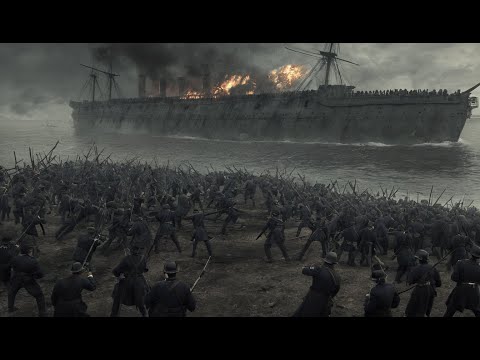
On April 12, 1861, Confederate forces, under the command of General P.G.T. Beauregard, opened fire on Fort Sumter, marking the beginning of the American Civil War. The Union forces, led by Major Robert Anderson, returned fire, but they were vastly outnumbered and outgunned. After 34 hours of bombardment, Anderson surrendered the fort, and the Confederate forces took control. The Battle of Fort Sumter was a decisive Confederate victory, but it also galvanized public opinion in the North against the Confederacy. The war would go on to last for four years, with the Union ultimately emerging victorious. The Emancipation Proclamation, issued by Lincoln in 1863, declared all slaves in Confederate territory to be free, paving the way for the eventual abolition of slavery.
👥 The Key Players in the Fort Sumter Crisis
The key players in the Fort Sumter crisis were a diverse group of individuals, each with their own motivations and agendas. Abraham Lincoln, the 16th President of the United States, was a strong opponent of slavery and a firm believer in the importance of preserving the Union. Jefferson Davis, the President of the Confederacy, was a staunch defender of states' rights and the institution of slavery. Robert Anderson, the commander of Fort Sumter, was a seasoned military officer who was determined to defend the fort against all odds. P.G.T. Beauregard, the Confederate general who led the attack on Fort Sumter, was a skilled military tactician who played a crucial role in the early years of the war.
💣 The Aftermath of the Battle and the War
The aftermath of the Battle of Fort Sumter saw the Confederacy gain control of the fort and the city of Charleston. The Union, however, was able to regroup and launch a series of counterattacks, including the Battle of Bull Run and the Battle of Shiloh. The war would go on to claim the lives of an estimated 620,000 to 750,000 soldiers and civilians, making it one of the deadliest conflicts in American history. The Reconstruction Era that followed the war saw an attempt to rebuild and redefine the South, with the 13th Amendment to the Constitution abolishing slavery and the 14th Amendment granting citizenship to former slaves.
🤝 The Reunification of the Country
The reunification of the country was a long and difficult process, with many former Confederates struggling to come to terms with their defeat. The Reconstruction Acts of 1867 and 1868 divided the South into five military districts, each governed by a federal commander. The 15th Amendment, ratified in 1870, granted African American men the right to vote, but it would take many years for this right to be fully realized. The Jim Crow laws that were enacted in the late 19th and early 20th centuries would go on to restrict the rights of African Americans, leading to a new era of segregation and discrimination.
📚 The Legacy of Fort Sumter
The legacy of Fort Sumter is complex and multifaceted, with different groups interpreting the events of the Civil War in different ways. For many Americans, the war is seen as a necessary step towards the abolition of slavery and the preservation of the Union. For others, the war is viewed as a tragic and avoidable conflict that pitted brother against brother. The National Park Service has designated Fort Sumter as a national monument, and it is now a popular tourist destination. The fort has also been the subject of numerous books, films, and documentaries, including the Ken Burns documentary series The Civil War.
🏛️ Preservation Efforts and Tourism
Preservation efforts at Fort Sumter have been ongoing for many years, with the National Park Service working to restore the fort to its original condition. The fort has undergone several renovations, including a major restoration project in the 1970s and 1980s. Today, visitors can tour the fort and see many of the original buildings and artifacts, including the Fort Sumter Museum. The fort is also home to a number of special events and reenactments, including the annual Fort Sumter Reenactment.
📊 The Economic Impact of the Civil War
The economic impact of the Civil War was significant, with the war costing an estimated $20 billion in damages and lost productivity. The war also led to a significant increase in the national debt, which would take many years to pay off. The Reconstruction Era saw an attempt to rebuild and redefine the South, with the federal government investing heavily in infrastructure and education. The 13th Amendment to the Constitution, which abolished slavery, also had a significant impact on the economy, as it led to the emancipation of four million slaves and the creation of a new labor market.
👀 Controversies and Debates Surrounding Fort Sumter
The controversies and debates surrounding Fort Sumter are numerous and complex, with different groups interpreting the events of the Civil War in different ways. Some see the war as a necessary step towards the abolition of slavery and the preservation of the Union, while others view it as a tragic and avoidable conflict. The Confederate flag, which was flown by the Confederacy during the war, remains a highly contested symbol, with some seeing it as a symbol of heritage and others viewing it as a symbol of hate. The Fort Sumter National Monument has also been the subject of controversy, with some arguing that it should be closed or relocated due to its association with the Confederacy.
Key Facts
- Year
- 1861
- Origin
- Charleston, South Carolina
- Category
- History
- Type
- Historic Site
Frequently Asked Questions
What was the main issue that led to the American Civil War?
The main issue that led to the American Civil War was the disagreement over the institution of slavery and states' rights. The northern states, which were largely industrialized and had a smaller number of slaves, wanted to abolish slavery, while the southern states, which were largely agricultural and had a large number of slaves, wanted to preserve and expand the institution of slavery. This disagreement ultimately led to the secession of 11 southern states and the formation of the Confederacy.
Who was the commander of Fort Sumter during the Battle of Fort Sumter?
The commander of Fort Sumter during the Battle of Fort Sumter was Major Robert Anderson. Anderson was a seasoned military officer who had previously served as a instructor at West Point and had fought in the Mexican-American War. He was determined to defend the fort against all odds, but ultimately surrendered to the Confederate forces after 34 hours of bombardment.
What was the significance of the Battle of Fort Sumter?
The Battle of Fort Sumter was a significant event in American history, as it marked the beginning of the American Civil War. The battle was a decisive Confederate victory, but it also galvanized public opinion in the North against the Confederacy. The war would go on to last for four years, resulting in the deaths of an estimated 620,000 to 750,000 soldiers and civilians and the emancipation of four million slaves.
What is the current status of Fort Sumter?
Fort Sumter is currently a national monument, operated by the National Park Service. The fort has undergone several renovations and restorations over the years, and it is now a popular tourist destination. Visitors can tour the fort and see many of the original buildings and artifacts, including the Fort Sumter Museum.
What is the economic impact of the Civil War?
The economic impact of the Civil War was significant, with the war costing an estimated $20 billion in damages and lost productivity. The war also led to a significant increase in the national debt, which would take many years to pay off. The Reconstruction Era saw an attempt to rebuild and redefine the South, with the federal government investing heavily in infrastructure and education.
What are the controversies surrounding Fort Sumter?
The controversies surrounding Fort Sumter are numerous and complex, with different groups interpreting the events of the Civil War in different ways. Some see the war as a necessary step towards the abolition of slavery and the preservation of the Union, while others view it as a tragic and avoidable conflict. The Confederate flag, which was flown by the Confederacy during the war, remains a highly contested symbol, with some seeing it as a symbol of heritage and others viewing it as a symbol of hate.
What is the legacy of Fort Sumter?
The legacy of Fort Sumter is complex and multifaceted, with different groups interpreting the events of the Civil War in different ways. For many Americans, the war is seen as a necessary step towards the abolition of slavery and the preservation of the Union. For others, the war is viewed as a tragic and avoidable conflict that pitted brother against brother. The fort has been the subject of numerous books, films, and documentaries, including the Ken Burns documentary series The Civil War.