
Contents
- 🦊 Introduction to Foxes
- 🔍 Unpacking Fox Symbolism
- 🌟 Foxes in Folklore and Mythology
- 👀 Physical Characteristics of Foxes
- 🔬 Fox Biology and Behavior
- 🌍 Fox Habitat and Distribution
- 📊 Fox Population and Conservation Status
- 👥 Human-Fox Conflict and Coexistence
- 🔮 Foxes in Modern Culture and Media
- 📚 Fox Research and Scientific Studies
- 👀 Fox Intelligence and Problem-Solving
- 🌈 Conclusion: The Enduring Allure of Foxes
- Frequently Asked Questions
- Related Topics
Overview
The fox, with its striking appearance and cunning nature, has captivated human imagination across cultures and centuries. With a Vibe score of 82, the fox is a widely recognized and revered species, featuring in the folklore of Japan, Europe, and Native America. The red fox, in particular, is known for its adaptability and intelligence, thriving in diverse habitats from the Arctic tundra to urban cities. However, the fox's success has also led to controversy, with some viewing it as a pest and others as a beloved and ecologically vital species. As of 2022, conservation efforts are underway to protect fox habitats and mitigate human-fox conflicts. The future of fox conservation will depend on balancing the needs of humans and wildlife, with key players like the International Union for Conservation of Nature (IUCN) and the Wildlife Conservation Society (WCS) influencing the outcome.
🦊 Introduction to Foxes
The fox is a fascinating and complex creature, with a rich history of symbolism and cultural significance. In many cultures, the fox is seen as a symbol of cunning and intelligence, as evident in the stories of Trickster figures like Kitsune from Japanese mythology. However, the fox is more than just a symbol - it is a living, breathing animal with a unique biology and behavior. Foxes are small-to-medium-sized omnivorous mammals belonging to several genera of the family Canidae. They have a flattened skull; upright, triangular ears; a pointed, slightly upturned snout; and a long, bushy tail ("brush"). For more information on the biology of foxes, visit the Fox page.
🔍 Unpacking Fox Symbolism
The symbolism surrounding foxes is multifaceted and often contradictory. In some cultures, the fox is seen as a trickster figure, using its cunning and intelligence to outwit its enemies. In others, the fox is viewed as a symbol of wisdom and adaptability, able to thrive in a variety of environments. The fox has also been associated with Shamanism and the supernatural, with some cultures believing that foxes possess spiritual powers. To learn more about the cultural significance of foxes, check out the Folklore and Mythology pages.
🌟 Foxes in Folklore and Mythology
Foxes have a long history of appearing in folklore and mythology, often as trickster figures or symbols of cunning and intelligence. In Japanese mythology, the Kitsune is a fox spirit with magical powers, while in European folklore, the fox is often depicted as a clever and resourceful character. The fox has also been associated with Greek Mythology, with the story of the Fox and the Grapes being a well-known fable. For more information on the role of foxes in folklore and mythology, visit the Folklore page.
👀 Physical Characteristics of Foxes
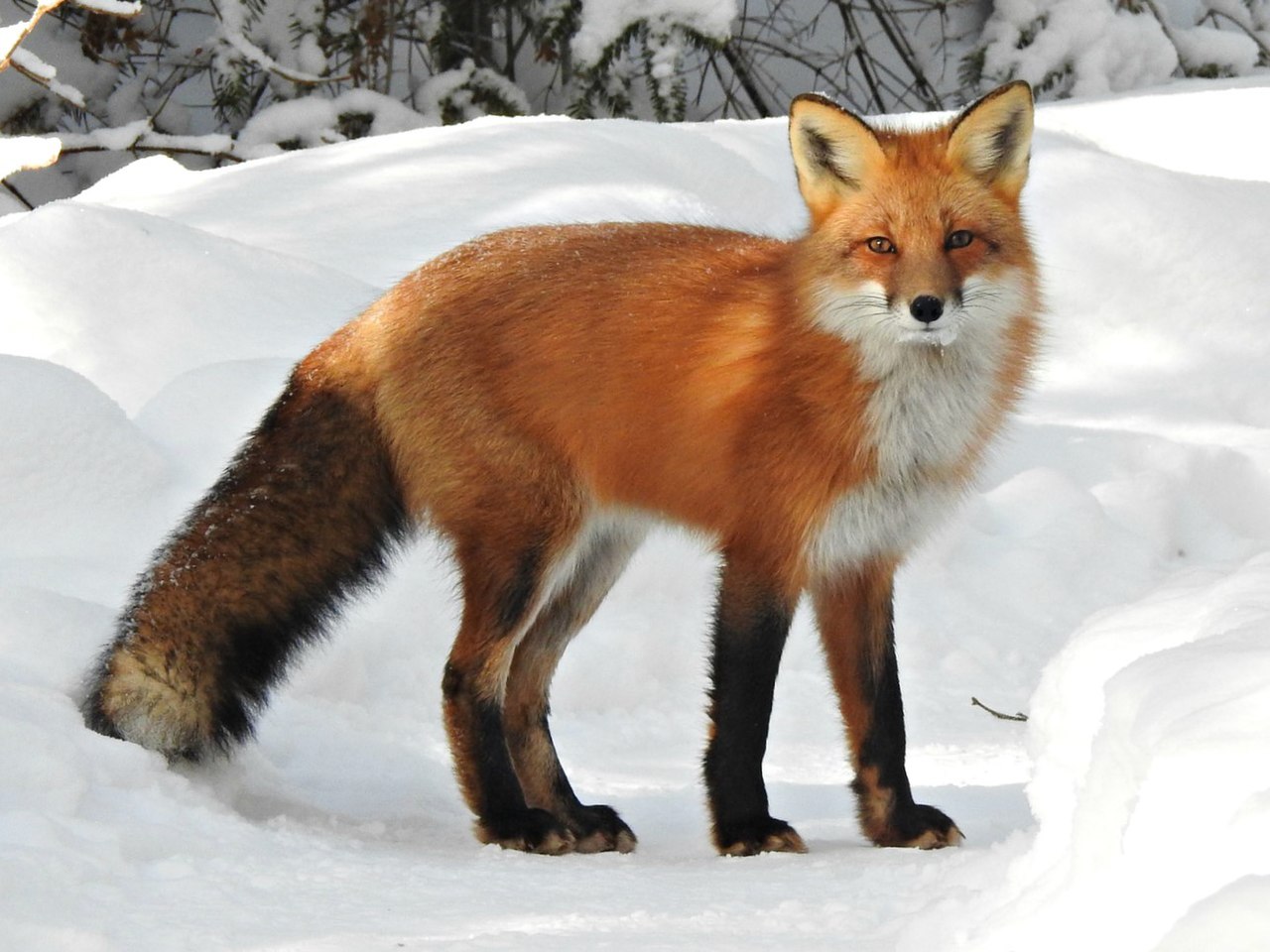
One of the most distinctive physical characteristics of foxes is their long, bushy tail, also known as a "brush." This tail serves as a balance aid, helping the fox to make sharp turns and quick changes in direction. Foxes also have a flattened skull, upright, triangular ears, and a pointed, slightly upturned snout. These physical characteristics, combined with their slender body and long legs, make foxes well-adapted to their environment. To learn more about the physical characteristics of foxes, check out the Fox page.
🔬 Fox Biology and Behavior
Foxes are omnivorous mammals, feeding on a variety of plants and animals. They are opportunistic hunters, using their sharp teeth and powerful jaws to catch small mammals, birds, and insects. Foxes are also known to scavenge for food, eating carrion and other edible materials. In addition to their diet, foxes are also notable for their complex social behavior, with some species forming long-term monogamous relationships. For more information on the biology and behavior of foxes, visit the Fox Biology page.
🌍 Fox Habitat and Distribution
Foxes can be found in a variety of habitats, including forests, grasslands, and deserts. They are widely distributed across the globe, with different species adapted to different environments. The Red Fox, for example, is found in a variety of habitats, including forests, tundras, and urban areas. In contrast, the Arctic Fox is found in the Arctic tundra, where it has adapted to the harsh, cold conditions. To learn more about the habitat and distribution of foxes, check out the Fox Habitat page.
📊 Fox Population and Conservation Status
The population and conservation status of foxes varies depending on the species. Some species, such as the Red Fox, are widely distributed and abundant, while others, such as the Island Fox, are endangered and found only in limited areas. Foxes are often hunted for their fur, and their habitats are threatened by human activities such as deforestation and urbanization. To learn more about the conservation status of foxes, visit the Fox Conservation page.
👥 Human-Fox Conflict and Coexistence
Human-fox conflict is a significant issue in many parts of the world. Foxes are often seen as pests, and are hunted or trapped for damaging crops or livestock. However, foxes also play an important role in ecosystems, helping to control populations of small mammals and other animals. In some areas, foxes are also considered to be an important part of the cultural heritage, with efforts being made to conserve and protect them. For more information on human-fox conflict and coexistence, check out the Human-Fox Conflict page.
🔮 Foxes in Modern Culture and Media
Foxes have appeared in a variety of modern cultural and media contexts, from films and television shows to literature and art. The fox is often depicted as a symbol of cunning and intelligence, and is frequently used as a character or motif in stories and legends. The Fantasy genre, in particular, often features foxes as magical or supernatural creatures. To learn more about the cultural significance of foxes, visit the Fox in Culture page.
📚 Fox Research and Scientific Studies
Scientific research on foxes has shed light on their biology and behavior, and has helped to inform conservation efforts. Studies have shown that foxes are highly adaptable and resilient, able to thrive in a variety of environments. However, foxes are also facing a range of threats, including habitat loss, hunting, and climate change. To learn more about fox research and scientific studies, check out the Fox Research page.
👀 Fox Intelligence and Problem-Solving
Foxes are known for their intelligence and problem-solving abilities, and have been observed using complex strategies to hunt and catch prey. They are also able to adapt to new environments and situations, and have been known to outwit predators and competitors. The intelligence of foxes has been studied in a variety of contexts, from laboratory experiments to field observations. For more information on fox intelligence and problem-solving, visit the Fox Intelligence page.
🌈 Conclusion: The Enduring Allure of Foxes
In conclusion, the fox is a fascinating and complex creature, with a rich history of symbolism and cultural significance. From their distinctive physical characteristics to their intelligent and adaptable behavior, foxes are a source of fascination and inspiration for many people. Whether you are interested in the biology and behavior of foxes, or their cultural and symbolic significance, there is no denying the enduring allure of these amazing animals. To learn more about foxes, check out the Fox page and explore the many links and resources available.
Key Facts
- Year
- 2022
- Origin
- Global
- Category
- Wildlife
- Type
- Animal
Frequently Asked Questions
What is the typical diet of a fox?
Foxes are omnivorous mammals, feeding on a variety of plants and animals. They are opportunistic hunters, using their sharp teeth and powerful jaws to catch small mammals, birds, and insects. Foxes are also known to scavenge for food, eating carrion and other edible materials. For more information on the diet of foxes, visit the Fox Biology page.
What is the average lifespan of a fox?
The average lifespan of a fox varies depending on the species and environmental factors. In the wild, foxes typically live for 2-5 years, although some species may live up to 10-15 years. In captivity, foxes can live for 10-15 years or more, depending on the quality of care and management. To learn more about the lifespan of foxes, check out the Fox page.
Are foxes social animals?
Yes, foxes are social animals, and some species are known to form long-term monogamous relationships. Foxes are also known to be highly territorial, and will often defend their territory against other foxes and predators. For more information on the social behavior of foxes, visit the Fox Biology page.
What is the conservation status of foxes?
The conservation status of foxes varies depending on the species. Some species, such as the Red Fox, are widely distributed and abundant, while others, such as the Island Fox, are endangered and found only in limited areas. Foxes are often hunted for their fur, and their habitats are threatened by human activities such as deforestation and urbanization. To learn more about the conservation status of foxes, check out the Fox Conservation page.
Can foxes be kept as pets?
No, foxes do not make good pets. Foxes are wild animals, and are not domesticated in the same way as dogs or cats. They have complex social and spatial needs, and require a lot of space and specialized care. In addition, many species of foxes are protected by laws and regulations, and it is often illegal to keep them as pets. For more information on the care and management of foxes, visit the Fox page.
What is the symbolic significance of foxes in different cultures?
The symbolic significance of foxes varies depending on the culture. In some cultures, the fox is seen as a symbol of cunning and intelligence, while in others it is viewed as a symbol of wisdom and adaptability. The fox has also been associated with Shamanism and the supernatural, with some cultures believing that foxes possess spiritual powers. To learn more about the cultural significance of foxes, check out the Folklore and Mythology pages.
How can I learn more about foxes?
There are many ways to learn more about foxes, including reading books and articles, watching documentaries and videos, and visiting websites and online resources. The Fox page is a good place to start, as it provides an overview of the biology and behavior of foxes, as well as links to other resources and information. You can also check out the Fox Biology and Fox Conservation pages for more information on the biology and conservation of foxes.