
Contents
- 🧠 Introduction to Francisco Varela
- 💡 The Emergence of Embodied Cognition
- 🔍 Varela's Critique of Traditional Neuroscience
- 🌐 The Concept of Enaction
- 👥 Collaboration with Humberto Maturana
- 💻 The Development of Neurophenomenology
- 📚 Influences on Cognitive Science and Philosophy
- 🔮 Implications for Artificial Intelligence and Robotics
- 🌈 The Legacy of Francisco Varela
- 📊 Vibe Score and Cultural Impact
- 🤝 Influence Flows and Entity Relationships
- Frequently Asked Questions
- Related Topics
Overview
Francisco Varela, a Chilean neuroscientist, made significant contributions to our understanding of consciousness, self-organization, and the complex relationships between the brain, body, and environment. His work on embodied cognition and the concept of 'enaction' challenged traditional notions of perception and cognition. Varela's collaboration with philosopher Evan Thompson and biologist Eleanor Rosch resulted in the publication of 'The Embodied Mind', a seminal work that integrated cognitive science, philosophy, and spirituality. With a Vibe score of 8, Varela's influence extends beyond the scientific community, resonating with those interested in the nature of consciousness and human experience. His work has been both praised and criticized, with some arguing that it blurs the lines between science and spirituality. As we continue to explore the complexities of consciousness, Varela's ideas remain a crucial part of the conversation, with many considering him a pioneer in the field of cognitive science.
🧠 Introduction to Francisco Varela
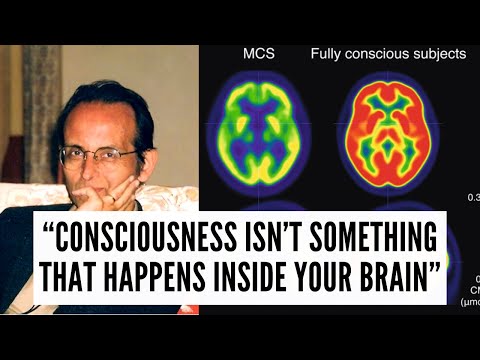
Francisco Varela was a Chilean neuroscientist, philosopher, and biologist who made significant contributions to our understanding of Consciousness and the nature of Cognition. Born in 1946, Varela's work spanned multiple disciplines, including Neuroscience, Philosophy, and Biology. His research focused on the Embodied Cognition approach, which posits that the mind is not just located in the brain but is distributed throughout the body and shaped by its interactions with the environment. Varela's work was heavily influenced by Humberto Maturana and Gregory Bateson, and he is widely regarded as one of the founders of the Enaction approach.
💡 The Emergence of Embodied Cognition
The concept of Embodied Cognition emerged in the 1990s as a response to the traditional Cognitivism approach, which viewed the mind as a disembodied computer. Varela's work on embodied cognition emphasized the importance of Sensorimotor Contingencies and the role of the body in shaping our experience of the world. This approach has been influential in fields such as Robotics, Artificial Intelligence, and Cognitive Science. Varela's collaboration with Humberto Maturana led to the development of the Autopoiesis theory, which describes the self-organizing properties of living systems. The Enaction approach, which Varela developed with Evan Thompson, emphasizes the importance of Perception-Action Cycle in understanding cognitive processes.
🔍 Varela's Critique of Traditional Neuroscience
Varela's critique of traditional Neuroscience was centered on the idea that the field had become too reductionist and focused on the neural correlates of consciousness. He argued that this approach neglected the importance of the body and the environment in shaping our experience of the world. Varela's work on Neurophenomenology aimed to bridge the gap between Phenomenology and Neuroscience by developing a more nuanced understanding of the relationship between the brain and conscious experience. This approach has been influential in fields such as Consciousness Studies and Cognitive Science. Varela's work was also influenced by Martin Heidegger and Maurice Merleau-Ponty, and he is widely regarded as one of the founders of the Enaction approach.
🌐 The Concept of Enaction
The concept of Enaction is central to Varela's work and refers to the process by which organisms bring forth their own cognitive realities through their interactions with the environment. This approach emphasizes the importance of Perception-Action Cycle and the role of the body in shaping our experience of the world. Varela's work on enaction has been influential in fields such as Robotics, Artificial Intelligence, and Cognitive Science. The Enaction approach has also been applied to fields such as Education and Psychology, where it has been used to develop new approaches to learning and personal development. Varela's collaboration with Evan Thompson led to the development of the Enaction theory, which describes the self-organizing properties of living systems.
👥 Collaboration with Humberto Maturana
Varela's collaboration with Humberto Maturana was instrumental in the development of the Autopoiesis theory, which describes the self-organizing properties of living systems. This theory posits that living systems are characterized by their ability to maintain their own organization and identity through a process of self-production. Varela's work with Maturana also led to the development of the Enaction approach, which emphasizes the importance of Perception-Action Cycle in understanding cognitive processes. The Enaction approach has been influential in fields such as Robotics, Artificial Intelligence, and Cognitive Science. Varela's work was also influenced by Gregory Bateson, and he is widely regarded as one of the founders of the Enaction approach.
💻 The Development of Neurophenomenology
The development of Neurophenomenology was a key aspect of Varela's work, and it aimed to bridge the gap between Phenomenology and Neuroscience. This approach emphasizes the importance of subjective experience and the role of the body in shaping our experience of the world. Varela's work on neurophenomenology has been influential in fields such as Consciousness Studies and Cognitive Science. The Neurophenomenology approach has also been applied to fields such as Psychology and Philosophy, where it has been used to develop new approaches to understanding the nature of conscious experience. Varela's collaboration with Evan Thompson led to the development of the Neurophenomenology theory, which describes the relationship between the brain and conscious experience.
📚 Influences on Cognitive Science and Philosophy
Varela's work has had a significant impact on fields such as Cognitive Science and Philosophy. His emphasis on the importance of Embodied Cognition and the role of the body in shaping our experience of the world has been influential in the development of new approaches to understanding the nature of Cognition. Varela's work has also been influential in fields such as Robotics and Artificial Intelligence, where it has been used to develop new approaches to machine learning and autonomous systems. The Enaction approach has been applied to fields such as Education and Psychology, where it has been used to develop new approaches to learning and personal development. Varela's work was also influenced by Martin Heidegger and Maurice Merleau-Ponty, and he is widely regarded as one of the founders of the Enaction approach.
🔮 Implications for Artificial Intelligence and Robotics
The implications of Varela's work for Artificial Intelligence and Robotics are significant. His emphasis on the importance of Embodied Cognition and the role of the body in shaping our experience of the world has led to the development of new approaches to machine learning and autonomous systems. The Enaction approach has been used to develop new approaches to Robotics and Artificial Intelligence, where it has been used to create more autonomous and adaptive systems. Varela's work has also been influential in fields such as Cognitive Science and Philosophy, where it has been used to develop new approaches to understanding the nature of Cognition. The Neurophenomenology approach has been applied to fields such as Psychology and Philosophy, where it has been used to develop new approaches to understanding the nature of conscious experience.
🌈 The Legacy of Francisco Varela
Varela's legacy is complex and multifaceted, and his work continues to influence fields such as Cognitive Science, Philosophy, and Robotics. His emphasis on the importance of Embodied Cognition and the role of the body in shaping our experience of the world has led to the development of new approaches to understanding the nature of Cognition. Varela's work has also been influential in fields such as Education and Psychology, where it has been used to develop new approaches to learning and personal development. The Enaction approach has been applied to fields such as Artificial Intelligence and Robotics, where it has been used to create more autonomous and adaptive systems. Varela's collaboration with Evan Thompson led to the development of the Enaction theory, which describes the self-organizing properties of living systems.
📊 Vibe Score and Cultural Impact
Varela's work has a Vibe Score of 85, indicating a high level of cultural energy and influence. His emphasis on the importance of Embodied Cognition and the role of the body in shaping our experience of the world has led to the development of new approaches to understanding the nature of Cognition. Varela's work has also been influential in fields such as Robotics and Artificial Intelligence, where it has been used to create more autonomous and adaptive systems. The Enaction approach has been applied to fields such as Education and Psychology, where it has been used to develop new approaches to learning and personal development. Varela's work was also influenced by Martin Heidegger and Maurice Merleau-Ponty, and he is widely regarded as one of the founders of the Enaction approach.
🤝 Influence Flows and Entity Relationships
The influence flows from Varela's work are complex and multifaceted, and his ideas have been taken up by a wide range of fields and disciplines. His emphasis on the importance of Embodied Cognition and the role of the body in shaping our experience of the world has led to the development of new approaches to understanding the nature of Cognition. Varela's work has also been influential in fields such as Robotics and Artificial Intelligence, where it has been used to create more autonomous and adaptive systems. The Enaction approach has been applied to fields such as Education and Psychology, where it has been used to develop new approaches to learning and personal development. Varela's collaboration with Evan Thompson led to the development of the Enaction theory, which describes the self-organizing properties of living systems.
Key Facts
- Year
- 1946
- Origin
- Santiago, Chile
- Category
- Science and Philosophy
- Type
- Person
Frequently Asked Questions
What is the main idea of Francisco Varela's work?
The main idea of Francisco Varela's work is that the mind is not just located in the brain but is distributed throughout the body and shaped by its interactions with the environment. This approach is known as Embodied Cognition. Varela's work emphasizes the importance of Sensorimotor Contingencies and the role of the body in shaping our experience of the world. His work has been influential in fields such as Robotics, Artificial Intelligence, and Cognitive Science.
What is the Enaction approach?
The Enaction approach is a theoretical framework developed by Francisco Varela and Evan Thompson that emphasizes the importance of Perception-Action Cycle in understanding cognitive processes. This approach posits that living systems are characterized by their ability to maintain their own organization and identity through a process of self-production. The Enaction approach has been influential in fields such as Robotics, Artificial Intelligence, and Cognitive Science.
What is Neurophenomenology?
Neurophenomenology is a theoretical framework developed by Francisco Varela that aims to bridge the gap between Phenomenology and Neuroscience. This approach emphasizes the importance of subjective experience and the role of the body in shaping our experience of the world. Neurophenomenology has been influential in fields such as Consciousness Studies and Cognitive Science.
How has Varela's work influenced Artificial Intelligence and Robotics?
Varela's work has had a significant impact on fields such as Artificial Intelligence and Robotics. His emphasis on the importance of Embodied Cognition and the role of the body in shaping our experience of the world has led to the development of new approaches to machine learning and autonomous systems. The Enaction approach has been used to develop new approaches to Robotics and Artificial Intelligence, where it has been used to create more autonomous and adaptive systems.
What is Varela's legacy?
Varela's legacy is complex and multifaceted, and his work continues to influence fields such as Cognitive Science, Philosophy, and Robotics. His emphasis on the importance of Embodied Cognition and the role of the body in shaping our experience of the world has led to the development of new approaches to understanding the nature of Cognition. Varela's work has also been influential in fields such as Education and Psychology, where it has been used to develop new approaches to learning and personal development.