
Contents
- 🎨 Introduction to Francois Rude
- 🕰️ Early Life and Training
- 🏛️ Career and Notable Works
- 💡 The Emergence of Romanticism
- 👥 Influences and Contemporaries
- 🔥 The Impact of the French Revolution
- 🌍 International Recognition and Legacy
- 🏞️ The Artistic Style of Francois Rude
- 📚 Critical Reception and Debate
- 👨🎤 Rude's Place in Art History
- 🔮 The Enduring Influence of Rude's Work
- Frequently Asked Questions
- Related Topics
Overview
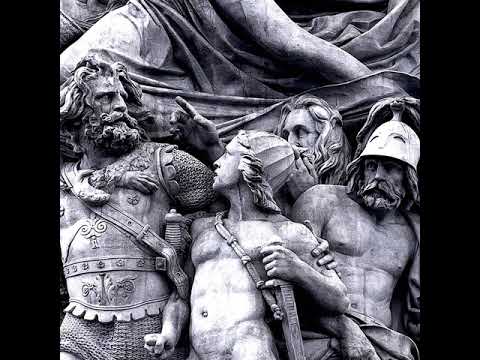
Francois Rude was a French sculptor born on January 4, 1784, in Dijon, France. He is best known for his work on the Arc de Triomphe in Paris, specifically the monumental sculpture 'La Marseillaise', which has become an iconic symbol of French patriotism. With a Vibe score of 8, Rude's art embodies the spirit of French Romanticism, characterized by dramatic and emotive pieces that often depicted scenes from nature and everyday life. His influence can be seen in the works of subsequent artists, including French sculptor Antoine-Augustin Préault, with whom he had a significant influence flow. Rude's legacy is a testament to the enduring power of art to capture the essence of a nation's identity, with his pieces continuing to inspire and provoke to this day. As we look to the future, it will be interesting to see how Rude's work continues to shape the cultural narrative of France and beyond, with potential implications for the way we think about national identity and the role of art in shaping our understanding of the world.
🎨 Introduction to Francois Rude
Francois Rude was a French sculptor who played a pivotal role in shaping the Romantic movement in art. Born in 1784 in Dijon, France, Rude's early life was marked by a passion for art and a strong work ethic. He began his training as a sculptor at the age of 16, studying under the renowned artist Francois Devosge. Rude's talent and dedication quickly earned him recognition, and he went on to become one of the most celebrated sculptors of his time. His work can be seen in the context of the broader French art scene, which was undergoing a significant transformation during the 19th century. The Louvre Museum in Paris, which houses many of Rude's works, is a testament to his enduring legacy.
🕰️ Early Life and Training
Rude's early life and training laid the foundation for his future success. He was born into a family of modest means, but his parents encouraged his artistic pursuits from a young age. Rude's studies under Devosge provided him with a solid understanding of classical techniques, which he would later combine with his own unique style to create some of the most iconic works of the Romantic era. Rude's contemporaries, including Antonin Moine and Pierre Cartellier, also played a significant role in shaping the artistic landscape of France during this period. The Ecole des Beaux-Arts in Paris, where Rude studied, was a hub for artistic innovation and experimentation.
🏛️ Career and Notable Works
Rude's career was marked by numerous notable works, including his famous sculpture 'The Departure of the Volunteers of 1792', which is considered one of the greatest works of French sculpture of all time. This piece, also known as 'La Marseillaise', is a powerful representation of the French Revolution and its impact on the nation. Rude's other notable works include 'Napoleon Awakening to Immortality' and 'Joan of Arc', which demonstrate his ability to capture the essence of his subjects and convey complex emotions through his art. The Napoleonic Wars had a profound impact on Rude's work, as he often explored themes of patriotism and national identity.
💡 The Emergence of Romanticism
The emergence of Romanticism in art was a significant development during Rude's lifetime. This movement, which emphasized emotion, imagination, and individualism, had a profound impact on the art world and paved the way for future generations of artists. Rude's work, with its emphasis on dramatic poses and expressive facial expressions, was perfectly in tune with the Romantic aesthetic. His sculptures, such as 'The Departure of the Volunteers of 1792', are characterized by a sense of energy and movement, which was a hallmark of Romantic art. The Gothic Revival style, which was popular during the 19th century, also influenced Rude's work, as he often incorporated elements of medieval architecture into his sculptures.
👥 Influences and Contemporaries
Rude was influenced by a range of artists and thinkers, including Johann Wolfgang von Goethe and Lord Byron. These figures, who were prominent in the literary world, had a significant impact on Rude's artistic vision and helped shape his unique style. Rude's contemporaries, such as Eugene Delacroix and Theodore Gericault, also played a role in shaping the artistic landscape of France during this period. The Salon in Paris, where Rude's work was often exhibited, was a key venue for artists to showcase their work and receive critical feedback.
🔥 The Impact of the French Revolution
The French Revolution had a profound impact on Rude's life and work. The Revolution, which began in 1789, marked a significant turning point in French history and had far-reaching consequences for the art world. Rude's sculpture 'The Departure of the Volunteers of 1792' is a powerful representation of the Revolution and its impact on the nation. The Revolution's emphasis on liberty, equality, and fraternity also influenced Rude's artistic vision, as he often explored themes of patriotism and national identity in his work. The Reign of Terror, which followed the Revolution, had a profound impact on Rude's life, as he was forced to flee France and seek refuge in Belgium.
🌍 International Recognition and Legacy
Rude's international recognition and legacy are a testament to his enduring influence on the art world. His work, which was widely admired during his lifetime, continues to be celebrated today for its beauty, emotion, and historical significance. The Louvre Museum in Paris, which houses many of Rude's works, is a major tourist destination and a hub for art lovers from around the world. Rude's influence can also be seen in the work of later artists, such as Auguste Rodin and Camille Claudel, who were inspired by his innovative style and techniques. The Art Nouveau movement, which emerged in the late 19th century, also owed a debt to Rude's work, as artists such as Alfons Mucha and Gustav Klimt drew on his emphasis on flowing lines and organic forms.
🏞️ The Artistic Style of Francois Rude
Rude's artistic style, which was characterized by dramatic poses and expressive facial expressions, was perfectly in tune with the Romantic aesthetic. His sculptures, such as 'The Departure of the Volunteers of 1792', are marked by a sense of energy and movement, which was a hallmark of Romantic art. Rude's use of marble and other materials also added to the emotional impact of his work, as he was able to convey complex emotions and textures through his sculptures. The Neoclassicism movement, which preceded Romanticism, also influenced Rude's work, as he often incorporated elements of classical architecture and sculpture into his pieces.
📚 Critical Reception and Debate
Rude's work has been the subject of much critical debate and reception. Some critics have praised his innovative style and techniques, while others have criticized his work for being too sentimental or melodramatic. Despite these criticisms, Rude's legacy as one of the greatest sculptors of the Romantic era remains unchallenged. His influence can be seen in the work of later artists, such as Auguste Rodin and Camille Claudel, who were inspired by his innovative style and techniques. The art criticism of the time, which was often harsh and unforgiving, also played a significant role in shaping Rude's artistic vision, as he was forced to navigate the complex and often treacherous world of artistic opinion.
👨🎤 Rude's Place in Art History
Rude's place in art history is secure, as he is widely regarded as one of the greatest sculptors of the Romantic era. His innovative style and techniques, which emphasized dramatic poses and expressive facial expressions, paved the way for future generations of artists. Rude's influence can be seen in the work of later artists, such as Auguste Rodin and Camille Claudel, who were inspired by his innovative style and techniques. The Museum of Fine Arts in Boston, which houses many of Rude's works, is a testament to his enduring legacy and influence on the art world.
🔮 The Enduring Influence of Rude's Work
The enduring influence of Rude's work can be seen in the many artists who have been inspired by his innovative style and techniques. From Auguste Rodin to Camille Claudel, Rude's legacy continues to shape the art world today. His emphasis on dramatic poses and expressive facial expressions, which was a hallmark of Romantic art, has influenced generations of artists and continues to inspire new works of art. The art world is forever in debt to Rude's innovative spirit and his contributions to the development of French art.
Key Facts
- Year
- 1784
- Origin
- Dijon, France
- Category
- Art and Culture
- Type
- Person
Frequently Asked Questions
What was Francois Rude's most famous work?
Francois Rude's most famous work is 'The Departure of the Volunteers of 1792', also known as 'La Marseillaise'. This sculpture is considered one of the greatest works of French sculpture of all time and is a powerful representation of the French Revolution and its impact on the nation. The sculpture is characterized by a sense of energy and movement, which was a hallmark of Romantic art. Rude's use of marble and other materials also added to the emotional impact of the work, as he was able to convey complex emotions and textures through his sculpture.
What movement was Francois Rude associated with?
Francois Rude was associated with the Romantic movement in art. This movement, which emphasized emotion, imagination, and individualism, had a profound impact on the art world and paved the way for future generations of artists. Rude's work, with its emphasis on dramatic poses and expressive facial expressions, was perfectly in tune with the Romantic aesthetic. The Gothic Revival style, which was popular during the 19th century, also influenced Rude's work, as he often incorporated elements of medieval architecture into his sculptures.
What was Francois Rude's influence on later artists?
Francois Rude's influence on later artists was significant. His innovative style and techniques, which emphasized dramatic poses and expressive facial expressions, paved the way for future generations of artists. Artists such as Auguste Rodin and Camille Claudel were inspired by Rude's work and went on to create their own innovative and influential pieces. The Art Nouveau movement, which emerged in the late 19th century, also owed a debt to Rude's work, as artists such as Alfons Mucha and Gustav Klimt drew on his emphasis on flowing lines and organic forms.
What is Francois Rude's legacy?
Francois Rude's legacy is that of one of the greatest sculptors of the Romantic era. His innovative style and techniques, which emphasized dramatic poses and expressive facial expressions, paved the way for future generations of artists. Rude's influence can be seen in the work of later artists, such as Auguste Rodin and Camille Claudel, who were inspired by his innovative style and techniques. The Museum of Fine Arts in Boston, which houses many of Rude's works, is a testament to his enduring legacy and influence on the art world.
What was Francois Rude's relationship with the French Revolution?
Francois Rude had a complex and multifaceted relationship with the French Revolution. The Revolution, which began in 1789, marked a significant turning point in French history and had far-reaching consequences for the art world. Rude's sculpture 'The Departure of the Volunteers of 1792' is a powerful representation of the Revolution and its impact on the nation. The Revolution's emphasis on liberty, equality, and fraternity also influenced Rude's artistic vision, as he often explored themes of patriotism and national identity in his work.
How did Francois Rude's work reflect the cultural and historical context of his time?
Francois Rude's work reflected the cultural and historical context of his time in several ways. The French Revolution and the subsequent Napoleonic Wars had a profound impact on French society and culture, and Rude's work often explored themes of patriotism and national identity. The Romantic movement in art, which emphasized emotion, imagination, and individualism, also influenced Rude's work, as he often incorporated elements of medieval architecture and literature into his sculptures. The art world of the time, which was characterized by a sense of innovation and experimentation, also played a significant role in shaping Rude's artistic vision.
What is the significance of Francois Rude's sculpture 'The Departure of the Volunteers of 1792'?
Francois Rude's sculpture 'The Departure of the Volunteers of 1792', also known as 'La Marseillaise', is a powerful representation of the French Revolution and its impact on the nation. The sculpture is characterized by a sense of energy and movement, which was a hallmark of Romantic art. Rude's use of marble and other materials also added to the emotional impact of the work, as he was able to convey complex emotions and textures through his sculpture. The sculpture is considered one of the greatest works of French sculpture of all time and is a testament to Rude's innovative style and techniques.