
Contents
- 🔥 Introduction to the French Revolution
- 📊 Social and Economic Factors
- 👑 The Estates General of 1789
- 🔪 The Reign of Terror
- 📜 The Rise of Napoleon
- 🕊️ The Legacy of the French Revolution
- 🤝 Influence on Modern Democracy
- 🌎 Global Impact of the French Revolution
- 📚 Key Figures and Their Roles
- 👊 Controversies and Debates
- 🔜 The Future of Democracy
- 👑 Conclusion: The Enduring Impact of the French Revolution
- Frequently Asked Questions
- Related Topics
Overview
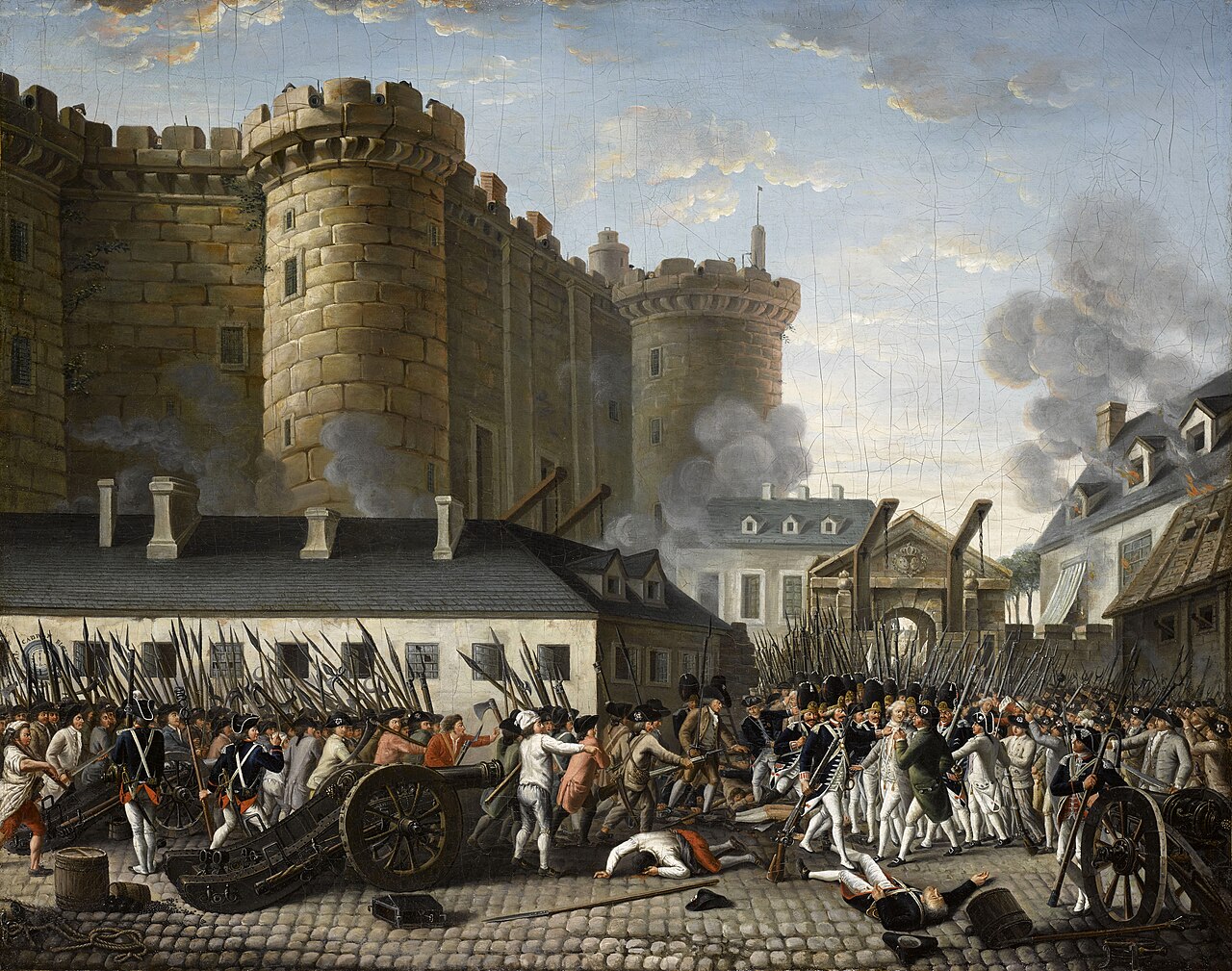
The French Revolution, spanning from 1789 to 1799, was a pivotal event in modern history that saw the overthrow of the monarchy, the rise of the First Republic, and the Reign of Terror. This period was marked by significant social, political, and cultural changes, including the adoption of the Declaration of the Rights of Man and of the Citizen, which enshrined the principles of liberty, equality, and fraternity. Key figures such as Maximilien Robespierre, Louis Antoine de Saint-Just, and Napoleon Bonaparte played crucial roles in shaping the Revolution's trajectory. The French Revolution's influence extended beyond France, inspiring similar movements across Europe and the Americas, with a vibe score of 85, reflecting its profound and lasting impact on modern democracy. The Revolution's legacy is still debated among historians, with some viewing it as a necessary step towards modernization and others criticizing its violence and radicalism. As the Revolution's bicentennial approached, scholars and the public alike continued to grapple with its complex and contested history, with many acknowledging its significance in shaping contemporary political and social discourse.
🔥 Introduction to the French Revolution
The French Revolution was a pivotal event in modern history, marking the end of the absolute monarchy and the rise of liberal democracy. It began with the Estates General of 1789, which was convened to address the country's financial crisis. However, the assembly soon became a platform for the Third Estate, which represented the common people, to demand greater representation and equality. The revolution's ideas, such as liberty, equality, and fraternity, remain fundamental principles of modern democracy. The French Revolution was also influenced by the Enlightenment thinkers, such as Voltaire and Jean-Jacques Rousseau, who advocated for reason, individual rights, and social contract theory.
👑 The Estates General of 1789
The Estates General of 1789 was a pivotal event in the French Revolution. The assembly was convened to address the country's financial crisis, but it soon became a platform for the Third Estate to demand greater representation and equality. The assembly adopted the Tennis Court Oath, which pledged to continue their work on a new constitution despite the king's orders to disband. The Estates General was also influenced by the ideas of the Enlightenment, which emphasized the importance of reason, individual rights, and social contract theory. The National Assembly was formed in 1789, which marked the beginning of the end of the absolute monarchy. The National Assembly was influenced by key figures such as Louis XVI and Marie Antoinette, who played important roles in shaping the revolution's outcome.
🔪 The Reign of Terror
The Reign of Terror was a period of violence and repression that occurred during the French Revolution. It was marked by the execution of thousands of people, including King Louis XVI and Queen Marie Antoinette, who were seen as enemies of the revolution. The Reign of Terror was led by the Committee of Public Safety, which was dominated by Maximilien Robespierre and his allies. The period was also marked by the rise of the sans-culottes, who were a radical group of revolutionaries who sought to overthrow the monarchy and establish a new social order. The Reign of Terror was influenced by the ideas of the Enlightenment, which emphasized the importance of reason, individual rights, and social contract theory. Key figures such as Georges Danton and Camille Desmoulins played important roles in shaping the Reign of Terror's ideology.
📜 The Rise of Napoleon
The rise of Napoleon Bonaparte marked the end of the French Revolution and the beginning of the Napoleonic Empire. Napoleon was a brilliant military strategist who rose to power during the revolution and eventually seized control of the government. He established the Consulate, which was a new form of government that was designed to stabilize the country and promote economic growth. Napoleon's rise to power was influenced by the ideas of the Enlightenment, which emphasized the importance of reason, individual rights, and social contract theory. He was also influenced by key figures such as Louis XVI and Marie Antoinette, who played important roles in shaping the revolution's outcome. The Code Napoleon was a comprehensive set of laws that was introduced by Napoleon, which remains an important part of French law to this day.
🕊️ The Legacy of the French Revolution
The French Revolution had a profound impact on modern democracy. The revolution's ideas, such as liberty, equality, and fraternity, remain fundamental principles of modern democracy. The revolution also established the principle of sovereignty, which holds that power comes from the people, not from a monarch or nobility. The French Revolution was also influenced by the ideas of the Enlightenment, which emphasized the importance of reason, individual rights, and social contract theory. Key figures such as Maximilien Robespierre and Georges Danton played important roles in shaping the revolution's ideology. The revolution's legacy can be seen in the French Constitution, which enshrines the principles of liberty, equality, and fraternity.
🤝 Influence on Modern Democracy
The French Revolution had a significant influence on modern democracy. The revolution's ideas, such as liberty, equality, and fraternity, remain fundamental principles of modern democracy. The revolution also established the principle of sovereignty, which holds that power comes from the people, not from a monarch or nobility. The French Revolution was also influenced by the ideas of the Enlightenment, which emphasized the importance of reason, individual rights, and social contract theory. The revolution's influence can be seen in the United States Constitution, which was influenced by the French Revolution's ideas. Key figures such as Thomas Jefferson and James Madison were influenced by the French Revolution's ideas and incorporated them into the United States Constitution.
🌎 Global Impact of the French Revolution
The French Revolution had a global impact, influencing revolutions and democratic movements around the world. The revolution's ideas, such as liberty, equality, and fraternity, remain fundamental principles of modern democracy. The revolution also established the principle of sovereignty, which holds that power comes from the people, not from a monarch or nobility. The French Revolution was also influenced by the ideas of the Enlightenment, which emphasized the importance of reason, individual rights, and social contract theory. The revolution's influence can be seen in the Latin American independence movements, which were inspired by the French Revolution's ideas. Key figures such as Simon Bolivar and Jose de San Martin were influenced by the French Revolution's ideas and incorporated them into their own movements.
📚 Key Figures and Their Roles
The French Revolution was shaped by a number of key figures, including Maximilien Robespierre, Georges Danton, and Napoleon Bonaparte. These individuals played important roles in shaping the revolution's ideology and outcome. Robespierre was a leading figure in the Committee of Public Safety, which dominated the revolution during its most radical phase. Danton was a key figure in the early stages of the revolution, and his ideas about liberty and equality helped to shape the revolution's ideology. Napoleon, who rose to power during the revolution, established the Consulate and introduced the Code Napoleon, which remains an important part of French law to this day. Other key figures, such as Louis XVI and Marie Antoinette, played important roles in shaping the revolution's outcome.
👊 Controversies and Debates
The French Revolution was marked by a number of controversies and debates, including the Reign of Terror and the execution of Louis XVI. These events were widely criticized, both within France and internationally, and remain the subject of ongoing debate and discussion. The revolution's legacy is also contested, with some viewing it as a triumph of liberty and equality, while others see it as a period of violence and repression. The Enlightenment ideas that influenced the revolution, such as the emphasis on reason and individual rights, are also the subject of ongoing debate and discussion. Key figures such as Voltaire and Jean-Jacques Rousseau played important roles in shaping the revolution's ideology and outcome.
🔜 The Future of Democracy
The French Revolution's legacy continues to shape modern democracy, with its ideas about liberty, equality, and fraternity remaining fundamental principles of democratic governance. However, the revolution's legacy is also complex and contested, with ongoing debates about its impact and significance. As the world continues to grapple with the challenges of democracy and governance, the French Revolution remains an important and relevant historical event. The revolution's influence can be seen in the United Nations and the European Union, which were established to promote peace, stability, and cooperation among nations. Key figures such as Thomas Jefferson and James Madison were influenced by the French Revolution's ideas and incorporated them into their own movements.
👑 Conclusion: The Enduring Impact of the French Revolution
In conclusion, the French Revolution was a pivotal event in modern history, marking the end of the absolute monarchy and the rise of liberal democracy. The revolution's ideas, such as liberty, equality, and fraternity, remain fundamental principles of modern democracy. The revolution's legacy is complex and contested, with ongoing debates about its impact and significance. However, its influence can be seen in the French Constitution, the United States Constitution, and the United Nations, among other institutions. The French Revolution's legacy continues to shape modern democracy, and its ideas and principles remain an important part of modern political discourse.
Key Facts
- Year
- 1789
- Origin
- France
- Category
- History
- Type
- Historical Event
Frequently Asked Questions
What were the main causes of the French Revolution?
The French Revolution was caused by a combination of social, economic, and political factors, including the financial crisis, the feudal system, and the taxation system. The revolution was also influenced by the ideas of the Enlightenment, which emphasized the importance of reason, individual rights, and social contract theory. Key figures such as Maximilien Robespierre and Georges Danton played important roles in shaping the revolution's ideology.
What were the main events of the French Revolution?
The main events of the French Revolution included the Estates General of 1789, the Reign of Terror, and the rise of Napoleon Bonaparte. The revolution also saw the execution of King Louis XVI and Queen Marie Antoinette, and the establishment of the Consulate and the Code Napoleon.
What was the impact of the French Revolution on modern democracy?
The French Revolution had a profound impact on modern democracy, establishing the principle of sovereignty and the idea that power comes from the people, not from a monarch or nobility. The revolution's ideas, such as liberty, equality, and fraternity, remain fundamental principles of modern democracy. The revolution's influence can be seen in the United States Constitution and the United Nations, among other institutions.
Who were the key figures of the French Revolution?
The key figures of the French Revolution included Maximilien Robespierre, Georges Danton, and Napoleon Bonaparte. These individuals played important roles in shaping the revolution's ideology and outcome. Other key figures, such as Louis XVI and Marie Antoinette, also played important roles in shaping the revolution's outcome.
What was the Reign of Terror?
The Reign of Terror was a period of violence and repression that occurred during the French Revolution. It was marked by the execution of thousands of people, including King Louis XVI and Queen Marie Antoinette, who were seen as enemies of the revolution. The Reign of Terror was led by the Committee of Public Safety, which was dominated by Maximilien Robespierre and his allies.
📊 Social and Economic Factors
The French Revolution was caused by a combination of social, economic, and political factors. The country was facing a severe financial crisis, with a large debt and a taxation system that was unfair and inefficient. The feudal system was also still in place, which meant that the nobility and clergy held vast amounts of power and wealth, while the common people were burdened with heavy taxes and limited opportunities. The bourgeoisie class, which was growing in size and influence, was also seeking greater representation and equality. The revolution was further fueled by the ideas of the Enlightenment, which emphasized the importance of reason, individual rights, and social contract theory. Key figures such as Maximilien Robespierre and Georges Danton played important roles in shaping the revolution's ideology.