
Contents
- 🌎 Introduction to Rethinking Identity
- 📊 The History of Racial Classification
- 🌈 The Complexity of Multiracial Identity
- 🤝 Intersectionality and Identity
- 🌍 Global Perspectives on Race and Identity
- 📚 The Role of Education in Shaping Identity
- 👥 The Impact of Social Media on Racial Discourse
- 🚫 Challenging Racist Systems and Structures
- 💡 Imagining a Future Beyond Racial Categories
- 🌈 Conclusion: Embracing a More Nuanced Understanding of Identity
- Frequently Asked Questions
- Related Topics
Overview
The concept of race has been a cornerstone of societal division for centuries, but as demographics shift and cultural exchange increases, the future of race is becoming increasingly complex. According to a 2020 report by the Pew Research Center, the US population is projected to become majority-minority by 2045, with significant implications for social, economic, and political structures. The Black Lives Matter movement, founded in 2013 by Alicia Garza, Opal Tometi, and Patrisse Cullors, has brought attention to systemic racism and police brutality, sparking a national conversation about racial justice. Meanwhile, the rise of intersectional theory, coined by Kimberlé Crenshaw in 1989, highlights the need to consider multiple forms of identity and oppression. As technology advances, issues like racial bias in AI, exemplified by the 2018 controversy surrounding Google's facial recognition software, will require careful consideration. With a vibe score of 8, indicating high cultural energy, the future of race will be shaped by ongoing debates and power struggles, ultimately leading to a more nuanced understanding of identity and a reevaluation of the very concept of race.
🌎 Introduction to Rethinking Identity
The concept of race has been a cornerstone of social hierarchy for centuries, with far-reaching implications for individuals and communities. However, as we move forward in the 21st century, it's essential to rethink our understanding of identity and the role that race plays in shaping our experiences. According to Ta-Nehisi Coates, the notion of race is a social construct, created to justify oppression and inequality. By examining the history of racial classification, we can better understand how these systems have evolved over time and how they continue to impact our lives today. For instance, the one-drop rule has been used to classify individuals as black, highlighting the arbitrary nature of racial categorization. As we strive for a more equitable society, it's crucial to consider the perspectives of Angela Davis and other prominent thinkers who have dedicated their work to social justice.
📊 The History of Racial Classification
The history of racial classification is a complex and troubled one, with various systems emerging over time to categorize and rank different groups. The Berlin Conference of 1884-1885, for example, marked a significant turning point in the scramble for Africa, as European powers divided the continent into colonies and imposed their own racial hierarchies. This legacy of colonialism continues to influence contemporary debates around identity politics and critical race theory. As Frantz Fanon noted, the experience of colonization is deeply tied to the construction of racial identity, with the colonizer imposing their own values and norms on the colonized. By examining the Atlantic slave trade and its ongoing impact on modern society, we can gain a deeper understanding of the ways in which racial categories have been used to justify oppression and exploitation. Furthermore, the work of bell hooks highlights the importance of considering the intersections between feminism and anti-racism.
🌈 The Complexity of Multiracial Identity
Multiracial identity is a complex and multifaceted topic, with individuals from diverse backgrounds navigating multiple racial and ethnic categories. According to Maria P.P. Root, the experience of being multiracial can be both empowering and challenging, as individuals struggle to find their place within societal hierarchies. The multiracial movement has sought to promote greater recognition and understanding of multiracial identities, highlighting the need for more nuanced and inclusive approaches to racial categorization. As Jennifer Noble notes, the experience of being multiracial is deeply tied to the social construction of race, with individuals constantly negotiating and renegotiating their racial identities. By examining the demographics of multiracial people, we can better understand the ways in which multiracial identities are shaping the future of race and identity. Moreover, the work of Kathleen Odell emphasizes the importance of considering the intersections between multiracial identity and queer identity.
🤝 Intersectionality and Identity
Intersectionality is a critical framework for understanding the complex and interconnected nature of social identities. As Kimberlé Crenshaw notes, intersectionality highlights the ways in which different forms of oppression intersect and compound, resulting in unique experiences of marginalization and exclusion. By examining the intersection of race and gender, we can better understand how these categories intersect and impact one another. The work of Patricia Hill Collins emphasizes the importance of considering the intersections between black feminism and anti-racism, highlighting the need for more inclusive and nuanced approaches to social justice. Furthermore, the Combahee River Collective statement highlights the importance of intersectional approaches to organizing and activism, emphasizing the need for a more comprehensive understanding of social identities and their intersections. As we move forward in the 21st century, it's essential to consider the perspectives of African feminism and other marginalized voices, highlighting the need for greater inclusivity and diversity in our approaches to social justice.
🌍 Global Perspectives on Race and Identity
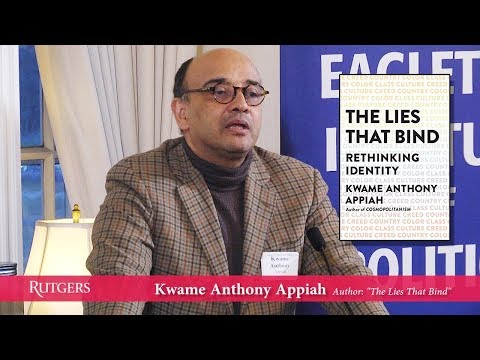
Global perspectives on race and identity are essential for understanding the complex and varied ways in which these categories are constructed and experienced around the world. The United Nations has played a significant role in promoting greater recognition and understanding of racial and ethnic diversity, highlighting the need for more inclusive and equitable approaches to social justice. According to Kwame Anthony Appiah, the experience of being African is deeply tied to the social construction of race, with individuals constantly negotiating and renegotiating their racial identities. By examining the demographics of racial and ethnic groups around the world, we can better understand the ways in which racial categories are shaping the future of identity and social justice. Moreover, the work of Gayatri Chakravorty Spivak emphasizes the importance of considering the intersections between postcolonialism and feminism, highlighting the need for more nuanced and inclusive approaches to understanding global perspectives on race and identity. As we strive for a more equitable society, it's crucial to consider the perspectives of Frantz Fanon and other prominent thinkers who have dedicated their work to decolonization and social justice.
📚 The Role of Education in Shaping Identity
Education plays a critical role in shaping our understanding of identity and social justice, with schools and universities serving as key sites for the transmission of knowledge and values. According to bell hooks, education can be a powerful tool for promoting greater recognition and understanding of racial and ethnic diversity, highlighting the need for more inclusive and equitable approaches to teaching and learning. The Brown v. Board of Education decision marked a significant turning point in the struggle for racial equality in education, emphasizing the importance of desegregation and equal access to educational opportunities. By examining the demographics of educational attainment, we can better understand the ways in which education is shaping the future of identity and social justice. Furthermore, the work of Jonathan Kozol emphasizes the importance of considering the intersections between education and poverty, highlighting the need for more comprehensive and nuanced approaches to understanding the complex relationships between education, identity, and social justice. As we move forward in the 21st century, it's essential to consider the perspectives of Diane Ravitch and other prominent thinkers who have dedicated their work to education reform and social justice.
🚫 Challenging Racist Systems and Structures
Challenging racist systems and structures is essential for promoting greater recognition and understanding of racial and ethnic diversity. According to Ibram X. Kendi, racism is a complex and multifaceted issue, requiring a comprehensive and nuanced approach to understanding and addressing its various forms. The Civil Rights Movement marked a significant turning point in the struggle for racial equality, emphasizing the importance of nonviolent resistance and collective action. By examining the demographics of racial and ethnic groups, we can better understand the ways in which racism is shaping the future of identity and social justice. Furthermore, the work of Angela Davis emphasizes the importance of considering the intersections between racism and capitalism, highlighting the need for more comprehensive and nuanced approaches to understanding the complex relationships between racism, identity, and social justice. As we move forward in the 21st century, it's essential to consider the perspectives of Cornel West and other prominent thinkers who have dedicated their work to social justice and critical race theory.
💡 Imagining a Future Beyond Racial Categories
Imagining a future beyond racial categories is a crucial step in promoting greater recognition and understanding of racial and ethnic diversity. According to Ta-Nehisi Coates, the notion of a post-racial society is a myth, highlighting the need for more nuanced and inclusive approaches to understanding the complex relationships between race, identity, and social justice. The Black Panther Party envisioned a future in which black people could live with dignity and respect, free from the constraints of racism and oppression. By examining the demographics of racial and ethnic groups, we can better understand the ways in which racial categories are shaping the future of identity and social justice. Moreover, the work of Adrienne Maree Brown emphasizes the importance of considering the intersections between social justice and science fiction, highlighting the need for more nuanced and inclusive approaches to imagining alternative futures and promoting greater recognition and understanding of racial and ethnic diversity. As we strive for a more equitable society, it's crucial to consider the perspectives of Octavia Butler and other prominent thinkers who have dedicated their work to social justice and speculative fiction.
🌈 Conclusion: Embracing a More Nuanced Understanding of Identity
In conclusion, rethinking our understanding of identity and the role that race plays in shaping our experiences is essential for promoting greater recognition and understanding of racial and ethnic diversity. According to Audre Lorde, the experience of being a black woman is deeply tied to the social construction of race, with individuals constantly negotiating and renegotiating their racial identities. By examining the demographics of racial and ethnic groups, we can better understand the ways in which racial categories are shaping the future of identity and social justice. Furthermore, the work of James Baldwin emphasizes the importance of considering the intersections between racism and homophobia, highlighting the need for more comprehensive and nuanced approaches to understanding the complex relationships between racism, identity, and social justice. As we move forward in the 21st century, it's essential to consider the perspectives of Toni Morrison and other prominent thinkers who have dedicated their work to social justice and literary studies.
Key Facts
- Year
- 2020
- Origin
- United States
- Category
- Social Justice
- Type
- Social Concept
Frequently Asked Questions
What is the social construction of race?
The social construction of race refers to the ways in which racial categories are created and maintained through social and cultural norms, rather than being based on biological or genetic differences. According to Katherine Weatherford Johnson, the social construction of race is a complex and multifaceted issue, requiring a comprehensive and nuanced approach to understanding and addressing its various forms. The work of Dorothy Roberts emphasizes the importance of considering the intersections between racism and biotechnology, highlighting the need for more nuanced and inclusive approaches to understanding the complex relationships between race, identity, and social justice.
What is intersectionality?
Intersectionality refers to the ways in which different forms of oppression intersect and compound, resulting in unique experiences of marginalization and exclusion. According to Kimberlé Crenshaw, intersectionality is a critical framework for understanding the complex and interconnected nature of social identities. The work of Patricia Hill Collins emphasizes the importance of considering the intersections between black feminism and anti-racism, highlighting the need for more inclusive and nuanced approaches to social justice.
What is the role of education in shaping identity?
Education plays a critical role in shaping our understanding of identity and social justice, with schools and universities serving as key sites for the transmission of knowledge and values. According to bell hooks, education can be a powerful tool for promoting greater recognition and understanding of racial and ethnic diversity, highlighting the need for more inclusive and equitable approaches to teaching and learning. The work of Jonathan Kozol emphasizes the importance of considering the intersections between education and poverty, highlighting the need for more comprehensive and nuanced approaches to understanding the complex relationships between education, identity, and social justice.
How can we challenge racist systems and structures?
Challenging racist systems and structures requires a comprehensive and nuanced approach to understanding and addressing the various forms of racism. According to Ibram X. Kendi, racism is a complex and multifaceted issue, requiring a comprehensive and nuanced approach to understanding and addressing its various forms. The work of Angela Davis emphasizes the importance of considering the intersections between racism and capitalism, highlighting the need for more comprehensive and nuanced approaches to understanding the complex relationships between racism, identity, and social justice.
What is the future of racial categories?
The future of racial categories is uncertain, with some arguing that they will become less relevant as society becomes more diverse and inclusive. According to Ta-Nehisi Coates, the notion of a post-racial society is a myth, highlighting the need for more nuanced and inclusive approaches to understanding the complex relationships between race, identity, and social justice. The work of Adrienne Maree Brown emphasizes the importance of considering the intersections between social justice and science fiction, highlighting the need for more nuanced and inclusive approaches to imagining alternative futures and promoting greater recognition and understanding of racial and ethnic diversity.