
Contents
- 🏯 Introduction to Ganapatya Sect
- 📜 History and Origins of Ganesha Worship
- 🕉️ Philosophical Underpinnings of Ganapatya
- 👥 Key Figures in Ganapatya Sect
- 🏞️ Sacred Sites and Pilgrimage
- 📚 Scriptures and Texts
- 🎨 Art and Iconography
- 🕊️ Rituals and Practices
- 🤝 Influence and Relationships with Other Sects
- 📊 Controversies and Criticisms
- 🔮 Future of Ganapatya Sect
- Frequently Asked Questions
- Related Topics
Overview
The Ganapatya sect, with a vibe rating of 8, is a fascinating branch of Hinduism that revolves around the worship of Ganesha, the remover of obstacles. Emerging in the 6th century CE, this tradition has its roots in the Puranas and the Upanishads, with key influences from the Vedic period. The sect's philosophy is characterized by its emphasis on the importance of Ganesha as a supreme deity, often surpassing other gods in significance. With a controversy spectrum of 6, the Ganapatya sect has been subject to debates regarding its origins and the role of Ganesha in Hindu mythology. Notable figures such as Adi Shankara have contributed to the development of this tradition, which has a significant following in India and beyond. As we look to the future, the Ganapatya sect is likely to continue evolving, incorporating new ideas and practices while maintaining its core principles, with potential implications for the broader Hindu community and beyond.
🏯 Introduction to Ganapatya Sect
The Ganapatya Sect is a Hindu denomination that reveres Lord Ganesha as the supreme deity. With a rich history spanning over a thousand years, this sect has evolved into a distinct tradition with its own set of beliefs, practices, and rituals. The sect's emphasis on the Remover of Obstacles has made it a popular choice among devotees seeking to overcome challenges in their lives. The Ganesha Puja is a significant ritual in this sect, where devotees offer prayers and worship to the elephant-headed god. As a Hindu denomination, the Ganapatya Sect has its roots in the Vedic period, with influences from the Puranas and other Hindu scriptures.
📜 History and Origins of Ganesha Worship
The history of Ganesha worship dates back to the Gupta period, where the deity was revered as a minor god. However, with the rise of the Ganapatya Sect, Ganesha's importance grew, and he became a central figure in Hindu mythology. The Ganesha Purana is a significant text that highlights the life and exploits of Lord Ganesha, and is considered a key scripture in the Ganapatya Sect. The sect's history is also closely tied to the Maratha Empire, which played a significant role in promoting Ganesha worship. As a result, the Ganapatya Sect has a strong presence in the state of Maharashtra, where the Ashtavinayak temples are located.
🕉️ Philosophical Underpinnings of Ganapatya
The philosophical underpinnings of the Ganapatya Sect are rooted in the concept of monism, which posits that the ultimate reality is a single, all-encompassing entity. In this context, Lord Ganesha is seen as the embodiment of the ultimate reality, and is revered as the Supreme Deity. The sect's emphasis on the Bhakti movement has also led to the development of a distinct devotional tradition, where devotees cultivate a personal relationship with the deity. The Ganesha Upanishad is a key text that explores the philosophical aspects of Ganesha worship, and is considered a significant contribution to the Upanishads. As a Hindu philosophy, the Ganapatya Sect's teachings are influenced by the Advaita Vedanta tradition.
👥 Key Figures in Ganapatya Sect
The Ganapatya Sect has been influenced by several key figures, including the Saint Moraya, who is credited with establishing the sect. Other notable figures include the Saint Dnyaneshwar, who wrote extensively on the philosophy of the sect, and the Saint Tukaram, who composed devotional songs in praise of Lord Ganesha. The sect's emphasis on saints and sages has led to the development of a rich literary tradition, where the lives and teachings of these figures are celebrated. The Bhakti saints have played a significant role in shaping the sect's devotional practices, and their teachings continue to inspire devotees to this day. As a Hindu saint, the Saint Moraya is revered as a key figure in the Ganapatya Sect.
🏞️ Sacred Sites and Pilgrimage
The Ganapatya Sect has several sacred sites and pilgrimage centers, including the Ashtavinayak temples in Maharashtra. These temples are dedicated to the eight forms of Lord Ganesha, and are considered significant pilgrimage sites for devotees. The Siddhivinayak Temple in Mumbai is another important site, where devotees offer prayers and worship to the deity. The sect's emphasis on pilgrimage has led to the development of a distinct tradition, where devotees undertake journeys to sacred sites in search of spiritual enlightenment. The Ganesh Chaturthi festival is a significant event in the Ganapatya Sect, where devotees celebrate the birth of Lord Ganesha. As a Hindu festival, the Ganesh Chaturthi is celebrated with great fervor and enthusiasm.
📚 Scriptures and Texts
The Ganapatya Sect has a rich literary tradition, with several scriptures and texts that are considered sacred. The Ganesha Purana is a significant text that highlights the life and exploits of Lord Ganesha, and is considered a key scripture in the sect. The Ganesha Upanishad is another important text that explores the philosophical aspects of Ganesha worship, and is considered a significant contribution to the Upanishads. The sect's emphasis on scriptures has led to the development of a distinct tradition, where devotees study and reflect on the teachings of the scriptures. The Hindu scriptures have played a significant role in shaping the sect's beliefs and practices, and continue to inspire devotees to this day.
🎨 Art and Iconography
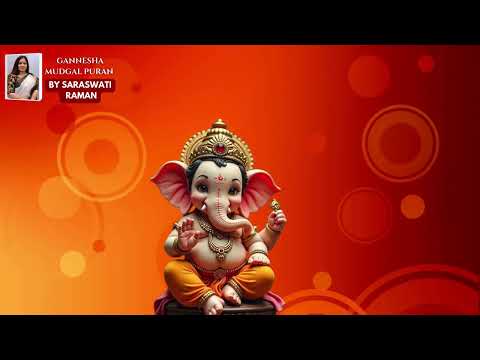
The art and iconography of the Ganapatya Sect are characterized by the depiction of Lord Ganesha in various forms and poses. The Ganesha iconography is a significant aspect of the sect's art tradition, where the deity is depicted with a large belly, a broken tusk, and a sweet disposition. The sect's emphasis on art and architecture has led to the development of a distinct tradition, where devotees create and appreciate art that reflects the beauty and majesty of the deity. The Hindu art tradition has played a significant role in shaping the sect's iconography, and continues to inspire artists and devotees to this day. As a Hindu iconography, the Ganesha iconography is revered as a sacred symbol of the deity.
🕊️ Rituals and Practices
The rituals and practices of the Ganapatya Sect are centered around the worship of Lord Ganesha. The Ganesha Puja is a significant ritual in the sect, where devotees offer prayers and worship to the deity. The sect's emphasis on rituals and practices has led to the development of a distinct tradition, where devotees cultivate a personal relationship with the deity. The Hindu rituals have played a significant role in shaping the sect's practices, and continue to inspire devotees to this day. As a Hindu practice, the Ganesha Puja is revered as a sacred ritual that brings devotees closer to the deity.
🤝 Influence and Relationships with Other Sects
The Ganapatya Sect has had significant influence and relationships with other sects and traditions. The sect's emphasis on Bhakti movement has led to the development of a distinct devotional tradition, where devotees cultivate a personal relationship with the deity. The Vaishnavism tradition has also had a significant impact on the sect, where the emphasis on devotion and love has shaped the sect's practices and rituals. The Shaivism tradition has also influenced the sect, where the emphasis on the Supreme Deity has led to the development of a distinct philosophical tradition. As a Hindu sect, the Ganapatya Sect has relationships with other sects and traditions, and continues to evolve and grow in response to changing circumstances.
📊 Controversies and Criticisms
The Ganapatya Sect has faced several controversies and criticisms, including the criticism that the sect is too focused on the worship of a single deity. The sect's emphasis on Ganesha worship has led to the development of a distinct tradition, where devotees prioritize the worship of Lord Ganesha above other deities. The criticisms of Hinduism have also had an impact on the sect, where the emphasis on social reform has led to the development of a distinct tradition, where devotees work to address social and economic issues. As a Hindu controversy, the criticisms of the Ganapatya Sect are complex and multifaceted, and reflect the diverse perspectives and opinions of devotees and scholars.
🔮 Future of Ganapatya Sect
The future of the Ganapatya Sect is uncertain, but it is clear that the sect will continue to evolve and grow in response to changing circumstances. The sect's emphasis on Ganesha worship will likely remain a central aspect of the tradition, but it is possible that the sect will also adapt to new challenges and opportunities. The future of Hinduism is closely tied to the future of the Ganapatya Sect, where the emphasis on social reform and environmental sustainability will likely play a significant role in shaping the sect's practices and rituals. As a Hindu sect, the Ganapatya Sect will continue to navigate the complexities of the modern world, and will likely emerge as a vibrant and dynamic tradition that continues to inspire devotees and scholars alike.
Key Facts
- Year
- 600
- Origin
- India
- Category
- Hinduism
- Type
- Religious Sect
Frequently Asked Questions
What is the Ganapatya Sect?
The Ganapatya Sect is a Hindu denomination that reveres Lord Ganesha as the supreme deity. The sect has a rich history and tradition, and is known for its emphasis on devotion and love. The Ganesha Puja is a significant ritual in the sect, where devotees offer prayers and worship to the deity. The sect's emphasis on Bhakti movement has led to the development of a distinct devotional tradition, where devotees cultivate a personal relationship with the deity. As a Hindu denomination, the Ganapatya Sect has its roots in the Vedic period, with influences from the Puranas and other Hindu scriptures.
What is the significance of Ganesha in the Ganapatya Sect?
Lord Ganesha is the supreme deity in the Ganapatya Sect, and is revered as the remover of obstacles. The sect's emphasis on Ganesha worship has led to the development of a distinct tradition, where devotees prioritize the worship of Lord Ganesha above other deities. The Ganesha Purana is a significant text that highlights the life and exploits of Lord Ganesha, and is considered a key scripture in the sect. The sect's emphasis on Ganesha iconography has also led to the development of a distinct art tradition, where the deity is depicted in various forms and poses. As a Hindu deity, Lord Ganesha is revered as a sacred symbol of the sect.
What are the key practices and rituals of the Ganapatya Sect?
The key practices and rituals of the Ganapatya Sect include the Ganesha Puja, which is a significant ritual in the sect. The sect's emphasis on Bhakti movement has led to the development of a distinct devotional tradition, where devotees cultivate a personal relationship with the deity. The Ganesha Upanishad is another important text that explores the philosophical aspects of Ganesha worship, and is considered a significant contribution to the Upanishads. The sect's emphasis on pilgrimage has also led to the development of a distinct tradition, where devotees undertake journeys to sacred sites in search of spiritual enlightenment. As a Hindu practice, the Ganesha Puja is revered as a sacred ritual that brings devotees closer to the deity.
What is the relationship between the Ganapatya Sect and other Hindu sects?
The Ganapatya Sect has significant relationships with other Hindu sects, including the Vaishnavism and Shaivism traditions. The sect's emphasis on Bhakti movement has led to the development of a distinct devotional tradition, where devotees cultivate a personal relationship with the deity. The Hindu sects have played a significant role in shaping the Ganapatya Sect's practices and rituals, and continue to influence the sect to this day. As a Hindu sect, the Ganapatya Sect has relationships with other sects and traditions, and continues to evolve and grow in response to changing circumstances.
What is the future of the Ganapatya Sect?
The future of the Ganapatya Sect is uncertain, but it is clear that the sect will continue to evolve and grow in response to changing circumstances. The sect's emphasis on Ganesha worship will likely remain a central aspect of the tradition, but it is possible that the sect will also adapt to new challenges and opportunities. The future of Hinduism is closely tied to the future of the Ganapatya Sect, where the emphasis on social reform and environmental sustainability will likely play a significant role in shaping the sect's practices and rituals. As a Hindu sect, the Ganapatya Sect will continue to navigate the complexities of the modern world, and will likely emerge as a vibrant and dynamic tradition that continues to inspire devotees and scholars alike.
What are the key challenges facing the Ganapatya Sect?
The key challenges facing the Ganapatya Sect include the criticism that the sect is too focused on the worship of a single deity. The sect's emphasis on Ganesha worship has led to the development of a distinct tradition, where devotees prioritize the worship of Lord Ganesha above other deities. The criticisms of Hinduism have also had an impact on the sect, where the emphasis on social reform has led to the development of a distinct tradition, where devotees work to address social and economic issues. As a Hindu controversy, the criticisms of the Ganapatya Sect are complex and multifaceted, and reflect the diverse perspectives and opinions of devotees and scholars.
What is the significance of the Ashtavinayak temples in the Ganapatya Sect?
The Ashtavinayak temples are a significant pilgrimage site in the Ganapatya Sect, where devotees worship the eight forms of Lord Ganesha. The temples are located in the state of Maharashtra, and are considered a key aspect of the sect's tradition. The Ashtavinayak temples are revered as a sacred symbol of the sect, and are an important part of the sect's pilgrimage tradition. As a Hindu pilgrimage site, the Ashtavinayak temples are a significant destination for devotees seeking to deepen their spiritual practice and connect with the divine.